
When a baby under six months old struggles with gas, bloating, or constant crying, finding the right formula is an urgent priority for parents. However, comparing Enfamil Gentlease, NAN, and Nido reveals a critical safety distinction: Nido is not formulated for infants aged 0 to 6 months and must never be given to babies in this age group. For young infants with sensitive stomachs, the choice lies between Enfamil Gentlease, which uses partially hydrolyzed proteins to ease digestion, and NAN infant formulas (such as NAN Stage 1 or specialized comfort variants), which focus on specific protein structures and gut-supportive ingredients. Deciding between these options requires understanding how their ingredients interact with your baby’s developing digestive tract and verifying the exact age indications on the packaging.
Navigating the infant milk aisle in the Philippines can be overwhelming, especially when dealing with sleepless nights and a fussy baby. The tropical heat and humidity can sometimes exacerbate a baby’s discomfort, making it even more important to identify whether fussiness stems from environmental factors or digestive issues. By focusing on observable symptoms, checking ingredient labels systematically, and consulting your pediatrician, you can find a formula that supports your baby’s growth without causing unnecessary digestive distress.
Identifying Sensitive Stomach Signs in 0-6 Month Olds
During the first six months of life, an infant’s digestive system is highly immature. It is entirely normal for newborns to experience mild gas or occasional spitting up as their gastrointestinal tracts learn to process milk. However, parents often struggle to distinguish these normal developmental milestones from actual formula intolerance or a sensitive stomach that might benefit from a formula change.
Products mentioned in this guide


Prices are valid at publication and may change. Please refer to the product page for the latest price.
Observable signs of a sensitive stomach typically include excessive, high-pitched crying shortly after feeding, abdominal bloating that feels firm to the touch, and frequent, painful passing of gas. You might also notice your baby pulling their legs up to their chest or arching their back in discomfort. While occasional spitting up is common, frequent projectile vomiting or spitting up accompanied by poor weight gain indicates a more significant issue that requires professional medical attention.
Bowel movements also provide crucial clues about digestive health. While breastfed babies have highly variable stool consistencies, formula-fed infants generally have firmer stools. However, if your baby consistently passes hard, dry pebbles, or if they experience watery stools more than a few times a day, their digestive system may be struggling with their current formula. It is vital to monitor these patterns over several days rather than reacting to a single unusual diaper.
Before deciding to switch formulas, parents must rule out normal newborn behaviors. Infantile colic, which often peaks around six weeks of age, is characterized by predictable periods of intense crying that occur for no apparent reason. If your baby is growing well, gaining weight, and has soft stools, their fussiness may simply be colic or normal developmental adjustment rather than a formula intolerance. Switching formulas repeatedly during this phase can actually worsen digestive distress by constantly introducing new protein structures to an already sensitive gut.
Certain symptoms serve as immediate red flags that go beyond a simple sensitive stomach. If you observe blood or mucus in your baby’s stool, persistent vomiting, a fever, or a sudden refusal to feed, you must seek immediate medical evaluation. These signs can indicate a serious underlying medical condition, such as a cow’s milk protein allergy or an infection, which cannot be resolved by switching to a standard sensitive formula.
Comparing Enfamil Gentlease, NAN, and Nido for Young Infants
To make an informed decision, parents must understand the distinct product lines, target age groups, and design philosophies of each brand. Not all formulas are created equal, and some are completely inappropriate for the delicate digestive systems of infants under six months old.

Enfamil Gentlease Formulations
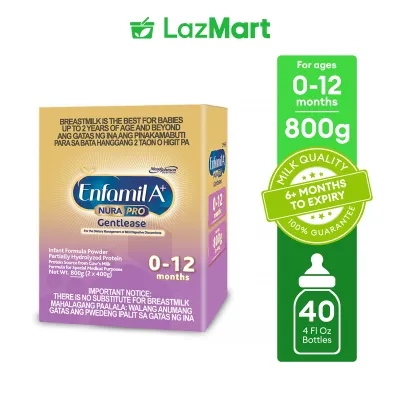
Enfamil Gentlease is specifically designed to address common feeding tolerance issues like gas, fussiness, and crying. The primary design principle behind Gentlease is the use of partially hydrolyzed proteins. This means the cow’s milk proteins have been broken down into smaller, easier-to-digest pieces, reducing the workload on your baby’s immature digestive enzymes.
When selecting Enfamil Gentlease, it is crucial to verify the specific stage or age indicator on the packaging. In the Philippines, infant formulas are strictly categorized by stage, and you must ensure the label explicitly states it is suitable for infants from 0 to 6 months (often designated as Stage 1). Parents should also check the preparation instructions carefully, as hydrolyzed formulas can sometimes behave differently during mixing, requiring precise water-to-powder ratios to prevent constipation or nutritional imbalances.
Gentlease also typically features a modified carbohydrate blend with lower lactose levels compared to standard routine formulas. While lactose is the primary carbohydrate source in breast milk and is highly beneficial for most infants, some babies with temporary digestive sensitivity benefit from a reduced lactose load. This modification aims to reduce the fermentation of undigested lactose in the colon, which is a common cause of excess gas and bloating.
NAN Infant Formulas
The NAN product line, manufactured by Nestlé, takes a different approach to digestive comfort, focusing heavily on protein quality and gut microbiota support. Standard NAN infant formulas for the 0-6 month age group, such as NAN Stage 1, are formulated with high-quality whey proteins that are easy for young infants to process.
Many NAN formulations incorporate specific probiotics, such as Lactobacillus reuteri, or prebiotic fiber blends designed to support a healthy gut microbiome. Probiotics help populate the infant’s gut with beneficial bacteria, which can naturally improve digestion, reduce gas, and ease colic symptoms. When browsing local shelves or online marketplaces, parents should look for specialized comfort or sensitive variants within the NAN line, ensuring they verify that the product is explicitly labeled for the 0-6 month age range.
It is important to read the ingredient list of the specific NAN variant you choose. Some comfort versions may feature partially hydrolyzed proteins similar to Gentlease, while others rely on standard intact proteins combined with active cultures. Understanding these differences allows you to choose a product that aligns with your pediatrician’s recommendations for your baby’s specific digestive symptoms.
Nido Product Line and Age Applicability
A common and highly dangerous misconception among some parents is that Nido products can be given to young infants. Nido is a popular and trusted brand in the Philippines, but its product line is formulated exclusively for older children, typically starting at one year of age and older (such as Nido 1+).
Nido does not offer a dedicated infant formula for the 0-6 month age group. Feeding toddler milk or full-cream powdered milk like Nido to an infant under six months old poses severe health risks. The protein and mineral concentrations in toddler milks are far too high for an infant’s immature kidneys to process, which can lead to severe dehydration, kidney strain, and metabolic imbalances. Furthermore, these products lack the precise balance of vitamins, essential fatty acids, and iron required to support rapid infant brain and body development.
If you are looking for a Nestlé product suitable for a 0-6 month old, you must look to their dedicated infant formula lines, such as NAN or Nestogen, rather than Nido. Always check the manufacturer’s explicit age recommendation on the front of the packaging. If a product does not clearly state it is an infant formula for ages 0-6 months, it must never be introduced into your newborn’s diet.
Key Label Features to Check for Digestive Support
When comparing formulas for a sensitive stomach, parents should look past marketing claims on the front of the tin and carefully analyze the ingredient list and nutritional information panel. Understanding key label features empowers you to make a precise, condition-based choice.
First, examine the protein source and structure. Standard formulas contain intact cow’s milk proteins (whey and casein), which can be difficult for some sensitive infants to break down. Partially hydrolyzed proteins, found in formulas like Enfamil Gentlease, have been pre-treated with enzymes to break the proteins into smaller peptides. This reduces digestion time and minimizes the likelihood of triggering mild digestive discomfort. If your baby has a diagnosed cow’s milk protein allergy, however, even partially hydrolyzed proteins are insufficient, and they will require an extensively hydrolyzed or amino acid-based formula under strict medical supervision.
Second, evaluate the carbohydrate profile. Lactose is highly beneficial for calcium absorption and brain development, but a temporary lactose sensitivity can cause gas and watery stools. Some sensitive formulas replace a portion of the lactose with corn syrup solids, maltodextrin, or sucrose. While these alternative carbohydrates are easier to digest for a baby experiencing temporary lactose malabsorption, many pediatricians recommend keeping some lactose in the diet unless a complete lactose intolerance is diagnosed.
Third, check for gut-supportive additives such as prebiotics and probiotics. Prebiotics, often listed as galacto-oligosaccharides (GOS) or fructo-oligosaccharides (FOS), serve as food for beneficial gut bacteria. Probiotics are live beneficial bacteria added directly to the formula. These ingredients help establish a balanced gut flora, which can naturally improve stool consistency and reduce gas.
Finally, inspect the fat blend, specifically looking for the presence of palm olein oil. Some studies suggest that palm olein oil can react with calcium in the infant’s gut, forming insoluble soaps that can lead to harder stools and constipation in some babies. If your baby struggles with hard stools, choosing a formula that is palm olein-free may help soften their bowel movements. Always verify these ingredients on the specific product packaging available in your local store, as formulations can vary by region.
How to Transition Safely and Monitor Your Baby's Reaction
Switching your baby’s formula should never be done abruptly unless specifically directed by your pediatrician. A sudden change in protein structures and carbohydrate blends can shock your baby’s sensitive digestive tract, leading to increased gas, vomiting, or diarrhea, which might make you think the new formula is failing when it is actually just a reaction to the rapid transition.
A gradual transition method is generally recommended to allow your baby’s digestive enzymes and gut bacteria to adapt. Over a period of several days, you can gradually introduce the new formula by mixing it with the old one in the same bottle, or by replacing one feeding at a time. For example, on days one and two, you might replace one feed with the new formula. On days three and four, replace two feeds, gradually increasing the ratio until your baby is exclusively consuming the new formula. Always consult your pediatrician for the safest transition schedule tailored to your baby’s health status.
During and after the transition, keep a daily tracking log to monitor your baby’s reaction. Note the frequency and consistency of their stools, the severity of their gas, their overall fussiness levels, and their sleep patterns. It is common to see temporary changes in stool color and consistency during a transition; for instance, formulas with partially hydrolyzed proteins often produce loose, greenish stools, which is completely normal and not a sign of illness.
Give the new formula adequate time to work. It typically takes at least two weeks for an infant’s digestive system to fully adjust to a new formula’s protein and carbohydrate profile. Unless your baby exhibits red flag symptoms, avoid switching brands again during this two-week window, as constant changes will only prolong their digestive discomfort and make it impossible to determine which formula actually suits them.
When to Stop the Formula and Consult a Pediatrician
While switching to a sensitive formula like Enfamil Gentlease or a specialized NAN variant can help ease mild digestive discomfort, it is not a cure-all for serious medical conditions. Parents must remain vigilant and recognize when a baby’s symptoms require professional medical intervention rather than another trip to the milk aisle.
You must stop the formula and consult your pediatrician immediately if your baby exhibits any of the following red flag symptoms:
- Blood or visible mucus in the stool, which can indicate an allergic reaction or infection.
- Persistent, forceful projectile vomiting, or vomiting that prevents your baby from keeping fluids down.
- Signs of dehydration, such as fewer than six wet diapers a day, a sunken soft spot (fontanelle) on the head, or crying without tears.
- Poor weight gain or weight loss, indicating that the baby is not absorbing nutrients properly.
- Extreme lethargy, unusual drowsiness, or difficulty waking up for feeds.
- A widespread skin rash, hives, or swelling around the face and lips.
These symptoms often point to a cow’s milk protein allergy (CMPA), a serious immune response to the proteins in cow’s milk. Babies with CMPA cannot tolerate standard or partially hydrolyzed formulas like Gentlease or NAN Stage 1. They require specialized, extensively hydrolyzed or amino acid-based prescription formulas, which must only be introduced under the direct supervision and guidance of a qualified medical professional. Never attempt to diagnose or treat a suspected milk allergy on your own.
Frequently Asked Questions (FAQ)
Can I mix Enfamil Gentlease and NAN in the same bottle?
No, you should avoid mixing Enfamil Gentlease and NAN in the same bottle unless specifically instructed by your pediatrician. Each brand is formulated with a precise balance of proteins, fats, carbohydrates, vitamins, and minerals designed to be prepared according to their specific instructions. Mixing two different brands alters this delicate nutritional balance and can make the formula too concentrated or too diluted, putting unnecessary strain on your baby’s kidneys and digestive system. If you are transitioning between the two, it is safer to offer separate bottles of each formula at different feeding times throughout the day.
How long should I wait to see if a sensitive stomach formula works?
You should generally wait between one to two weeks to determine if a sensitive stomach formula is working for your baby. It takes time for your baby’s digestive tract to clear the previous formula and adapt to the new protein and carbohydrate structures. During this adjustment period, you may notice temporary changes in stool color, consistency, or gas patterns. Unless your baby shows immediate signs of an allergic reaction or other red flag symptoms, switching formulas too quickly will only cause further digestive confusion and make it difficult to identify what actually helps.

Community discussion
Share your experience or ask a question. Comments are reviewed before publication.