
Choosing the right toddler milk involves more than just picking a familiar brand. While Enfagrow, Nido, and NAN are popular choices, there is no single “best” formula for every child. The right choice depends on your toddler’s current age, specific nutritional gaps, digestive tolerance, and your household budget. This guide breaks down how to compare these brands across essential dimensions so you can make an informed decision based on your child’s actual needs.
Understanding Your Toddler's Nutritional Needs
As your child transitions from breastmilk or infant formula to solid foods, their nutritional requirements change dramatically. During the toddler years, rapid physical growth and brain development demand a steady intake of essential nutrients. While solid foods should become their primary source of nutrition, milk often serves as a practical safety net to fill potential dietary gaps.
Key nutrients like iron, calcium, zinc, and DHA play vital roles in supporting your toddler’s immune system, bone density, and cognitive development. However, every child’s dietary intake is unique, depending on how well they accept table foods. If your toddler is a picky eater, they may require a formula with different fortification levels than a child who eats a diverse diet.
Products mentioned in this guide
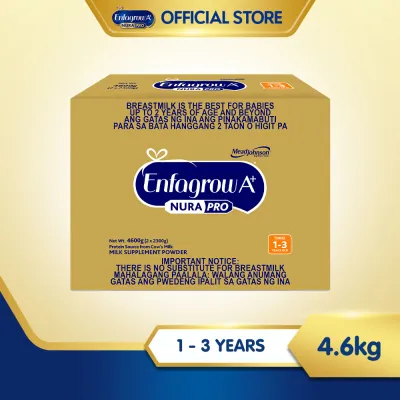
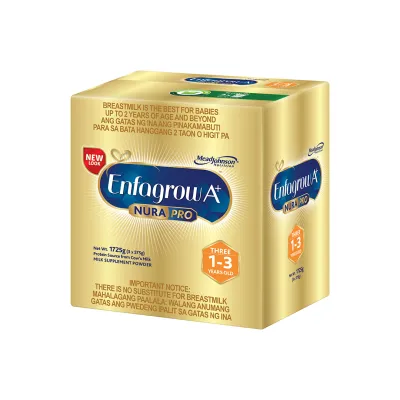
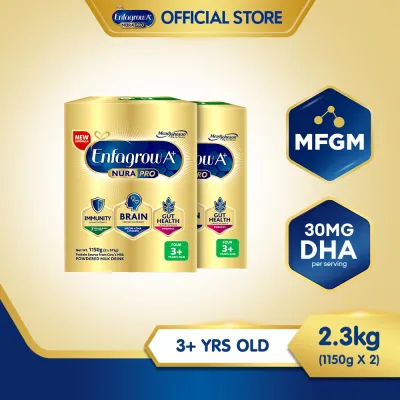
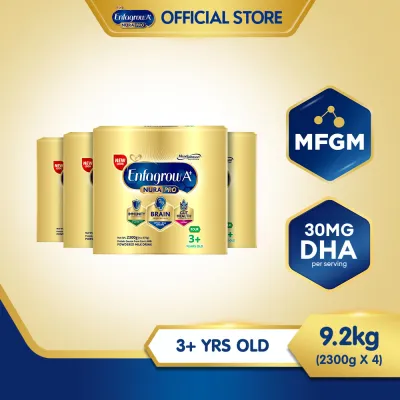
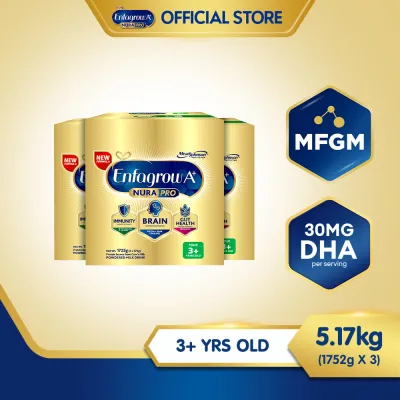
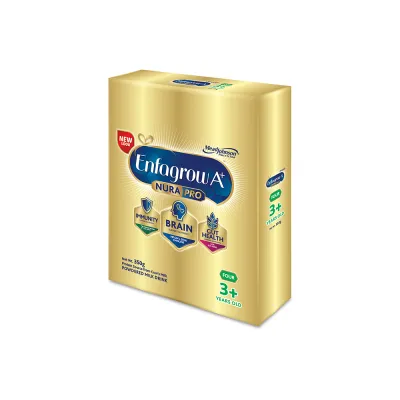
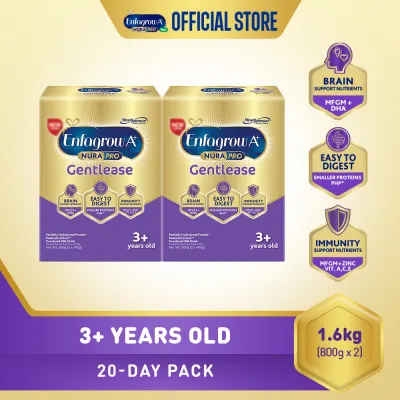
Prices are valid at publication and may change. Please refer to the product page for the latest price.
In tropical climates, hydration is also a key consideration for active toddlers. While water is the best choice for quenching thirst, a prepared cup of toddler milk can contribute to their daily fluid intake while delivering essential vitamins. This dual role makes choosing a suitable milk option an important part of daily meal planning.
Before introducing or switching any toddler milk, consulting your pediatrician is an essential first step. This is especially critical if your child has a history of food allergies, lactose sensitivity, or specific digestive issues. A healthcare professional can help you identify your child’s actual nutritional needs and recommend the appropriate formulation.
Age Stages and Formula Variants
Toddler formulas are carefully calibrated to match specific developmental milestones and digestive capacities. Manufacturers typically categorize these milks into numbered stages, such as Stage 3 for children aged one to three years, and Stage 4 for those aged three years and older. Feeding your child the correct stage ensures they receive nutrients suited to their growth rate.

When browsing the shelves, always check the front packaging of Enfagrow, Nido, and NAN to verify the target age range. Each brand uses distinct naming conventions and color-coded designs to distinguish their stages and specialized variants. For instance, some variants focus on everyday nutrition, while others are formulated for sensitive tummies or specific developmental support.
Understanding these stages helps prevent the accidental purchase of infant formulas, which are designed for babies under twelve months. Infant formulas have different protein-to-whey ratios and mineral levels that do not meet the nutritional profile required by an active, growing toddler. Similarly, older toddler milks may contain ingredients that are too complex for an infant’s digestive tract to break down.
Giving your child a formula designed for an older or younger age group can lead to nutritional imbalances or digestive discomfort. Younger toddlers have delicate digestive systems that may struggle to process the protein structures or mineral concentrations found in older-stage milks. Always plan transitions carefully and observe your child for any signs of digestive changes during the process.
Comparing Key Nutritional Profiles
To make an objective comparison, you must look beyond the marketing claims and examine the nutrition information panel on the back of the tin. Start by checking the macronutrient breakdown, paying close attention to the protein, fat, and carbohydrate ratios. It is also wise to inspect the ingredient list for any added sugars, corn syrup solids, or sweeteners that you might prefer to limit in your child’s diet.
Next, compare the levels of fortified vitamins and minerals, particularly iron, zinc, vitamin D, and calcium. Different brands prioritize different nutrient blends; some may offer higher concentrations of brain-development support ingredients like DHA, while others focus on immune-supporting vitamins. Note these differences to see which brand best addresses the specific gaps in your toddler’s daily solid food intake.
For instance, if your child’s daily meals already consist of iron-rich foods like red meat or leafy greens, you might focus more on a formula that provides balanced calcium and vitamin D for bone support. Conversely, if your toddler is currently refusing iron-rich foods, finding a formula with robust iron fortification becomes a higher priority.
You should also look for specialized ingredients such as prebiotics, probiotics, or partially hydrolyzed proteins designed for easier digestion. If a brand claims to support gut health or gentle digestion, verify these claims by looking for specific bacterial strains or fiber types listed in the ingredients. Keep in mind that specialized comfort formulas should ideally be used under medical supervision.
Price and Availability in the Philippines
Affordability is a major factor in choosing a toddler milk, as formula is a recurring household expense. Instead of comparing the upfront price of different tins, calculate the true cost per serving based on the manufacturer’s preparation instructions. Divide the total weight of the package by the recommended scoop size to determine how many servings a single container actually provides.
In local supermarkets and pharmacies, you will find these brands in various packaging sizes, ranging from small 400-gram tins to large 1.2-kilogram or 1.8-kilogram economy packs. While larger packs or bulk boxes generally offer a lower cost per gram, make sure your child tolerates the milk well before investing in a massive size. Additionally, consider how local humidity might affect the freshness of a large opened container over several weeks.
In hot and humid environments, opened milk powder can quickly absorb moisture from the air, leading to clumping or spoilage. If you purchase larger economy packs, ensure you have airtight containers to store the powder safely, or opt for smaller tins that can be consumed within a shorter timeframe. This helps maintain the quality and safety of the milk until the very last scoop.
To ensure you are purchasing genuine, safe products, buy only from authorized physical retailers or official brand stores on established e-commerce platforms. Avoid buying from unverified third-party sellers online, as improper storage in hot, humid warehouses can degrade the nutrients or compromise safety. Always inspect the expiration date and the physical integrity of the seal before opening any new container.
Making the Right Choice for Your Child
Selecting the right formula comes down to matching your child’s specific profile with the characteristics of each brand. Consider Enfagrow if your primary goal is to find a formula with a strong focus on DHA and cognitive-support nutrients, provided it fits comfortably within your monthly budget. This option is often favored by parents looking for robust nutritional fortification to supplement a picky eater’s diet.
Opt for Nido if you are looking for a highly accessible, budget-friendly everyday milk option that focuses on basic growth, immune support, and digestive comfort. This brand is widely available in local stores and offers various packaging sizes that suit different household budgets, making it a practical choice for families seeking reliable daily nutrition.
Choose NAN if your pediatrician recommends a formula with specialized protein structures, prebiotics, or options tailored for toddlers with sensitive digestive systems. This brand is often selected when a child requires a gentler option to ease mild tummy issues or when transitioning from a premium infant formula.
Regardless of the brand you choose, always verify with your pediatrician first if your toddler exhibits signs of a sensitive stomach, poor weight gain, or food intolerances. A sudden change in bowel movements, skin rashes, or unusual fussiness after feeding are clear indicators that you should pause use and seek professional medical advice.
Remember that after the first year of life, solid foods should gradually become the primary source of your child’s daily nutrients. Toddler milk is designed to be a nutritional supplement, not a replacement for balanced, healthy meals. Encouraging your child to explore a wide variety of tastes and textures on their plate is the most effective way to support their long-term health and development.
Frequently Asked Questions (FAQ)
Can I mix Enfagrow, Nido, and NAN together?
Mixing different formula brands or stages in the same bottle is generally not recommended. Each product is formulated with a specific balance of nutrients, proteins, and minerals, and mixing them can alter the concentration, potentially straining your toddler’s kidneys or digestive system. Additionally, different brands require specific water-to-powder ratios that must be followed precisely to prevent dehydration or undernutrition.
If you need to switch your child from one brand to another, do so gradually over several days rather than mixing them in a single serving. Start by replacing one feed a day with the new formula, slowly increasing the frequency over a week while monitoring your child’s stool and overall comfort. This gradual transition allows their digestive system to adapt to the new ingredient profile without sudden upset.
When should I stop giving my toddler formula milk?
Most pediatric guidelines suggest that healthy toddlers who eat a diverse, balanced diet of solid foods can transition away from formula milk around two to three years of age. At this stage, their nutritional needs can be fully met through three balanced meals, healthy snacks, and regular water or pasteurized whole cow’s milk. The exact timing depends heavily on your child’s eating habits and physical development.
You can observe whether your child is ready to stop formula by looking at their daily food intake. If they consistently eat a variety of grains, proteins, fruits, and vegetables, and are growing at a healthy rate, they may no longer require the extra fortification of toddler formula. Consult your pediatrician to assess your child’s growth and determine the best time to transition to regular milk or alternative beverages.

Community discussion
Share your experience or ask a question. Comments are reviewed before publication.