
Choosing between Nido and Enfagrow for your toddler depends on matching the specific nutritional profile on the label to your child’s unique dietary gaps, digestive tolerance, and your pediatrician’s advice. At one to three years of age, toddlers undergo rapid physical and cognitive development, transitioning from a milk-dominant diet to solid foods. Growing-up milks, often categorized as Stage 3 formulas, are designed to complement this transition by acting as a nutritional safety net. Rather than searching for a universal winner, parents should focus on comparing active ingredients, understanding preparation requirements, and calculating the long-term cost per serving.
Setting the Nutritional Baseline for Your 1 to 3 Year Old
During the toddler years, a child’s body requires a precise balance of macronutrients and micronutrients to support rapid brain growth, bone elongation, and a developing immune system. Key nutrients during this stage include iron, which supports cognitive development and oxygen transport in the blood, and calcium combined with vitamin D to build strong bones and teeth. Additionally, zinc and vitamins A, C, and E play critical roles in strengthening the body’s natural defenses as toddlers begin to explore their environment more actively.
However, it is vital to remember that growing-up milk is a supplement, not a replacement for solid foods. By the age of one, a toddler should ideally obtain the majority of their daily calories and nutrients from a diverse diet of fruits, vegetables, grains, and proteins. Relying too heavily on milk can fill a toddler’s small stomach, leading to a decreased appetite for solid foods and potentially causing nutrient deficiencies, such as iron-deficiency anemia.
Products mentioned in this guide
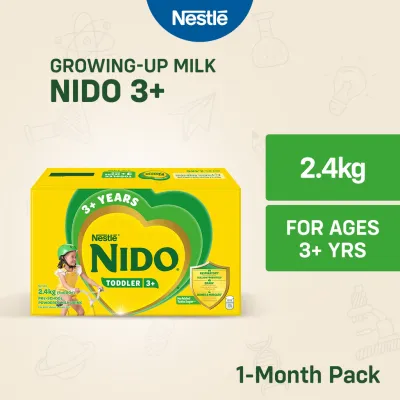
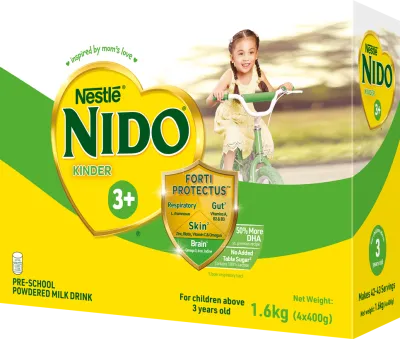

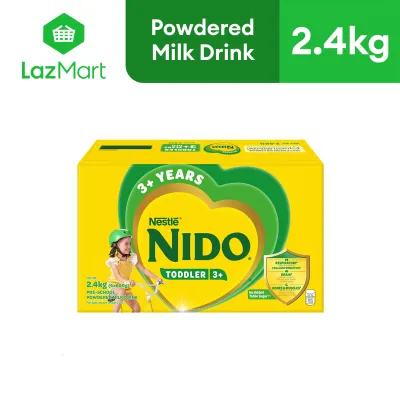
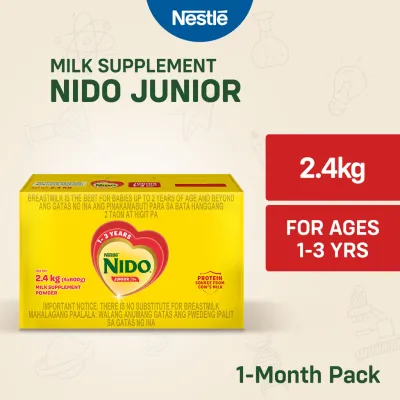
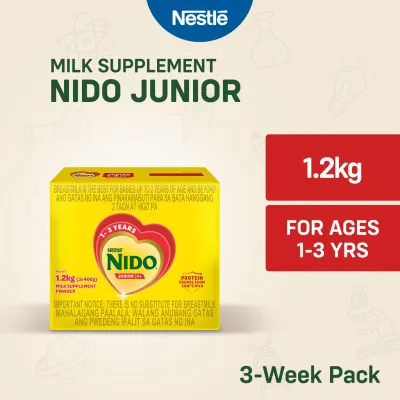
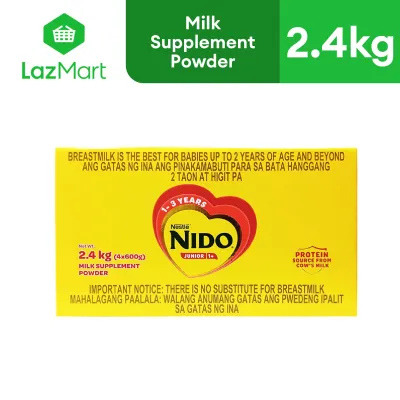
Prices are valid at publication and may change. Please refer to the product page for the latest price.
Before introducing any new milk formula or switching brands, parents should consult a pediatrician. A healthcare professional can evaluate your child’s growth chart, assess their dietary intake, and identify if they require specific nutritional fortification. This step is especially crucial if your child shows signs of food sensitivities, slow weight gain, or developmental delays.
Comparing Nutritional Labels: What to Look For in Nido and Enfagrow
When evaluating Nido and Enfagrow, parents should look past front-of-pack marketing slogans and focus directly on the nutrition facts panel and ingredient list. The first key component to compare is the level of brain-supporting nutrients, specifically Docosahexaenoic Acid (DHA) and Arachidonic Acid (ARA). Check the exact milligrams of DHA per serving on both labels, as these fatty acids are essential structural components of the brain and retina.

Next, examine the iron, calcium, and vitamin D concentrations. Compare the percentage of the Recommended Energy and Nutrient Intakes (RENI) or Philippine Dietary Reference Intakes (PDRI) that one serving of each milk provides. A formula that offers a higher percentage of iron may be beneficial for a picky eater who avoids meat, while a formula rich in calcium and vitamin D supports children who may not get enough sun exposure or dairy from other sources.
Another critical factor is the presence of added sugars and flavorings. Carefully read the ingredient list for terms like sucrose, corn syrup solids, maltodextrin, or fructose. While some level of carbohydrate is necessary for energy, formulas with high amounts of added sucrose can contribute to early tooth decay and establish a preference for overly sweet tastes. Opting for formulas where lactose is the primary carbohydrate source is generally closer to natural milk profiles.
Matching the Exact Age Stage and Product Variant
Selecting the correct product variant is essential to ensure your toddler receives the appropriate nutrient density for their age. Manufacturers carefully calibrate the protein, fat, and mineral content of each stage to match a child’s physiological development. For children aged one to three years, you must look for Stage 3 or toddler-specific labels on the packaging.
Feeding a toddler a formula designed for older children, such as preschooler or school-age milk (often labeled Stage 4 or 5), can place unnecessary strain on their developing kidneys due to higher protein and mineral concentrations. Conversely, keeping a toddler on infant formula (Stage 1 or 2) past their first birthday may not provide the appropriate balance of nutrients needed for an active, walking child.
Always check the manufacturer’s packaging for explicit age indicators and transition instructions. The label will outline the recommended age range, the specific scoop size, and the mixing ratio required to prepare a safe and nutritionally balanced drink.
Evaluating Taste, Mixability, and Digestive Tolerance
A formula can look perfect on paper, but its success ultimately depends on your toddler’s acceptance and digestive response. Toddlers have highly sensitive taste buds and may reject a formula based on its sweetness, aroma, or mouthfeel. When introducing a new brand, purchase the smallest available packaging size first to conduct a trial run before investing in bulk quantities.
During this trial period, closely monitor your child for any signs of digestive discomfort. Watch for symptoms such as excessive gas, abdominal bloating, unusual fussiness after feeding, or sudden changes in stool consistency, such as hard stools or watery diarrhea. If your toddler experiences persistent digestive issues, it may indicate a sensitivity to a specific ingredient, requiring a consultation with your pediatrician.
Proper preparation is also critical to maintaining digestive health and ensuring correct osmolarity. Always use the exact scoop provided in the specific tub, as scoop sizes are not standardized across brands. In the warm, humid climate of the Philippines, milk powder is highly susceptible to clumping and spoilage. Store the powder in a cool, dry place in an airtight container, and never use wet scoops, as moisture can introduce bacteria and degrade the nutrients.
Calculating Daily Cost and Serving Value
Because growing-up milk is a daily expense that can last for several years, calculating the long-term financial commitment is a practical necessity for families. Comparing the retail price of a tin or box alone can be misleading, as different brands use different scoop sizes, dilution ratios, and packaging weights. To find the true value, parents should calculate the cost per serving.
To perform this calculation, divide the retail price of the package by the total weight in grams to find the cost per gram. Then, multiply the cost per gram by the number of grams required for a single serving, as specified in the preparation instructions. This formula allows you to compare the actual cost of preparing one glass of milk across different brands, regardless of packaging differences.
Cost per serving = (Price of the pack in ₱ / Total weight in grams) * Grams per serving
Additionally, consider the packaging format. Many brands offer milk powder in both tin cans and cardboard boxes containing foil refill pouches. Refill pouches are generally more economical and environmentally friendly, though they must be transferred to a clean, sterilized, airtight container immediately after opening to protect the powder from tropical humidity and pests. Buying larger bulk packs can also lower the cost per serving, provided your child consistently accepts the formula.
Decision Framework: Which Formula Fits Your Toddler?
To make the final decision, synthesize your label comparisons, budget calculations, and your toddler’s physical reactions into a clear framework.
Consider choosing Nido if your toddler prefers its specific taste profile, shows excellent digestive tolerance with no signs of gas or constipation, and the nutritional values on the label align with your child’s daily dietary intake. This option is often favored by families looking for a widely available, cost-effective daily supplement that meets standard nutritional baselines.
Consider choosing Enfagrow if your pediatrician recommends a formula with its specific micronutrient profile, particularly regarding DHA or prebiotic blends, and your child accepts the taste well. This choice is highly suitable for parents prioritizing specific developmental support areas and who are comfortable with the associated price point.
Before making any final purchase, verify if your toddler has any underlying medical conditions, such as a cow’s milk protein allergy or lactose intolerance. Standard formulations of both Nido and Enfagrow contain lactose and cow’s milk proteins. If your child shows signs of an allergic reaction, such as hives, vomiting, or severe colic, stop use immediately and consult a pediatrician for specialized, hypoallergenic alternatives.
Frequently Asked Questions (FAQ)
Can I mix Nido and Enfagrow in the same bottle?
No, you should not mix different formula powders in the same bottle. Each brand is scientifically formulated with a specific scoop size and water ratio to achieve the correct concentration of nutrients and water (osmolarity). Mixing them can lead to an incorrect balance, potentially causing dehydration, kidney strain, or digestive issues. To transition your toddler from one brand to another, do so gradually over several days by replacing one full feeding of the old milk with the new milk each day, monitoring for any adverse reactions.
How many servings of growing-up milk should a toddler drink daily?
Most pediatric guidelines suggest that toddlers aged one to three years consume approximately two servings of milk per day, totaling around 400 to 500 milliliters. Drinking excessive amounts of milk can displace solid foods, leading to a lack of dietary variety and an increased risk of iron-deficiency anemia, as calcium can inhibit iron absorption. Always adjust your child’s daily milk intake based on their overall appetite, active growth, and the volume of solid foods they consume daily.
Community discussion
Share your experience or ask a question. Comments are reviewed before publication.