
Choosing the right milk for your growing toddler is one of the most frequent decisions you will make during their early years. In the Philippines, where the climate is warm and humid, keeping your child hydrated and properly nourished is a daily priority. As your child transitions from infant formula or breast milk to toddler milk, you will likely find yourself standing in the supermarket aisle, comparing popular brands like Enfagrow, Nido, and NAN. Each of these brands promises to support your child’s growth, brain development, and immunity, but understanding how they differ is key to making an informed choice.
There is no single “best” toddler formula among Enfagrow, Nido, and NAN. The right choice depends on your child’s specific nutritional needs, digestive tolerance, and your family’s budget. While one child may thrive on a highly fortified option, another might require a formula that focuses primarily on digestive comfort. This guide helps you compare their general product lines, read formula labels effectively, and identify which option aligns with your child’s health profile.
As you navigate this decision, it is important to remember that toddler formulas are designed to complement a balanced diet of solid foods, not replace it. By the time your child reaches one year of age, their primary source of nutrition should gradually shift to wholesome meals. Toddler milk serves as a nutritional safety net, helping to fill any gaps in vitamins, minerals, and essential fatty acids. Let us break down how these three household names compare so you can select the most suitable option for your household.
Products mentioned in this guide
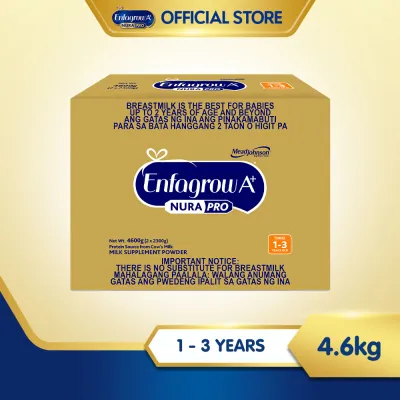
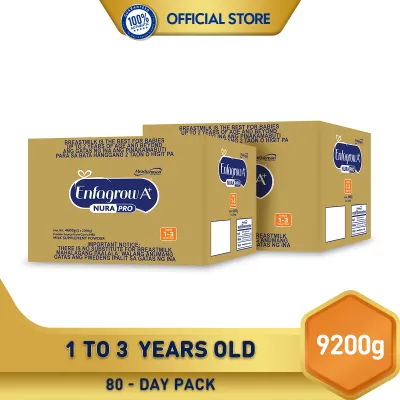
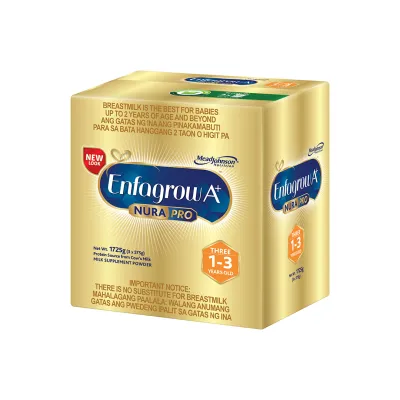
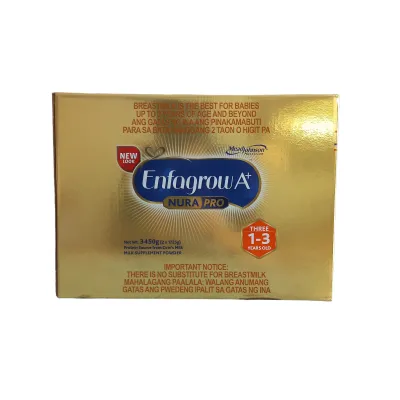
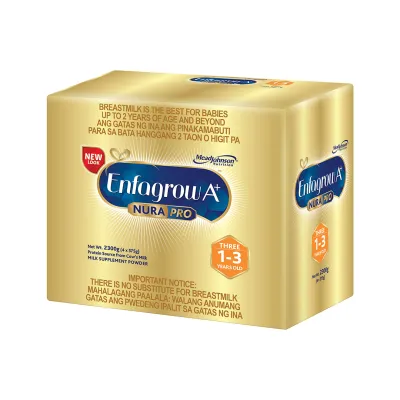
Prices are valid at publication and may change. Please refer to the product page for the latest price.
Understanding the Core Product Lines of Enfagrow, Nido, and NAN
To begin your comparison, it is essential to understand how each brand structures its product offerings for toddlers. Toddler formulas are generally categorized by stages or steps, which correspond to specific age ranges. Typically, Step 3 formulas are formulated for toddlers aged one to three years, while Step 4 formulas are designed for children aged three years and older. Recognizing these distinctions prevents you from accidentally purchasing a stage that does not match your child’s current developmental needs.
Enfagrow, which is frequently searched for and referred to by parents as Infagrow, focuses heavily on cognitive development and immune support. Their product line includes variants specifically tailored to provide key brain-building nutrients during the critical early years of rapid learning. When evaluating Infagrow options, you will find formulations that emphasize specific nutrient blends designed to support both mental and physical milestones.
Nido offers a highly popular range of fortified milk powders that are widely accessible across the Philippines. Their toddler line, such as Nido 3+, is formulated to support growth, immunity, and bone development with a focus on everyday nutrition. Nido is often favored by families looking for a reliable, widely distributed option that fits seamlessly into a busy household routine.
NAN, produced by Nestlé, takes a distinct approach by focusing on digestive health and optimized protein quality. Their toddler range often features specialized protein blends and active cultures designed to be gentle on developing tummies. This makes NAN a common recommendation for toddlers who may have experienced mild digestive sensitivities during their infant months.
Because manufacturers frequently update their packaging, ingredient sources, and product names, it is vital to check product labels for specific variant names to ensure age-appropriateness. What was available last year may have a slightly different name or formulation today. Always verify the current packaging on store shelves or official online brand stores to ensure you are getting the exact product intended for your toddler’s age group.
How to Compare Toddler Formula Labels Effectively
Evaluating toddler formulas requires looking past front-of-pack marketing claims and diving directly into the nutrition facts panel and ingredient list. This is the only way to truly understand what you are feeding your child. When comparing Infagrow, Nido, and NAN, your first point of analysis should be the macronutrients and caloric density. Check the label to see the ratio of proteins, fats, and carbohydrates per serving, as these provide the energy your active toddler needs for daily play and growth.

Next, pay close attention to the added micronutrients listed on the panel. Toddlerhood is a period of rapid brain growth, which is why ingredients like DHA (docosahexaenoic acid) and ARA (arachidonic acid) are highly sought after. Compare the exact milligrams of DHA per serving across the brands; for instance, Infagrow formulations often highlight their specific DHA levels as a core feature. Additionally, check the levels of iron, calcium, vitamin D, and vitamin C, which support blood health, bone density, and immune function.
Another critical step is examining the ingredient list for sugars and flavorings. Some toddler milks contain added sucrose, corn syrup solids, maltodextrin, or artificial flavors to make the milk more appealing to picky eaters. If you prefer to limit your child’s intake of added sugars, look for brands that rely primarily on lactose, the natural sugar found in milk. The ingredients are listed in descending order of weight, so if a sweetener appears near the top of the list, it represents a significant portion of the formula.
Finally, look at the source of the protein. Some formulas use intact cow’s milk protein, while others may use partially hydrolyzed proteins, which are broken down into smaller pieces for easier digestion. Understanding these label details allows you to make a factual comparison based on your child’s nutritional requirements rather than brand popularity.
Observing Digestive Tolerance and Allergy Signals
Even the most nutritionally complete formula is only beneficial if your child’s digestive system can tolerate it. Standard toddler formulas, including regular variants of Infagrow, Nido, and NAN, utilize a cow’s milk protein base. While the majority of toddlers digest cow’s milk without any issues, some children have sensitive digestive tracts or underlying sensitivities that can make certain formulations difficult to tolerate.
As a caregiver, you must closely observe your child’s physical reactions whenever you introduce a new formula. Signs of digestive intolerance or a potential milk protein allergy can manifest in several ways. Look out for persistent fussiness or crying after feeding, excessive gas, abdominal bloating, frequent spitting up, or vomiting. Changes in stool consistency, such as chronic diarrhea, mucus in the stool, or severe constipation, are also clear indicators that the formula may not be agreeing with your child’s system.
In some cases, a child may develop skin reactions, such as eczema, hives, or redness around the mouth, which can point to an allergic response. If you observe any of these signs, it is crucial to stop feeding the formula immediately. Continuing to feed a milk that causes discomfort can lead to poor nutrient absorption and unnecessary distress for your toddler.
Rather than switching from one standard brand to another in hopes of finding a quick fix, consult your pediatrician. A qualified professional can evaluate your child’s symptoms and determine if they require a specialized hypoallergenic, lactose-free, or soy-based formula. They can also guide you on how to safely manage your child’s diet if a cow’s milk protein allergy is diagnosed.
Evaluating Cost and Monthly Budget Impact
Feeding a toddler is a long-term commitment, and the cost of formula can significantly impact your household expenses. To make a practical comparison, you need a consistent framework that goes beyond the retail price of a single tin. Because prices fluctuate due to promotions, store locations, and inflation, comparing the cost per serving is the most accurate way to measure financial impact.
To calculate the cost per serving, look at the net weight of the tin—such as 800 grams, 1.2 kilograms, or 1.6 kilograms—and check the preparation instructions. Note the exact number of scoops required for a standard glass of milk and compare this to the total weight of the powder. By determining how many servings a single tin provides, you can divide the retail price by the number of servings to find the true cost of each feed.
Next, consider the standard tin sizes and bulk purchasing options available in your area. Purchasing larger tins or multi-packs from major supermarkets or official online stores often yields a lower cost per gram compared to buying smaller boxes. Additionally, keep an eye out for official brand discounts or loyalty programs on reputable ecommerce platforms, which can offer substantial savings over time.
Finally, factor in your toddler’s daily consumption. If your pediatrician recommends two servings of milk per day, multiply your calculated cost per serving by sixty to estimate your monthly expenditure in ₱. This realistic calculation helps you choose a formula that is financially sustainable for your family without compromising on your child’s essential nutritional needs.
Decision Framework: Which Formula Fits Your Child?
Choosing between these three prominent brands comes down to matching their specific characteristics with your child’s health profile and your family’s circumstances. There is no need to feel overwhelmed if you approach the decision systematically. By aligning each brand’s strengths with your child’s unique needs, the right choice becomes much clearer.
You might choose Infagrow if your primary goal is to support cognitive development with a formula that features a high concentration of DHA and other brain-building nutrients. This option is suitable if your child tolerates standard cow’s milk well and you are comfortable investing in a premium formulation designed to complement their daily learning activities.
On the other hand, Nido is an excellent choice if you are looking for a highly accessible, fortified milk that fits comfortably within a moderate family budget. It provides a solid foundation of essential vitamins and minerals, making it ideal for healthy, active toddlers who already consume a diverse diet of solid foods and do not require specialized digestive support.
NAN may be the most appropriate option if your child has a slightly sensitive stomach and your pediatrician recommends a formula with an optimized protein blend or specific active cultures to support gut comfort. The focus on easy digestion can help minimize mild gas or fussiness, making mealtime more comfortable for both you and your toddler.
However, keep in mind that none of these standard formulas may fit if your child exhibits clear signs of a cow’s milk protein allergy or severe lactose intolerance. In such cases, standard cow’s milk-based powders will continue to cause discomfort. Always verify first if your child has specific medical conditions, low weight gain, or requires a specialized prescription formula by consulting your pediatrician before making any major changes to their diet.
Frequently Asked Questions (FAQ)
Can I mix two different brands of toddler formula in one bottle?
Mixing two different brands of toddler formula, such as Infagrow and NAN, in a single bottle is not recommended. Each brand has a unique nutrient concentration and specific preparation instructions designed to ensure your child receives the correct balance of hydration and nutrients. Combining them can alter the osmotic pressure of the feed, potentially leading to digestive upset, constipation, or improper nutrient absorption. It is always safest to follow the exact preparation instructions on a single product’s label and consult your pediatrician if you plan to transition from one brand to another.
When should I transition my child from infant formula to toddler formula?
The transition from infant formula (Stage 1 or 2) to toddler formula (typically Step 3) generally occurs around your child’s first birthday, at twelve months of age. At this stage, a child’s nutritional needs change as they begin to consume more solid foods. Toddler formulas are specifically designed to complement a solid food diet rather than serve as the sole source of nutrition. Before making this transition, it is highly recommended to consult your pediatrician, especially if your child was born prematurely, has developmental delays, or has specific growth targets that require continued use of infant formula.
Is toddler formula necessary, or can my child just drink whole cow's milk?
Toddler formula is not strictly necessary for every child, but it offers distinct nutritional advantages depending on your child’s diet. Standard whole cow’s milk provides calcium, protein, and vitamin D, but it lacks the fortified iron, vitamin C, DHA, and other micronutrients commonly found in toddler formulas like Infagrow, Nido, or NAN. If your toddler is a picky eater who may not get enough iron or vitamins from solid foods, a fortified toddler milk can help fill those nutritional gaps. You should discuss your child’s overall dietary intake with your pediatrician to decide whether whole milk or a fortified toddler formula is the best fit for their growth.

Community discussion
Share your experience or ask a question. Comments are reviewed before publication.