
When your child reaches four years old, their nutritional landscape changes dramatically. They are no longer infants relying solely on milk for survival; instead, they are active preschoolers exploring a wide variety of solid foods. Choosing between prominent brands like Enfagrow, Nido, and NAN for a four-year-old involves understanding that milk now serves as a dietary supplement rather than the primary source of nutrition.
The right choice depends on your child’s daily solid food intake, digestive sensitivity, and your household budget. There is no single formula or powdered milk drink that is universally superior for every child. Instead, parents must learn to evaluate product labels, identify specific nutritional gaps, and select the option that aligns with their child’s unique developmental stage.
This guide provides a structured approach to comparing Enfagrow, Nido, and NAN. By focusing on observable label facts, ingredient lists, and practical preparation steps, you can make an informed decision without relying on marketing claims.
Products mentioned in this guide
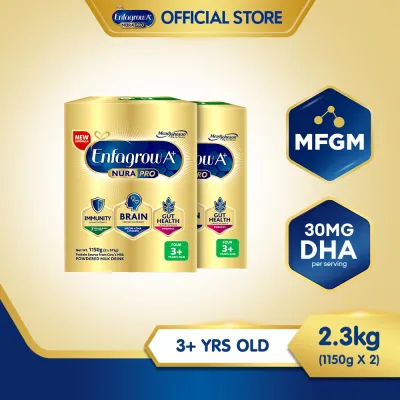
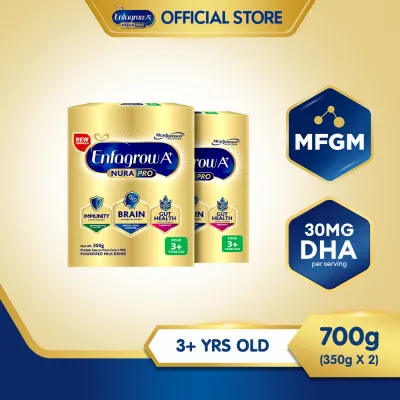
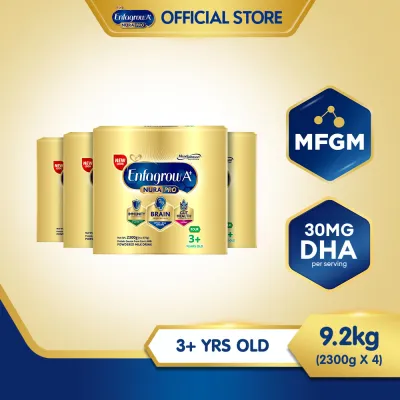
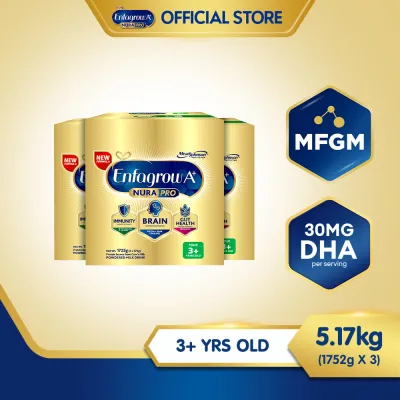
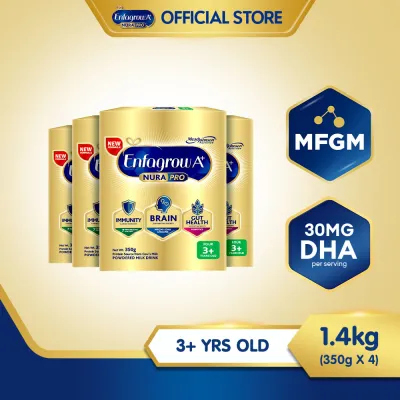
Prices are valid at publication and may change. Please refer to the product page for the latest price.
Understanding Your 4-Year-Old's Nutritional Baseline
At four years old, a child’s primary source of vitamins, minerals, and macronutrients should ideally come from a balanced diet of solid foods. Grains, vegetables, fruits, and proteins form the foundation of their daily intake. Milk at this stage acts as a supportive partner, helping to fill potential nutritional gaps rather than acting as the main meal.
When evaluating milk options, parents should prioritize specific key nutrients on the nutrition facts panel. Calcium and vitamin D are essential for supporting growing bones and teeth. Iron is crucial for cognitive development and preventing anemia, while high-quality protein supports muscle growth and overall cellular repair.
The decision to use a specialized growing-up milk versus regular pasteurized milk often depends on your child’s eating habits. If a child is an active, adventurous eater who consumes a diverse range of foods, standard pasteurized milk or a basic fortified milk drink may be entirely sufficient.
Conversely, if a child is going through a selective eating phase, recovering from an illness, or struggling to meet their daily nutrient requirements through solid foods alone, a specialized growing-up milk can offer peace of mind. These formulas are specifically fortified to provide concentrated doses of essential micronutrients that might be missing from a limited diet.
It is important to remember that excessive milk consumption can actually displace solid foods, leading to a cycle of picky eating. Pediatric guidelines generally suggest limiting milk intake to around two glasses a day for preschoolers to ensure they maintain a healthy appetite for nutrient-dense solid meals.
How to Read and Compare Formula Labels
Navigating the nutrition labels of Enfagrow, Nido, and NAN requires a systematic approach. The first step is to examine the macronutrient balance, specifically looking at the protein, fat, and carbohydrate content per serving. Pay close attention to the carbohydrate section to identify the sources of sweetness and energy.

Some products use naturally occurring lactose as their primary carbohydrate, while others may include added sugars such as sucrose, corn syrup solids, or maltodextrin to enhance flavor. Checking the ingredient list for these added sugars is vital, as high sugar intake in early childhood can influence taste preferences and dental health.
Next, compare the micronutrient fortification levels across the brands. Look at the percentage of the daily recommended energy and nutrient intake or daily value provided by a single serving. A brand that offers a higher percentage of iron or zinc per serving might be more suitable if those specific nutrients are lacking in your child’s daily meals.
Always calculate these percentages based on the actual serving size recommended on the packaging. Different brands use different scoop sizes and water ratios, meaning a direct comparison of “per 100g” might not accurately reflect what your child consumes in a single prepared glass.
Finally, look for specialized additions such as docosahexaenoic acid (DHA), arachidonic acid (ARA), prebiotics, and probiotics. These ingredients are often highlighted in marketing, but parents should verify their presence and position on the ingredient list. Prebiotics like fructooligosaccharides (FOS) and galactooligosaccharides (GOS), along with specific probiotic strains, are added to support gut health, and their inclusion varies significantly between brands.
Evaluating Enfagrow, Nido, and NAN: Key Label Checks
When looking at Enfagrow, particularly variants targeted at children aged three and above like Enfagrow Stage 4, the product line is often formulated with a focus on cognitive and developmental support. Parents should check the label for the specific levels of DHA and other fatty acids, as well as the presence of beta-glucan and other immune-support ingredients.
Nido offers a range of fortified powdered milk drinks, such as Nido 3+ or Nido 5+, which are widely accessible and designed to support overall growth and immunity in school-aged children. These products often emphasize a blend of vitamins A, C, and E, zinc, and selenium, alongside their signature probiotic strains. It is essential to check the specific Nido packaging to confirm whether it is a formulated growing-up milk or a fortified full-cream milk powder, as these have different nutritional profiles.
NAN, produced by Nestlé, often positions its stage-specific formulas, such as NAN Kid 4, around digestive comfort and optimized protein quality. When checking a NAN label, look for the specific probiotic strains, such as Bifidobacterium lactis, and the protein source, which may be partially hydrolyzed to assist with easier digestion.
Digestive tolerance is a critical factor when choosing among these three brands. If your child has a history of mild digestive discomfort, gas, or loose stools, look closely at the protein and prebiotic sources on each label. Some children tolerate the protein structure of one brand much better than another, which is often a matter of individual digestive maturity.
Sensory properties, including flavor and solubility, also play a major role in daily acceptance. Some formulas have a distinct, rich taste due to specific fat blends or added vanilla flavors, while others taste more like standard fresh milk. Additionally, check how easily the powder dissolves in warm or room-temperature water, as clumping can affect both the taste experience and the accuracy of the nutrient delivery.
Managing Cost, Availability, and Daily Practicality
The financial commitment of feeding a preschooler milk daily is a significant consideration for many households. To find the true cost of each brand, do not simply compare the retail price of the tins or boxes. Instead, calculate the cost per serving by dividing the total price of the package by the number of servings it yields according to the manufacturer’s preparation instructions.
For example, if a ₱900 tin provides 25 servings, the cost per serving is ₱36. Comparing this figure across Enfagrow, Nido, and NAN will give you a realistic picture of your weekly and monthly expenses. Often, standard fortified powdered milks offer a lower cost per serving compared to highly specialized stage-specific formulas.
Packaging formats also affect daily practicality and freshness, especially in tropical climates with high humidity. Large tins are excellent for home use but must be sealed tightly to prevent moisture from spoiling the powder. Smaller boxes or single-serve sachets are highly convenient for travel or school bags, though they often carry a higher cost per gram.
Availability is another crucial factor to evaluate before making a final decision. A formula is only beneficial if you can consistently purchase it without disrupting your child’s feeding routine. Check the shelves of your local supermarkets, neighborhood pharmacies, and official online flagship stores to ensure the specific variant you choose is regularly in stock.
Relying on a highly specialized or imported variant that is frequently out of stock can lead to sudden, forced brand switches. These abrupt changes can cause digestive upset or milk refusal, so choosing a brand with a stable, local supply chain is always the practical choice.
Decision Framework: Choosing the Right Brand for Your Child
To finalize your choice, use a structured decision framework based on your child’s specific dietary needs, physical tolerance, and your household’s daily realities.
Choose Enfagrow if you are looking for a stage-specific formulated profile with a strong emphasis on targeted nutrient blends, particularly DHA and immune-support ingredients. Verify that the packaging explicitly states Stage 4 or is designated for children aged three to five years, and check that the sugar content aligns with your dietary preferences for your child.
Choose Nido if you prefer a widely available, family-friendly fortified powdered milk drink that focuses on overall growth, bone development, and immune support through essential vitamins and minerals. This option is often highly cost-effective and well-suited for children who already eat a relatively balanced solid diet but need a reliable daily nutritional safety net.
Choose NAN if your primary concern is digestive comfort, gentle protein absorption, or specific probiotic integration. Verify the ingredient list to ensure it contains the active probiotic cultures and optimized protein blends designed for sensitive tummies, and confirm that your child enjoys the milder, less sweet flavor profile typical of this line.
Verify first if your child has any known food allergies, severe lactose intolerance, or specific medical dietary restrictions. If your child exhibits symptoms like vomiting, skin rashes, chronic diarrhea, or extreme fussiness after drinking milk, stop using the product immediately and consult a pediatrician or qualified healthcare professional before introducing any new formula or milk drink.
Frequently Asked Questions (FAQ)
Can I mix Enfagrow, Nido, or NAN with regular fresh milk?
Mixing formula powder directly with fresh milk instead of water is generally not recommended unless specifically advised by a pediatrician. Doing so alters the carefully balanced concentration of nutrients, which can strain a child’s developing kidneys and digestive system. If you wish to transition your child from formula to fresh milk, it is safer to prepare the formula with water according to the manufacturer’s instructions, and then mix the liquid formula with liquid fresh milk in a single cup, gradually increasing the proportion of fresh milk over time.
Is it safe to switch between these brands if my child refuses one?
It is generally safe to switch brands if your child dislikes the taste or experiences mild digestive issues, but the transition should be gradual. Abruptly changing from one brand to another can upset a preschooler’s digestive tract, leading to temporary changes in bowel habits or gas. To transition smoothly, introduce the new milk slowly by mixing a small amount of the prepared new milk with the old milk, gradually increasing the ratio over several days while closely monitoring your child for any signs of digestive discomfort or allergic reactions.

Community discussion
Share your experience or ask a question. Comments are reviewed before publication.