
Choosing the right milk formula for your growing child can feel like navigating a complex maze of numbers, labels, and nutritional claims. As your little one transitions from infancy to toddlerhood, their dietary requirements shift dramatically, requiring a parallel change in their primary milk source. Enfagrow offers a staged system designed to support these developmental leaps, but understanding when and how to transition between Stage 1, Stage 2, and Stage 3 is essential for supporting your child’s digestive health and overall growth.
The fundamental difference between these stages lies in how each formulation is tailored to complement a child’s changing reliance on solid foods. While early stages serve as a primary source of liquid nutrition, later stages are formulated to fill the nutritional gaps left by a toddler’s increasingly varied, yet sometimes picky, diet. By learning how to read the labels, recognize developmental milestones, and execute a gradual transition, you can ensure your child receives the appropriate balance of nutrients at every step of their early years.
Understanding the Core Differences Between Enfagrow Stages
Formula stages are not arbitrary marketing categories; they are carefully calibrated systems designed to align with a child’s maturing digestive capacity and changing metabolic demands. In the early months of life, an infant’s digestive tract is highly sensitive and optimized for processing easily digestible liquids. As the child grows, their stomach capacity increases, their enzyme production matures, and they begin to explore solid foods, which alters their overall nutrient intake.
Products mentioned in this guide




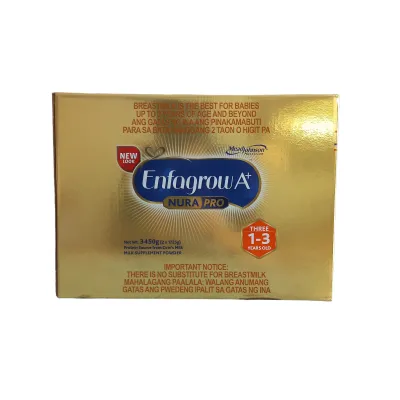


Prices are valid at publication and may change. Please refer to the product page for the latest price.
The primary differences among Enfagrow Stage 1, Stage 2, and Stage 3 center on target age ranges, caloric density, and the specific ratios of micronutrients. Early-stage formulas are designed to be highly nutrient-dense because they often serve as the sole source of nourishment for infants. In contrast, toddler stages are formulated with the assumption that the child is also consuming family meals, meaning the milk acts as a nutritional safety net rather than the entire diet.
Because formulation standards and product lines can vary by region and may be updated by the manufacturer, parents must always verify the exact age recommendations printed on the packaging. What is designated as Stage 1 in one region might have a slightly different age bracket or formulation profile in another. Checking the physical label on the tin before purchase ensures you are aligned with the manufacturer’s most current guidelines for your specific location.
Age and Developmental Milestones: Which Stage Fits Your Child?
To determine which stage is appropriate, parents should first look at the age brackets indicated on the product packaging. Generally, Stage 1 formulas are designed for infants from birth up to six months, serving as a complete breastmilk substitute when breastfeeding is not possible. Stage 2 formulas typically cater to older infants from six to twelve months, a period characterized by the introduction of complementary solid foods. Stage 3 is generally formulated for toddlers aged one to three years, supporting them through rapid physical growth and active play.

However, chronological age is only one part of the equation; developmental milestones offer critical clues about your child’s readiness for a stage transition. For instance, a child transitioning to Stage 2 is usually showing a keen interest in solid foods, has developed the ability to sit with support, and is beginning to master the swallow reflex for purees. When moving toward Stage 3, toddlers are typically walking, speaking their first words, and consuming a wider variety of table foods, which increases their physical energy demands.
It is vital to remember that every child develops at their own unique pace, and standard age brackets on a tin are general guidelines rather than strict rules. If your child was born prematurely, has experienced growth delays, or has specific digestive sensitivities, their developmental timeline may not align perfectly with the label. In these cases, a pediatrician’s assessment is indispensable to guide any deviations from the standard staging, ensuring your child’s specific physiological needs are met safely.
Comparing Nutritional Focus and Formulation
As you compare the nutrition facts panels across the different stages, you will notice distinct shifts in the balance of macronutrients. Proteins, fats, and carbohydrates are adjusted to reflect the child’s changing diet. For example, while early-stage formulas rely on highly refined fat and protein blends to mimic the easily absorbable nature of breastmilk, toddler formulas may utilize different protein structures and carbohydrate sources to match a more robust digestive system.
When examining the labels, pay close attention to the specific micronutrient adjustments, particularly iron, calcium, and docosahexaenoic acid (DHA). Iron needs change significantly as an infant’s natural iron stores begin to deplete around six months of age, making the iron content in Stage 2 and Stage 3 highly relevant. Calcium levels are also typically adjusted in toddler formulas to support rapid bone and tooth development during active growth phases. Parents should directly compare the milligram values printed on the nutrition panels of each stage to understand these precise shifts.
Flavor profiles and sensory characteristics also evolve across the stages to suit older palates. Toddler formulas may feature subtle flavor differences or varied sweetness levels compared to infant formulas, which are designed to be highly neutral. Additionally, some stages may incorporate specific dietary fibers or prebiotics to support a maturing gut microbiome. Understanding these formulation nuances helps you select a product that not only meets your child’s nutritional needs but is also well-tolerated by their developing palate.
How to Transition Between Enfagrow Stages Safely
Transitioning your child to a new formula stage should never be an overnight switch, as sudden changes can shock a sensitive digestive system. A gradual transition method is highly recommended to allow your child’s gut enzymes and taste buds to adapt. This is typically achieved by slowly introducing the new stage powder mixed with the current stage powder over a period of several days, gradually increasing the proportion of the new stage until the transition is complete.
During this transition period, close observation of your child’s physical response is essential. It is common to observe mild, temporary changes in stool consistency or frequency as their digestive tract adjusts to the new nutrient ratios. However, these minor adjustments should resolve within a few days. If you notice persistent red flags—such as vomiting, excessive gas, skin rashes, prolonged diarrhea, or signs of abdominal pain—you should stop the transition immediately and consult your pediatrician.
Maintaining strict hygiene and preparation standards is critical during any formula transition, especially in warm, humid environments like the Philippines. High humidity can cause formula powder to clump or spoil quickly if moisture enters the tin, so always store the container in a cool, dry place and ensure your hands and utensils are thoroughly sanitized. Additionally, always read the preparation instructions on the new tin carefully; scoop sizes and water-to-powder dilution ratios often change between stages, and using the wrong measurements can lead to accidental dehydration or nutritional imbalances.
Decision Framework: Choosing and Verifying the Right Stage
To simplify your decision-making process, you can utilize a structured, conditional framework based on your child’s current status and health profile. First, choose the specific stage if your child falls squarely within the manufacturer’s labeled age range and is meeting standard developmental milestones for that bracket. This baseline rule works well for most healthy, typically developing children who are transitioning naturally alongside their solid food introduction.
Second, verify first if your child has any known food allergies, lactose sensitivity, or specific medical conditions before purchasing or switching stages. A history of colic, eczema, or digestive distress requires extra caution, as even minor formulation changes between stages can trigger a reaction. In these scenarios, you must consult your pediatrician to determine if a specialized, hypoallergenic, lactose-free, or soy-based formula is necessary, rather than moving to the next standard stage.
Finally, always perform a physical quality check before preparing any feed. Inspect the tin for any signs of damage, rust, or dents, and verify that the foil seal under the plastic lid is completely intact. In tropical climates, a compromised seal can expose the powder to moisture and airborne contaminants, rendering it unsafe. Always check the expiration date printed on the bottom of the tin to ensure the product is fresh and safe for your child’s consumption. When purchasing, compare prices across authorized local supermarkets or official online marketplaces, noting that prices in Philippine Pesos (₱) may vary depending on the tin size and promotional bundles.
Frequently Asked Questions (FAQ)
Can I mix Enfagrow Stage 1 and Stage 2 in the same bottle during transition?
Yes, mixing different stages of the same brand is a common and effective way to ease the transition, provided you follow precise preparation guidelines. You must calculate and prepare the water volume first, then add the correct proportion of scoops for each stage according to their respective instructions. Because scoop sizes and dilution requirements can differ between Stage 1 and Stage 2, never guess the measurements; always use the specific scoop provided inside each respective tin to avoid making the feed too concentrated or too diluted.
What should I do if my toddler refuses the taste of the new Enfagrow stage?
If your toddler rejects the taste of a higher stage, start by slowing down the transition process. You can revert to a higher ratio of the previous, familiar stage and slowly increase the new stage by very small increments over a week or two. Ensure you are preparing the formula with water at the temperature recommended on the label, as temperature can significantly affect how flavor and sweetness are perceived. If the refusal persists and leads to a significant drop in your child’s daily fluid or nutrient intake, consult your pediatrician for guidance.
Is it harmful if my child drinks a lower stage than their current age?
Drinking a lower stage is generally not harmful from a safety or toxicity standpoint, but it may not be nutritionally optimal for an older child. Infant formulas (Stage 1) are designed for sedentary babies, whereas toddler formulas (Stage 3) are formulated to support highly active children who require different balances of calcium, iron, and other micronutrients. If your older child continues to consume a lower stage for an extended period, they may miss out on the tailored nutrient levels designed for their age group, so it is best to discuss a proper transition plan with your healthcare provider.

Community discussion
Share your experience or ask a question. Comments are reviewed before publication.