
Choosing the right toddler formula can feel overwhelming with so many options on supermarket shelves. There is no single “best” toddler formula; the right choice depends entirely on your child’s specific nutritional gaps, digestive tolerance, and your family’s budget. While Enfagrow NuraPro 3 Plus often highlights targeted brain and immune support, Nido is widely recognized for general growth and taste appeal, and NAN frequently emphasizes digestive comfort and gut health. Because formulations, packaging sizes, and regional availability change, this guide will help you read the labels, evaluate the true cost per serving, and apply a conditional decision framework to choose the safest and most suitable option for your toddler. Always verify specific nutrient claims and allergen warnings directly on the product packaging before purchasing.
Comparing Nutritional Profiles and Key Benefits
To make an informed decision, you must first understand how to navigate the nutrition facts panel on each tin. Manufacturers design toddler formulas—often labeled for children aged 1 to 3 years—to complement a solid food diet rather than replace it. When comparing Enfagrow NuraPro 3 Plus, Nido, and NAN, you will notice distinct differences in their marketed nutritional highlights.
Enfagrow NuraPro 3 Plus is recognized for its focus on cognitive development and immune support. On its label, you will find mentions of Docosahexaenoic Acid (DHA), Arachidonic Acid (ARA), and Milk Fat Globule Membrane (MFGM). DHA and ARA are fatty acids that play roles in brain structure and visual development. MFGM is a complex structure of proteins and lipids that surrounds fat droplets in milk, which supports cognitive function and immune defense. When evaluating this formula, check the nutrition panel to see the exact milligrams of DHA per serving to ensure it aligns with your developmental goals.
Products mentioned in this guide
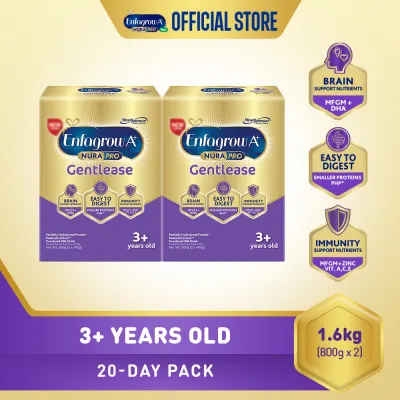
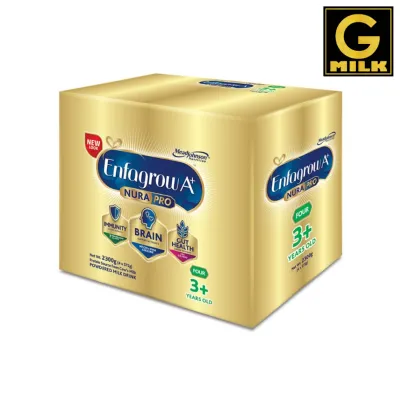
Prices are valid at publication and may change. Please refer to the product page for the latest price.
In contrast, Nido formulations generally prioritize overall physical growth, bone development, and everyday vitality. The ingredient list and nutrition panel for Nido products often emphasize high levels of Calcium, Vitamin D, Zinc, and essential proteins. Calcium and Vitamin D work synergistically to support bone mineralization and skeletal growth during active toddlerhood. Zinc is crucial for cellular growth and immune function. If your toddler is an active explorer who consumes a balanced diet but needs a reliable source of daily micronutrients to support physical growth spurts, checking the daily value percentages of these minerals on a Nido tin is a practical starting point.
NAN formulas typically center their nutritional strategy on digestive comfort and gut-based immunity. The standout features on a NAN label usually include specific probiotic strains, such as Lactobacillus reuteri or Bifidobacterium lactis, alongside prebiotic fibers like Galacto-oligosaccharides (GOS) and Fructo-oligosaccharides (FOS). Probiotics introduce beneficial bacteria to the gut, while prebiotics serve as food for these microbes, promoting a balanced microbiome.
When comparing these three brands, always look at the “per 100g” and “per serving” columns on the nutrition facts panel. Ensure you are comparing products designed for the exact same age stage, as nutritional requirements shift significantly between the 1–3 years stage and the 3+ years stage.
Digestive Tolerance and Dietary Restrictions
A formula can have an impressive nutritional profile, but it will not benefit your child if their digestive system cannot tolerate it. Toddlers have developing digestive tracts that can react differently to varying protein structures, carbohydrate sources, and fat blends. Understanding how to read the ingredient list for potential digestive triggers is essential for preventing tummy discomfort.

One key factor to analyze is the protein source and the whey-to-casein ratio. Whey protein is liquid and generally easier to digest, while casein forms a firmer curd in the stomach, which takes longer to break down. Some premium formulas, particularly in the NAN range, utilize partially hydrolyzed whey proteins, where the proteins are already broken down into smaller pieces to ease digestion. Standard formulas may use a higher ratio of intact casein proteins, which is perfectly fine for toddlers with robust digestive systems but might cause mild discomfort in sensitive stomachs.
Another critical ingredient to inspect is the type of carbohydrate or sugar used in the formulation. Lactose is the natural sugar found in breast milk and cow’s milk, supporting calcium absorption and healthy gut bacteria. However, some toddler formulas substitute a portion of lactose with sucrose (table sugar), corn syrup solids, glucose syrup, or maltodextrin to alter the taste profile or reduce production costs. While these alternative sugars provide quick energy, they can make the formula taste significantly sweeter, potentially influencing your child’s preference for sweet foods. Checking the ingredient list for these added sugars can help you manage your child’s sugar intake and dental health.
When introducing any new formula, monitor your toddler closely for observable signs of digestive intolerance. These signs may include abdominal bloating, excessive or painful gas, frequent spitting up, sudden changes in stool consistency (such as watery diarrhea or hard, painful stools), or unexplained irritability after feeding.
If your child develops severe symptoms such as persistent vomiting, blood or mucus in their stool, a widespread skin rash or hives, or poor weight gain, you must stop using the formula immediately. These symptoms can indicate a cow’s milk protein allergy or a severe intolerance. In such cases, consult a pediatrician right away to obtain a professional diagnosis and a prescription for a specialized hypoallergenic or amino acid-based formula.
Evaluating Price and Serving Value
The upfront retail price of a formula tin can be highly misleading. To understand the true financial impact on your household budget, you must calculate the cost per serving rather than simply comparing the price of the tins on the shelf. This calculation requires looking closely at the preparation instructions printed on the back of the packaging.
To determine the true cost per serving, start by identifying the total net weight of the tin, which commonly ranges from 400 grams to 900 grams, 1.2 kilograms, or even larger bulk sizes. Next, find the weight of a single scoop of powder, which is always listed in grams in the preparation guide. Divide the total weight of the tin by the weight of one scoop to find the total number of scoops per tin. Then, check how many scoops are required for a single standard serving (usually mixed with 180ml to 210ml of water). By dividing the total scoops per tin by the scoops required per serving, you will find the exact number of servings one tin provides. Finally, divide the retail price of the tin in ₱ by the number of servings to get your true cost per serving.
For example, a larger tin size often offers a lower cost per gram compared to a smaller trial-size tin. However, bulk tins must be consumed within a specific timeframe once opened—typically four weeks—to prevent spoilage from tropical humidity. If your toddler only drinks one cup of formula a day alongside solid meals, a massive tin might spoil before you can finish it, resulting in wasted money.
Additionally, factor in the manufacturer’s recommended daily intake. If one brand recommends three servings a day to meet nutritional targets while another recommends two, your monthly consumption rate will vary significantly. Always purchase your chosen formula from official brand stores or authorized retailers on e-commerce platforms to ensure product authenticity. Counterfeit formulas pose severe health risks, so avoiding suspiciously cheap, unverified listings is a vital safety measure.
Decision Framework: Which Formula Should You Choose?
To simplify your final decision, you can use a conditional framework that matches your child’s physical needs, digestive habits, and your family’s lifestyle. No single formula is universally superior, but one will align best with your specific circumstances.
You should choose Enfagrow NuraPro 3 Plus if your primary goal is to provide a premium blend of cognitive and immune-supporting nutrients like DHA and MFGM, your toddler has a strong digestive system with no history of milk sensitivity, and your household budget comfortably accommodates a higher price point per serving. This option is ideal for parents who want to focus heavily on early brain development markers during these critical formative years.
You should choose Nido if you are looking for a highly accessible, budget-friendly formula that focuses on robust physical growth, bone strength, and general micronutrient coverage. Nido is an excellent choice if your toddler is already eating a wide variety of solid foods, prefers a slightly sweeter taste profile, and you want a reliable, widely distributed option that you can easily find in local supermarkets across the Philippines.
You should choose NAN if your toddler has a sensitive stomach, is prone to mild constipation, bloating, or gas, and you want to prioritize gut health with specialized probiotics and prebiotics. NAN is particularly suitable if you prefer a formulation that emphasizes digestive comfort and gentle protein structures to ease the transition from breast milk or infant formula.
Before making any purchase, always verify if your child has any diagnosed food allergies or underlying medical conditions. If your toddler has a confirmed cow’s milk protein allergy, none of these standard formulas are safe. They will require a specialized, medically supervised hypoallergenic formula. Always consult your pediatrician before switching formulas, especially if your child has a history of digestive distress or growth concerns.
Frequently Asked Questions (FAQ)
How do I safely transition my toddler to a new formula?
To safely transition your toddler to a new formula, use a gradual mixing method over a period of 5 to 7 days to allow their digestive system to adapt. On days 1 and 2, mix 75% of the current formula with 25% of the new formula in the same bottle. On days 3 and 4, adjust the ratio to a 50/50 mix. On days 5 and 6, prepare the bottle with 25% of the current formula and 75% of the new formula. By day 7, you can transition completely to 100% of the new formula. During this transition, monitor your child for signs of digestive distress, such as loose stools, vomiting, or unusual fussiness. If these signs occur, pause the transition, revert to the previous formula, and consult your pediatrician.
Can I mix different brands of toddler formula together?
Mixing different brands of toddler formula powder in the same bottle on a long-term basis is generally discouraged. Each brand has a unique scoop size, powder density, and specific reconstitution instructions designed to achieve a precise balance of nutrients and water. Mixing them arbitrarily can alter the nutrient density and osmolarity of the feed, which can strain your toddler’s developing kidneys or lead to dehydration or constipation. If you must transition between brands, use the gradual ratio method described above, ensuring you measure each powder accurately with its respective scoop before mixing them with the correct total volume of water. For specialized feeding plans or medical concerns, always seek professional advice from a pediatrician.

Community discussion
Share your experience or ask a question. Comments are reviewed before publication.