
Finding the right toddler formula for a sensitive stomach is a highly individualized process, as no single brand is a universal solution for every child. For toddlers experiencing digestive discomfort, the choice between Enfagrow Gentlease 1 to 3, Nido, and NAN depends on the underlying cause of their symptoms. Enfagrow Gentlease is specifically designed with partially hydrolyzed proteins and reduced lactose to address mild digestive sensitivities, whereas standard Nido and NAN variants typically feature intact proteins and standard lactose levels, often focusing instead on general nutrition or probiotic support for overall gut health. To make an informed decision, parents must understand their toddler’s specific digestive needs, learn how to interpret product labels, and work closely with a pediatrician to identify the root cause of any discomfort.
Understanding Your Toddler's Digestive Needs
A toddler’s digestive system is still developing, which makes them naturally more susceptible to occasional tummy upset as they transition to solid foods and different milk sources. When a child experiences discomfort, it is crucial to distinguish between different types of sensitivities to avoid unnecessary dietary restrictions.
Milk protein sensitivity involves difficulty breaking down intact cow’s milk proteins, specifically whey and casein. This can cause mild inflammation or digestive strain, leading to fussiness and discomfort. In contrast, lactose sensitivity is the inability to easily digest lactose, the primary sugar found in milk, due to temporary or low levels of the lactase enzyme in the gut.
Products mentioned in this guide



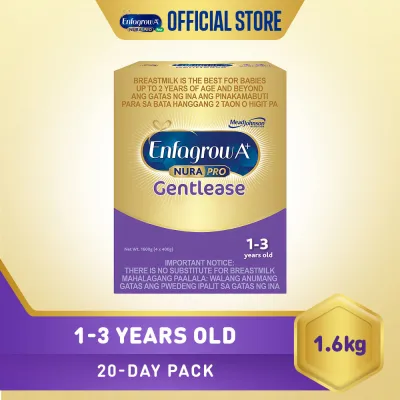
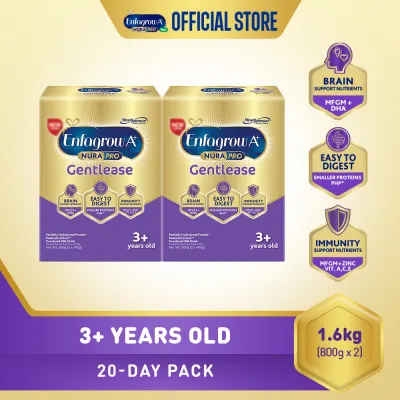


Prices are valid at publication and may change. Please refer to the product page for the latest price.
General tummy upset is often less specific and can be triggered by rapid dietary changes, the introduction of new solid foods, or minor imbalances in gut flora. This type of discomfort is usually temporary and does not necessarily indicate an underlying sensitivity to milk proteins or lactose.
Parents can look for several observable signs of digestive discomfort in their toddlers. These include excessive fussiness or crying after feeding, frequent passing of gas, abdominal bloating, and changes in stool consistency, such as occasional loose stools or mild constipation.
It is critical to consult a pediatrician for a proper diagnosis before switching formulas or restricting your child’s diet. Repeatedly changing formulas without professional guidance can worsen digestive issues, and persistent symptoms could indicate a more serious condition like Cow’s Milk Protein Allergy (CMPA), which requires specialized medical formulas rather than standard or partially hydrolyzed options.
Comparing the Formulas: Key Features for Sensitive Stomachs
Each formula brand approaches digestive comfort differently, utilizing distinct protein structures, carbohydrate sources, and supplementary ingredients to support a toddler’s growth.

Enfagrow Gentlease (1 to 3) is specifically positioned for toddlers with sensitive tummies. Its primary feature is the use of partially hydrolyzed proteins, which means the cow’s milk proteins have been broken down into smaller, easier-to-digest pieces to reduce the digestive workload. Additionally, it is formulated with a lower lactose content compared to standard routine formulas, helping to ease gas and fussiness associated with mild lactose sensitivity.
Nido toddler variants are widely known for providing robust, everyday nutritional support for growing children. Most standard Nido variants contain intact cow’s milk proteins and standard lactose levels, making them suitable for toddlers with healthy, fully functioning digestive systems. While some specialized regional variants may include added dietary fibers or prebiotics to support regular bowel movements, standard Nido is not primarily designed for toddlers with active protein or lactose sensitivities.
NAN toddler variants often emphasize gut health through the inclusion of specific probiotics, such as Lactobacillus reuteri or other beneficial bacterial strains. These probiotics are intended to support a balanced gut microbiome and promote natural digestion. However, unless a specific sensitive or hypoallergenic variant is selected, standard NAN formulas still contain intact proteins and regular lactose levels, meaning they are best suited for general digestive maintenance rather than managing acute sensitivities.
Because product formulations can vary significantly by country and specific product line, parents should not rely solely on brand names. It is essential to inspect the physical packaging in local stores or authorized online marketplaces to verify the exact ingredients and specific claims, such as “partially hydrolyzed” or “low lactose.”
How to Read the Labels and Verify Suitability
Reading the ingredient list is the most reliable way to confirm whether a formula matches a toddler’s dietary requirements. Parents should look past marketing claims on the front of the tin and examine the detailed nutritional panel.
Identify key protein terms on the label. Look for “partially hydrolyzed whey protein” or “hydrolyzed cow’s milk protein” in the ingredient list. If the first protein ingredient listed is “skimmed milk powder” or “whole milk powder,” the formula contains intact proteins, which may be harder for a sensitive stomach to process.
Examine the carbohydrate sources. For toddlers with suspected lactose sensitivity, check if the label specifies “reduced lactose,” “low lactose,” or alternative carbohydrate sources like corn syrup solids or maltodextrin. This indicates that a portion of the standard milk sugar has been replaced to ease digestion.
Check for gut-supportive additives. Look for specific probiotic strains or prebiotic fibers listed in the ingredients, which help nourish beneficial gut bacteria and support regular bowel movements.
Verify age-appropriate labeling to ensure the product is designed for toddlers aged 1 to 3 years. Toddler formulas are specifically balanced to complement a solid food diet, and using infant formulas or adult milk can lead to nutritional imbalances.
Look for allergen warnings and cross-contamination statements if your child has a history of severe allergic reactions. This step is vital for ensuring the formula is safe for your toddler’s specific health profile.
Decision Framework: Which Formula Fits Your Child?
To simplify the selection process, parents can use a conditional framework based on their toddler’s observed symptoms and the specific recommendations of their pediatrician.
Choose Enfagrow Gentlease if your toddler experiences frequent gas, mild bloating, or fussiness after drinking standard milk, and your pediatrician suspects a mild sensitivity to intact cow’s milk proteins or standard lactose levels. The partially hydrolyzed proteins and reduced lactose in Enfagrow Gentlease 1 to 3 are designed to ease this specific type of digestive workload.
Choose a specific NAN variant if your toddler has a generally healthy digestive system but experiences occasional minor irregularities, and you want to support their gut flora. NAN variants containing active probiotics are ideal for promoting long-term digestive health, provided the child comfortably tolerates intact proteins and standard lactose.
Choose a specific Nido variant if your toddler does not exhibit signs of protein or lactose sensitivity and requires a reliable, cost-effective source of daily nutrition and micronutrients. Nido is highly suitable for toddlers with robust digestion who benefit from standard intact proteins and general nutritional fortification.
Neither may fit if your toddler has been diagnosed with Cow’s Milk Protein Allergy (CMPA). In such cases, even partially hydrolyzed formulas like Enfagrow Gentlease can trigger allergic reactions. These children require extensively hydrolyzed formulas or amino acid-based formulas, which must be prescribed and monitored strictly by a pediatrician.
Transitioning and Monitoring Your Toddler's Response
Switching formulas abruptly can shock a toddler’s sensitive digestive tract, potentially worsening symptoms or causing temporary refusal to drink. A gradual transition allows the child’s digestive enzymes and taste buds to adapt smoothly.
Implement a systematic transition plan over several days. Start by mixing a small portion of the new formula with the old formula (for example, a 1:3 ratio of new to old) for the first two days, then move to a 1:1 ratio for the next two days, and a 3:1 ratio for another two days before transitioning completely to the new formula.
Monitor your toddler’s physical response closely during and after the transition. Positive signs of successful adjustment include regular, soft bowel movements, a noticeable reduction in crying or fussiness after feedings, less abdominal bloating, and consistent weight gain.
Establish clear “stop and consult” boundaries. If your toddler exhibits severe symptoms such as persistent vomiting, new skin rashes or hives, blood or mucus in the stool, or worsening abdominal pain, stop using the new formula immediately and seek professional medical care.
Frequently Asked Questions (FAQ)
Can I mix Enfagrow Gentlease with Nido or NAN?
Mixing different formula brands or types in the same bottle is generally discouraged unless explicitly directed by a pediatrician. Each formula is scientifically calibrated with a specific balance of proteins, fats, carbohydrates, and minerals, as well as a precise osmolality. Combining them arbitrarily can alter this delicate balance, potentially overloading your toddler’s kidneys, causing dehydration, or triggering digestive upset due to conflicting protein structures. If you are transitioning between formulas, follow a gradual transition schedule using separate bottles or a carefully measured, medically approved mixing ratio.
How long does it take for a toddler to adjust to a new sensitive formula?
It typically takes anywhere from seven to fourteen days for a toddler’s digestive system to fully adjust to a new formula. During the first few days of the transition, you may notice minor changes in stool color, consistency, or frequency, which are often normal signs of adaptation. However, if these symptoms do not stabilize or if your child’s digestive discomfort worsens after two weeks, you should consult your pediatrician to re-evaluate the formula choice and ensure there are no underlying medical issues.

Community discussion
Share your experience or ask a question. Comments are reviewed before publication.