
As children reach their first birthday, their nutritional requirements undergo a significant shift. During this rapid developmental phase, solid foods become the primary source of nutrients, while milk transitions from a main source of nourishment to a supportive supplement. In the Philippines, navigating the crowded milk aisle can feel overwhelming for parents trying to find the perfect balance of digestive comfort, physical growth support, and cognitive development. Among the popular options on the market, enfamil cs biome 1 to 3 (frequently referred to as Enfagrow Biome), Nido, and NAN stand out as prominent choices, each offering distinct formulations designed for toddlers aged 1 to 3.
Selecting the right milk supplement requires a careful look at your child’s specific digestive habits, dietary intake, and overall growth milestones. While one toddler may thrive on a formula designed to support a sensitive stomach, another may benefit more from a blend focused on bone mineralization and physical energy. Understanding the unique nutritional profiles and targeted benefits of these three brands will empower you to make an informed decision that aligns with your toddler’s daily needs and your family’s budget.
Quick Answer: Which Toddler Formula Fits Your Child's Needs?
Every child is unique, and there is no single formula that serves as a universal solution for every toddler. The ideal choice depends entirely on your child’s current digestive health, dietary gaps, and physical development. To help you narrow down your options quickly, consider this conditional decision framework based on the primary nutritional focus of each brand:
Products mentioned in this guide
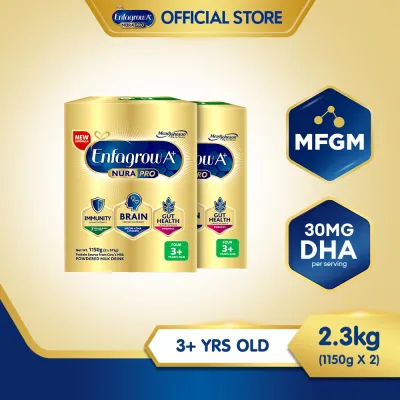
Prices are valid at publication and may change. Please refer to the product page for the latest price.
- Choose Enfagrow Biome (Enfamil CS Biome 1 to 3) if: Your primary goal is to support your toddler's gut microbiome, digestive comfort, and immune defenses. This option is highly suitable for toddlers who experience occasional digestive irregularities or those whose parents want to focus heavily on gut-associated immunity.
- Choose Nido if: You are looking for a reliable, widely accessible option focused on robust physical growth, bone development, and active energy. This is often the go-to choice for toddlers who are already eating a wide variety of solid foods but need a dependable source of calcium, vitamin D, and essential macronutrients to support their physical milestones.
- Choose NAN if: Your toddler has a sensitive digestive system and requires a gentle, easy-to-digest formula. NAN is specifically formulated with optimized protein blends and specialized probiotic strains designed to minimize feeding tolerance issues while supporting cognitive development.
Before making any changes to your child’s diet or switching between formula brands, it is essential to consult your pediatrician. This is especially critical if your toddler has known food allergies, lactose sensitivity, or any underlying medical conditions. A healthcare professional can provide personalized guidance tailored to your child’s specific growth chart and medical history.
Nutritional Profiles: Enfagrow Biome (Enfamil CS Biome 1 to 3) vs Nido vs NAN
To understand how these toddler formulas compare, we must look closely at their core formulations, macronutrients, and key added ingredients. Each brand approaches toddler nutrition from a slightly different angle, prioritizing specific developmental areas through their ingredient selections.

Enfagrow Biome (Enfamil CS Biome 1 to 3)
Enfagrow Biome, which is part of the enfamil cs biome 1 to 3 product line, is specifically engineered with a strong emphasis on gut health and immune system support. The formulation recognizes that a significant portion of a child’s immune system resides in the gut. To support this, it incorporates a specialized blend of prebiotics and probiotics designed to nourish beneficial gut bacteria.
In addition to its focus on the gut microbiome, this formula contains docosahexaenoic acid (DHA), an essential omega-3 fatty acid that serves as a structural building block for brain and eye development. Parents should carefully examine the physical product label to verify the exact probiotic strains and daily value percentages included in the current batch, as manufacturers occasionally update their formulations to reflect the latest pediatric research.
Nido
Nido has long been a household staple in the Philippines, traditionally positioned around supporting overall physical growth, bone strength, and daily energy needs. The toddler variants, specifically designed for children aged 1 to 3, focus heavily on providing a robust profile of vitamins and minerals that active toddlers require as they begin exploring their environment.
This formula is heavily fortified with calcium and vitamin D, two critical nutrients that work synergistically to support bone mineralization and skeletal development. It also provides a reliable source of high-quality protein and essential fatty acids to fuel daily physical activities. Because Nido offers several age-specific variants on supermarket shelves, always double-check the packaging to ensure you are purchasing the correct stage designed specifically for the 1 to 3 age bracket.
NAN
NAN is recognized for its scientific approach to gentle digestion and protein quality. The brand emphasizes the use of high-quality, easily digestible proteins that are designed to be gentle on a toddler’s still-maturing gastrointestinal tract. This makes it a popular option for parents whose toddlers are prone to mild gas, bloating, or irregular bowel movements.
In addition to its optimized protein profile, NAN toddler formulas are enriched with specific probiotic cultures and essential brain-building nutrients like DHA and arachidonic acid (ARA). When shopping, make sure to confirm the exact product name for the 1 to 3 years age group, and carefully read the allergen information on the back of the tin to ensure compatibility with your child’s dietary tolerances.
Key Health Benefits: Matching the Formula to Your Toddler's Goals
Translating technical ingredient lists into real-world, observable benefits can help you align your choice with your toddler’s current developmental milestones. By focusing on specific health goals, you can better monitor how your child responds to their daily milk supplement.
Immunity and Gut Health
Your toddler’s digestive tract is responsible for absorbing nutrients and acts as a primary defense against pathogens. Formulas like Enfagrow Biome utilize prebiotic fiber blends and active probiotics to help maintain a balanced gut microbiome. These ingredients work by feeding beneficial bacteria, which can help promote softer, more regular stools and support the body’s natural defenses.
While these advanced digestive ingredients support general wellness and comfort, they are not designed to treat or cure medical conditions. If your toddler experiences persistent digestive issues, it is important to seek professional medical advice rather than relying solely on formula adjustments. When introducing a formula with prebiotics or probiotics, monitor your child’s stool consistency and overall comfort over a two-week period to assess how well their system adapts.
Physical Growth and Bone Development
During the toddler years, rapid bone growth and muscle development require a steady supply of essential minerals and proteins. Nido excels in this category by providing concentrated levels of calcium and vitamin D, which are essential for building strong teeth and bones. These nutrients ensure that your toddler has the physical foundation necessary to support milestones like walking, running, and climbing.
However, it is vital to remember that between the ages of 1 and 3, milk supplements should serve as a complement to, not a replacement for, a balanced diet of solid foods. Relying too heavily on milk can displace solid foods, potentially leading to nutrient imbalances such as iron deficiency. To avoid over-supplementation, consider your child’s total daily nutrient intake from all food sources, including fruits, vegetables, grains, and proteins.
Brain and Cognitive Support
Brain development continues at a rapid pace during the first three years of life, with billions of neural connections forming. Both Enfagrow Biome and NAN include DHA and other essential fatty acids to support this cognitive journey. DHA is a primary structural component of the brain and retina, making its inclusion highly beneficial during this peak window of mental and visual development.
While these brain-supporting nutrients provide the essential biological building blocks, cognitive growth is highly dependent on environmental factors. Interactive play, reading together, adequate sleep, and a stimulating home environment are just as crucial as nutritional support. A balanced formula provides the physical foundation, while daily engagement helps your toddler reach their full cognitive potential.
Side-by-Side Comparison: Quick Specs and Label Checklist
To help you compare these options at a glance, the following table outlines the primary developmental focus, key nutrients, and specific details to verify on the physical packaging before purchasing.
| Brand | Primary Developmental Focus | Key Added Nutrients to Look For | Check the Label For |
|---|---|---|---|
| Enfagrow Biome (Enfamil CS Biome 1 to 3) | Gut microbiome balance, digestive comfort, and immune support | Prebiotics, Probiotics, DHA, Vitamins A, C, and E | Specific probiotic strains, daily value percentages, and mixing instructions |
| Nido | Overall physical growth, bone strength, and daily energy | Calcium, Vitamin D, High-quality Protein, Zinc, Iron | Age-specific stage indicators (1-3 years), allergen warnings, and sucrose content |
| NAN | Gentle digestion, protein quality, and cognitive support | Optimized Protein, Probiotics, DHA, ARA, Nucleotides | Specific protein source details, prep instructions, and expiration dates |
When using this table, keep in mind that recommended daily servings and preparation scoop sizes vary significantly between brands. Always refer to the preparation instructions printed on your specific tin to ensure you are mixing the powder correctly. Under-diluting or over-diluting the formula can compromise your child’s hydration and nutrient intake.
Price and Accessibility: Evaluating Cost per Serving
When choosing a toddler formula, the ongoing financial commitment is an important factor for most families. In the Philippines, these three brands occupy different price tiers, reflecting their unique formulations and marketing positions. Enfagrow Biome and NAN generally sit in the premium tier due to their specialized digestive and cognitive ingredients, while Nido is positioned as a highly accessible, standard-to-mid-tier option.
Rather than comparing only the retail price of the tin, parents should learn to calculate the “cost per serving” to determine the true value. To do this, check the net weight of the tin and the weight of a single scoop as indicated in the preparation instructions. Since scoop sizes and recommended daily servings differ across brands, a larger, slightly more expensive tin may sometimes yield more servings than a smaller, cheaper alternative.
To ensure your child’s safety, always purchase toddler formulas from authorized online grocery stores, brand official stores, or reputable local supermarkets in the Philippines. Avoid purchasing from unverified third-party sellers on general e-commerce platforms, as these products may be counterfeit, expired, or stored in hot, humid conditions that degrade the nutritional quality. Upon receiving or purchasing a tin, always inspect the safety seal to ensure it is completely intact, and verify that the expiration date is well into the future.
Safe Transition and Monitoring: Feeding Guidelines for 1 to 3 Year Olds
Introducing a new formula to your toddler’s routine requires a gradual approach to prevent digestive upset. A sudden switch can overwhelm a toddler’s sensitive stomach, leading to temporary issues like gas, constipation, or fussiness. To ensure a smooth transition, follow a systematic method over several days.
- Day 1 to 3: Offer one feed of the new formula per day, keeping the remaining feeds as the original formula. Ensure you prepare each bottle separately, strictly following the manufacturer's specific mixing ratios for each brand. Never mix two different dry powders together in the same bottle, as their scoop sizes and water requirements are different.
- Day 4 to 6: Gradually increase to two feeds of the new formula per day, monitoring your child's reaction closely.
- Day 7 and beyond: If your child shows no signs of discomfort, you can fully transition to the new formula for all daily servings.
During this transition period, keep a close eye on observable signs of tolerance. A successful transition is indicated by normal, soft stool consistency, steady energy levels, and a willing appetite. Conversely, watch for signs of intolerance, which may include excessive fussiness, skin rashes, vomiting, or severe diarrhea. If you observe any of these adverse reactions, stop using the new formula immediately and consult your pediatrician for professional advice.
Additionally, always ensure that the water used for mixing is safe, clean, and prepared according to the instructions on the tin. In the warm, humid climate of the Philippines, proper hygiene during preparation is vital. Clean and dry all preparation utensils thoroughly, and store opened tins in a cool, dry place—never in the refrigerator—to maintain powder freshness and prevent clumping.
Frequently Asked Questions (FAQ)
Can I mix two different toddler formula brands together in one bottle?
No, you should never mix two different dry toddler formula powders together in a single bottle. Each brand is formulated with a precise ratio of powder to water designed to ensure proper hydration and nutrient absorption. Mixing different powders can alter these ratios, potentially leading to severe digestive upset, dehydration, or an imbalance of essential nutrients.
How long should my child stay on toddler formula before switching to regular milk?
Toddler formulas are generally designed to support children from ages 1 to 3 years. After your child reaches their third birthday, they can typically transition to whole cow’s milk or specialized growing-up milks, provided they are consuming a diverse and well-balanced diet of solid foods. Always consult your pediatrician to determine the best dietary timeline based on your child’s individual growth and nutritional needs.
Is it safe to buy toddler formula from online marketplaces?
Buying toddler formula online is safe only if you purchase directly from verified official brand stores or authorized supermarket channels. Avoid buying from unauthorized third-party sellers on general e-commerce platforms. These unverified sources carry a higher risk of selling counterfeit items, products with tampered safety seals, or formulas that have been improperly stored in hot, humid environments, which can compromise product safety and quality.

Community discussion
Share your experience or ask a question. Comments are reviewed before publication.