
Choosing the right toddler milk for a child between the ages of 1 and 3 is a decision that often leaves parents standing in the supermarket aisle, carefully comparing labels. With options like Enfagrow A+, Nido FortiGrow, and NAN Optipro 3 available, finding the perfect match requires understanding how each formulation aligns with your child’s specific growth and developmental milestones. There is no single “best” formula for every toddler; instead, the ideal choice depends on your child’s unique digestive tolerance, their primary developmental needs, and your household budget.
To help simplify this decision, a quick conditional breakdown shows how these three popular brands generally position their formulations. Enfagrow A+ is heavily focused on brain development and cognitive support, making it a premium choice for parents prioritizing neural milestones. Nido FortiGrow is designed around comprehensive physical growth, bone strength, and everyday immunity, offering a highly accessible option for active toddlers. NAN Optipro 3 prioritizes gut comfort and easy digestibility, utilizing an optimized protein blend that is gentle on a toddler’s developing digestive system.
Before making any significant changes to your child’s diet or switching between brands, it is essential to consult your pediatrician. A qualified medical professional can provide personalized guidance based on your child’s growth chart, especially if your toddler has a history of food allergies, digestive sensitivities, or specific medical conditions.
Products mentioned in this guide
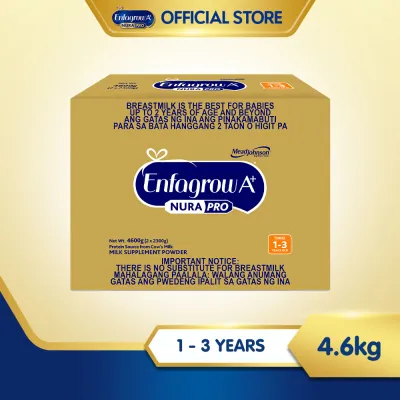
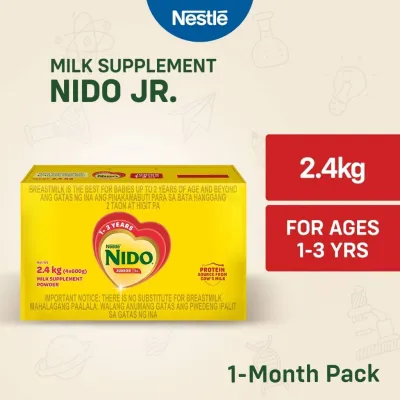
Prices are valid at publication and may change. Please refer to the product page for the latest price.
Baseline Nutritional Needs for 1 to 3 Year Olds
During the toddler years, children experience rapid cognitive, emotional, and physical shifts. While their physical growth rate may slow down slightly compared to infancy, their energy levels and developmental milestones demand a steady supply of targeted nutrients. Calcium and vitamin D are critical during this phase to support the rapid elongation of bones and the strengthening of teeth. Iron remains a non-negotiable nutrient, as it plays a fundamental role in oxygen transport and cognitive development, helping to prevent iron-deficiency anemia, which can impact learning and behavior.
High-quality protein is another essential building block for a toddler’s growing muscles and tissues. However, the source and structure of this protein matter, as a toddler’s kidneys and digestive tract are still maturing. Additionally, vitamins A, C, and E, alongside minerals like zinc, form the foundation of a healthy immune system, helping your child fight off common childhood illnesses as they begin to explore their environment more actively.
It is important to remember that toddler formula or growing-up milk is designed to supplement a balanced, solid-food diet rather than replace it. By the age of 1, solid foods should gradually become your child’s primary source of nutrition, with milk serving as a reliable safety net to bridge any nutritional gaps left by picky eating habits or transitional phases. Parents can use these baseline requirements as a practical checklist when examining the nutritional information panels on the back of formula tins.
Core Ingredients and Nutritional Profiles Compared
Each of these three brands approaches toddler nutrition through a slightly different lens, resulting in unique ingredient profiles and targeted benefits. Understanding these distinctions allows you to choose a formula that directly addresses your toddler’s current developmental stage.

Enfagrow A+ (Enfamil)
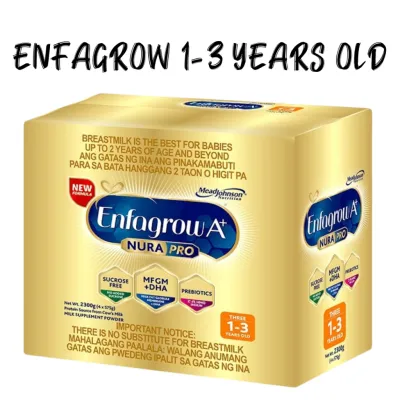
For parents exploring the enfamil 1 to 3 years old range, Enfagrow A+ Four is formulated with a strong emphasis on cognitive development and brain structure. The brand highlights its inclusion of Milk Fat Globule Membrane (MFGM) alongside Docosahexaenoic Acid (DHA) and Arachidonic Acid (ARA). MFGM is a complex structure of proteins and lipids that surrounds fat droplets in milk, which research suggests plays an important role in supporting brain development and cognitive processing in early childhood.
When reviewing the packaging, parents will find that Enfagrow A+ contains structured levels of DHA, an omega-3 fatty acid that serves as a primary structural component of the human brain and retina. The combination of MFGM and DHA is designed to support mental clarity, focus, and behavioral development during these highly formative years.
Beyond brain-support nutrients, the label also lists an array of essential vitamins and minerals. Caregivers should verify the exact listings of iron, zinc, and vitamin C on the packaging to understand how this formula supports the immune system. The inclusion of prebiotic dietary fibers, such as polydextrose and galactooligosaccharides (GOS), is also worth noting, as these ingredients help foster a healthy gut environment to support overall nutrient absorption.
Nido FortiGrow
Nido FortiGrow is widely recognized for its focus on comprehensive physical growth, bone health, and robust immune defense. This formulation is tailored to support active, school-age children and older toddlers, making it crucial for parents to verify the specific age recommendations and warnings on the packaging before introduction. The nutritional profile of Nido FortiGrow centers on a fortified matrix of vitamins and minerals designed to keep up with the high physical demands of growing kids.
When examining the nutritional panel, you will find a strong emphasis on calcium and vitamin D, which work synergistically to support bone mineralization and skeletal strength. The formula is also fortified with iron and vitamin C, a combination that enhances iron absorption in the gut, ensuring that your child’s cognitive development and energy levels are well-supported.
Parents should also review the protein and carbohydrate sources listed on the specific variant they are considering. Nido FortiGrow typically utilizes milk solids as its primary protein source, offering a familiar, creamy taste that appeals to many young children. Because it focuses on everyday physical vitality, it serves as a straightforward, practical option for families seeking to support their child’s daily energy needs and physical milestones.
NAN Optipro 3
NAN Optipro 3 stands out for its dedicated focus on digestibility, gut health, and optimized protein delivery. The cornerstone of this formulation is Nestlé’s “Optipro” technology, which refers to an optimized protein blend designed to supply the right quantity and quality of proteins as your child grows. This specialized protein profile helps minimize the metabolic load on a toddler’s developing kidneys and supports smoother digestion, reducing the likelihood of digestive discomfort.
In addition to its optimized protein structure, NAN Optipro 3 is formulated with active probiotic cultures, specifically Bifidobacterium lactis. This beneficial bacterium helps populate the toddler’s gut microbiome, promoting a healthy digestive tract, supporting natural defenses, and aiding in consistent bowel movements. Parents should check the label to verify the presence of these active cultures, as well as the prebiotic fibers that help feed them.
To ensure a well-rounded nutritional profile, NAN Optipro 3 also includes DHA and ARA to support brain and visual development. By combining optimized proteins with active probiotics and essential fatty acids, this formula offers a balanced approach that prioritizes gut comfort alongside cognitive and physical milestones.
Digestibility, Taste, and Daily Preparation
How a formula performs in the kitchen and how well it is tolerated by your toddler are critical factors for long-term satisfaction. Even the most nutritionally advanced formula will not benefit your child if they refuse to drink it or if it causes frequent digestive issues.
Taste preferences vary significantly from child to child. Enfagrow A+ generally has a distinct, mildly sweet profile that many toddlers find highly palatable, which can be helpful for children transitioning from sweeter infant formulas. Nido FortiGrow is known for its rich, creamy, and traditional milk flavor, making it a popular choice for children who prefer a standard dairy taste. NAN Optipro 3 tends to have a milder, more neutral, and less sweet taste, which is excellent for parents who want to avoid introducing highly sweetened drinks to their toddler’s diet.
Proper preparation is vital, especially when dealing with the warm and humid tropical climate of the Philippines. High humidity can cause formula powder to absorb moisture quickly, leading to clumping or spoilage if the tin is not sealed tightly after every use. Always store the tin in a cool, dry place away from direct sunlight, and never store it in the refrigerator.
When mixing the formula, always follow the manufacturer’s exact instructions printed on the tin. Standard hygiene practices, such as washing your hands thoroughly and sterilizing all preparation utensils, must be observed. For formulas containing active probiotics, like NAN Optipro 3, pay close attention to water temperature. Mixing the powder with boiling water can destroy the beneficial live bacteria; instead, allow the boiled water to cool down to a lukewarm temperature before adding the formula.
Digestibility is another key consideration. When introducing a new formula or switching between brands, monitor your toddler closely for signs of digestive changes. Keep an eye out for symptoms such as excessive gas, bloating, stomach cramps, unusual fussiness after feeding, or sudden changes in stool consistency (such as constipation or loose stools). If you observe any persistent adverse reactions, stop using the formula immediately and consult your pediatrician.
Evaluating Price and Value in the Philippines
When comparing toddler formulas, looking solely at the price tag of a single tin can be misleading. Because net weights, scoop sizes, and recommended daily servings vary across Enfagrow, Nido, and NAN, calculating the actual cost-effectiveness requires looking at the cost per serving or cost per 100 grams.
To calculate the cost per serving, divide the retail price of the tin by the total number of servings it contains (which can be estimated using the net weight and the recommended grams per scoop listed on the label). A premium formulation like Enfagrow A+ often carries a higher price per serving due to specialized ingredients like MFGM. NAN Optipro 3 generally sits in the mid-to-high price tier, reflecting its optimized protein technology and probiotic content. Nido FortiGrow is typically the most budget-friendly option per serving, making it highly sustainable for long-term daily use.
To ensure you are getting genuine products, always purchase toddler formula from authorized sources. Check current prices and product availability at major local supermarkets, official brand websites, or authorized online flagship stores on reputable e-commerce platforms in the Philippines. Avoid buying from unauthorized third-party online sellers, as there is a risk of purchasing counterfeit, improperly stored, or expired products that could compromise your child’s safety.
Parents can also maximize value by looking for official bundle deals, bulk packaging, subscription discounts, or brand loyalty programs. Many authorized online flagship stores offer promotional discounts during monthly sales events, allowing you to stock up on your preferred formula at a lower cost.
Final Decision Framework: Matching Formula to Your Toddler
To help you make a confident decision, use this structured framework to match each formula’s strengths with your toddler’s specific needs:
- Choose Enfagrow A+ if: Your primary goal is to support cognitive development, memory, and focus during these critical early learning years, you want a formula rich in MFGM and DHA, and your budget comfortably accommodates a premium-tier product.
- Choose Nido FortiGrow if: You are looking for a highly reliable, budget-friendly, and accessible option focused on physical growth, bone strength, and everyday immune support, and your child prefers a rich, traditional milk flavor.
- Choose NAN Optipro 3 if: Your toddler has a sensitive stomach, you want to prioritize easy digestion and gut health with optimized proteins and active probiotics (Bifidobacterium lactis), and you prefer a formula with a mild, less-sweet taste profile.
Verify first if: If your child has a diagnosed cow’s milk protein allergy (CMPA), lactose intolerance, or a specific metabolic condition, none of these standard toddler formulas are appropriate. In such cases, your child will require a specialized medical formula. Always consult your pediatrician to obtain a proper diagnosis and prescription before introducing any specialty milk.
Frequently Asked Questions (FAQ)
Can I mix toddler formula with fresh cow's milk?
While some parents consider mixing toddler formula with fresh cow’s milk to help transition their child’s palate, doing so can alter the carefully balanced nutritional concentration and caloric density of the formula. Mixing the two may also make it difficult to track your child’s actual intake of essential vitamins and minerals. Always follow the preparation instructions provided by the manufacturer on the tin, and consult your pediatrician before modifying the recommended preparation method.
How many servings of toddler formula should a 1 to 3 year old drink daily?
Recommended serving sizes and daily frequencies vary depending on the specific brand and your toddler’s overall intake of solid foods. Generally, most manufacturers suggest one to two servings per day to supplement a balanced diet. It is crucial to follow the feeding guide printed on your specific product’s label and ensure that milk consumption does not replace your child’s appetite for nutrient-dense, solid meals.
When should I transition my child from toddler formula to regular milk?
Many pediatric guidelines suggest that healthy toddlers who eat a diverse, well-balanced diet of solid foods can transition to whole cow’s milk or appropriate unsweetened milk alternatives around age 2 or 3. However, if your child is a picky eater or has specific nutritional gaps, continuing with a fortified growing-up milk may be beneficial. Evaluate your child’s unique dietary habits alongside your pediatrician to determine the most appropriate time to transition away from toddler formula.

Community discussion
Share your experience or ask a question. Comments are reviewed before publication.