
Choosing the right toddler formula for your one-to-three-year-old depends entirely on your child’s specific dietary gaps, digestive tolerance, and your household budget. There is no single universal winner among Enfagrow A+, Nido, and NAN, as each brand targets a different nutritional focus on its label. Enfagrow A+ typically emphasizes brain-supporting nutrients like DHA, Nido serves as a widely accessible fortified milk powder to complement solid foods, and NAN often highlights specialized digestive comfort or probiotic blends. To make the best choice, parents in the Philippines should evaluate the specific ingredient lists, calculate the actual cost per serving, and consult their pediatrician.
Understanding Your Toddler's Nutritional Needs at 1 to 3 Years
Between the ages of one and three, toddlers undergo rapid physical and cognitive development. During this stage, their nutritional requirements shift significantly from infancy. Calcium and vitamin D become crucial to support growing bones and teeth, especially as toddlers become more active and mobile. Iron is equally vital, playing a key role in healthy blood production and cognitive development. Additionally, fatty acids such as DHA and ARA are frequently sought after by parents to support ongoing brain and eye development during these highly formative years.
However, it is essential to remember that toddler formula is designed as a nutritional supplement, not a complete meal replacement. By the age of one, solid foods should ideally become your child’s primary source of nutrition. Formula or milk drinks serve to fill potential nutritional gaps when a toddler experiences picky eating phases or temporary dietary imbalances. Relying too heavily on liquid nutrition can inadvertently reduce a toddler’s appetite for the diverse solid foods they need to explore.
Products mentioned in this guide
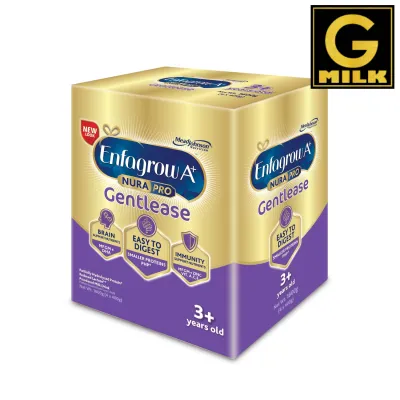
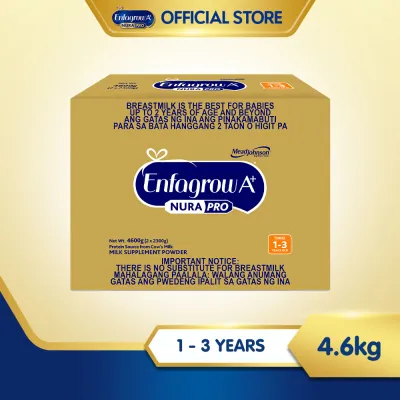
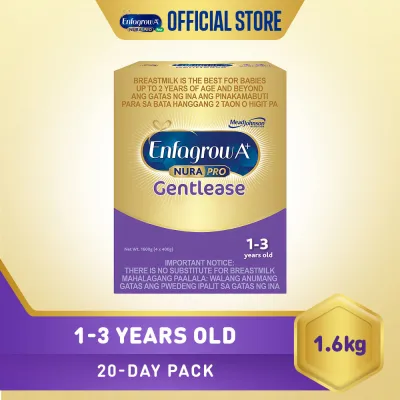
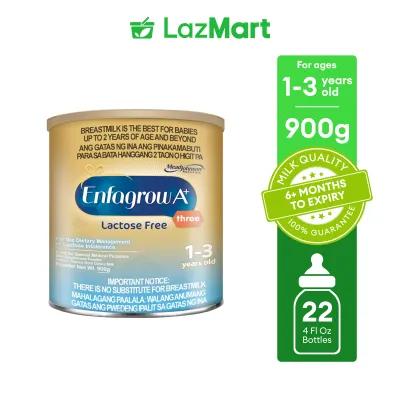
Prices are valid at publication and may change. Please refer to the product page for the latest price.
When evaluating any toddler formula, parents should carefully inspect the nutrition facts panel for ingredients that should be limited. Added sugars, often listed under names like sucrose, corn syrup solids, or maltodextrin, are sometimes added to enhance flavor but can contribute to unhealthy dietary habits. Sodium levels should also be kept to a minimum. Choosing a formula with lower added sugars helps establish healthy taste preferences early in life while protecting developing teeth from decay.
Comparing Enfagrow A+, Nido, and NAN: Key Decision Dimensions
Core Nutrient Profiles
To make an objective comparison, parents must look past front-of-pack marketing and focus directly on the nutrition information panel. When comparing Enfagrow A+, Nido, and NAN, look at the specific values listed per 100 grams of powder or per prepared serving. Pay close attention to the exact milligrams of iron, calcium, and DHA. Because formulations can vary by region and specific product line, checking the physical label of the tin in your local store is the only way to verify the exact nutrient density your child will receive.

Formulation Focus
Each of these three brands approaches toddler nutrition with a distinct formulation strategy. Enfagrow A+ is widely recognized for its emphasis on brain-supporting nutrients, often featuring higher levels of DHA and other lipids on its ingredient list to support cognitive milestones. Nido, particularly variants like Nido 3+, is formulated as a fortified milk powder designed to act as a broad nutritional safety net, offering a balance of essential vitamins and minerals at an accessible price point for daily family use. NAN, produced by Nestlé, frequently focuses on digestive comfort and gut health, often incorporating specific probiotic strains, prebiotics, or partially hydrolyzed proteins to support toddlers with sensitive stomachs.
Taste and Mixability
Even the most nutritionally complete formula is only effective if your toddler is willing to drink it. Palate acceptance varies widely from child to child; some toddlers prefer the richer, creamier taste of fortified milk powders like Nido, while others adapt easily to the distinct flavors of Enfagrow or NAN. Mixability is another practical factor to consider in daily preparation. Some powders dissolve quickly in room-temperature water, while others require more vigorous shaking or specific water temperatures to avoid clumping. To prevent waste, it is highly recommended to purchase the smallest available tin or box first to test both your child’s taste preference and the powder’s ease of preparation in your home.
How to Evaluate Cost and Value for Your Household
Evaluating the financial impact of toddler formula requires looking beyond the retail price printed on the shelf tag. A lower upfront price for a tin does not always translate to a lower cost over time if the preparation instructions require more scoops per serving. To find the true value, parents should check the recommended mixing ratio on the back of the packaging and calculate the total number of servings a single tin can produce.
To calculate the cost per cup, divide the retail price of the tin in Philippine Pesos (₱) by the estimated number of servings it yields. For example, if a tin costs ₱900 and provides approximately 30 servings when mixed according to the manufacturer’s instructions, each cup costs ₱30. Comparing this per-serving cost across Enfagrow A+, Nido, and NAN will give you a realistic picture of how each option fits into your monthly household budget.
Where you buy your formula also plays a significant role in overall household expenses. Purchasing from local supermarkets or official brand stores on authorized online marketplaces often provides access to bulk discounts, loyalty points, or legitimate promotional bundles. Be cautious of buying from unverified online sellers offering unusually low prices, as proper storage conditions cannot be guaranteed, and counterfeit products pose a severe risk to your child’s health.
Decision Framework: Which Formula Fits Your Child Best?
Selecting the right formula involves matching the product’s specific label benefits with your toddler’s unique dietary habits and physical needs.
You may want to choose Enfagrow A+ if your primary goal is targeted supplementation of brain-supporting nutrients like DHA, and your child readily accepts its specific taste profile. This option is often favored by parents who want to ensure their toddler receives consistent levels of essential fatty acids during key developmental windows.
You might choose Nido if your toddler already eats a highly varied solid-food diet and simply needs a reliable, fortified milk powder to maintain their daily intake of calcium, vitamin D, and iron. Nido is highly suitable for families seeking a cost-effective, widely available option that fits comfortably into a long-term household budget.
You should consider NAN if your pediatrician recommends a formula with specific probiotic strains, prebiotics, or digestive comfort features. This brand is often selected for toddlers who experience mild digestive sensitivities or those who require a formulation designed to support gut health and easy digestion.
However, you must verify your child’s health status first before introducing any standard commercial formula. If your toddler has a history of food allergies, lactose intolerance, cow’s milk protein allergy, or any underlying medical conditions, pause immediately. In these situations, do not rely on standard retail formulas; instead, consult your pediatrician to obtain a recommendation for a specialized or hypoallergenic formula tailored to your child’s medical needs.
Safe Preparation and Transitioning Tips
Proper preparation is critical to ensure your toddler receives the correct balance of nutrients and to prevent illness. Always wash your hands thoroughly and sterilize all preparation utensils before mixing. Strictly follow the specific water temperature guidelines and powder-to-water ratios printed on the product label. Using too much powder can strain your toddler’s kidneys and cause dehydration, while using too little can lead to nutritional deficiencies. Because tropical climates in the Philippines can introduce high humidity, ensure the tin is sealed tightly and stored in a cool, dry place to prevent the powder from clumping or spoiling.
When switching your child from breastmilk, infant formula, or a different brand of toddler milk, a gradual transition is the best way to prevent digestive upset. Start by replacing just one feeding per day with the new formula, keeping the remaining feedings consistent. Over the course of one to two weeks, slowly increase the proportion of the new formula while phasing out the old one. This slow adjustment allows your toddler’s digestive enzymes and palate to adapt comfortably to the new formulation.
During any transition, closely monitor your child for any physical changes. Watch for observable signs of digestive discomfort, such as severe constipation, persistent diarrhea, unusual gassiness, vomiting, or skin rashes. If you observe any of these symptoms, or if your child shows signs of an allergic reaction, stop using the formula immediately and consult a qualified healthcare professional or pediatrician for guidance.
Frequently Asked Questions (FAQ)
Can I mix different brands of toddler formula together?
Mixing different brands of toddler formula in the same bottle is generally not recommended. Each brand has a unique scoop size and specific powder-to-water ratio designed to achieve a precise nutrient concentration. Combining them can easily lead to incorrect dilution, which may cause digestive strain or nutrient imbalances. If you are transitioning your child from one brand to another, it is safer to prepare them in separate cups and introduce the new brand gradually throughout the day rather than mixing the powders together.
When should I transition my child from toddler formula to regular cow's milk?
Most healthy toddlers can begin transitioning to full-cream cow’s milk around the age of one, provided they are eating a balanced and diverse diet of solid foods. However, this transition depends heavily on your child’s individual growth progress and dietary intake. If your child is a picky eater or has specific nutritional gaps, your pediatrician may recommend continuing with a fortified toddler formula for a longer period. Always consult your doctor to assess your child’s development before making the switch to regular cow’s milk.
What should I do if my toddler refuses to drink the new formula?
If your toddler rejects a new formula, avoid forcing them to drink it, as this can create negative associations with feeding time. Try offering a very small amount when they are naturally hungry, or serve it at different temperatures, such as slightly warm or chilled, to see if their preference changes. You can also try serving it in a colorful new cup to make the experience more appealing. If the refusal persists, consult your pediatrician to explore alternative nutritional options or to rule out any underlying discomfort.

Community discussion
Share your experience or ask a question. Comments are reviewed before publication.