
Selecting the right Stage 4 formula for your growing toddler is a significant decision that directly impacts their daily nutrition and digestive comfort. As children reach three years of age and older, their dietary patterns shift dramatically toward solid foods, making milk a supportive partner rather than the primary source of nourishment. Enfagrow 4, Nido 4, and NAN 4 are three of the most widely available options on supermarket shelves, each presenting a distinct formulation, ingredient priority, and price point. Finding the ideal match requires looking past eye-catching packaging claims and carefully analyzing the nutrition facts, ingredient lists, and preparation guidelines.
Every toddler has unique nutritional gaps, taste preferences, and digestive sensitivities that dictate which milk will suit them best. Instead of searching for a universal winner, parents should focus on understanding what their child’s current diet lacks and how each brand’s specific formulation addresses those needs. By learning how to systematically compare these products, calculate their true cost per serving, and monitor your child’s physical response, you can make an informed, budget-conscious choice that supports your toddler’s ongoing growth and development.
Defining Your Toddler's Nutritional Needs
By the time your child reaches the age of three, their nutritional landscape changes as solid foods take center stage. Stage 4 formulas, often categorized as growing-up milks, are formulated specifically for children aged three and older to act as a nutritional safety net. They are designed to supplement a diverse diet of grains, proteins, fruits, and vegetables, helping to fill common micronutrient gaps rather than replacing whole meals. Relying too heavily on milk at this stage can inadvertently reduce a toddler’s appetite for solid foods, which are crucial for developing proper chewing habits and a healthy relationship with food.
Products mentioned in this guide
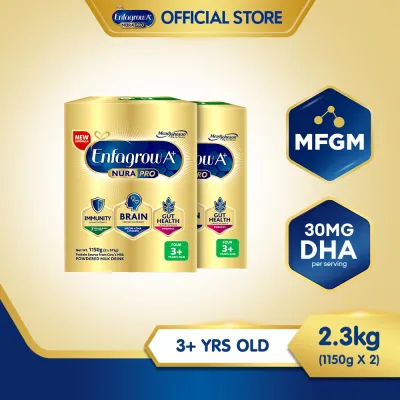
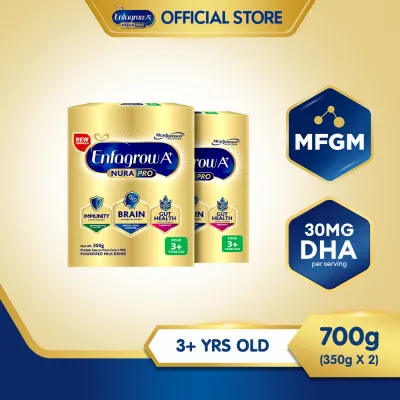
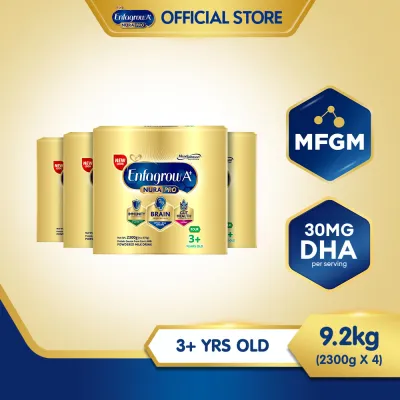
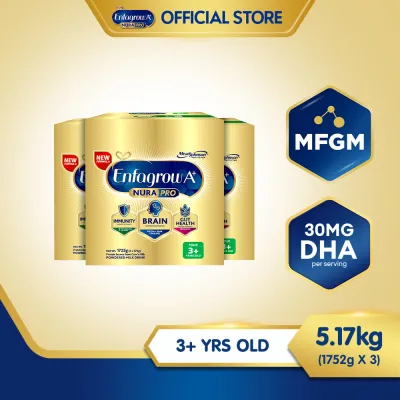
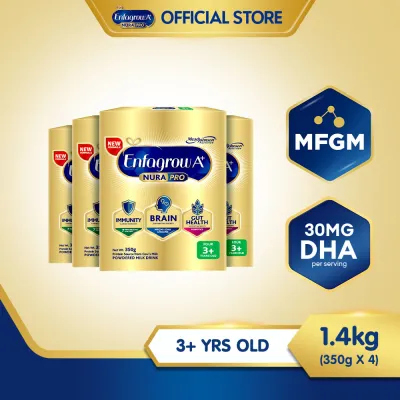
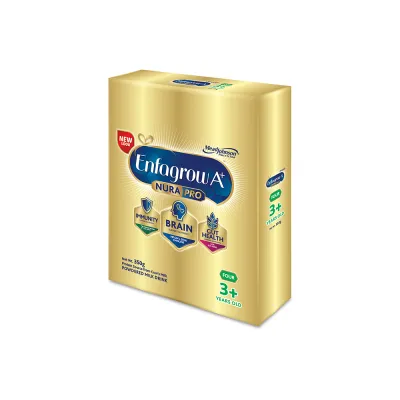
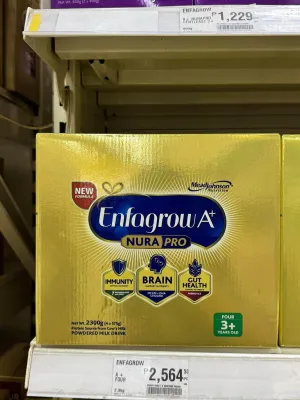
Prices are valid at publication and may change. Please refer to the product page for the latest price.
When evaluating any Stage 4 milk label, pediatric guidelines suggest focusing on a few critical nutrients that support rapid physical and cognitive development. Iron is essential for healthy blood cell production and brain function, while calcium and vitamin D work synergistically to build strong bones and teeth. Docosahexaenoic acid, commonly known as DHA, is an omega-3 fatty acid that plays a vital role in ongoing brain and visual development. Additionally, look for essential vitamins such as vitamin A, C, and E, alongside minerals like zinc, which contribute to a robust immune system.
While standard growing-up milks are suitable for most healthy toddlers, certain conditions require immediate professional guidance before you introduce a new brand. If your child has a history of cow’s milk protein allergy, lactose sensitivity, chronic digestive issues, or faltering growth, standard commercial formulas may not be safe or effective. Always consult your pediatrician to determine if your child requires a specialized, hypoallergenic, or lactose-free therapeutic formula instead of a standard retail product.
How to Compare Enfagrow 4, Nido 4, and NAN 4 on the Label
To make an objective comparison between Enfagrow 4, Nido 4, and NAN 4, you must look directly at the standardized Nutrition Facts panel printed on the packaging. Start by identifying the serving size, which is typically listed in both grams of powder and fluid ounces or milliliters of prepared milk. Because serving sizes and scoop weights vary between brands, comparing nutrients per 100 grams of powder or per 100 milliliters of prepared formula provides a much more accurate, apples-to-apples comparison than comparing by scoop alone.

Another critical step is examining the ingredient list to identify the types of carbohydrates and sweeteners used in the formulation. Many growing-up milks contain added sugars, such as sucrose, corn syrup solids, fructose, or maltodextrin, to enhance flavor and provide quick energy. While lactose is the naturally occurring sugar found in milk, excessive added sugars can contribute to early childhood tooth decay and establish a strong preference for overly sweet tastes. Checking the order of ingredients—which are listed from highest to lowest by weight—will help you identify if added sugars are a primary component of the powder.
In a warm and highly humid tropical climate, proper storage and quality checks are vital to preserve the nutritional integrity of powdered milk. Always verify the manufacturing and expiration dates stamped on the bottom of the tin before purchasing. Once a tin is opened, the powder is highly susceptible to moisture absorption, which can lead to clumping, nutrient degradation, and bacterial contamination. Store the tightly sealed tin in a cool, dry pantry—never in the refrigerator—and aim to consume the contents within the manufacturer’s recommended timeframe, which is typically three to four weeks after opening.
Checking Enfagrow 4 Ingredients and Claims
When examining a tin of Enfagrow 4, you will find a strong marketing emphasis on cognitive development and brain-support nutrient blends. To verify these claims, locate the specific DHA content on the Nutrition Facts panel and note the exact milligrams provided per serving. Compare this value against your toddler’s daily dietary intake to see how effectively it supplements their consumption of natural DHA sources, such as fatty fish.
Next, carefully read the ingredient list to identify the primary carbohydrate sources. Note whether the formula relies primarily on lactose or if it incorporates significant amounts of corn syrup solids, sucrose, or other sweetening agents. Additionally, look for specialized prebiotic fibers, such as polydextrose or galactooligosaccharides, which are often included to support gut health, and verify their position on the ingredient list to gauge their relative abundance.
Finally, cross-reference any prominent front-of-pack claims regarding immunity or brain development with the actual values listed in the nutrient breakdown. Manufacturers often highlight proprietary nutrient blends under trademarked names, but the regulatory truth lies in the standardized table. Ensure that the claimed vitamins, minerals, and fatty acids are present in quantities that represent a meaningful percentage of your child’s daily recommended intake.
Checking Nido 4 Ingredients and Claims
Nido 4 packaging typically highlights a broad spectrum of essential vitamins and minerals designed to support overall physical growth and immune defense. When reviewing the label, pay close attention to the fortification levels of vitamin C, zinc, iron, and selenium. Verify the percentage of the daily recommended energy and nutrient intake these minerals provide per prepared glass to understand how well the milk supports a typical toddler’s daily requirements.
It is also important to identify the milk base used in the formulation, which can range from whole milk powder to skimmed milk powder or a combination of dairy solids and vegetable oils. The type of milk base directly influences the fat content, caloric density, and overall creaminess of the prepared drink. A whole-milk base generally provides a richer taste that some toddlers prefer, but it also carries a different fat profile than skimmed-milk alternatives.
Lastly, inspect the ingredient list for any added flavorings or sweeteners, such as honey powder or sucrose, which are sometimes added to Stage 4 formulations to appeal to older toddlers. While these ingredients can make the milk highly palatable to picky eaters, parents should weigh the taste benefits against their personal preferences regarding added sugars in their child’s daily diet.
Checking NAN 4 Ingredients and Claims
NAN 4 is frequently positioned as a premium option with a strong focus on digestive comfort and gut health. When evaluating this product, look specifically for active probiotic claims, such as the inclusion of Bifidobacterium lactis or other beneficial bacterial strains. The label should clearly state the presence of these live cultures and, where possible, specify the quantity of active cultures maintained throughout the product’s shelf life.
Another key aspect to analyze on the NAN 4 label is the protein composition and any specialized processing methods, such as partially hydrolyzed proteins or optimized protein blends. These processing techniques are designed to break down large milk proteins into smaller, more easily digestible segments. Check the ingredient list to see if whey protein or casein is listed first, as a higher whey-to-casein ratio is often associated with easier gastric emptying and softer stools.
Do not forget to compare the calorie density and sugar content of NAN 4 per serving against the other options. Note whether the formula is lactose-based or if it utilizes alternative carbohydrates. A lower calorie density or a formulation free from added sucrose may be preferable for parents who want to avoid over-nutrition while focusing primarily on digestive ease and gut flora support.
Evaluating Digestion, Taste, and Dietary Restrictions
Introducing or switching to a new Stage 4 formula requires careful observation of your toddler’s physical response, as digestive compatibility varies widely from child to child. Signs of good digestive tolerance include regular, soft, and formed bowel movements, a relaxed abdomen free from painful bloating, and normal energy levels after feeding. Conversely, if a formula does not agree with your child’s digestive system, you may observe symptoms such as hard or watery stools, excessive flatulence, abdominal discomfort, or unusual fussiness shortly after drinking.
Taste preferences also play a major role in whether a toddler will accept a new milk, especially as children of this age develop strong opinions about flavor and texture. If you decide to transition your child from one brand to another, a gradual introduction is highly recommended to prevent both digestive upset and taste rejection. Begin by mixing a small portion of the new formula powder with the familiar brand, slowly increasing the proportion of the new powder over a period of five to seven days until the transition is complete.
While minor digestive adjustments are common during a transition, parents must be vigilant about serious adverse reactions. Stop feeding the formula immediately and consult your pediatrician if your child exhibits signs of an allergic reaction, such as hives, facial swelling, or difficulty breathing. Immediate medical attention is also required if your child experiences severe, persistent diarrhea, projectile vomiting, significant weight loss, or if you detect blood or mucus in their stool.
Calculating Cost Per Serving for Your Budget
Because growing-up milk is a recurring daily expense, understanding the true cost of each brand requires looking beyond the retail price of a single tin. The most accurate way to compare the financial impact of Enfagrow 4, Nido 4, and NAN 4 is to calculate the cost per serving using a simple mathematical formula. First, locate the net weight of the tin in grams and find the manufacturer’s recommended serving size in grams on the label.
To find the number of servings per tin, divide the total net weight by the weight of a single serving:
$$\text{Servings per Tin} = \frac{\text{Total Tin Weight (g)}}{\text{Serving Size (g)}}$$
Once you have the number of servings, calculate the cost per serving by dividing the retail price of the tin by the total number of servings:
$$\text{Cost per Serving} = \frac{\text{Total Tin Price (₱)}}{\text{Servings per Tin}}$$
For example, if a tin costs ₱1,200 and provides 30 servings, each glass of milk costs ₱40. If your toddler consumes the recommended two servings per day, your daily cost is ₱80, which translates to approximately ₱2,400 per month. Performing this calculation for each brand allows you to see the real long-term impact on your household budget.
When sourcing these formulas, always prioritize safety and authenticity over extreme discounts. Purchase your toddler’s milk only from authorized online brand stores, reputable local supermarkets, or established pharmacies to avoid the severe health risks associated with counterfeit or improperly stored products. While bulk buying or promotional bundles on online marketplaces can offer genuine savings, always double-check the seller’s credentials and verify that the packaging is fully intact upon delivery.
Decision Framework: Which Formula Fits Your Child?
To simplify your final decision, you can use a structured framework that aligns each brand’s characteristics with your toddler’s specific needs and your family’s priorities. This approach helps remove the guesswork and ensures you are choosing a product based on verifiable label facts rather than marketing trends.
Choose Enfagrow 4 if:
- Your primary goal is to supplement your child's diet with a high level of DHA to support cognitive development.
- Your toddler prefers a slightly sweeter taste profile and has no issues digesting formulas that may contain added carbohydrate sources.
- Your household budget comfortably accommodates a premium-tier product for daily consumption.
Choose Nido 4 if:
- You are looking for a highly cost-effective, budget-friendly option that offers robust fortification of essential daily vitamins and minerals.
- Your toddler enjoys a rich, creamy, milk-forward taste and digests standard whole-milk bases without any discomfort.
- You want a widely accessible brand that is easy to find in almost any local supermarket or grocery store.
Choose NAN 4 if:
- Your toddler has a sensitive stomach, is prone to mild constipation, or benefits from active probiotics and optimized proteins designed for easy digestion.
- You prefer a formulation that avoids added sucrose and focuses on a clean, lactose-based carbohydrate profile.
- You are willing to invest in a premium digestive-support formula to maintain consistent gut health.
Verify first if:
- Your child has any known food allergies, lactose intolerance, or metabolic conditions. If any of these apply, do not use standard Stage 4 formulas; instead, consult your pediatrician to obtain a prescription for a specialized therapeutic milk.
- Your toddler is already consuming a highly diverse, nutrient-rich solid food diet. If their daily intake of iron, calcium, and healthy fats is already excellent, a standard, less-fortified milk option may be perfectly sufficient to serve as a simple dietary bridge.
Ultimately, remember that no growing-up milk can replace the nutritional value of a balanced, whole-food diet. Use these formulas as a supportive supplement to help cover occasional nutritional gaps while continuing to encourage your toddler to explore a wide variety of healthy, solid foods every day.
Frequently Asked Questions (FAQ)
Can I mix Enfagrow 4, Nido 4, and NAN 4 in the same bottle?
Mixing different formula brands or stages in a single bottle is highly discouraged by pediatricians and clinical nutritionists. Each brand utilizes a unique scoop size, powder density, and specific water-to-powder ratio designed to create a safe concentration of nutrients. Combining different powders in one preparation can easily disrupt this delicate balance, resulting in a mixture that is either too concentrated or too diluted. This can put unnecessary strain on your toddler’s developing kidneys, cause digestive distress, or lead to dehydration. Always prepare each brand separately according to the exact instructions printed on its respective label.
How long can I keep prepared Stage 4 formula at room temperature?
Once a serving of Stage 4 formula is prepared, it should ideally be consumed immediately to ensure maximum freshness and safety. In warm and humid tropical environments, bacteria can multiply rapidly in prepared milk, posing a risk of foodborne illness. As a general safety guideline, any prepared formula left at room temperature should be discarded after two hours if it has not been touched. However, if your toddler has already started drinking from the bottle or cup, you must discard any remaining milk within one hour. Saliva introduces bacteria into the liquid, which accelerates spoilage and makes saving the leftovers unsafe.

Community discussion
Share your experience or ask a question. Comments are reviewed before publication.