
Choosing the right growing-up milk for a child between the ages of three and five is a major decision for parents in the Philippines. During this preschool stage, children undergo rapid cognitive development, physical growth, and immune system maturation. While a balanced diet of solid foods is the primary source of nutrition, fortified formula milks—often referred to as growing-up milks—serve as a reliable safety net to fill potential micronutrient gaps. Three of the most prominent brands dominating the local market are Enfagrow 3 Plus, Nido (specifically Nido 3+ and 5+), and NAN (such as NAN Optipro or NAN Kid).
The ideal milk for your child depends on their unique nutritional requirements, digestive tolerance, taste preferences, and your household budget. There is no single formula that fits every preschooler perfectly. Instead, parents should evaluate each brand based on its specific nutritional focus and how well it aligns with their child’s daily diet and physical development.
To help you make an informed decision, consider this conditional selection framework:
Products mentioned in this guide
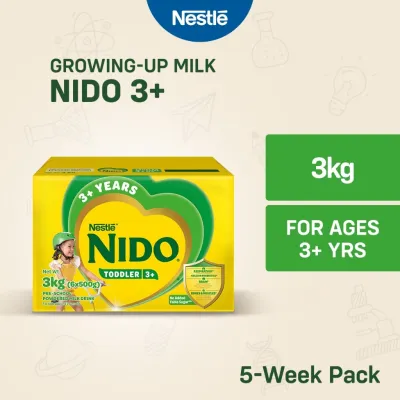
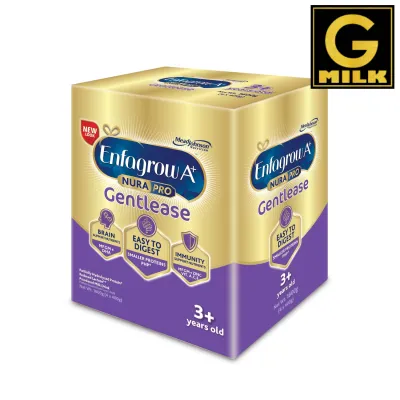
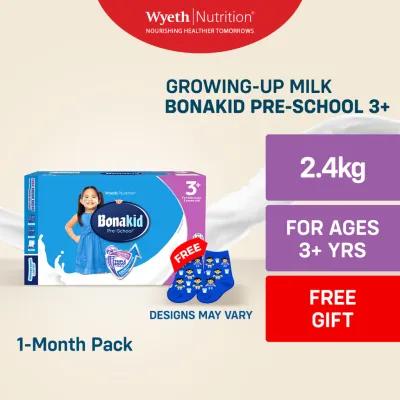

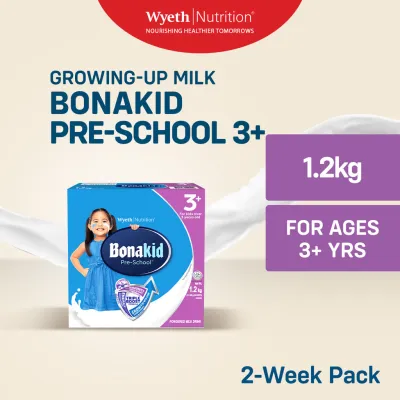
Prices are valid at publication and may change. Please refer to the product page for the latest price.
- Choose Enfagrow 3 Plus if your primary goal is to support cognitive development and brain function. This brand is formulated with high levels of Docosahexaenoic Acid (DHA) and other brain-supporting nutrients, making it a popular choice for parents prioritizing mental alertness and school readiness.
- Choose Nido if you are looking for a highly accessible, cost-effective option that focuses on robust physical growth, bone strength, and basic immune defense. It provides a rich source of calcium, vitamin D, and protein at a highly competitive price point.
- Choose NAN if your child has a sensitive digestive system or is prone to mild tummy discomfort. This brand emphasizes advanced protein quality and gut health, utilizing specific probiotic strains and prebiotic blends to support smooth digestion and overall immunity.
Safety Note for Parents: Before introducing any new formula milk or switching brands, always consult your pediatrician. This is especially critical if your child has a history of food allergies, lactose intolerance, or specific metabolic conditions. A qualified healthcare professional can provide personalized guidance tailored to your child’s growth chart and nutritional needs.
Nutritional Profiles: Comparing Key Vitamins and Minerals
Preschoolers aged three to five are highly active, requiring a steady influx of vitamins, minerals, and macronutrients to fuel their daily activities and growth spurts. While all three brands comply with local food standards and provide essential nutrition, they differ significantly in their ingredient priorities and proprietary nutrient blends.
Brain and Cognitive Development
During the preschool years, a child’s brain continues to grow and form complex neural connections. This makes cognitive-supporting nutrients a top priority for many parents. Docosahexaenoic Acid (DHA), an omega-3 fatty acid, is a major structural component of the brain and retina, playing a vital role in visual and cognitive development.
Enfagrow 3 Plus is widely recognized for its strong emphasis on brain development. The formulation typically features high levels of DHA per serving compared to standard growing-up milks. Additionally, Enfagrow often incorporates Milk Fat Globule Membrane (MFGM), a natural membrane that surrounds milk fat droplets. Research suggests that the combination of DHA and MFGM helps support cognitive function, behavioral regulation, and immune defense in young children.
Nido and NAN also contain essential fatty acids, including DHA, but their marketing and nutritional concentrations differ. Nido includes DHA as part of its overall nutrient blend, positioning it as a supportive element rather than the central focus of the formulation. NAN, particularly in its premium ranges, provides a balanced fatty acid profile that supports brain development while maintaining a strong focus on protein quality and digestive tolerance.
Because formulations, ingredient sources, and exact milligram counts are subject to change, parents must verify the nutritional information panel on the physical packaging. Look closely at the exact amount of DHA per 100 grams or per serving to make an accurate comparison based on the specific batch available in your local store.
Immunity, Bones, and Digestion
Beyond brainpower, a child’s physical body requires robust support to build strong bones, maintain a healthy gut, and ward off common childhood illnesses. The tropical climate and active outdoor lifestyle in the Philippines mean that children need solid physical resilience.
Nido has built its reputation on supporting physical growth and bone development. It is heavily fortified with calcium, vitamin D, and high-quality protein, which are the fundamental building blocks for strong bones and muscles. For active preschoolers who are constantly running, jumping, and playing, Nido provides a reliable source of these essential bone-building nutrients. It also contains a blend of vitamins A, C, and E, alongside zinc, to support the body’s natural defenses.
NAN takes a highly scientific approach to digestion and immunity. The brand is known for its “Optipro” technology, which delivers an optimized protein blend designed to be gentle on a toddler’s developing kidneys and digestive tract. Furthermore, NAN heavily features active probiotic cultures, such as Lactobacillus reuteri or Bifidobacterium lactis, along with prebiotic fibers. These beneficial bacteria help maintain a healthy gut microbiome, which is directly linked to stronger systemic immunity and fewer digestive upsets like constipation or loose stools.
Enfagrow 3 Plus addresses immunity through a combination of vitamins, minerals, and prebiotic fibers like polydextrose and galactooligosaccharides (GOS). This prebiotic blend helps feed the beneficial bacteria already present in the child’s gut, promoting a healthy digestive environment while supporting nutrient absorption.
To ensure your child’s specific dietary gaps are met, take the time to compare the daily value percentages of iron, zinc, vitamin D, and vitamin C on each product label. If your child is a picky eater who misses out on iron-rich foods like red meat or green leafy vegetables, choosing a milk with higher iron fortification may be beneficial.
Taste, Mixability, and Toddler Acceptance
Even the most scientifically advanced formula milk will not benefit your child if they refuse to drink it. Toddlers are notoriously opinionated about taste and texture, making sensory acceptance a critical factor in your purchasing decision.

Nido is famous for its rich, creamy, and traditional milk flavor. It closely mimics the taste of full-cream milk, which many children find highly appealing and comforting. Because of this pleasant, slightly sweet taste profile, Nido generally enjoys high acceptance rates among toddlers, even those who are transitionally picky. It dissolves relatively easily in warm water, though it may require thorough stirring to prevent clumping if the water is too cold.
Enfagrow 3 Plus and NAN have distinct flavor profiles due to their specialized ingredients. Enfagrow, which is highly fortified with DHA and iron, sometimes carries a slightly different aroma or a mild metallic undertone that sensitive children might notice, though this is often masked by natural vanilla flavors. NAN tends to have a milder, more neutral, and less sweet taste profile. This can be highly beneficial for parents who want to avoid training their child’s palate to prefer overly sweet drinks, though it may take some time for a child accustomed to sweeter milks to adjust.
When transitioning your toddler to a new milk brand, avoid making an abrupt switch, as this can cause digestive upset or immediate rejection. Instead, use a gradual transition schedule over several days:
- Days 1 to 3: Mix 75% of the old milk with 25% of the new milk in a single serving.
- Days 4 to 6: Mix 50% of the old milk with 50% of the new milk.
- Days 7 to 9: Mix 25% of the old milk with 75% of the new milk.
- Day 10 and beyond: Serve 100% of the new milk.
Because individual toddler preferences vary wildly, buying a massive bulk container of a new brand is a risky financial move. Always purchase the smallest available pack size (such as a 350g or 370g box) to test your child’s acceptance and monitor their digestive response before investing in larger, more economical sizes.
Value for Money: Price per Serving and Packaging Sizes
For most Filipino households, the monthly milk budget is a significant financial consideration. Over the course of a year, the price difference between a premium brand and a budget-friendly brand can add up to thousands of pesos.
In the Philippine market, these three brands generally occupy distinct pricing tiers:
- Enfagrow 3 Plus is positioned as a premium brand. The inclusion of specialized ingredients like high-level DHA and MFGM drives up the production cost, making it one of the more expensive options on the shelf.
- NAN sits in the mid-to-premium tier. Its advanced Swiss formulation, optimized proteins, and active probiotic strains justify a higher price point than standard milks, though it is sometimes slightly more affordable than the ultra-premium segments.
- Nido is highly budget-friendly and widely accessible. Designed for mass-market consumption, it offers excellent nutritional value for money, making it the go-to choice for families prioritizing cost-effectiveness without sacrificing essential growth nutrients.
When comparing costs, looking solely at the price tag of the tin or box can be highly misleading. Different brands use different scoop sizes and dilution ratios. To find the true value, you should calculate the cost per serving using this simple method:
- Check the net weight of the package (e.g., 2kg or 2000g).
- Look at the preparation instructions on the back of the pack to find the weight of a single scoop (usually in grams) and the number of scoops required per serving.
- Multiply the single scoop weight by the number of scoops per serving to get the total grams of powder used per glass.
- Divide the total net weight of the package by the grams per serving to determine the total number of servings per container.
- Finally, divide the retail price of the package by the total number of servings to find the exact cost per glass.
For families with growing preschoolers who consume two to three glasses of milk daily, larger packaging sizes are highly desirable. Manufacturers offer value-sized options, such as the popular Enfagrow 3 Plus 2kg packs, Nido 1.6kg or 2kg boxes, and NAN Kid large tins. Buying these bulk sizes or refill packs typically yields a lower cost per gram compared to small boxes.
Keep in mind that prices fluctuate across local supermarkets, warehouse clubs, neighborhood pharmacies, and official brand stores on online marketplaces. It is wise to look out for bundle deals, seasonal promotions, and discount vouchers to stretch your budget further.
How to Choose the Right Milk for Your Child's Specific Needs
To finalize your decision, it helps to look at your child’s daily lifestyle, eating habits, and physical constitution. Match your family’s situation to one of the following common scenarios:
Scenario A: The Picky Eater
If your child is highly selective with food, frequently skipping meats, vegetables, or seafood, they may be missing out on vital micronutrients like iron, zinc, and DHA. In this case, a highly fortified, nutrient-dense milk like Enfagrow 3 Plus can act as an excellent nutritional safety net, ensuring they still receive critical brain-building and immune-supporting compounds despite their limited solid food intake.
Scenario B: The Tummy-Troubled Preschooler
If your child frequently complains of stomach aches, suffers from hard stools, or experiences bloating, their digestive system may need extra care. A gentle formula like NAN—with its optimized, easy-to-digest proteins and active probiotics—can help soothe their digestive tract, improve stool consistency, and support overall gut comfort.
Scenario C: The Active, Budget-Conscious Family
If your child already eats a well-rounded diet of rice, meats, fruits, and vegetables, they do not necessarily require ultra-premium, highly specialized milk formulations. A reliable, calcium-rich, and highly affordable option like Nido is perfect for providing the necessary calcium, protein, and vitamin D to support their active physical play and general growth, while keeping your household expenses manageable.
Safety and Verification Checklist
Before you head to the checkout counter or place an online order, run through this quick quality and safety checklist:
- Verify the Age Stage: Ensure the front of the packaging explicitly matches your child's age group. For children aged 3 to 5, look for labels indicating "3+" or "Stage 4" depending on the brand's specific age categorization.
- Inspect the Physical Container: Never purchase or feed your child milk from tins that are deeply dented, bulging, rusted, or have compromised foil seals. Damaged packaging can expose the powder to moisture, oxygen, and harmful bacteria.
- Look for Local Registration Marks: Ensure the product features the official Food and Drug Administration (FDA) registration details on the label, confirming it has been cleared for safe sale and consumption in the Philippines.
- Check the Expiration Date: Always look for the "Best Before" or "Expiry" date stamped on the bottom of the tin or box. Avoid buying bulk sizes if your child cannot realistically consume the entire volume before the expiration date.
Frequently Asked Questions (FAQ)
Can I mix Enfagrow, Nido, and NAN together in one bottle?
You should never mix different brands of formula milk together in a single serving. Each brand is scientifically formulated with a precise scoop-to-water ratio designed to ensure proper hydration and nutrient absorption. Mixing different powders alters this delicate balance, which can lead to concentrated levels of minerals that are difficult for a child’s kidneys to process, or cause severe digestive issues like constipation, diarrhea, and dehydration. Stick strictly to one brand per feeding, following the manufacturer’s exact preparation instructions.
Is fresh milk better than formula for a 4-year-old?
For a healthy four-year-old child who eats a diverse, well-balanced diet of solid foods, pasteurized fresh cow’s milk is a perfectly acceptable and nutritious option. However, many preschoolers go through phases of picky eating where they reject essential foods. In such cases, fortified growing-up milks offer a distinct advantage because they are enriched with iron, zinc, vitamin C, and DHA—nutrients that are naturally low or absent in regular fresh cow’s milk. Consult your pediatrician to assess your child’s overall diet and determine if they are ready to transition to fresh milk or if they still benefit from fortified formula.
How long can I keep prepared formula milk at room temperature?
In the warm and humid tropical climate of the Philippines, bacteria can multiply rapidly in prepared milk. The standard food safety rule is to discard any prepared formula milk that has sat at room temperature for more than one hour. If your child has already started drinking from the cup or bottle, saliva introduces bacteria into the liquid, meaning any leftovers must be discarded immediately after the feeding session. Never save half-drunk milk in the refrigerator for later use, as this poses a high risk of bacterial contamination and digestive illness.

Community discussion
Share your experience or ask a question. Comments are reviewed before publication.