
Selecting the right toddler formula for your child in the Philippines involves balancing nutritional value, digestive comfort, and household expenses. Enfagrow 3 Plus, Nido, and NAN are three of the most prominent options on supermarket shelves, each offering distinct formulations designed for growing children. Because every toddler has unique dietary needs and physical tolerances, there is no single superior brand. Instead, the ideal choice depends on how well a formula’s specific label matches your child’s daily diet, how easily their digestive system processes it, and how the cost fits into your monthly family budget. By systematically comparing these products, you can confidently select a milk supplement that supports your toddler’s development.
Understanding Your Toddler's Nutritional Needs
As children transition from infancy to toddlerhood, their dietary requirements undergo a significant shift. During this stage, solid foods become the primary source of nutrition, while milk transitions from being the sole source of sustenance to a supportive supplement. Pediatricians generally recommend evaluating your child’s overall solid food intake before choosing a toddler formula. If your toddler is an adventurous eater who consumes a wide variety of fruits, vegetables, meats, and grains, their nutritional gaps will differ greatly from a child who is currently experiencing a picky eating phase.
A thorough evaluation by your pediatrician can help pinpoint specific areas where your child might need extra support. For instance, some toddlers may require additional iron to prevent anemia, while others might benefit from enhanced calcium and vitamin D levels to support bone development in tropical climates where outdoor play is frequent. Identifying these specific developmental priorities allows you to look for targeted nutrients when reading product labels rather than relying on generic marketing claims.
Products mentioned in this guide
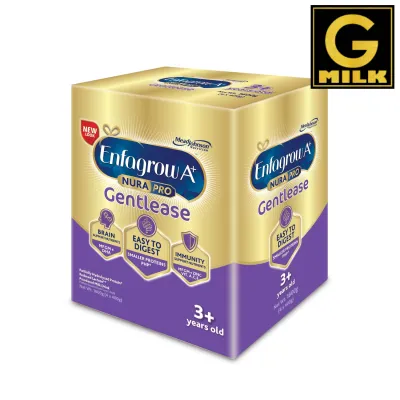
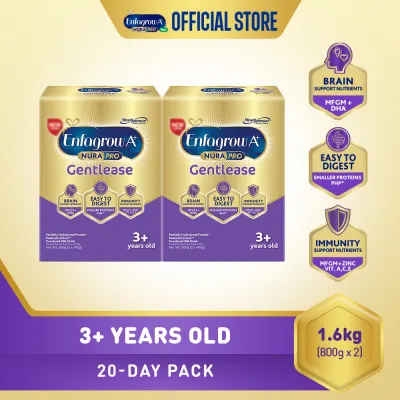
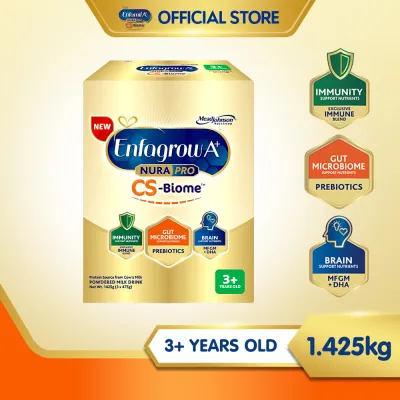
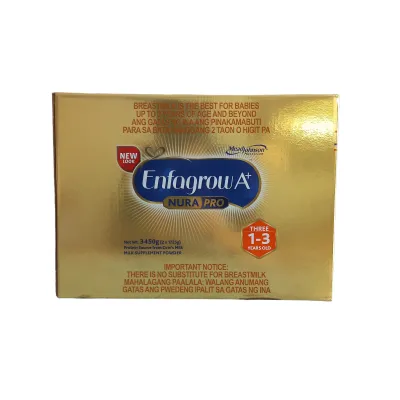
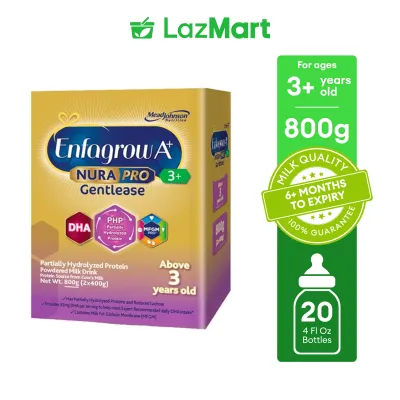
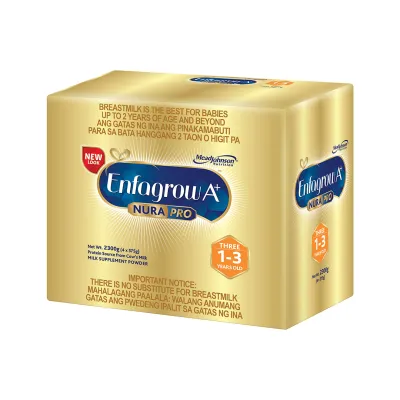
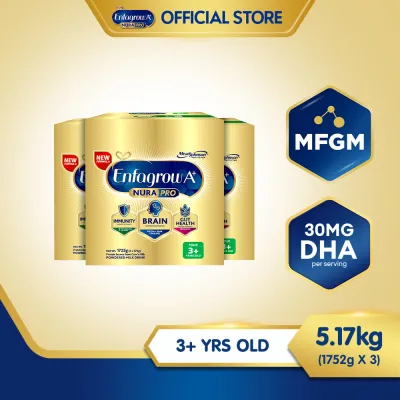
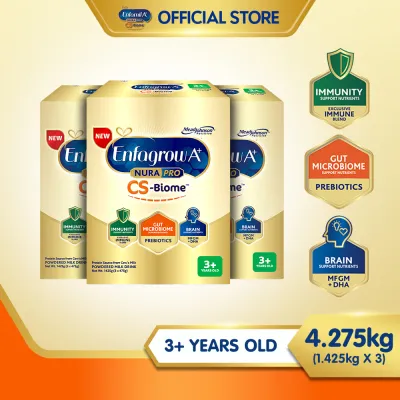
Prices are valid at publication and may change. Please refer to the product page for the latest price.
It is also crucial to observe your child for any signs of food sensitivities or allergies before introducing or switching formulas. Symptoms such as skin rashes, chronic gassiness, loose stools, or unusual fussiness after feeding can indicate an underlying sensitivity to cow’s milk protein or lactose. If you suspect your child has a food allergy, specialized formulations may be necessary. In such cases, standard toddler formulas should be avoided until you have consulted a healthcare professional for a proper diagnosis and tailored feeding plan.
Comparing Key Nutritional Profiles on the Label
To make an objective comparison between Enfagrow 3 Plus, Nido, and NAN, you must become adept at reading the guaranteed analysis and ingredient lists printed on their packaging. Manufacturers are required to list the exact amounts of vitamins, minerals, and macronutrients per serving or per 100 grams of powder. When holding these tins side by side, look closely at the levels of essential nutrients such as iron, zinc, calcium, and vitamins A, C, and D. Note which brand offers higher percentages of the specific nutrients your pediatrician has highlighted for your child’s growth.

Beyond basic vitamins and minerals, modern toddler formulas often feature functional ingredients designed to support brain development and immune health. Look for terms like docosahexaenoic acid (DHA), arachidonic acid (ARA), and specific prebiotics or probiotics on the ingredient list. While these components are highly publicized, their concentrations can vary significantly between brands. Check the label to verify the actual amounts of these ingredients per serving, keeping in mind that these are supplementary to a balanced diet of solid foods.
Another critical factor to evaluate is the source and type of carbohydrates used in each formula. Toddler milks can contain varying levels of naturally occurring lactose, maltodextrin, corn syrup solids, or sucrose. Carefully read the ingredient list to distinguish between natural milk sugars and added sugars. If you prefer to limit your child’s intake of added sugars to encourage healthy eating habits and protect emerging teeth, prioritize formulas that rely primarily on lactose as their carbohydrate source.
Evaluating Taste, Mixability, and Digestion
Even the most nutritionally complete formula is only effective if your toddler is willing to drink it. Children develop distinct taste preferences early on, and a sudden change in milk flavor can lead to bottle refusal. When introducing a new brand, observe your child’s initial reaction and willingness to consume the recommended serving. Some formulas have a sweeter profile, while others taste more neutral or slightly metallic due to added iron and minerals. If your child refuses a new milk, a gradual transition—mixing small amounts of the new formula with the old one over several days—can help them adapt to the new flavor.
Powder mixability is another practical consideration for busy parents, especially in humid tropical environments. High humidity can cause milk powder to absorb moisture quickly, leading to clumping inside the tin or during preparation. When preparing a bottle according to the manufacturer’s instructions, note how easily the powder dissolves in warm water. A formula that leaves significant residue, clumps, or clogs the nipple can make feeding times frustrating and may result in an inconsistent nutrient concentration in the prepared drink.
Most importantly, you must monitor how your toddler’s digestive system responds to each formula. Keep a close eye on their stool consistency, bowel movement frequency, and general comfort levels after feeding. Mild gas, occasional spitting up, or a sudden change in stool texture can occur during a transition period. However, persistent discomfort, hard stools, or diarrhea suggest that the specific protein or carbohydrate blend in that formula may not agree with your child’s digestive tract, signaling a need to re-evaluate your choice.
Calculating Cost and Value for Your Budget
The financial commitment of purchasing toddler formula is a long-term consideration for most households in the Philippines. To determine the true cost of each brand, avoid comparing shelf prices directly, as package sizes and scoop dimensions vary widely. Instead, calculate the cost per serving. You can find this by checking the manufacturer’s preparation instructions to see how many grams of powder are required for a standard serving, then dividing the total weight of the tin by this amount to find the total number of servings per package. Finally, divide the retail price by the number of servings to find the cost per cup.
When shopping, compare the value of standard pack sizes against larger bulk options or promotional bundles. Many brands offer significant savings when you purchase larger tins or multi-packs rather than single small boxes. These options are frequently available in physical supermarkets, warehouse clubs, and official brand stores on online marketplaces. However, before buying in bulk, ensure your child fully tolerates and enjoys the formula to avoid wasting a large quantity of product.
To estimate your realistic monthly expenses, factor in the manufacturer’s recommended daily servings alongside your child’s actual consumption. If a brand recommends two to three servings per day, multiply your calculated cost per serving by this daily frequency, and then by thirty days. This calculation provides a clear picture of how each formula fits into your monthly budget, allowing you to balance nutritional benefits with financial sustainability without relying on vague estimates.
Decision Framework: Which Formula Fits Your Child?
Choosing the right toddler formula requires a systematic approach that matches your child’s physical needs with your household’s practical realities. By synthesizing your observations of your child’s digestion, their taste preferences, and your budget calculations, you can identify the most suitable option.
Consider choosing Enfagrow 3 Plus if your pediatrician has recommended a formula with a specific focus on cognitive or immune-supporting nutrients, and your label comparison confirms that its formulation aligns with those goals. This option is suitable for parents who prioritize specific functional ingredients and find that the calculated cost per serving fits comfortably within their monthly household budget.
Opt for Nido if your toddler prefers its specific taste profile and shows excellent acceptance during feeding times. This choice is highly practical for families looking for a widely accessible option that blends easily in daily preparations and provides a balanced mix of essential vitamins and minerals to fill common dietary gaps.
Select NAN if your primary focus is digestive comfort and your observations show that your child maintains optimal stool consistency and minimal gas with this specific formulation. This brand is often favored when a toddler has shown mild sensitivities to other standard formulas and requires a blend that is highly compatible with their developing digestive system.
If your child exhibits persistent signs of discomfort, skin reactions, or digestive distress regardless of the brand, neither of these standard formulas may be appropriate. Stop use immediately and consult your pediatrician. They can evaluate your child for potential milk protein allergies or severe intolerances and recommend specialized, hypoallergenic, or lactose-free alternatives that ensure safe and adequate nutrition.
Frequently Asked Questions (FAQ)
Can I mix two different toddler formula brands in one bottle?
Mixing two different toddler formula brands in a single bottle is generally not recommended. Each brand is formulated with a specific concentration of nutrients, proteins, and minerals, and has its own designated scoop size and water-to-powder ratio. Combining them can alter the overall nutrient density and osmolarity of the feed, which may strain your toddler’s developing kidneys or cause digestive upset. To safely transition your child from one brand to another, it is best to feed them separate bottles of each brand at different times of the day, gradually increasing the number of new formula bottles while phasing out the old ones. This method also allows you to monitor your child’s tolerance and isolate the cause of any adverse reactions.
How long can I keep prepared toddler formula at room temperature?
Prepared toddler formula should generally not be kept at room temperature for more than two hours. In the warm and humid climate of the Philippines, bacteria can multiply rapidly in prepared milk, increasing the risk of foodborne illness. If your child does not finish a bottle within one hour of starting to drink, the remaining formula must be discarded, as bacteria from the child’s saliva can contaminate the milk. If you prepare a bottle in advance and do not feed it to your child immediately, store it in the refrigerator right away and use it within 24 hours. Always check the manufacturer’s packaging for specific storage instructions, as guidelines can vary slightly between brands.

Community discussion
Share your experience or ask a question. Comments are reviewed before publication.