
Choosing the right toddler formula for your three-year-old is a highly individualized decision that cannot be solved with a one-size-fits-all recommendation. While walking down the milk aisle of a local supermarket in the Philippines, you are confronted with prominent options like Enfagrow 3 Plus, Nido 3+, and NAN Optipro 3. Each of these brands presents distinct nutritional claims, taste profiles, and price points designed to appeal to different household needs. Finding the ideal match for your child requires looking past marketing slogans to verify specific label claims, observe your toddler’s physical acceptance, and calculate the true cost per serving based on actual preparation instructions.
As toddlers transition from a primarily liquid diet to solid family foods, their nutritional requirements shift dramatically. Milk at this stage serves as a supplement to, rather than a replacement for, balanced daily meals. Because every child’s eating habits, digestive sensitivity, and taste preferences differ, a formula that works exceptionally well for one household might not suit another. By establishing a systematic comparison method, you can confidently select a product that supports your toddler’s growth while respecting your family’s monthly budget.
How to Compare the Nutritional Profiles
Evaluating the nutritional value of Enfagrow 3 Plus, Nido 3+, and NAN Optipro 3 requires a close examination of the physical packaging rather than relying on promotional summaries. The nutrition facts panel on the back of the tin or pouch is your most reliable tool for understanding what your child is actually consuming. When comparing these products, focus on key nutrients that complement your toddler’s current diet, such as docosahexaenoic acid (DHA), iron, calcium, and prebiotics or probiotics.
Products mentioned in this guide
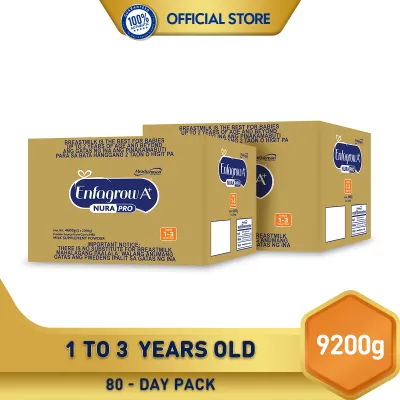
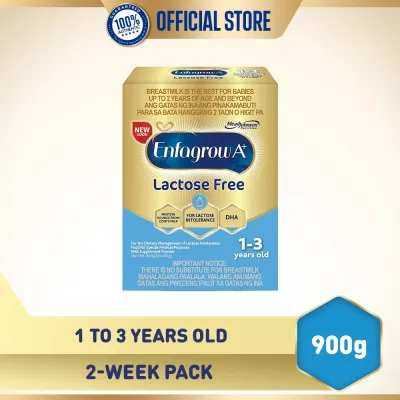
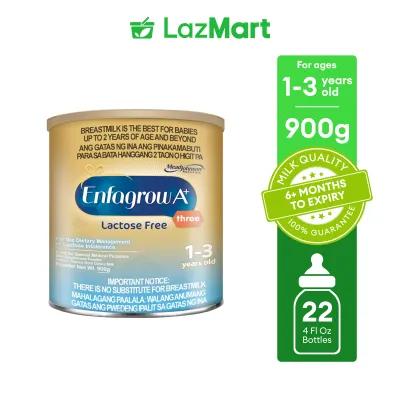
Prices are valid at publication and may change. Please refer to the product page for the latest price.
DHA is a common focal point in toddler nutrition, often highlighted for its role in supporting brain development. When reviewing the labels, check the exact milligrams of DHA per serving rather than just looking for the ingredient name in the list. Similarly, compare the levels of iron and calcium, which are crucial for supporting healthy blood oxygenation and bone development during active growth phases. If your toddler is a selective eater who consumes limited green leafy vegetables or dairy products, these fortified levels become highly significant.
Another critical factor is the presence of digestive support ingredients, such as specific prebiotic fibers or active probiotic cultures. Verifying these on the label helps you determine which formula aligns best with your child’s digestive patterns, particularly if they are prone to occasional constipation or loose stools.
Beyond the nutrient list, you must compare the serving size and the number of scoops required per serving. Different brands use different scoop sizes, meaning that one formula might require more powder per serving than another. This preparation ratio directly impacts the nutrient density of each prepared cup. Always calculate the nutrient delivery per prepared bottle rather than comparing dry powder values side-by-side.
Evaluating Taste, Mixability, and Toddler Acceptance
A formula’s nutritional profile is only beneficial if your toddler is willing to drink it consistently. Taste profiles vary significantly among Enfagrow 3 Plus, Nido 3+, and NAN Optipro 3, ranging from distinct vanilla flavors to more neutral, plain milk tastes. Before purchasing, check the ingredient list on the packaging to identify added sugars, such as sucrose, corn syrup solids, or maltodextrin, which are sometimes used to enhance flavor and sweetness.

Observing your child’s reaction during the first few feedings is essential. Note whether they drink the portion willingly, hesitate after the first sip, or reject the bottle entirely. Sudden changes in feeding behavior or immediate spit-ups can indicate a dislike for the taste or texture.
Mixability is another practical factor that directly affects daily preparation, especially in the warm and humid climate of the Philippines. When preparing a bottle, observe how easily the powder dissolves in lukewarm water. Some formulas dissolve rapidly with minimal shaking, while others may leave stubborn clumps at the bottom of the bottle. Persistent clumping can sometimes indicate that the powder has absorbed moisture from the air, highlighting the importance of proper storage in airtight containers.
To avoid financial waste, it is highly recommended to plan a small-scale trial before committing to bulk purchases. Most major brands offer smaller packaging options, such as 350g pouches or small tins, alongside their larger economy sizes. Buying the smallest available unit allows you to test both the toddler’s taste acceptance and the formula’s physical mixing properties without a significant upfront investment.
Calculating the True Cost per Serving
Comparing the shelf prices of different milk brands can be highly misleading because packaging sizes and preparation requirements vary widely. To understand the actual financial impact on your household budget, you must calculate the true cost per serving. This is achieved by dividing the retail price of the package by the total number of servings it yields, rather than simply comparing the price per gram.
To perform this calculation, look at the preparation instructions on the back of the packaging to find the recommended scoop-to-water ratio. Next, locate the net weight of the package and the weight of a single scoop, which is typically listed in grams. By dividing the total net weight by the weight of a single serving’s worth of powder, you can determine exactly how many bottles a single tin or pouch will produce.
For example, if a 900g tin requires 35g of powder per serving, it will yield approximately 25 servings. If another brand’s 900g tin requires 45g of powder per serving, it will only yield 20 servings. Even if both tins have the same retail price, the second brand is significantly more expensive on a per-serving basis. Using local currency (₱), map out these calculations for each brand to see how they fit into your weekly or monthly grocery budget.
Additionally, keep in mind that prices fluctuate based on where and how you purchase. Check authorized online stores, official brand flagship shops, and local supermarkets to compare prices. Many platforms offer bundle deals, loyalty points, or subscription discounts that can lower your long-term costs. However, avoid assuming these promotional prices are permanent, and always base your baseline budget on standard retail prices.
Decision Framework: Matching the Formula to Your Toddler
Selecting between Enfagrow 3 Plus, Nido 3+, and NAN Optipro 3 requires matching each product’s verified characteristics to your toddler’s unique physical needs and your family’s practical constraints. There is no universal winner in this comparison; instead, the decision should be guided by a structured framework of priorities.
You may want to choose Enfagrow 3 Plus if your primary goal aligns with its specific label claims, particularly regarding targeted brain development nutrients like DHA, and if your toddler prefers a slightly sweeter or vanilla-flavored profile. This option is often favored by parents who want to ensure high levels of specific micronutrients during critical developmental milestones, provided the per-serving cost fits comfortably within their household budget.
Alternatively, Nido 3+ may be the most suitable choice if you are looking for the specific fortification profiles indicated on its packaging, such as immune-supporting nutrients, and need a highly accessible option that fits a moderate per-serving budget. It is widely available across various retail formats in the Philippines, making it a convenient choice for busy households looking for reliable, everyday nutrition.
NAN Optipro 3 is worth considering if your child has sensitive digestion and you want to focus on its listed protein structure or specific digestive support ingredients. If your toddler experiences frequent tummy discomfort, gas, or irregular stool consistency, the optimized protein blend and active cultures often found in this range may support smoother digestion, provided you verify these ingredients on the label first.
Before making any final decision, it is crucial to verify whether your toddler has any underlying medical conditions, such as a diagnosed cow’s milk protein allergy or lactose intolerance. Standard versions of these three formulas are based on cow’s milk and are not suitable for children with these specific health challenges. In such cases, specialized hypoallergenic or lactose-free formulas are required, and you must consult a healthcare professional for a proper prescription.
If your toddler exhibits persistent signs of discomfort, stop using the formula immediately and seek professional medical guidance to identify the root cause of the intolerance.
Safe Transitioning and When to Consult a Pediatrician
When switching your toddler from one formula brand to another, executing the transition gradually is essential for protecting their developing digestive system. A sudden change in milk source can shock a toddler’s stomach, leading to temporary digestive upset, gas, or refusal to drink. A safe transition schedule typically spans several days, slowly introducing the new formula while phasing out the old one.
A common method involves mixing the powders or prepared milks in specific ratios over a transition period. For the first two days, you might prepare a bottle using three-quarters of the old formula and one-quarter of the new formula. If your toddler tolerates this well, you can move to a half-and-half mixture for the next two days, followed by a one-quarter to three-quarters ratio, before finally serving the new formula exclusively. This gradual approach allows both the taste buds and the gut enzymes to adapt smoothly.
During this transition phase, closely monitor your toddler for any physical signs of intolerance or allergic reactions. Look for changes in stool consistency, such as sudden diarrhea or severe constipation, as well as physical symptoms like excessive bloating, frequent spitting up, or unexplained skin rashes.
If you observe any adverse reactions, or if your toddler consistently refuses to feed over a 24-hour period, stop the transition immediately. Consult a qualified pediatrician or healthcare professional to evaluate the symptoms and receive personalized guidance on the safest dietary path forward.
Finally, avoid the temptation to switch formulas frequently based on minor daily fluctuations in your toddler’s appetite or stool appearance. Unless there are clear, immediate signs of an allergic reaction or severe intolerance, allow at least two weeks on a single formula to accurately assess its long-term suitability and nutritional impact.
Frequently Asked Questions (FAQ)
Can I mix two different toddler formula brands in one bottle?
Generally, pediatricians advise against mixing two different formula brands in a single bottle as a long-term feeding practice. Each brand is scientifically formulated with a precise balance of nutrients, proteins, and minerals designed to be dissolved in a specific volume of water. Combining different powders can alter the overall nutrient concentration and osmolality, potentially placing unnecessary strain on your toddler’s kidneys and digestive tract. If you are transitioning between brands, follow a structured, gradual transition plan, and always consult your pediatrician before attempting to blend different formulas or stages in one serving.
How long can I keep prepared toddler formula at room temperature?
Prepared toddler formula should not be kept at room temperature for more than two hours. In the warm and humid climate of the Philippines, bacteria can multiply rapidly in warm milk, increasing the risk of foodborne illness. If you prepare a bottle in advance, store it immediately in the refrigerator and use it within 24 hours. Most importantly, if your toddler has already started drinking from a bottle, any leftover formula must be discarded within one hour of the start of the feeding. Saliva introduces bacteria into the bottle, which can quickly contaminate the remaining milk.

Community discussion
Share your experience or ask a question. Comments are reviewed before publication.