
Finding the ideal diaper pants among Endebao, Pampers, Huggies, and Equator depends entirely on your baby’s unique body shape, activity level, and skin sensitivity, as no single brand universally outperforms the others in every condition. Rather than relying on generalized marketing claims, parents must evaluate specific design features, material declarations, and real-world fit. The tropical climate of the Philippines, characterized by high heat and humidity, makes this choice even more critical to ensure your baby remains comfortable and free from diaper rash. This guide provides a structured framework to compare these brands across critical performance dimensions, helping you match the right diaper pants to your baby’s daily and nightly needs.
By focusing on observable physical characteristics and practical testing methods, you can bypass brand hype and make an objective decision. Whether you are prioritizing overnight dryness, maximum breathability for active daytime play, or a budget-friendly option that does not compromise on basic protection, understanding what to look for on the packaging and the product itself is key. Let us explore how to systematically evaluate these four options to find the perfect match for your household.
Evaluating Absorbency and Leak Protection
To accurately assess how well diaper pants contain wetness, you must look beyond basic packaging claims and inspect the physical construction of the core. Modern diaper pants generally utilize a blend of Superabsorbent Polymers (SAP) and cellulose pulp to trap liquid. When evaluating brands like Pampers, Huggies, Endebao, or Equator, check the packaging for explicit descriptions of their core technology, such as multi-layer absorption channels or specialized distribution layers designed to draw wetness away from the skin quickly. A wetness indicator line on the exterior is also a highly useful feature, changing color to signal when a change is necessary before a leak occurs.
Products mentioned in this guide
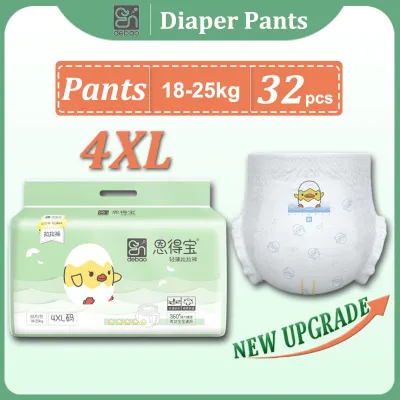
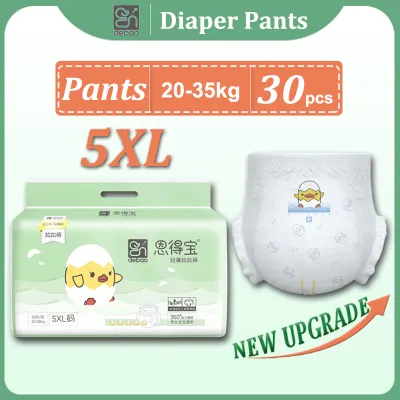
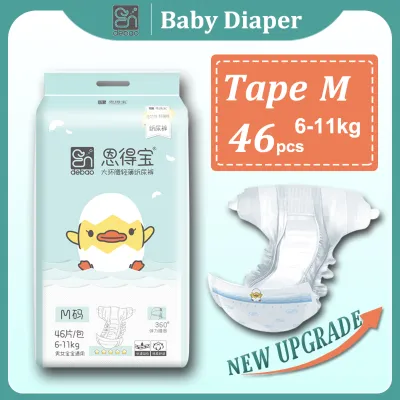
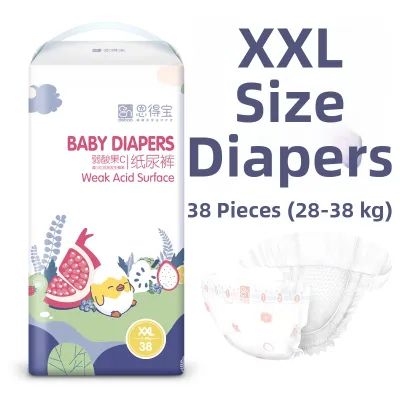
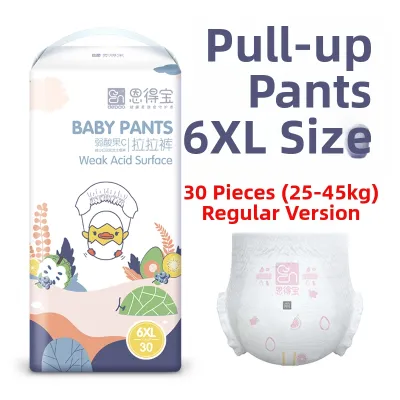
Prices are valid at publication and may change. Please refer to the product page for the latest price.
Beyond the core, the diaper’s physical barriers play a vital role in preventing messy blowouts and side leaks. Open a sample diaper and inspect the height and elasticity of the inner leak guards, which are the fabric barriers running along the leg openings. These guards should stand upright and feel soft yet resilient. The outer leg cuffs should feature flexible, multi-strand elastics that hug your baby’s thighs gently without digging in, creating a secure seal that accommodates constant movement during crawling or walking.
Real-world monitoring is the ultimate test of absorbency and leak protection in your specific home environment. Observe how the diaper behaves after several hours of use or overnight. Look for signs of core sagging, which occurs when the absorbent material clumps together and pulls away from the waistband, potentially causing gaps. You can perform a simple touch test by pressing a dry paper towel against the inner lining of a moderately wet diaper; if the towel remains dry, the core is successfully locking moisture away from your baby’s skin.
Checking Fit, Elasticity, and Sizing
A diaper’s performance is heavily dependent on how well it conforms to your baby’s unique anatomy. The waistband of diaper pants must offer a balance of high elasticity and gentle recovery. When examining Endebao, Equator, Pampers, or Huggies, stretch the waistband fully to feel the resistance. A high-quality waistband should expand easily to accommodate a round belly after feeding, yet contract securely enough to prevent the pants from sliding down as the diaper fills. Inspect your baby’s skin during changes; if you notice deep, persistent red marks around the waist or hips, the elastic may be too tight or the cut may be too narrow.

Sizing standards can vary dramatically between legacy brands and newer market entries. A “Large” size in Endebao or Equator may not share the same physical dimensions or weight recommendations as a “Large” in Pampers or Huggies. Always consult the specific weight-to-size chart printed on the back of each package rather than relying solely on the letter size. If your baby is approaching the upper weight limit of a size bracket, or if they have particularly round thighs or a prominent belly, transitioning to the next size up is often necessary to maintain a comfortable fit.
Additionally, consider the rise of the diaper pants, which refers to how high the waistband sits on your baby’s torso. High-rise cuts provide excellent coverage and security for active babies who climb and bend, helping to contain rear blowouts. Low-rise cuts may offer a lighter feel but can be prone to slipping during vigorous play. Observe how the diaper moves with your baby; if the leg openings gap during movement or if the waistband constantly rolls downward, the cut is not compatible with your baby’s current developmental stage.
Assessing Breathability and Skin-Friendly Materials
In tropical climates, managing heat and moisture buildup inside the diaper is essential for maintaining skin integrity. High humidity can trap sweat and urine against the skin, rapidly leading to diaper dermatitis. To evaluate breathability, inspect the outer backsheet of the diaper pants. Look for micro-pores or textured, cloth-like outer layers that allow hot air to escape while keeping liquid contained. A stiff, plastic-like outer cover is a strong indicator of poor airflow and should generally be avoided for daily wear.
Material safety and skin compatibility require careful inspection of the manufacturer’s declarations. Examine the packaging for terms such as “hypoallergenic,” “fragrance-free,” or “free from elemental chlorine bleaching.” Many premium diaper lines incorporate soothing lotions or cotton-like topsheets to minimize friction against delicate skin. If your baby has highly sensitive skin, prioritize brands that explicitly declare the absence of added perfumes, dyes, and common allergens on their official labels.
Because every baby’s skin chemistry is unique, the most reliable way to verify skin compatibility is through a controlled trial. When introducing a new brand like Endebao or Equator alongside your usual Pampers or Huggies, monitor your baby’s skin closely for the first forty-eight hours. Check for localized redness, dry patches, or small bumps in areas of direct contact, such as the waistband and leg elastics. If any unexplained irritation or rash develops, stop using the diaper immediately, revert to a known safe brand, and consult a pediatrician if the condition persists.
Calculating Cost per Diaper and Overall Value
Managing household expenses requires a systematic approach to calculating the true cost of diapering. Comparing total package prices is often misleading because pack counts vary widely between brands and sizes. To find the true financial impact, divide the total retail price of the pack by the exact number of diaper pants inside to determine the cost per piece (₱). Keep a running log of this unit cost across different retailers to identify where the most consistent savings are found.
However, a low cost per piece does not automatically translate to superior value. If a budget-friendly diaper pants brand leaks frequently or sags after a single wetting, you will find yourself changing your baby far more often, thereby consuming more diapers per day. Conversely, a slightly more expensive diaper with high absorbency might last longer between changes, ultimately reducing your overall daily consumption. Balance the unit price against the diaper’s real-world durability to find the most cost-effective solution for your daily routine.
Your purchasing strategy also plays a major role in maximizing value. Bulk packaging and monthly subscription boxes offered on official brand stores or reputable e-commerce platforms often yield a significantly lower cost per piece than buying small packs at local convenience stores. However, local supermarkets remain invaluable for immediate, single-pack purchases when you need to verify a new size or brand before committing to a large bulk order. Factor in shipping costs and delivery times when comparing online deals to local retail prices.
Decision Framework: Which Diaper Pants Fit Your Baby Best?
Selecting the right diaper pants involves matching your household budget and your baby’s physical needs to the specific strengths of each brand. Use the following guidelines to structure your decision:
- Choose Endebao if you are looking for a highly budget-conscious option for daytime use, and your baby's current weight and body shape align well with the sizing dimensions specified on their packaging.
- Choose Pampers or Huggies if your baby has highly sensitive skin that requires verified premium materials, if you need specialized overnight protection with high-capacity cores, or if you prefer the sizing consistency and wide availability of established legacy brands.
- Choose Equator if you want a reliable, mid-tier utility diaper that offers a balanced cost-per-piece, and whose bulk packaging options fit seamlessly into your regular household restocking schedule.
Before committing to a large inventory of any brand, always conduct a small-scale trial to verify fit and skin compatibility. If your baby has a documented history of severe skin allergies or contact dermatitis, carefully review the ingredient and material declarations on the packaging, or consult a pediatrician for personalized recommendations. Remember that your baby’s diapering needs will evolve as they grow, requiring you to periodically reassess your choices to ensure continued comfort and protection.
Frequently Asked Questions (FAQ)
How do I know if it is time to size up my baby's diaper pants?
Several clear physical indicators suggest your baby has outgrown their current diaper size. Look for persistent red marks or indentations around your baby’s thighs and waist, which indicate the elastics are under excessive tension. Frequent leaks, especially when the diaper is not fully saturated, often mean the rise is too low or the absorbent core is too small to contain the volume of wetness. Additionally, if you find it difficult to pull the diaper pants up over your baby’s hips, or if your baby’s weight has reached the upper limit of the range printed on the packaging, it is time to transition to the next size.
Can I mix different diaper brands for daytime and nighttime use?
Mixing different diaper brands is an excellent, cost-effective strategy used by many parents to balance comfort and budget. During the day, when changes are frequent and your baby is highly active, you can opt for lighter, highly breathable diaper pants that prioritize mobility and airflow to prevent chafing. For nighttime, you can switch to a high-capacity, premium diaper pants brand designed specifically for extended wear to ensure uninterrupted sleep. When employing this strategy, ensure that both brands are fully compatible with your baby’s skin and do not cause localized irritation.

Community discussion
Share your experience or ask a question. Comments are reviewed before publication.