
Deciding between an electric breast pump and a manual one is a highly personal choice that depends on your daily routine, how often you plan to express milk, and your budget. An electric pump for breast milk is generally the most efficient option for mothers who need to pump multiple times a day, such as those returning to a full-time office job or exclusively pumping. On the other hand, a manual breast pump offers unmatched portability, silent operation, and a lower price point, making it ideal for occasional use, travel, or relieving sudden engorgement. By evaluating your specific lifestyle needs, you can select the tool that best supports your breastfeeding journey without causing unnecessary stress or financial strain.
Core Differences Between Electric and Manual Breast Pumps
Understanding the fundamental mechanical and operational distinctions between electric and manual breast pumps is the first step in making an informed decision. The primary difference lies in the power source and suction mechanism. Electric pumps utilize an integrated motor powered by batteries, a rechargeable USB port, or a direct wall outlet to automate the suction cycle. This motor creates a consistent, rhythmic pull that mimics a baby’s natural nursing pattern. In contrast, manual pumps rely entirely on physical effort. You compress a hand-operated lever or handle to create suction, meaning you control the speed, strength, and rhythm of every single expression cycle.
Noise levels and privacy considerations also vary significantly between the two types. The motor in an electric pump naturally produces a humming or buzzing sound. While modern designs aim to minimize this noise, it remains audible in quiet rooms, which might affect your privacy during office hours or late-night sessions at home. Manual pumps, however, operate in complete silence. Because there are no mechanical parts or motors, you can express milk discreetly in shared spaces, during virtual meetings, or right next to a sleeping baby without disturbing anyone.
Products mentioned in this guide
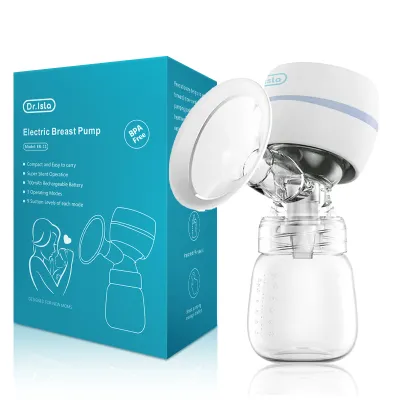
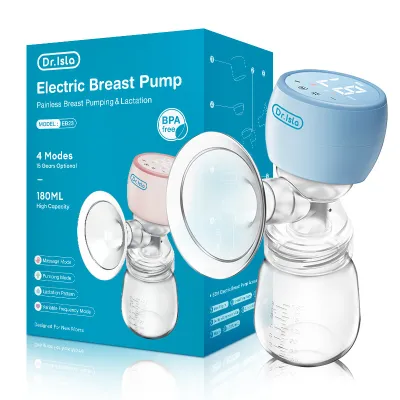
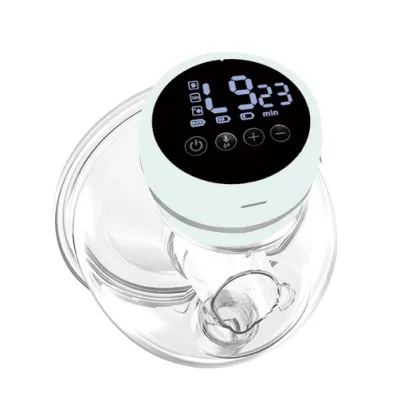
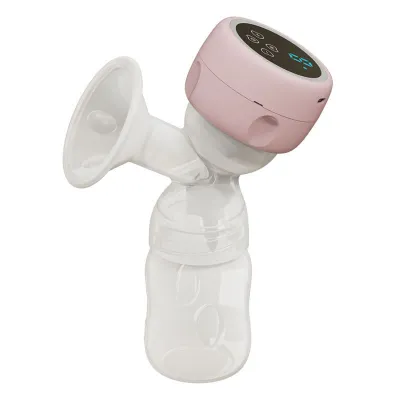
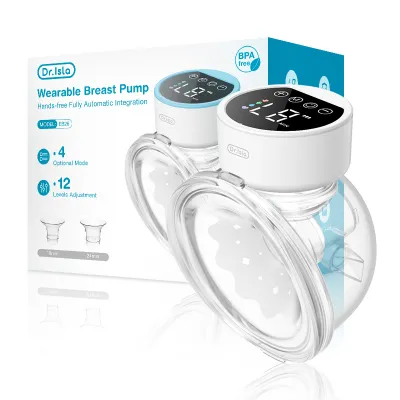
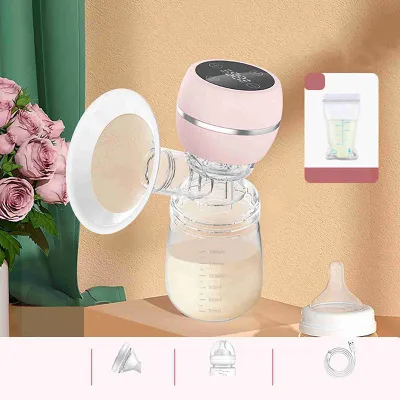
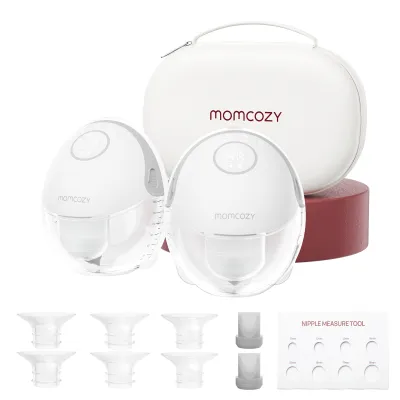
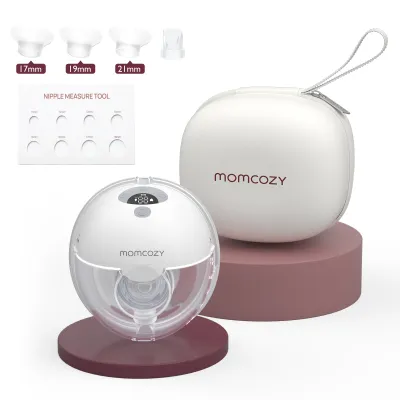
Prices are valid at publication and may change. Please refer to the product page for the latest price.
Weight, size, and portability are additional trade-offs to consider when carrying your equipment daily. Electric pumps, especially double electric models, require a central motor unit, tubing, power adapters, and multiple collection bottles. This setup can be bulky and heavy to carry in a daily commuter bag, especially when navigating public transportation. Manual pumps are lightweight, compact, and self-contained. They consist of a single bottle, a breast shield, and a manual lever, allowing you to slip the entire unit into a small handbag or diaper bag without feeling weighed down.
When an Electric Pump for Breast Milk Makes Sense
For mothers with high-frequency pumping needs, an electric pump for breast milk is highly practical. If you plan to express milk multiple times a day, return to full-time work, or choose to pump exclusively, the automated suction saves significant time and physical energy. A double electric pump allows you to express from both breasts simultaneously, which can cut your pumping time in half compared to single-sided expression. This efficiency is crucial for maintaining a consistent milk supply when you are away from your baby for extended periods.

Busy schedules also make hands-free or wearable configurations highly appealing. Many modern electric pumps feature tubeless, wireless designs that fit directly inside a standard nursing bra. These wearable models allow you to move around, prepare meals, or work at a desk while expressing milk. Even standard electric pumps often feature lanyard options or belt clips, giving you more freedom of movement than a manual pump, which always requires at least one hand to operate the lever.
Adjustable suction and cycle settings are another major advantage of electric models. Most electric pumps start with a rapid, shallow stimulation mode designed to trigger your let-down reflex, then transition to a deeper, slower expression mode. This adjustability allows you to fine-tune the settings to match your personal comfort level, which can help prevent nipple discomfort and make the expression process feel more natural. Being able to control both speed and suction strength helps customize the experience to your body’s unique response.
When a Manual Breast Pump Is the Better Fit
A manual breast pump is often the better fit for occasional use, travel, or strict budget constraints. If you primarily nurse your baby directly and only need to pump occasionally—such as for a rare evening out or to let a partner handle a single feeding—a manual pump is more than sufficient. It is also an excellent tool for quickly relieving breast engorgement. If your breasts feel uncomfortably full or hard, a few quick pumps with a manual device can soften the breast and make it easier for your baby to latch.
For travel and power independence, manual pumps are unmatched. In tropical climates where power outages or sudden tropical storms can interrupt electricity, a manual pump provides reliable peace of mind. It requires no electrical outlets, charging cables, or batteries. You can use it anywhere, whether you are traveling, commuting, or spending the day outdoors. This independence makes it a dependable backup option even for mothers who primarily use an electric pump as their main device.
Lower upfront costs in ₱ and simpler maintenance are also significant benefits. Manual pumps have a lower purchase price compared to electric models, making them highly accessible for families managing a tight budget. Additionally, they feature fewer mechanical parts. With no tubing, motors, or electrical components to worry about, manual pumps are incredibly straightforward to disassemble, wash, and sanitize, saving you valuable time during your daily cleaning routine.
Essential Features and Safety Checks Before You Buy
Regardless of which pump type you choose, proper flange sizing is critical for comfort and milk expression. The flange is the funnel-shaped plastic piece that fits over your breast. If the flange is too small or too large, your nipple will rub against the tunnel walls, which can cause friction, pain, and tissue damage. Always measure your nipple diameter and consult the manufacturer’s sizing guide before purchasing. Many brands offer alternative flange sizes or silicone inserts to help you achieve a secure, comfortable fit.
In warm, humid environments, keeping pump parts clean is essential to prevent the growth of mold and bacteria. You must wash all parts that come into contact with breast milk after every single use, following the specific instructions in your product manual. Check whether your pump parts are compatible with steam sterilizers, boiling water, or UV sterilizers. Never wash or submerge electric motor units or tubing in water; instead, wipe them down with a clean, damp cloth as directed by the manufacturer. If your pump uses a closed system, it will have a physical barrier to prevent milk from entering the tubing, which is highly recommended for maintaining hygiene in humid climates.
Before making your final decision, check the warranty terms and the local availability of replacement parts. Consumable components like silicone valves, membranes, and diaphragms wear out over time and lose their elasticity, which directly reduces suction power. Ensure you can easily purchase official replacement parts from authorized local distributors or reputable online marketplaces. Using worn-out parts or incompatible third-party accessories can compromise your pump’s performance and void your warranty.
Frequently Asked Questions (FAQ)
Can I use both an electric and a manual pump?
Yes, many mothers find that using a combination of both pumps offers the ultimate flexibility. You can keep a high-efficiency electric pump at your primary workplace or home station for regular, high-volume sessions, while keeping a compact manual pump in your diaper bag or car for emergencies, travel, or quick let-down capture. If you choose to use both, check if the brands you select use compatible bottles and flanges. Some systems allow you to thread the same bottle directly onto both your electric motor assembly and your manual pump handle, reducing the number of items you need to wash and organize.
How do I know if my pump is affecting my milk supply?
You can monitor your milk supply by tracking your output volume and the time it takes to empty your breasts over several consecutive days. A sudden or gradual drop in milk volume can sometimes indicate a mechanical issue rather than a physical change in your body. Check your pump for worn-out valves, cracked membranes, or loose tubing connections, as even tiny air leaks can severely reduce suction. Also, verify that your flange still fits correctly, as breast shape and size can change throughout your breastfeeding journey. If you experience persistent pain, bleeding, or a continuous decrease in supply despite checking your equipment, stop using the pump immediately and consult a lactation consultant or a healthcare professional.

Community discussion
Share your experience or ask a question. Comments are reviewed before publication.