
Choosing the right nasal aspirator for your baby is a decision that directly impacts your child’s comfort and your peace of mind. When infants experience nasal congestion, they cannot clear their own airways, which can disrupt their feeding, sleeping, and overall mood. The choice between an electric and a manual nasal aspirator depends on your baby’s age, the severity of their congestion, and your personal preference for convenience.
Manual options, such as classic bulb syringes and mouth-suction tubes, are highly portable, budget-friendly, and excellent for occasional, mild congestion. Electric models, on the other hand, provide consistent, motorized suction that can make clearing stubborn or frequent mucus much easier, especially during cold seasons. Before purchasing any device, it is essential to verify the manufacturer’s age recommendations and safety guidelines, and always consult a pediatrician if your baby shows persistent signs of respiratory distress.
How Manual and Electric Aspirators Actually Work
To make an informed choice, it helps to understand how these two categories of devices generate suction to clear your baby’s nasal passages. Manual aspirators rely entirely on physical force or parental breath control. The traditional bulb syringe operates through simple air displacement; compressing the rubber bulb expels air, and releasing it while the tip is placed at the nostril opening creates a vacuum that draws out mucus. Mouth-suction aspirators utilize a flexible tube where one end goes into the baby’s nostril and the other goes into the parent’s mouth. When the parent inhales, they create a controlled vacuum, with a physical filter in the middle preventing any contact with the mucus.
Products mentioned in this guide
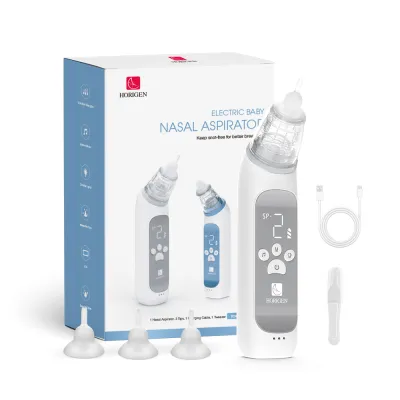
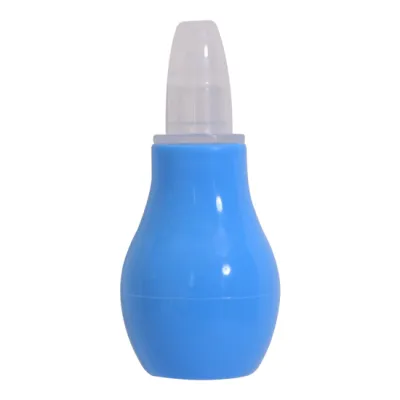
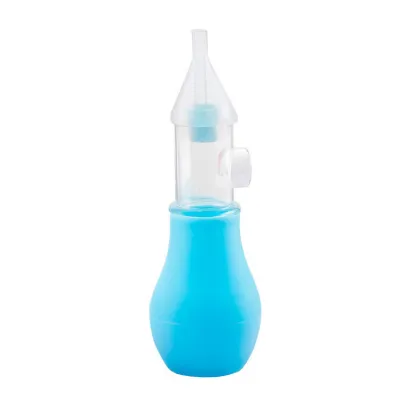
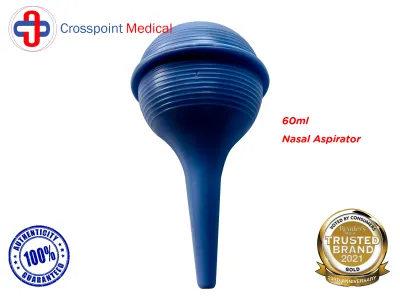
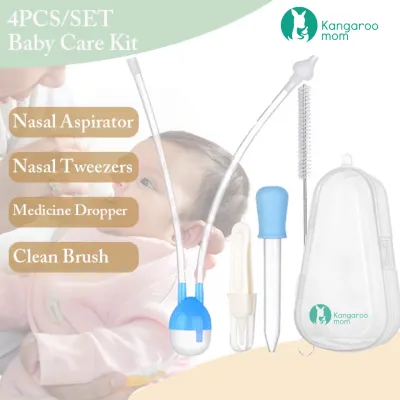
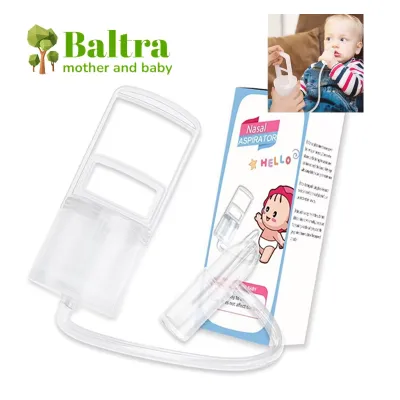
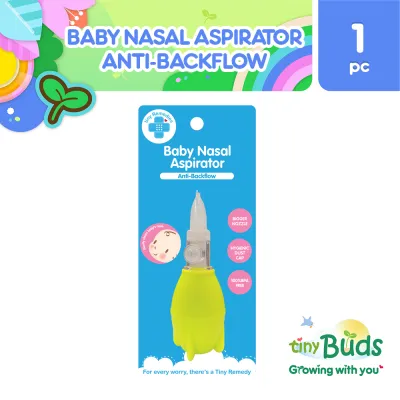
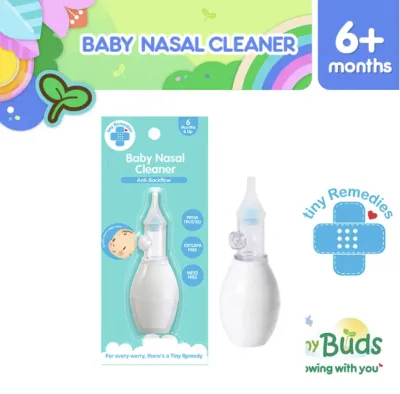
Prices are valid at publication and may change. Please refer to the product page for the latest price.
Electric nasal aspirators replace physical effort with a small, motorized pump. These devices are powered either by disposable batteries or rechargeable lithium-ion batteries via a USB cable. When activated, the motor creates a continuous, steady stream of suction at the tip of the nozzle. Many electric models feature adjustable power settings, allowing parents to select different suction levels depending on the thickness of the mucus. However, the actual suction strength, safety limits, and age suitability vary significantly by brand, making it vital to read the manufacturer’s specifications before use.
What to Compare: Suction, Cleaning, and Daily Convenience
When evaluating these devices for daily use, several practical factors come into play, starting with suction control. Manual mouth-suction aspirators offer unparalleled, real-time control because you can instantly adjust the strength of the suction simply by breathing in harder or softer. This allows you to respond immediately to your baby’s comfort level. Bulb syringes offer less precision, as the suction force is determined by how quickly the rubber expands. Electric models provide consistent, steady suction that does not rely on your lung capacity, but you must manually toggle buttons to change the settings, which requires checking the manufacturer’s guidelines to avoid using excessive pressure on delicate tissues.

Cleaning and hygiene are critical considerations, particularly in warm, humid climates like the Philippines, where moisture can easily trap bacteria and mold. Manual bulb syringes can be difficult to clean and dry inside because of their opaque, one-piece design, which often leads parents to discard them after a short period. Mouth-suction tubes generally disassemble completely, allowing you to wash and dry every component thoroughly. Electric aspirators feature detachable silicone tips and collection cups that must be washed after every use, but because the main body houses a motor and electrical components, it cannot be submerged in water, requiring careful wipe-downs instead.
Portability and power management also differentiate these two types. Manual aspirators are lightweight, compact, and require no external power, making them the perfect addition to a travel diaper bag or for quick use on the go. Electric aspirators are heavier and bulkier due to their internal motors and batteries. If you choose an electric model, you must ensure it is charged or has fresh batteries installed, which adds an extra step to your preparation routine.
Noise and comfort can greatly influence how cooperative your baby will be during the process. Electric aspirators produce a distinct humming sound and vibration from the motor, which can sometimes startle or upset sensitive infants. Manual aspirators are completely silent, which can make the process less intimidating for a fussy baby. However, some infants may still resist the physical sensation of having any tip placed near their nostrils, regardless of whether the device makes noise. Observing your baby’s individual tolerance is key to a smooth experience.
Quick Comparison: Electric vs. Manual Features
To help you visualize the primary differences between these two categories, the table below outlines their key structural and functional characteristics.
| Feature | Manual Aspirator | Electric Aspirator |
|---|---|---|
| Suction Generation | Physical compression or parental breath | Motorized pump (battery or rechargeable) |
| Adjustability | Manual control via breath or hand pressure | Pre-set electronic speed/suction levels |
| Cleaning Effort | Simple disassembly; bulb types can be hard to dry | Detachable parts; motor base must stay dry |
| Portability | High; lightweight and fits in any bag | Moderate; requires batteries, cables, or case |
| Noise Level | Completely silent | Low motorized hum or vibration |
| Typical Price Tier | Budget-friendly (₱) | Premium investment (₱₱ to ₱₱₱) |
Please note that individual product designs can vary significantly across different brands. Some manual models may feature advanced filtration systems, while certain electric models might include quiet motors or built-in music to distract your baby. Always check the specific product label and manual to confirm features, cleaning instructions, and age limits.
Which Type Should You Buy? A Decision Guide
Your final decision should align with your household’s specific needs, your baby’s health profile, and your lifestyle.
You should consider buying a manual aspirator if you are primarily dealing with mild, occasional congestion, such as seasonal stuffiness or minor colds. They are also the ideal choice if you travel frequently and need a lightweight, reliable backup that does not require charging or batteries. Additionally, if you are working within a strict budget, a high-quality manual mouth-suction aspirator offers excellent value and precise control without a premium price tag.
An electric aspirator may be the better choice if your baby experiences frequent, thick, or stubborn nasal congestion that requires regular clearing. It is also highly beneficial if you prefer consistent, motorized suction that does not require physical effort or lung power. If your baby is comfortable with mild motor noises and you want a device that can be operated quickly with one hand while you use your other hand to gently stabilize your baby, an electric model is a worthwhile investment.
However, neither type may be suitable, or you must verify safety first, if your baby has a history of premature birth, narrow nasal passages, or underlying respiratory conditions. If your baby is showing signs of severe breathing difficulties, such as rapid breathing, flaring nostrils, or chest retractions, do not attempt to use any suction device. In these critical situations, stop immediately and consult a pediatrician or seek emergency medical care.
Safety Limits and Hygiene Rules for Nasal Care
Using a nasal aspirator safely requires strict adherence to hygiene and usage limits to protect your baby’s delicate nasal passages. The lining of an infant’s nose is incredibly sensitive and prone to swelling or minor bleeding if subjected to excessive suction or rough handling. If you notice any signs of nasal irritation, such as redness, bleeding, or increased fussiness during suctioning, stop using the device immediately and seek professional medical advice.
Proper sterilization and drying are essential to prevent the growth of mold and bacteria, especially in humid environments. Always follow the specific instructions in your product’s manual for cleaning. Many silicone tips and plastic collection chambers can be sterilized in boiling water or a steam sterilizer, but you must verify this first to avoid melting the parts. Ensure every component is completely dry before reassembling the device or storing it in a closed container, as trapped moisture is a primary cause of mold.
It is also important to remember that nasal aspirators are designed for temporary symptom relief, not as a cure for the underlying illness. Clearing your baby’s nose can help them breathe easier during feedings or sleep, but it does not treat the cold or allergy causing the mucus. If your baby’s congestion persists for more than a few days, or if it is accompanied by a fever, cough, or other symptoms, consult a healthcare professional for a comprehensive evaluation.
Frequently Asked Questions (FAQ)
Can I use a nasal aspirator on a newborn?
Yes, but you must exercise extreme caution and verify the product’s suitability first. Always check the manufacturer’s packaging to confirm the minimum age and weight requirements for the specific model you plan to use. Because newborns have highly delicate nasal passages and developing airways, it is highly recommended to consult your pediatrician before introducing any nasal suction device to ensure it is safe for your baby’s specific developmental stage.
How often should I suction my baby's nose?
Nasal suctioning should be limited to necessary moments, such as right before feeding or before putting your baby down to sleep, when congestion actively interferes with their ability to breathe or eat comfortably. Avoid suctioning too frequently throughout the day, as excessive use can irritate the sensitive nasal lining, cause swelling, and actually worsen the congestion. If you observe signs of irritation or redness, pause suctioning and consult a professional.

Community discussion
Share your experience or ask a question. Comments are reviewed before publication.