
Choosing between rubber and foam edge protectors is a critical decision when baby-proofing your home. While both materials cushion sharp edges, they perform differently based on density, durability, and how they interact with your furniture. Rubber edge protectors offer a dense, highly durable barrier that resists tearing and heavy impacts, making them ideal for sharp corners and active toddlers. Foam edge protectors provide a soft, lightweight, and highly flexible cushion that easily wraps around long, curved surfaces. Selecting the right material requires balancing your child’s developmental stage, the specific furniture in your living space, and environmental factors like indoor humidity.
Key Differences Between Rubber and Foam Materials
Density and impact absorption are the primary physical differences between these two materials. Rubber is a dense, heavy elastomer that absorbs high-energy impacts by distributing force across its firm structure. When a child bumps into a rubber protector, the material resists bottoming out, preventing contact with the hard surface underneath. Foam, typically made from expanded polymers like nitrile butadiene rubber (NBR), is lightweight and filled with tiny air pockets. This structure makes foam highly compressible and soft to the touch, providing excellent cushioning for low-impact bumps, though it can compress completely under heavy force.
Flexibility and conformability dictate how easily each material adapts to different shapes. Foam is exceptionally pliable, allowing caregivers to bend, stretch, and cut it to fit irregular shapes or wrap around circular table edges without resistance. Rubber is much stiffer and holds its pre-molded shape. While rubber can be cut to size, bending it around tight, non-standard curves often requires precise slicing or specialized corner pieces to prevent the material from pulling away from the adhesive.
Products mentioned in this guide
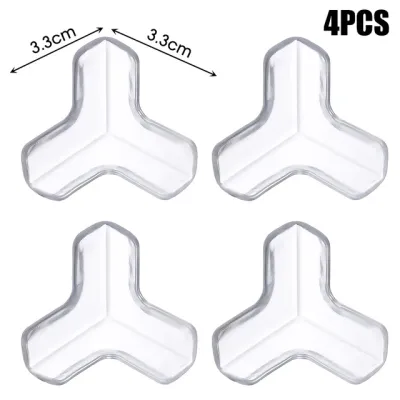
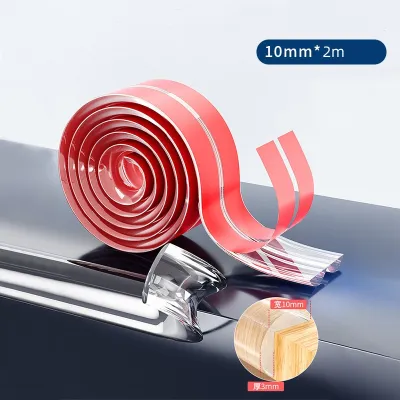
Prices are valid at publication and may change. Please refer to the product page for the latest price.
Surface texture and cleaning requirements also vary significantly. Foam protectors often have a semi-porous surface that can trap dust, food particles, and liquids. In warm, humid tropical climates, this porosity can make foam susceptible to absorbing sweat and moisture, potentially leading to mold or mildew growth if not cleaned regularly. Rubber features a smooth, non-porous surface that resists liquid absorption. Spills, drool, and dirt can be easily wiped off a rubber protector with a damp cloth, making it a highly hygienic option for busy households.
Matching Protector Materials to Furniture Types
The shape and material of your furniture play a major role in determining which protector will stay secure and look neat. Sharp 90-degree corners, such as those on heavy wooden dining tables or low coffee tables, are best served by pre-molded rubber corner guards. These guards are engineered to fit snugly over right angles, providing thick protection right at the point of greatest danger. For curved or irregular edges, such as round glass tables or decorative molded baseboards, flexible foam rolls are much easier to install because they conform smoothly to the contours without buckling.

Adhesion compatibility varies across different furniture surfaces. Glass, metal, and polished laminates generally provide excellent grip for double-sided adhesives, but they can also show unsightly residue when the protectors are removed. Solid wood furniture with delicate varnishes or oil finishes requires extra caution. Strong adhesives can strip away the finish or paint upon removal, so testing the tape on an inconspicuous area is essential. Foam, being lighter, requires less adhesive strength to stay in place on vertical surfaces, whereas heavy rubber protectors demand high-tack adhesive tape to prevent gravity from pulling them down over time.
High-traffic areas demand materials that can withstand daily wear and tear. Living room furniture, hallway baseboards, and low shelves are frequently bumped by vacuum cleaners, toys, and passing family members. Foam protectors in these zones can easily scuff, chunk, or tear when subjected to friction. Rubber protectors are highly resilient against abrasive forces, maintaining their structural integrity even when repeatedly kicked or scraped, making them the preferred choice for high-traffic pathways.
Considering Your Baby's Age and Mobility Stage
A child’s physical development and mobility stage should guide your baby-proofing strategy. During the crawling stage, babies spend most of their time close to the floor. Their primary hazards are low-level furniture edges, bottom shelves, TV consoles, and baseboards. Because crawling babies move at a relatively slow pace, foam protectors are highly suitable for these low areas. They offer soft, economical coverage over long horizontal stretches where minor bumps are common as the baby learns to navigate the room.
As babies transition to the toddler stage, they begin pulling themselves up to a standing position and taking their first steps. This stage introduces higher hazards, such as the edges of dining tables, kitchen countertops, and desks. Toddlers move with greater speed and force, and their increased height means a fall against an edge carries more momentum. The dense, impact-resistant nature of rubber is highly beneficial here, as it prevents the toddler from bottoming out against the hard furniture surface during a heavy fall. Additionally, toddlers possess significant pulling strength and may attempt to rip the protectors off the furniture, a challenge that rubber’s weight and firm adhesion resist better than lightweight foam.
The chewing and mouthing phase presents unique safety challenges that caregivers must address. Babies naturally explore their environment by putting objects in their mouths, and installed edge protectors are often at perfect teething height. Foam is soft and satisfying to chew, but it is easily punctured and torn by tiny teeth. This creates a severe choking hazard if a baby manages to bite off and swallow a piece of the foam. While rubber is much tougher and harder to tear, no material is entirely immune to damage. Caregivers must verify manufacturer warnings regarding chemical safety, non-toxicity, and choking hazards, ensuring that any installed protector is rated safe for homes with teething infants.
Installation, Adhesion, and Removal Checks
Proper installation is key to ensuring that edge protectors remain secure and functional. Before applying any adhesive, the furniture surface must be thoroughly cleaned to remove dust, grease, polish, and household oils. Use a mild cleaning solution or rubbing alcohol, depending on the furniture material, and allow the surface to dry completely. In humid tropical environments, even a small amount of trapped moisture can severely compromise the adhesive bond, causing the protector to peel away within days.
Before committing to a full installation, always check your furniture manufacturer’s warranty and care instructions. Some high-end wood finishes or delicate veneers can be easily damaged by strong adhesives. To prevent costly damage, test a small piece of the adhesive tape on an inconspicuous area of the furniture, such as the underside of a table leg or the back of a cabinet. Leave the test strip in place for at least 24 hours, then gently remove it to observe if any paint, varnish, or wood fibers lift off with the tape.
When the time comes to remove the protectors, doing so hastily can ruin your furniture’s appearance. To safely remove adhesive tape, use a hair dryer on a low, warm setting to gently heat the adhesive, making it soft and pliable. Slowly peel the protector back at a shallow angle, applying heat continuously ahead of the peeling line. If you notice the furniture finish beginning to lift or crack, stop immediately. You may need to apply a specialized adhesive remover or consult a furniture restoration professional to avoid further damage.
Safety Verification and Maintenance Checklist
Baby-proofing is not a one-time task; it requires ongoing maintenance and regular inspections to remain effective. Caregivers should perform weekly visual and physical checks on all installed edge protectors. Look closely for signs of adhesive weakening, such as lifting corners or gaps between the protector and the furniture. Feel the material to check for physical degradation, including deep scratches, tears, or visible bite marks from teething children.
Do not assume that a product is safe simply because it is marketed for babies. Always verify the product labels and packaging for specific age recommendations, material composition, and safety certifications. Look for clear indications that the materials are free from harmful chemicals like phthalates, lead, and heavy metals. If a product lacks clear manufacturer labeling or safety warnings, it is best to exercise caution and look for an alternative that provides transparent product information.
Establish clear stop-use conditions to protect your child from emerging hazards. If an edge protector shows signs of tearing, or if pieces have been bitten or pulled off, remove the protector immediately to prevent a choking hazard. Similarly, if the adhesive fails repeatedly and the protector keeps falling off, do not attempt to patch it with unsafe household glues. Remove the product entirely and replace it with a fresh protector and high-quality, baby-safe adhesive tape.
Decision Framework: Which Protector Should You Buy?
To make the right choice for your home, evaluate your specific furniture layout, your child’s current developmental stage, and your maintenance preferences. Choose rubber edge protectors if your home features sharp, hard-edged furniture like glass coffee tables or solid wood dining sets that pose a high risk of severe impact. Rubber is also the ideal choice if your child is in an active pulling or teething phase, as its high density and tear resistance withstand physical abuse and prevent bottoming out during hard falls.
Choose foam edge protectors if you need to cover large surface areas on a budget, or if you need to wrap protectors around complex, curved, or irregular furniture shapes. Foam is highly suitable for low-traffic areas, low-lying shelves, and baseboards where minor bumps are the primary concern. Its soft, lightweight nature makes it easy to install over long distances, providing a gentle cushion for crawling babies.
Before making a final purchase, always verify the condition of your furniture’s finish and check for clear manufacturer safety labels. If your furniture has a delicate or antique finish, prioritize lighter adhesives and perform thorough spot tests. If your child is actively chewing on household objects, avoid low-density foam protectors that can be easily bitten into pieces, and always select products with verified non-toxic certifications.
Frequently Asked Questions (FAQ)
Can babies chew on rubber or foam edge protectors safely?
No material is universally safe for unsupervised chewing, and edge protectors should never be used as teething toys. While many manufacturers label their products as non-toxic, chemical safety does not eliminate the physical hazard of choking. Foam protectors are particularly vulnerable to being bitten into small, swallowable pieces by teething babies. Caregivers must check manufacturer labels for safety certifications and inspect protectors daily, replacing them immediately if any teeth marks, tearing, or loose pieces are observed.
How do I remove adhesive residue without damaging wood furniture?
Removing sticky residue requires a gentle, patient approach to protect the underlying wood finish. Always consult your furniture manufacturer’s care guidelines before applying any cleaning agents. For a safe, reversible method, try rubbing a small amount of warm soapy water or vegetable oil onto the residue to soften it, then gently wipe it away with a microfiber cloth. If you choose to use a commercial adhesive remover, test it on a hidden area of the furniture first, and stop immediately if the wood finish shows any signs of discoloration or softening.

Community discussion
Share your experience or ask a question. Comments are reviewed before publication.