
Deciding on the perfect feeding bottle for your baby is one of the most frequent choices you will face as a parent. When evaluating the Dr. Isla feeding bottle lineup, the primary decision centers on choosing between glass and plastic materials. Both options offer distinct benefits designed to match different parenting styles, feeding environments, and baby development stages. While glass provides exceptional chemical purity, durability, and ease of sterilization, plastic offers unmatched lightweight portability, safety from breakage, and convenience for older infants learning to feed themselves.
To make the right choice, you must balance your daily routine, your baby’s current physical milestones, and your long-term budget. In a tropical climate like the Philippines, where high humidity can influence drying times and hygiene routines, understanding how these materials perform under daily cleaning and sterilization is crucial. This comprehensive comparison will guide you through the safety, handling, maintenance, and cost-efficiency of both Dr. Isla glass and plastic feeding bottles so you can confidently select the best option for your family.
Quick Answer: Which Dr. Isla Bottle Material Fits Your Routine?
Choosing between glass and plastic is not about finding a single superior material; instead, it is about identifying which option aligns with your household’s daily flow. Glass bottles are highly suited for parents who prioritize maximum hygiene, long-term durability, and a completely stain-resistant surface. Because glass is non-porous, it does not retain stubborn milk odors or stains, making it an excellent choice for primary at-home feeding where the risk of dropping the bottle on hard surfaces is minimized.
Products mentioned in this guide
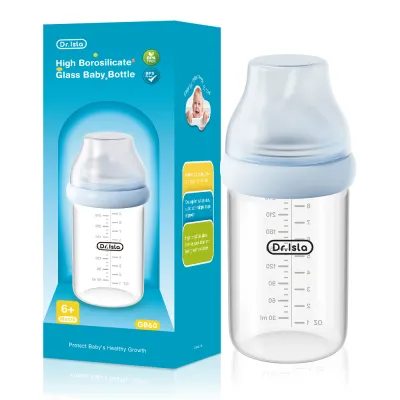
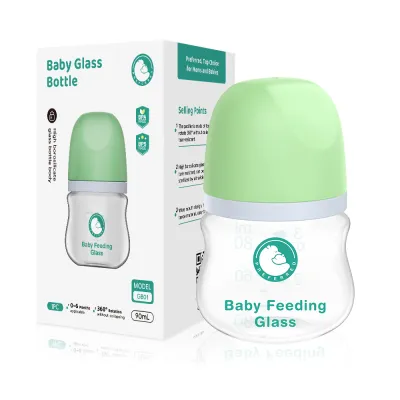
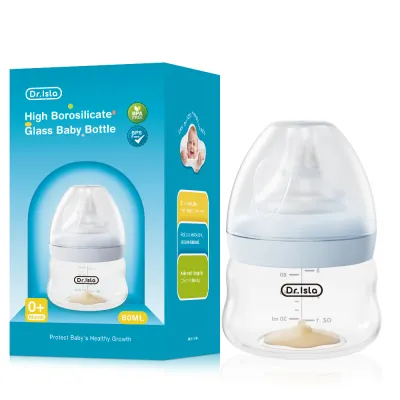
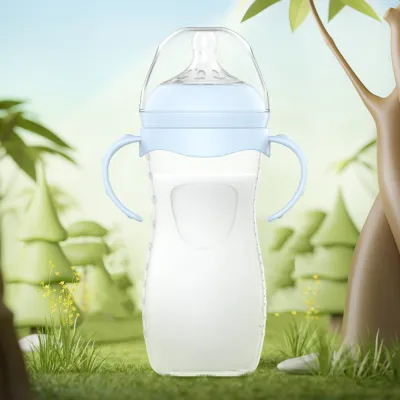
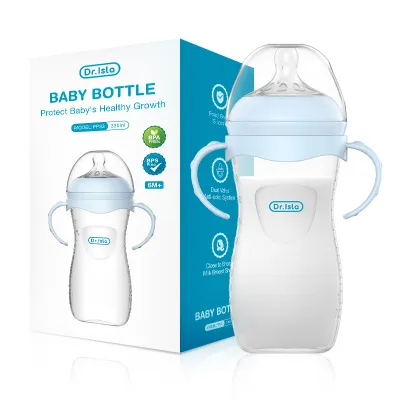
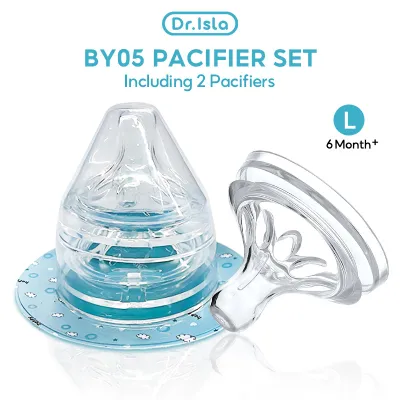
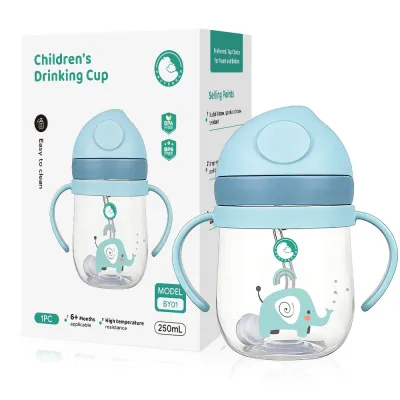
Prices are valid at publication and may change. Please refer to the product page for the latest price.
Conversely, plastic bottles are designed for active, on-the-go routines and transitional developmental stages. If your daily life involves frequent travel, visits to relatives, or packing diaper bags for daycare, the lightweight nature of plastic is incredibly practical. Furthermore, as your baby grows and begins to show interest in holding their own bottle, plastic provides a shatterproof option that eliminates the risk of injury from accidental drops.
Ultimately, the ideal choice is conditional. Many families find that a hybrid approach—using glass bottles for nighttime and at-home feedings, and plastic bottles for travel and self-feeding practice—offers the most balanced solution. Consider your baby’s age, where feedings most frequently occur, and who will be handling the bottles most often before making your final selection.
Material Safety: Chemical Stability and Physical Risks
When evaluating feeding bottles, material safety is a top priority for every parent. Glass is widely recognized as an exceptionally stable, inert, and non-porous material. It does not react chemically with breast milk or infant formula, ensuring that the taste remains pure and free from external influences. Because glass lacks pores, it does not absorb food colorings, fats, or odors, which is particularly beneficial when preparing warm milk. Even when subjected to high temperatures during sterilization, glass maintains its structural integrity without leaching any substances into the liquid.

Plastic bottles, typically made from materials like Polypropylene (PP), Polyphenylene Sulfone (PPSU), or Polyethersulfone (PES), offer a different set of safety characteristics. These materials are engineered to be highly impact-resistant and lightweight. While modern baby bottles are generally manufactured to be free from Bisphenol A (BPA), parents should always inspect the specific product packaging to verify BPA-free and BPS-free claims. While plastic is highly durable against impacts, it is softer than glass, meaning it can develop microscopic scratches over time from bottle brushes or normal wear. These tiny grooves can sometimes harbor milk residues or bacteria if not cleaned meticulously.
Physical safety risks also differ significantly between the two materials. The primary hazard associated with glass is its susceptibility to breakage. If a glass bottle is dropped onto a hard surface, such as the tile flooring common in many homes, it can shatter or chip. This presents an immediate hazard of cuts to both the caregiver and the baby. On the other hand, plastic is virtually shatterproof, making it exceptionally safe from physical impact. However, plastic can degrade over time when exposed to continuous high heat, leading to structural weakening. Always check the manufacturer’s safety warnings, age recommendations, and usage limits printed on your Dr. Isla packaging to ensure you are using the bottle safely.
Weight, Grip, and Daily Handling for Different Ages
A bottle’s weight and grip directly affect how comfortable it is to use during daily feeding sessions, which occur multiple times a day. Glass bottles are inherently heavier than their plastic counterparts. For newborns and young infants who are entirely dependent on caregivers for feeding, the extra weight of glass is easily managed by an adult. Many parents appreciate the solid, premium feel of a glass bottle, noting that it feels sturdy in the hand. However, during long feeding sessions or late-night feeds when fatigue sets in, the weight of glass can become noticeable to the caregiver.
As babies reach developmental milestones, usually around six months of age, they begin attempting to hold the bottle themselves to build fine motor skills. At this stage, plastic bottles offer a distinct developmental advantage. Because plastic is extremely lightweight, older infants can easily grasp, lift, and tilt the bottle independently without straining their small hands and wrists. This self-feeding practice is an important step in their physical development, and the lightweight nature of plastic makes it highly supportive of this transition.
The risk of wear and tear during handling also varies. While glass is highly resistant to surface scratches, a single hard drop can end its usability instantly. Plastic bottles resist breaking when dropped from high chairs or strollers, but they do accumulate surface wear, scuffs, and micro-scratches over months of daily use. For families who travel frequently or navigate busy public spaces, the durability of plastic makes it the logical choice for diaper bags. Carrying multiple glass bottles in a travel bag can add significant weight and increase the risk of clinking and breaking while on the move.
Cleaning, Sterilization, and Wear Inspection
Maintaining strict hygiene is essential to protect your baby’s developing immune system, especially in warm, humid climates where bacteria can multiply rapidly. Glass bottles are exceptionally easy to clean because their smooth, hard surface prevents milk fats and proteins from clinging tightly. This resistance to staining and residue means you can easily clean them with standard bottle brushes without worrying about creating surface scratches. Furthermore, glass has excellent thermal tolerance, allowing it to undergo rigorous sterilization processes—including boiling water, electric steam sterilizers, and UV sterilizers—without any risk of warping or chemical degradation.
Plastic bottles require a more cautious cleaning and sterilization approach. Because plastic is softer, using harsh bottle brushes or abrasive cleaning pads can leave fine scratches on the interior walls. When sterilizing plastic, it is vital to read the manufacturer’s care instructions carefully. While high-quality plastics like PPSU can withstand high temperatures, standard PP bottles may have lower heat thresholds. Exposing certain plastics to prolonged boiling, extreme steam cycles, or specific UV sterilization wavelengths can cause the material to warp, become cloudy, or degrade over time.
To ensure ongoing feeding safety, establish a regular inspection routine for all feeding equipment:
- For Plastic Bottles: Inspect the bottle under bright light weekly. Discard the bottle immediately if you notice persistent cloudiness, deep interior scratches, a sticky texture, or a sour odor that remains after thorough washing and sterilization.
- For Glass Bottles: Check the rim, threads, and base before every single feed. Discard the bottle immediately if you detect any chips, hairline cracks, or deep external scratches, as these compromise the structural integrity and can cause the bottle to break unexpectedly during use.
- For All Materials: Remember to inspect the silicone nipples regularly for tears, changes in flow rate, or stickiness, replacing them according to the manufacturer's recommended timeline.
Upfront Cost vs. Long-Term Replacement Value
When planning your baby’s feeding supplies, understanding the financial lifecycle of your purchase is key to managing your household budget. Glass bottles generally carry a higher upfront purchase price. Because the manufacturing process for high-quality, thermal-shock-resistant glass is more intensive, the initial investment per bottle is higher than that of standard plastic. However, this initial cost must be weighed against the material’s lifespan. If handled carefully and kept free of chips or cracks, glass bottles do not degrade. They can be used continuously for many years, making them highly cost-effective if you plan to save them for future siblings.
Plastic bottles offer a much lower initial barrier to entry, making them highly accessible for parents building their initial baby registry or buying multiple bottles at once. However, because plastic degrades, scratches, and absorbs odors over time, manufacturers generally recommend replacing plastic feeding bottles every 3 to 6 months. This recurring replacement cycle means that over a multi-year period, the cumulative cost of replacing plastic bottles can equal or exceed the initial investment of a set of glass bottles.
To determine which option offers the best value for your family, calculate your budget based on your immediate cash flow and long-term plans. If you need to purchase a large supply of bottles at once to accommodate a busy daycare schedule, plastic provides an affordable upfront solution. If you are looking for a long-term investment that minimizes waste and can endure years of continuous sterilization, glass presents superior long-term value.
Final Verdict: How to Choose the Right Bottle
Selecting between Dr. Isla glass and plastic bottles comes down to matching the material’s properties with your specific lifestyle needs and your baby’s age. There is no need to limit your household to just one material, as both serve practical purposes at different times.
Choose Glass if:
- You primarily feed your baby at home where the risk of dropping bottles on hard surfaces is low.
- You prioritize a highly hygienic, non-porous surface that resists stains, odors, and cloudiness.
- You want a durable investment that can be sterilized repeatedly at high temperatures and saved for future children.
- You do not mind the heavier weight during feeding sessions.
Choose Plastic if:
- You have an active lifestyle, travel frequently, or need to pack lightweight bottles for daycare.
- Your baby is transitioning to self-feeding and needs a lightweight bottle they can hold independently.
- You want to eliminate any risk of shattered glass in your home or play areas.
- You prefer a lower upfront cost and do not mind replacing the bottles every few months as wear accumulates.
Before making your final purchase, always verify the specific product details on the Dr. Isla packaging. Check the recommended age range, weight or size range, nipple flow rates, and sterilization guidelines, as these specifications can vary across different product lines. If you ever have concerns about your baby’s feeding habits, latch, or physical comfort during feeding, stop use and consult a pediatrician or a qualified lactation professional for personalized guidance.
Frequently Asked Questions (FAQ)
Can I mix glass and plastic bottles for my baby?
Yes, many parents successfully combine both materials in their daily routines. A common strategy is to use glass bottles for controlled, stationary feedings at home and plastic bottles when traveling, visiting relatives, or sending supplies to daycare. If you choose to mix materials, ensure that the nipple shape, flow rate, and brand remain consistent across both bottle types. Keeping the nipple design identical helps prevent nipple confusion and ensures your baby maintains a comfortable, consistent latch regardless of the bottle material.
How do I know when to throw away a plastic feeding bottle?
You should replace a plastic feeding bottle if you observe clear signs of material degradation. These signs include deep interior scratches, persistent cloudiness that does not clear after washing, a sticky or tacky surface texture, or a sour milk odor that remains even after thorough sterilization. These physical changes indicate that the plastic is breaking down, which can make it easier for bacteria to accumulate in micro-scratches or affect the overall hygiene of your baby’s feed.
Are Dr. Isla bottles compatible with other brand nipples?
Nipple compatibility depends entirely on the specific neck width and thread design of the bottle. While some standard-neck or wide-neck bottles may appear similar across brands, minor differences in threading can prevent a secure seal. It is highly recommended to refer to the manufacturer’s guidelines on the Dr. Isla packaging rather than assuming cross-brand compatibility. Using mismatched nipples and collars can lead to milk leaks, excessive air ingestion for your baby, or potential choking hazards if the nipple dislodges during feeding.

Community discussion
Share your experience or ask a question. Comments are reviewed before publication.