
Deciding when and how to start your baby on solid foods is an exciting milestone, but it often comes with a sudden influx of tableware choices. The Dr. Isla feeding set is a popular, bundled solution designed to streamline this transition by providing multiple essential items in a single package. Typically, this set includes key components such as suction-based bowls, divided plates, beginner-friendly utensils, and training cups. These pieces are designed to support your baby’s journey from their very first spoonful of puree to independent self-feeding.
Whether this specific bundle is the right fit for your home depends heavily on your baby’s current developmental stage, your feeding philosophy, and your daily routine. While a complete set offers convenience and a cohesive look, every child develops motor skills and feeding preferences at their own pace. Understanding exactly what comes inside the box, how each item functions across different weaning stages, and what safety specifications you must verify on the packaging will help you make an informed decision for your family.
Inside the Box: What the Dr. Isla Feeding Set Actually Includes
When purchasing a Dr. Isla feeding set, you are generally investing in a coordinated collection of tableware designed to address the physical challenges of early childhood meals. A standard comprehensive bundle typically features a suction bowl, a divided suction plate, a training cup with handles, and a set of soft-tipped utensils, such as a spoon and fork. Each piece is engineered with specific physical features to help minimize spills and encourage self-feeding.
Products mentioned in this guide
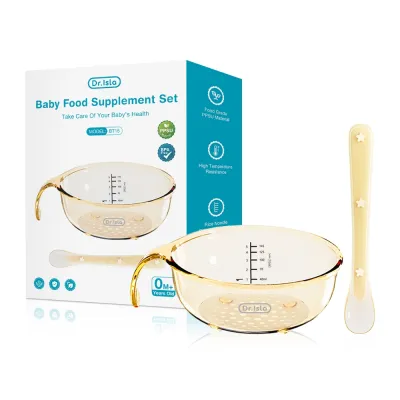
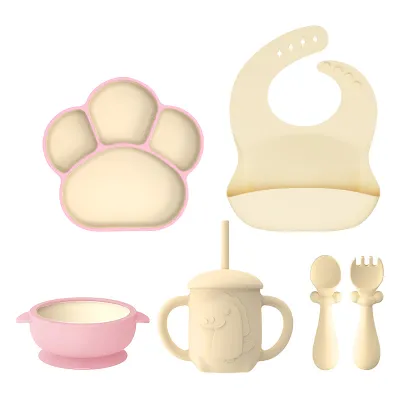
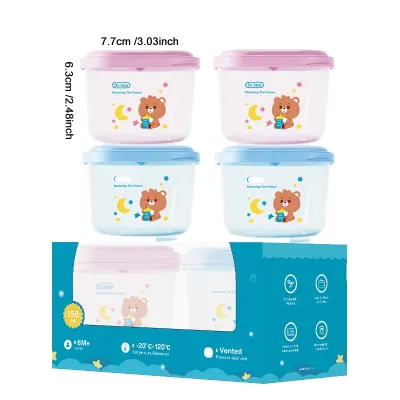
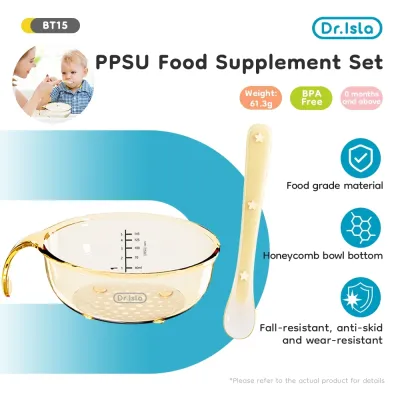
Prices are valid at publication and may change. Please refer to the product page for the latest price.
The plates in these sets are usually divided into distinct sections, allowing you to serve different food groups without them mixing, which is particularly helpful for babies who are sensitive to textures. The bowls and plates feature integrated suction bases designed to grip flat surfaces, helping to prevent your little one from lifting and tossing their food onto the floor. The utensils are crafted with short, wide handles that are easier for small hands to grasp, often featuring angled or flexible heads to help food reach your baby’s mouth more reliably.
The training cup included in the bundle typically features dual side handles, allowing your baby to practice a two-handed grip. It generally comes with a soft, flexible spout or straw cover designed to protect tender gums while minimizing accidental spills during tilts and drops. Some bundles may also include a silicone bib with a deep pocket to catch falling crumbs and liquids before they reach your baby’s clothes.
It is highly recommended to verify the exact inventory of the set on the packaging or product listing before completing your purchase. In the Philippines, bundle contents can occasionally vary depending on the specific retailer, promotional batches, or seasonal packages offered by distributors. Rather than assuming every box contains the exact same items, a quick double-check ensures you receive the precise combination of utensils, cups, and plates your child needs.
Additionally, it is helpful to view these items through the lens of design assistance rather than absolute performance. For example, suction bases are designed to resist tipping and sliding, but they are not entirely immovable against a determined toddler. Similarly, training cups are built to be highly spill-resistant during normal use, but they may still leak slightly if shaken vigorously or dropped from a highchair.
Is It Right for Your Baby? Matching the Set to Weaning Stages
Every baby’s weaning journey is unique, marked by rapid physical and oral development. To get the most value out of a feeding set, it is essential to match the physical characteristics of each piece to your baby’s current developmental milestones. Using tableware that aligns with your child’s physical capabilities not only reduces mealtime frustration but also supports safe and healthy oral motor development under close caregiver supervision.

Stage 1: Starting Solids and Purees (Around 6 Months)
At approximately six months of age, most infants begin their transition to solid foods, starting with smooth purees, mashed vegetables, or iron-fortified cereals. At this initial stage, feeding is primarily caregiver-led, meaning you will be holding the spoon and guiding the food. The most useful components of the set during this phase are the small-capacity, shallow bowls and the soft-tipped spoons.
Shallow bowls are physically easier for caregivers to scoop from, allowing you to maintain a smooth rhythm while feeding your baby. Spoons with soft, flexible tips—often made of food-grade silicone—are highly beneficial here because they are gentle on sensitive, teething gums and prevent accidental bruising if your baby suddenly moves. A suction base on the bowl is also useful during caregiver-led feeding, as it keeps the bowl securely anchored to the table, preventing you from accidentally knocking it over while managing a wiggly infant. Always consult your pediatrician before introducing solids to ensure your baby has met the necessary developmental milestones, such as head control and sitting support.
Stage 2: Self-Feeding and Finger Foods (8 to 10 Months)
Between eight and ten months, babies typically develop the pincer grasp and show a strong desire to feed themselves. This stage is characterized by exploration, sensory play, and a fair amount of intentional dropping of items. The divided suction plate and the training cup become the central tools of your mealtime setup during this period.
Divided plates are excellent for presenting a variety of finger foods, such as steamed carrot sticks, soft fruits, and small pieces of meat, without the items sliding together. This clear separation helps your baby identify different textures and flavors individually. A strong suction base is critical at this stage to withstand your baby’s natural urge to pull, tug, and lift the plate off the highchair tray.
The training cup with dual side handles supports your baby’s transition from bottle-feeding or breastfeeding to independent drinking. The handles are sized for small hands, helping your baby practice the hand-eye coordination required to lift the cup to their mouth. The spill-resistant lid helps contain liquids during the inevitable drops, allowing your baby to learn the mechanics of drinking with minimal mess.
Stage 3: Toddler Independence and Family Meals (10+ Months)
As your baby approaches their first birthday and moves beyond ten months, their motor skills become more refined, and they begin to mimic the eating habits of older family members. During this stage, the focus shifts toward true toddler independence and participating in family-style meals.
You may find your child transitioning away from spouted training cups toward open cups or straw cups to promote mature swallowing patterns. While the initial feeding set’s utensils are excellent for early practice, your toddler may eventually require standard, slightly firmer utensils as they learn to pierce denser foods.
Over time, your child’s growing appetite will likely outgrow the smaller portion sizes of beginner bowls. You may need to supplement the initial set with larger plates or non-suction tableware as their coordination improves and the need for an anchored base decreases. If you notice persistent difficulties with chewing, swallowing, or utensil use as your child transitions to family foods, consult a pediatric dentist or a feeding specialist for personalized guidance.
Safety and Specs: What to Verify on the Packaging Before You Buy
When selecting tableware that will come into direct contact with your baby’s food, safety and material quality must be your top priorities. You should never assume a product is safe based solely on the brand name or attractive colors. Instead, make it a habit to physically inspect the packaging for specific safety certifications and material specifications before making a purchase.
First, look for explicit labels indicating that the materials used are “food-grade,” such as 100% food-grade silicone or high-quality, BPA-free plastics. Ensure the packaging clearly states that the product is free from harmful chemicals like Bisphenol A (BPA), Bisphenol S (BPS), phthalates, and heavy metals. In the Philippines, reputable baby products often carry compliance marks or certifications from recognized international safety bodies, which should be printed clearly on the box.
Second, carefully check the heat tolerance guidelines provided by the manufacturer. Look for specific symbols indicating whether the items are safe for use in the microwave, dishwasher, or steam sterilizer. Manufacturers typically print maximum and minimum temperature limits (for example, up to 120°C or 220°C depending on the material). Exceeding these temperature limits can cause plastics to warp or degrade, and may compromise the integrity of silicone, potentially releasing unwanted compounds or damaging the product.
Finally, understand the physical limitations of suction tableware. Suction bases operate by creating a vacuum between the silicone cup and the surface beneath it. For this vacuum to hold, the surface must be completely smooth, flat, non-porous, and clean. Be aware that suction bases generally do not adhere well to textured plastic highchair trays, wooden tables with prominent grain, or surfaces with microscopic scratches. If your home setup features a wooden highchair or a textured tray, you may need to verify compatibility or consider alternative mounting methods.
Real-World Pros and Limitations of a Complete Feeding Bundle
Investing in a complete weaning bundle like the Dr. Isla set offers several practical advantages, but it also comes with specific trade-offs that parents should consider. Evaluating these pros and cons against your household budget and lifestyle will help you determine if a bundled purchase is the most efficient path forward.
One of the primary benefits of buying a complete bundle is cost-effectiveness. In the Philippines, purchasing a matching set of a plate, bowl, cup, and utensils together is often significantly more affordable in Philippine Pesos (₱) than sourcing each of these items individually from premium brands. Additionally, a bundle provides the convenience of having all stage-appropriate gear ready at once, saving you the time and effort of researching and buying separate pieces as your baby grows. The cohesive design and matching colors also offer an aesthetic appeal that many parents appreciate.
However, there are notable limitations to consider. If your baby loses a single spoon or damages the training cup, you generally cannot purchase an identical individual replacement from the same set without buying an entirely new bundle. This can lead to mismatched tableware or unnecessary expenses over time.
Furthermore, the included training cup or spoon design might not suit your baby’s unique oral anatomy or drinking preferences. Some babies transition directly to open cups or weighted straw cups, rendering a standard spouted cup unused.
Lastly, silicone and plastic materials are subject to natural wear and tear. Over time, exposure to high sterilizer heat, abrasive scrubbing, or accidental scratches from metal cutlery can cause suction bases to degrade, lose their flexibility, and fail to stick properly.
How to Clean and Maintain the Feeding Set for Daily Use
Proper cleaning and maintenance are essential to prolong the lifespan of your baby’s feeding set and ensure a hygienic eating environment. Because silicone is a porous material, it can occasionally absorb food odors or develop stubborn stains if not cared for correctly.
For daily washing, always use a mild, baby-safe dish soap and a soft sponge. Avoid using abrasive scrubbing pads, steel wool, or harsh chemical cleaners, as these can create microscopic scratches on the surface of the silicone or plastic. These tiny scratches not only degrade the material but also provide places where bacteria and food residue can harbor. After washing, rinse the items thoroughly with clean water and allow them to air dry completely in a well-ventilated area. In the humid tropical climate of the Philippines, ensuring complete air drying is particularly important to prevent the growth of mold or mildew.
If you encounter stubborn stains from colorful weaning foods like carrots, squash (kalabasa), or tomato-based purees, a simple, low-risk cleaning method can help. Create a paste using baking soda and a small amount of water, apply it to the stained area, and let it sit for about 30 minutes before rinsing thoroughly. Alternatively, placing the clean, wet silicone items in direct sunlight for a few hours can naturally fade stubborn organic stains and eliminate lingering food odors.
Regularly inspect all components of the feeding set for signs of wear and tear. Look closely for deep cuts, tears, or peeling, especially on soft spoon tips and cup spouts where babies may bite down with new teeth. If you detect any structural damage, stop using that piece immediately and discard it. Damaged silicone can pose a choking hazard or harbor bacteria that cannot be easily cleaned away.
Frequently Asked Questions (FAQ)
Can the Dr. Isla plates and bowls be used in the microwave and dishwasher?
You must always check the specific manufacturer symbols and temperature ratings printed on the bottom of the products or on the original packaging before heating or washing them. While many high-quality food-grade silicone plates and bowls are designed to withstand microwave heating and top-rack dishwasher cycles, some plastic components or decorative elements may have lower heat tolerances. Never assume all parts of a set are equally heat-resistant. If the packaging indicates microwave safety, ensure you follow the recommended time limits and stir heated food thoroughly to eliminate hot spots, checking the temperature yourself before serving it to your baby.
Why isn't the suction base sticking to my baby's highchair tray?
Suction bases rely on a physical vacuum to stay anchored, which requires a completely smooth, flat, and non-porous surface. If the suction base is sliding or popping off, check the highchair tray for texture, wood grain, or microscopic scratches that allow air to seep under the seal. Additionally, ensure both the suction base and the tray are completely free of food grease, dust, or soap residue. A helpful tip is to clean both surfaces thoroughly, dry them, and then apply a tiny drop of water to the underside of the suction base before pressing it firmly down from the center outward to displace any trapped air.
Should I buy a full weaning set or purchase individual pieces separately?
Choosing between a full weaning set and individual pieces depends on your budget, existing gear, and feeding approach. A full set is highly recommended if you are starting from scratch and want a convenient, cost-effective starter kit that covers multiple developmental stages in one go. However, if you already own basic bowls and plates, or if you prefer to customize your baby’s transition with specific cup styles recommended by your pediatrician, purchasing individual pieces separately allows you to target your exact needs without acquiring unused items.

Community discussion
Share your experience or ask a question. Comments are reviewed before publication.