
Selecting the right feeding bottle is one of the most frequent decisions parents face. When looking at the Dr. Isla lineup, you will find three primary material options: glass, plastic, and silicone. Each material serves a distinct purpose depending on your baby’s age, your daily routine, and how you prefer to clean and sterilize your baby gear. In a tropical climate like the Philippines, where high humidity can influence drying times and hygiene practices, understanding these material differences helps keep your feeding routine smooth and safe.
Your choice should align with your baby’s developmental stage and your lifestyle. While one material might be excellent for a newborn resting in your arms, another might be far more practical when your little one starts holding their own bottle. By comparing the physical characteristics, durability, and care requirements of each option, you can make an informed decision that fits your household budget and daily schedule.
Overview of Dr. Isla Bottle Material Options
Glass bottles are highly valued for their exceptional purity and long-term material stability. They are rigid, relatively heavy, and highly resistant to scratches. Because glass does not degrade over time from repeated heating, these bottles can last through multiple stages of infancy if handled carefully. They are ideal for stationary feeding sessions where an adult is fully in control of the bottle.
Products mentioned in this guide
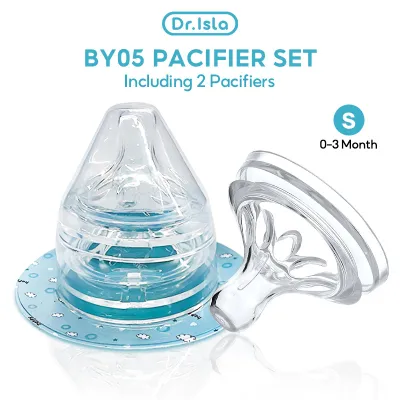
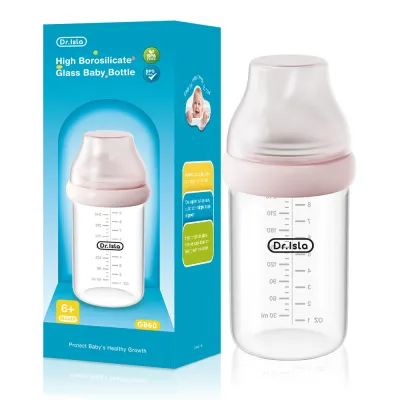
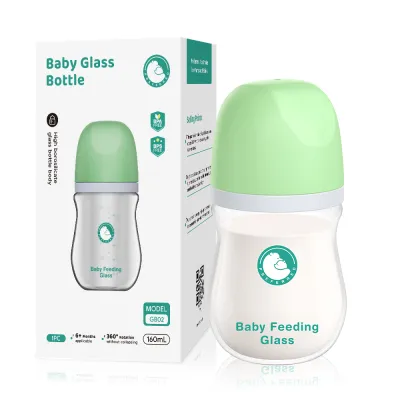
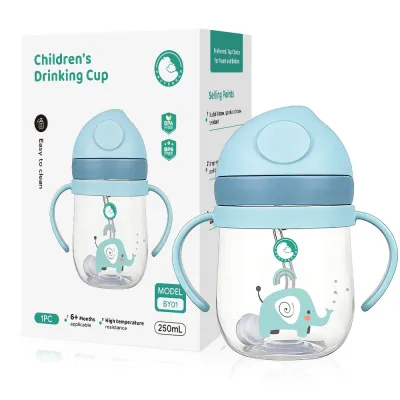
Prices are valid at publication and may change. Please refer to the product page for the latest price.
Plastic bottles are the traditional go-to for active families. They are incredibly lightweight and shatterproof, making them easy to pack into a diaper bag for trips or daycare. If a plastic bottle slips from your hands onto a hard floor, it will not break. This durability makes plastic a practical choice as your baby grows and begins to show interest in holding the bottle independently.
Silicone bottles represent a modern, flexible alternative. They are made from a soft, squeezable material that feels more natural to the touch compared to rigid glass or plastic. This unique texture can help ease the transition for breastfed babies who are learning to accept a bottle. The flexible body also allows for a comfortable grip, though it requires a slightly different handling technique to avoid accidental squeezes during assembly.
Key Comparison Dimensions for Daily Use
When evaluating these materials, durability and drop resistance are often the first concerns for parents. Glass bottles carry a risk of shattering if dropped on hard surfaces, such as the tile floors common in many Philippine homes. Caregivers must regularly inspect glass bottles for hairline cracks or chips, especially around the rim. Plastic and silicone, by contrast, easily survive drops, though plastic can develop micro-scratches over time that harbor milk residue.

Weight and grip play a significant role in comfort during late-night feeds. Glass is noticeably heavier, which can tire your wrist during long feeding sessions. Plastic is exceptionally light, reducing hand fatigue for caregivers and making it manageable for older infants. Silicone offers a natural, non-slip texture that is easy to hold even in warm, humid weather, though its flexible body can sometimes feel unstable to those accustomed to rigid bottles.
Cleaning and sterilization compatibility is crucial for maintaining infant health. In humid environments, bacteria can multiply quickly on damp surfaces, making thorough sterilization essential. Glass handles high temperatures exceptionally well and is compatible with steam, boiling water, and UV sterilizers. Plastic bottles have specific temperature limits that you must verify on the packaging to prevent warping. Silicone is highly heat-resistant, but its surface can attract dust and lint due to static electricity, requiring careful storage after drying.
Odor and stain retention can affect how long a bottle remains usable. Glass is non-porous, meaning it does not absorb odors or colors from milk fats or dish soaps. Plastic is more prone to cloudiness and can retain a stale milk smell if not washed immediately after use. Silicone sits in the middle; while it resists cloudiness better than plastic, its semi-porous nature means it can occasionally absorb strong scents if left unwashed for extended periods.
Decision Framework: Which Material Fits Your Routine?
Choose glass bottles if you prioritize easy cleaning, long-term material stability, and primarily feed your baby at home. If you have a dedicated, supervised feeding area with carpeted or cushioned flooring, the weight and breakage risks of glass are easily managed. Glass is also an excellent choice for the early newborn weeks when parents do all the holding and feeding.
Choose plastic bottles if you need a lightweight, shatterproof option for travel, daycare, or outdoor errands. If your baby is reaching the age where they want to hold the bottle themselves, plastic provides the safety of knowing a drop won’t result in broken glass. It is also a highly budget-friendly option if you need to purchase multiple bottles to keep at a relative’s house.
Choose silicone bottles if you are focused on easing the transition between breastfeeding and bottle-feeding. The soft, squeezable texture mimics the natural feel of skin, which can comfort a baby who refuses rigid plastic or glass. Silicone is also ideal if you want a lightweight bottle that still offers excellent heat resistance and durability without the risk of shattering.
Before making any purchase, always verify the specific product packaging. Look for clear labels indicating that the bottles are BPA-free and BPS-free. Check the manufacturer’s listed temperature limits on the box to ensure the bottles are fully compatible with your home sterilizer, whether you use a steam unit, a UV cabinet, or traditional boiling.
Care, Sterilization, and Replacement Rules
To keep your feeding gear in safe condition, you must establish strict sterilization and inspection routines. Always consult the specific Dr. Isla product manual alongside your sterilizer’s instruction booklet. Different plastics (such as PP, PPSU, or PES) have varying heat tolerances, and exceeding these limits can cause the material to degrade or warp. In the Philippines’ humid climate, ensure all bottle parts dry completely in a clean, well-ventilated area to prevent mold growth.
Perform a daily visual check of all bottle components before assembly. For glass bottles, run your finger carefully along the rim and threads to check for tiny chips or micro-cracks. For plastic bottles, look for deep scratches, persistent cloudiness, or a rough texture inside the bottle. For silicone bottles, check for any stickiness, discoloration, or small tears near the collar where the material joins the plastic ring.
Knowing when to retire a bottle is essential for your baby’s safety. Stop using any glass bottle immediately if you detect even a minor chip, as temperature changes during sterilization can cause it to crack completely. Replace plastic bottles every three to six months, or sooner if they show significant scratching or cloudiness. Silicone bottles should be replaced if they become sticky to the touch, show signs of tearing, or retain a strong, unresolvable odor despite thorough cleaning.
Frequently Asked Questions (FAQ)
Can I mix different Dr. Isla bottle materials for the same baby?
Yes, you can use different bottle materials for the same baby, but you should observe how your baby responds to the transition. Some infants are highly sensitive to changes in bottle weight, texture, and temperature. A baby accustomed to a warm, soft silicone bottle might initially reject a rigid, cooler glass bottle. If you decide to mix materials, check that the nipple collars and thread sizes are compatible across the different bottle bodies to prevent leaks during feeding.
Are all Dr. Isla plastic bottles dishwasher safe?
Do not assume all plastic bottles are dishwasher safe. You must verify the specific symbols on the bottle base or the product packaging before placing them in a dishwasher. High-heat drying cycles in standard dishwashers can exceed the temperature limits of certain plastics, leading to warping or accelerated wear. If the manufacturer approves dishwasher use, place the bottle parts on the top rack only and use a mild, infant-safe detergent.
Does silicone absorb milk odors more than glass?
Silicone is more prone to absorbing milk odors than glass because glass is completely non-porous. If breast milk or formula sits in a silicone bottle for several hours, the milk fats can cling to the surface and leave a lingering smell. To prevent this, rinse silicone bottles with warm water immediately after feeding. If an odor develops, wash the bottle with a dedicated baby bottle cleanser and ensure it dries completely in a well-ventilated space; replace the bottle if the odor persists after multiple deep cleans.

Community discussion
Share your experience or ask a question. Comments are reviewed before publication.