
Choosing a breast pump is a critical decision for breastfeeding mothers in the Philippines, directly impacting comfort and milk supply. When comparing Dr. Isla breast pumps to other brands, the decision often comes down to balancing affordability with specific performance features. Dr. Isla has gained popularity on local online marketplaces as an accessible, budget-friendly option, particularly for mothers looking for wearable or highly portable designs. However, determining if it is the right choice for your breastfeeding journey requires a close look at how its suction settings, flange sizes, and overall durability match up against alternative brands. By systematically evaluating your daily routine, physical comfort, and long-term maintenance needs, you can make an informed choice that supports your lactation goals.
Identifying Your Breastfeeding Needs Before Comparing
Before diving into specific brand specifications, you must define your primary pumping scenarios. Your daily routine and breastfeeding goals will dictate which features are non-negotiable and where you can afford to compromise.
First, consider your pumping frequency. An exclusive pumping mother who relies entirely on a machine to feed her baby will have vastly different requirements than a mother who primarily direct-latches and only pumps occasionally to relieve engorgement or build a modest milk stash. Exclusive pumping demands a robust, durable motor capable of handling multiple sessions a day without losing suction power. Occasional pumpers, on the other hand, may find that a simpler, lighter, and more economical model fits their lifestyle perfectly.
Products mentioned in this guide
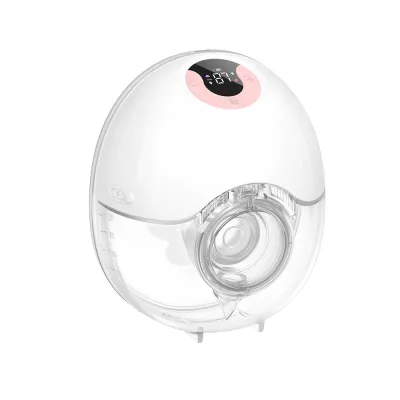
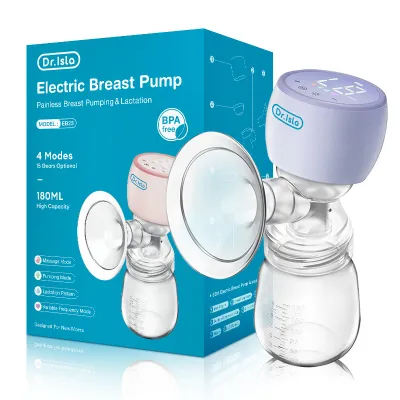
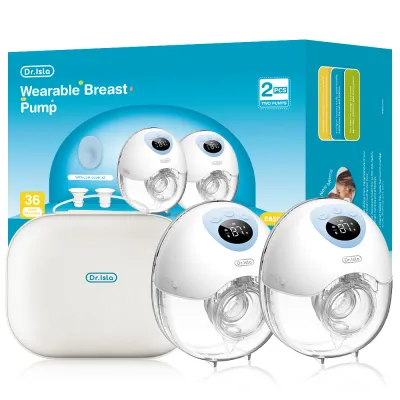
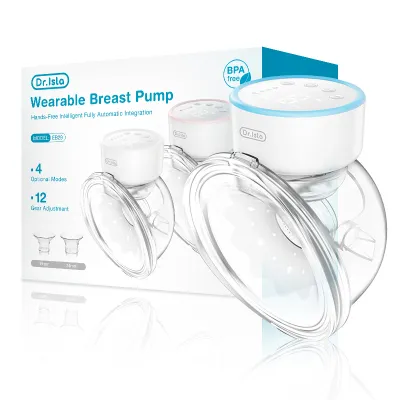
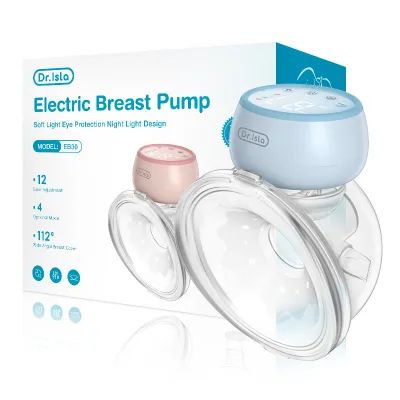
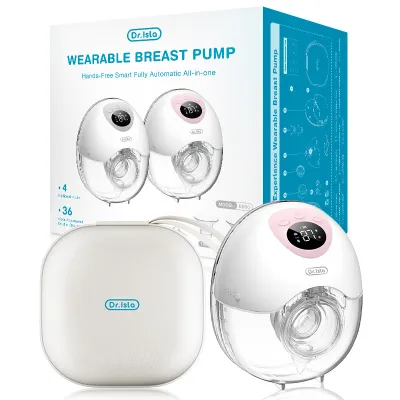
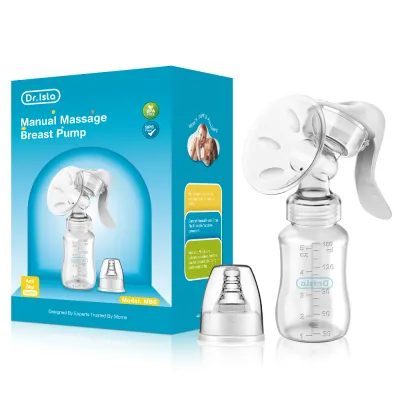
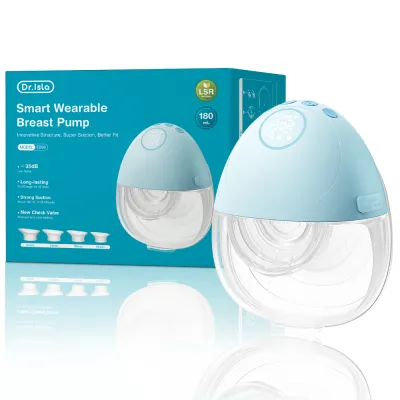
Prices are valid at publication and may change. Please refer to the product page for the latest price.
Next, evaluate your primary pumping environment. If you are a working mother returning to an office or if you frequently travel, portability and discretion are paramount. You will need to consider how easily a pump fits inside a standard commuter bag and whether its motor operates quietly enough for a shared office space. The tropical climate and high humidity of the Philippines also mean that carrying heavy, bulky equipment can add physical strain to your daily commute, making lightweight, wearable options highly appealing.
Finally, assess your personal physical sensitivity. Every mother’s breast tissue and nipple sensitivity are unique. Some mothers require a very gentle, slow stimulation phase to trigger a let-down, while others need stronger, faster cycles. If you have sensitive skin or are prone to clogged ducts, you will need a pump that offers highly adjustable suction settings. Identifying these personal physical boundaries early prevents the discomfort and potential tissue damage that can occur when using a pump with limited adjustability.
Key Features to Compare: Dr. Isla vs. Competing Brands
Once you have mapped out your personal needs, you can begin comparing Dr. Isla with alternative brands across several critical performance and usability metrics.

Suction modes and cycle settings are the foundation of any breast pump’s effectiveness. Most modern electric pumps feature a two-phase expression system: a rapid, shallow stimulation mode to mimic a baby’s initial fast sucks, followed by a slower, deeper expression mode to draw out the milk. When evaluating Dr. Isla against other brands, check the product manual or official online listing for the exact number of levels available in each phase. A wider range of levels allows for finer adjustments, which is crucial for finding your personal comfort zone. Be cautious of brands that do not clearly specify their suction strength or cycle speeds, as a lack of transparency can make it difficult to gauge if the pump will be too weak or painfully strong.
Flange sizing and compatibility directly affect both comfort and milk output. A flange that is too small can cause painful friction and restrict milk ducts, while one that is too large can pull too much of the areola into the tunnel, reducing suction efficiency. Before purchasing any pump, measure your nipple diameter at the base using a ruler or a printable sizing tool, preferably after a feeding or pumping session when the nipple is fully expanded. Check what flange sizes are included in the box with the Dr. Isla pump and whether the brand offers alternative sizes or silicone inserts. Many premium brands provide a wide array of flange sizes, whereas budget-friendly brands may only include a standard size, requiring you to purchase third-party inserts separately.
Portability and motor design vary significantly between wearable hands-free models and traditional tubed pumps. Wearable pumps integrate the motor directly onto the collection cup, allowing you to slip the entire unit into a nursing bra without external tubes or wires. This design offers unmatched freedom of movement, allowing you to tend to your baby or complete light household chores while pumping. However, integrated motors are often smaller and may have shorter battery lives compared to traditional tabletop pumps. When comparing models, look closely at the battery indicators, charging times, and whether the unit uses a standard USB-C port, which is highly convenient for charging via power banks or laptops during power outages or commutes.
Assembly and cleaning routines can make or break your pumping experience, especially when dealing with late-night sessions. Count the number of individual parts that require washing after each use. A pump with fewer parts—such as a combined connector and breast shield—saves valuable time. Additionally, verify the manufacturer’s cleaning instructions on the packaging. In the Philippines, where steam or UV sterilizers are commonly used to maintain hygiene, you must confirm whether all silicone and plastic parts of the pump are rated as safe for high-temperature sterilization or UV exposure to prevent premature warping or degradation of the materials.
Assessing Price, Warranty, and Local Availability
While the initial purchase price is a major factor for many Filipino families, evaluating the long-term value and support network of a breast pump is equally important.
The initial retail price of a breast pump must be weighed against the ongoing cost of replacement parts. Silicone components, such as duckbill valves, diaphragms, and flange inserts, are wear-and-tear items that require regular replacement to maintain optimal suction. Before committing to Dr. Isla or any other brand, search local online marketplaces to verify the price and availability of these specific replacement parts. A pump that is incredibly cheap upfront can become expensive and frustrating to use if replacement valves are constantly out of stock or must be shipped from overseas with high delivery fees.
Warranty terms and local customer support are critical safety nets for electronic devices. Check the duration of the warranty offered by the manufacturer and, more importantly, whether they have an official service center or a responsive customer service team based in the Philippines. A warranty is of little use if you have to ship a malfunctioning motor back to an international address at your own expense, leaving you without a pump for weeks. Look for brands that offer clear, accessible channels for troubleshooting and claims.
To protect your health and your baby’s safety, always verify that you are purchasing from authorized online retailers or official brand stores. The popularity of affordable baby gear has led to an influx of counterfeit or unauthorized parallel imports on major ecommerce platforms. These unauthorized products may look identical but could be manufactured using non-food-grade plastics containing harmful chemicals like BPA. They also lack quality control, increasing the risk of electrical malfunctions or poor hygiene due to improper sealing.
Decision Framework: Choosing the Right Pump for You
To finalize your decision, use this structured framework to match your verified needs with the capabilities of Dr. Isla or its competitors.
Choose a Dr. Isla breast pump if you are looking for an affordable, highly portable entry-level option and have verified that its suction range, included flange sizes, and battery life align with your daily schedule. It is particularly suitable for mothers who pump occasionally, want a secondary pump for travel, or are working within a strict budget and are comfortable purchasing separate flange inserts if needed.
Choose an alternative brand if your daily routine requires heavy-duty, hospital-grade suction, advanced smart-tracking features via a mobile app, or a wide range of specialized medical settings. If you are exclusively pumping or managing a low milk supply, investing in a premium brand with a proven track record of motor durability and extensive local customer support may provide greater peace of mind and better long-term results.
Regardless of the brand you choose, stop using the pump immediately and consult a qualified professional, such as a certified lactation consultant or your doctor, if you experience persistent pain, bruising, or tissue damage. A breast pump should never cause physical injury; pain is often a sign of incorrect flange sizing, excessive suction settings, or an underlying latch issue that a machine cannot resolve.
Lastly, if you plan to use health insurance or an HMO to cover the cost of your breast pump, verify the specific reimbursement requirements first. In the Philippines, coverage for breast pumps is not standard across all plans, and those that do offer it often require a doctor’s prescription and official receipts from registered, authorized local medical suppliers rather than general online marketplaces.
Frequently Asked Questions (FAQ)
Can I use third-party flanges with the Dr. Isla breast pump?
You must check the manufacturer’s official guidelines before attempting to use third-party flanges or accessories with your Dr. Isla breast pump. While some universal silicone inserts may fit inside the standard flange to adjust the sizing, using unapproved third-party parts can lead to a poor seal, resulting in a significant loss of suction power and inefficient milk expression. Furthermore, using unauthorized accessories may void your product warranty. If you experience discomfort or need a different size, look for compatible parts specifically certified by the manufacturer for your exact pump model.
How often should I replace the silicone parts of my breast pump?
Silicone parts, such as duckbill valves and silicone diaphragms, are delicate and stretch over time with regular use. You should perform a visual inspection of these parts weekly, checking for tiny tears, warping, or cloudiness. If you pump multiple times a day, duckbill valves typically need replacement every one to three months, while diaphragms should be replaced every three to six months. A sudden, unexplained loss of suction power is often the first sign that these parts have worn out and need immediate replacement to keep your pump functioning safely and effectively.

Community discussion
Share your experience or ask a question. Comments are reviewed before publication.