
Choosing a breast pump in the Philippines involves balancing performance, portability, and budget. The Dr. Isla breast pump has emerged as a popular option for mothers seeking an affordable, electric pumping solution. However, deciding whether it fits your daily routine requires comparing its capabilities with both premium hospital-grade units and ultra-portable wearable alternatives.
Every mother’s breastfeeding journey is unique, meaning the ideal pump depends heavily on individual lifestyle factors. While some parents require a heavy-duty machine to build or maintain a sensitive milk supply, others simply need a convenient tool for occasional relief or returning to work. Evaluating how Dr. Isla compares to other options on the market will help you determine the most practical choice for your family.
Quick Answer: Is the Dr. Isla Breast Pump Right for You?
The Dr. Isla breast pump generally functions as a budget-friendly, highly accessible option within the local market. It is designed primarily for mothers who need a portable, straightforward device without a massive financial investment. Compared to premium, hospital-grade brands that often cost upwards of ₱10,000, Dr. Isla models offer a cost-effective entry point into electric pumping.
Products mentioned in this guide
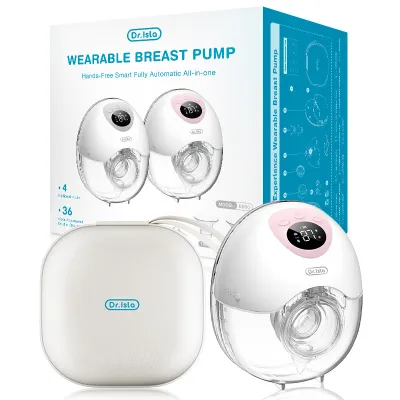
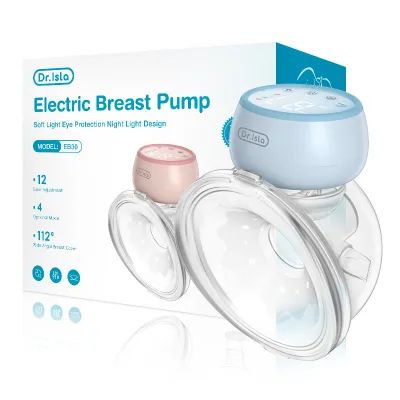
Prices are valid at publication and may change. Please refer to the product page for the latest price.
Selecting this brand is highly appropriate if you intend to pump occasionally, need a lightweight backup pump for travel, or are working within a strict budget. Conversely, a premium hospital-grade pump remains the recommended choice for exclusive pumping, managing severe latch issues, or establishing a fragile milk supply in the early weeks postpartum. Your decision should align with your planned pumping frequency, physical comfort, and long-term feeding goals.
Core Features to Compare: Suction, Comfort, and Convenience
When comparing breast pumps, focusing on specific performance metrics rather than brand names ensures you select a device that supports your physical well-being. A pump must be efficient enough to express milk effectively while remaining gentle enough to prevent tissue damage. Examining the technical specifications of Dr. Isla alongside other brands highlights the practical differences in daily usability.

Suction Power and Customizable Modes
Suction strength in breast pumps is measured in millimeters of mercury (mmHg) or kilopascals (kPa). When evaluating Dr. Isla or any competing brand, check the manufacturer’s documentation for the maximum vacuum pressure and the availability of adjustable settings. It is a common misconception that stronger suction yields more milk; in reality, excessive suction can cause pain, breast tissue trauma, and actually inhibit the let-down reflex.
Most modern electric pumps, including Dr. Isla, feature dual phases: a rapid stimulation or massage mode to mimic a baby’s initial quick sucks, followed by a slower, deeper expression mode. Look for a pump that offers independent control over both suction strength and cycle speed. This customization allows you to replicate your baby’s natural nursing rhythm, which is crucial for comfortable and efficient milk expression.
Portability, Battery Life, and Noise Level
For working mothers in the Philippines, managing a pumping schedule during a daily commute or office hours requires a highly portable design. Verify the physical weight of the pump motor unit and whether it operates on a rechargeable lithium-ion battery. A pump that supports USB-C charging offers significant convenience, allowing you to charge the device via a power bank, laptop, or car charger during power outages or travel.
Motor noise is another critical consideration, particularly for nighttime pumping sessions next to a sleeping baby or discreet pumping at a workplace. Look for manufacturer specifications indicating a noise level below 50 decibels (dB) for quiet operation. While compact wearable pumps excel in portability, they sometimes compromise on battery capacity compared to slightly larger personal double electric pumps.
Flange Fit and Accessory Compatibility
Physical comfort and milk output are directly influenced by the fit of the breast shield or flange. An improperly sized flange can cause friction, nipple pain, blocked milk ducts, and reduced milk expression. Before purchasing, check what flange sizes are included in the box and whether the brand offers alternative sizes or comfortable silicone inserts.
- Nipple Measurement: Measure your nipple diameter at the base (excluding the areola) before a pumping session to determine the correct flange size.
- Standard Sizing: Most brands package a standard 24mm flange, but you may require a smaller (e.g., 19mm, 21mm) or larger (e.g., 27mm, 30mm) size.
- Third-Party Compatibility: Verify if the pump connectors accept standard wide-neck or narrow-neck parts from other major brands, which simplifies finding replacements or using preferred baby bottles.
Ease of Cleaning and Maintenance
In the warm, humid climate of the Philippines, maintaining strict hygiene for infant feeding equipment is vital to prevent bacterial growth. Examine the number of individual parts that require washing, sanitizing, and drying after each use. Fewer parts mean less time spent at the sink, which is a major factor in reducing caregiver fatigue.
Always verify that the pump utilizes a closed-system design. A closed system incorporates a physical barrier, such as a silicone diaphragm, that prevents milk and moisture from entering the tubing and the motor unit. This design is highly critical for hygiene, as open systems can allow mold to develop inside the motor where it cannot be cleaned, posing a health risk to your baby.
Dr. Isla vs. Premium and Hospital-Grade Brands
Premium brands such as Spectra, Medela, or Avent are widely recognized for their robust motors, high-quality materials, and extensive clinical research. These manufacturers design hospital-grade pumps intended for multiple daily uses over many months or even years. The motors in these premium units are engineered to maintain consistent suction power without degrading, which is essential for mothers who rely solely on a pump to sustain their milk supply.
In contrast, Dr. Isla operates primarily in the personal-use, budget-friendly segment. While a premium hospital-grade pump might feature a larger footprint and require an electrical outlet, it offers superior durability and precise calibration. Dr. Isla pumps provide a lighter, more compact alternative, but the motor life and suction consistency over long-term, heavy-use scenarios may not match those of high-end brands.
Another critical distinction lies in customer support, warranty coverage, and the availability of replacement parts. Premium brands usually have established local distributors in the Philippines, making it easier to claim warranties, access professional repair services, or buy replacement valves and membranes at local baby stores. When choosing Dr. Isla, verify the seller’s specific warranty terms and ensure you can easily source replacement silicone parts online to avoid disruptions in your pumping routine.
Dr. Isla vs. Budget and Ultra-Portable Brands
The budget category features a wide variety of options, ranging from manual pumps to wearable hands-free models. Dr. Isla competes closely with other affordable brands available on local ecommerce platforms. When comparing these budget options, the primary focus should be on material safety, build quality, and electrical safety certifications.
Ensure any budget pump you consider is explicitly labeled as BPA-free, as bisphenol-A can leach into breast milk and pose developmental risks to infants. Avoid unbranded, ultra-cheap pumps that lack clear manufacturer details, user manuals, or contact information. These generic devices often feature inconsistent suction curves that can cause physical discomfort or fail prematurely without any option for customer recourse.
Dr. Isla models often strike a favorable balance by offering modern features—such as LED touch screens, multiple mode settings, and rechargeable batteries—at a fraction of the cost of premium brands. However, compared to specialized, ultra-portable wearable cup pumps, some Dr. Isla double electric models still utilize external tubing and a separate motor unit. If complete, wire-free discretion inside your bra is your absolute priority, a dedicated wearable pump may suit you better, though it may offer less suction control than a traditional double electric setup.
Decision Framework: Which Breast Pump Should You Choose?
To finalize your decision, assess your daily routine, physical needs, and budget against the specific strengths of each pump category. This structured approach helps ensure your investment supports a stress-free breastfeeding experience.
- Choose Dr. Isla if: You are seeking an affordable double electric pump for occasional use, need a lightweight and rechargeable backup pump for the office, or want to explore electric pumping without committing to a high-priced premium unit.
- Choose a Premium/Hospital-Grade Brand if: You are exclusively pumping, supporting a premature infant in the NICU, working to increase a low milk supply, or require a highly durable machine designed for frequent daily sessions over a long period.
- Choose a Wearable/Mini Brand if: Your daily work or lifestyle requires you to pump hands-free while moving around, you prioritize maximum physical discretion, and you have an already well-established milk supply.
- Verify Before Purchasing: Always read recent customer reviews on official brand stores, confirm the seller's return and warranty policies, and check the immediate availability of replacement valves, diaphragms, and correct flange sizes in local online shops.
Regardless of the brand you select, prioritize your physical comfort. If you experience persistent pain, localized swelling, or a sudden drop in milk output, stop using the device immediately. Inspect the pump parts for wear or damage, verify your flange size, and consult a certified lactation consultant or healthcare professional for personalized guidance.
Frequently Asked Questions (FAQ)
Can I use Dr. Isla bottles with other breast pump brands?
Bottle compatibility across different breast pump brands depends entirely on the thread design and the neck width of the bottles. Dr. Isla bottles typically use a standard wide-neck design, which may pair directly with certain other wide-neck pump brands. However, to prevent cross-threading, secure seals, and accidental milk spills, always verify the manufacturer’s exact specifications or use a secure, brand-approved bottle adapter.
Is a double electric pump like Dr. Isla better than a manual pump?
A double electric breast pump generally saves significant time by expressing milk from both breasts simultaneously, which can also help stimulate higher prolactin levels to maintain milk supply. Manual breast pumps, however, are highly valuable for their silent operation, lack of dependence on electricity or batteries, ease of transport, and lower cost. Many mothers find it beneficial to own both: an electric pump for regular sessions and a manual pump for quick relief, travel, or emergency power outages.
How do I know if the suction on my breast pump is too strong?
Your breast pumping sessions should never be painful. Signs that your pump’s suction is set too high include physical pain during or after pumping, nipple blanching (turning white), bruising, swelling, or a noticeable decrease in milk flow due to a blocked let-down reflex. If you experience any of these symptoms, lower the vacuum setting immediately to a level that feels like a comfortable tug. If discomfort or skin irritation persists even at lower settings, consult a lactation specialist to check your flange fit and pumping technique.

Community discussion
Share your experience or ask a question. Comments are reviewed before publication.