
Quick Answer: Choosing the Right Material from the Dr. Isla Official Store
When browsing the dr isla official store, you will quickly notice that there is no single “best” bottle material for every family. The ideal choice depends on your baby’s age, your daily feeding environment, and your sterilization routine. Selecting the right material ensures both feeding safety and convenience in your daily parenting journey.
To help you make an immediate decision, here is a quick conditional guide based on common parenting scenarios:
- Choose Glass if you are feeding a newborn at home under strict parental supervision. Glass offers the highest scratch resistance and is incredibly easy to clean thoroughly, making it highly hygienic for early infancy.
- Choose PPSU (Polyphenylsulfone) if you want a premium, lightweight, and completely shatterproof bottle that can withstand years of daily use, frequent high-heat sterilization, and self-feeding transitions.
- Choose PP (Polypropylene) if you need a lightweight, highly budget-friendly backup bottle for travel, daycare, or short-term feeding phases.
Before finalizing your purchase, always verify current stock, specific bottle capacities, and bundle options directly on the dr isla official store to match your baby’s growing appetite.
Products mentioned in this guide
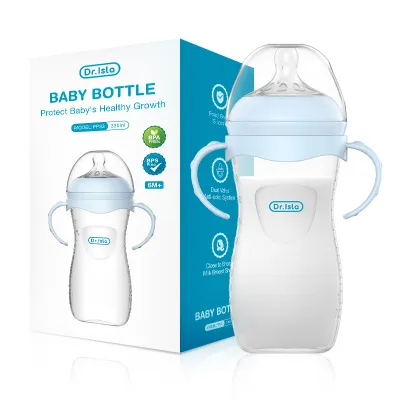
Prices are valid at publication and may change. Please refer to the product page for the latest price.
Understanding PPSU, Glass, and PP Bottle Materials
Selecting the right baby bottle requires a basic understanding of the materials used in modern manufacturing. The dr isla official store offers three primary materials: glass, Polyphenylsulfone (PPSU), and Polypropylene (PP). Each material has distinct physical properties, manufacturing standards, and performance characteristics under daily wear and tear. Understanding these differences allows you to invest in a bottle collection that aligns with your household needs and budget.

Glass Bottles: Best for Supervised Home Feeding
Glass has long been the traditional gold standard for infant feeding due to its exceptional purity and durability. Glass bottles are highly scratch-resistant, meaning they do not develop the microscopic abrasions that can occur on plastic surfaces over time. Because the surface remains perfectly smooth, glass does not retain stubborn milk odors, stains, or residual milk fats, making it remarkably easy to clean thoroughly.
However, glass is the heaviest material of the three, which can lead to hand fatigue during long, late-night feeding sessions. Its primary drawback is that it is fragile and will shatter if dropped on hard surfaces, such as the tiled or concrete floors common in many households. For this reason, glass bottles are best suited for the early newborn stage when parents or caregivers maintain complete control over the bottle and feed the baby in a stable, supervised home environment.
PPSU Bottles: The Durable, Shatterproof Choice
PPSU, or Polyphenylsulfone, is a high-performance, medical-grade plastic that has become increasingly popular in premium baby products. You can easily identify PPSU bottles by their signature natural amber or honey-like tint, which is a characteristic of the raw material rather than an added dye. This material combines the best safety advantages of glass with the practical, lightweight convenience of plastic.
PPSU is incredibly durable and shatterproof, meaning it will not crack or break even when dropped repeatedly from high chairs or changing tables. It also features exceptional heat resistance, allowing it to withstand high-temperature sterilization methods—including steam and boiling—without degrading, warping, or releasing microplastics over time. While PPSU bottles represent a higher upfront investment on the dr isla official store (typically ranging from ₱300 to ₱600+), their longevity makes them highly cost-effective, as they rarely need replacement due to material degradation.
PP Bottles: Lightweight and Budget-Friendly
PP, or Polypropylene, is the most common plastic used in standard baby bottles worldwide. It is lightweight, completely shatterproof, and has a translucent, slightly milky appearance. Because PP is highly affordable to manufacture, these bottles are exceptionally budget-friendly, making them accessible for families looking to purchase multiple bottles without a high financial burden.
Despite these benefits, PP is a softer plastic compared to PPSU. This makes it much more susceptible to micro-scratches from bottle brushes during daily cleaning. These tiny scratches can gradually cloud the bottle and create crevices where bacteria or milk residue can hide. Additionally, PP has a lower heat tolerance than PPSU and glass, meaning frequent high-heat sterilization can cause the material to warp, wear out, or retain stubborn odors faster. PP is best utilized as a secondary backup option, for short-term feeding phases, or for daycare routines where lightweight portability is essential.
Comparing Safety, Durability, and Daily Handling
To make an informed decision, it helps to compare these three materials side-by-side across the key performance dimensions that affect your daily routine. The table below outlines how glass, PPSU, and PP perform under typical household conditions.
| Material | Weight | Shatterproof | Scratch Resistance | Heat Tolerance | Best Use Case |
|---|---|---|---|---|---|
| Glass | Heavy | No | Excellent | Very High | Newborns, supervised home feeding |
| PPSU | Lightweight | Yes | High | Extremely High | Active babies, self-feeding, travel |
| PP | Very Lightweight | Yes | Moderate | Moderate | Budget-conscious setups, backup bottles |
When evaluating safety, chemical leaching is a primary concern for parents. Modern baby bottles found on the dr isla official store are manufactured to meet strict safety standards. When purchasing, always check the product packaging or listing details to verify that the bottles are certified BPA-free and BPS-free. These certifications ensure that the materials do not contain harmful industrial chemicals that could migrate into your baby’s milk.
Hygiene and long-term durability are closely linked to how a material handles wear. In warm, tropical climates like the Philippines, high humidity can accelerate the growth of bacteria and mold if bottles are not dried and cleaned perfectly. Because glass and PPSU resist scratching, they are far superior for maintaining long-term hygiene. Micro-scratches in standard PP bottles can trap moisture and organic milk matter, requiring extra vigilance during the washing process to prevent bacterial buildup.
Daily handling comfort is another critical factor, especially during growth spurts when babies feed frequently throughout the night. Holding a heavy glass bottle for 20 to 30 minutes at a time can cause wrist strain for tired parents. Transitioning to lightweight PPSU or PP bottles significantly reduces physical fatigue, making feeding sessions more comfortable for both you and your baby.
Matching the Material to Your Baby’s Age and Routine
As your baby grows, their motor skills, feeding habits, and daily environments change. Matching the bottle material to your baby’s developmental stage ensures safety and ease of use.
Newborns (0 to 3 Months)
During the first few months of life, babies are entirely dependent on caregivers for feeding. Because you will be holding the bottle at all times, the risk of dropping and breaking a bottle is relatively low. Glass bottles are highly recommended for this stage. Their superior hygiene, ease of thorough cleaning, and resistance to odor retention make them ideal for protecting a newborn’s developing immune system. Just ensure you store and handle them away from the edges of changing tables or high countertops.
Transitioning to Self-Feeding (4 to 8 Months)
As babies reach the middle of their first year, they begin to develop their palmar grasp and will naturally try to hold the bottle themselves. During this transition, bottles will inevitably be dropped, pushed off high chairs, or tossed onto the floor. To prevent injuries from broken glass, it is highly recommended to transition to PPSU bottles. PPSU provides the lightweight ease your baby needs to hold the bottle independently, combined with the shatterproof durability required to survive daily drops.
Active Toddlers (9 Months and Older)
Older babies and toddlers are highly active and mobile. They may carry their bottles around the house, drop them on tiled floors, or throw them during play. PPSU remains the safest and most resilient option for this stage, as it can withstand heavy impact without cracking. While PP bottles can also be used during this phase due to their lightweight and shatterproof nature, they will wear out much faster under active toddler use and will require more frequent inspection and replacement.
Travel and Daycare Routines
If you frequently travel, visit family, or send your baby to daycare, portability and weight become top priorities. Packing multiple heavy glass bottles in a diaper bag can quickly become exhausting, and there is always a risk of breakage during transit. PPSU and PP bottles are highly recommended for travel. They are lightweight, easy to pack, and completely shatterproof, ensuring that you always have a safe, intact bottle ready for feeding when you are on the move.
Summary Recommendation
- Choose Glass if you want maximum scratch resistance, prioritize absolute ease of cleaning, feed primarily at home, and can supervise every feeding session.
- Choose PPSU if you want a premium, long-lasting, lightweight, and shatterproof bottle that can withstand frequent sterilization and active self-feeding.
- Choose PP if you are looking for an affordable, lightweight option for backup use, travel, or short-term feeding needs.
Sterilization, Daily Care, and Replacement Rules
Proper maintenance is essential to extend the lifespan of your baby bottles and protect your baby’s health. Different materials react differently to heat and cleaning agents, meaning your daily care routine should adapt to the specific bottles you choose from the dr isla official store.
Sterilization Methods and Material Reactions
Most common sterilization methods—including boiling water, electric steam sterilizers, and UV sterilizers—are compatible with glass and PPSU. Glass and PPSU handle high temperatures exceptionally well without warping or degrading. However, PP bottles are more sensitive to heat. Frequent exposure to boiling water or high-temperature steam can cause PP to degrade faster, leading to warping or a cloudy appearance. If you use PP bottles, monitor their shape and structural integrity closely during sterilization.
Drying and Storage in Humid Climates
In highly humid tropical environments, drying your bottles thoroughly is just as important as sterilizing them. Damp bottles left in enclosed spaces can quickly become breeding grounds for mold and bacteria. After washing and sterilizing, place all bottle components on a clean, dedicated drying rack in a well-ventilated area. Ensure they are completely dry before assembling them or storing them in a cupboard.
Inspection and Replacement Guidelines
To ensure feeding safety, establish a regular habit of inspecting your baby bottles. Always follow these replacement guidelines:
- For Plastic Bottles (PPSU and PP): Inspect the bottles regularly under a bright light. Look for signs of cloudiness, deep micro-scratches, a sticky texture, or fine cracks. If you observe any of these signs, discard the bottle immediately to prevent bacterial buildup. While PPSU can often last up to a year or more with proper care, PP bottles generally require replacement every 4 to 6 months due to faster wear.
- For Glass Bottles: Check carefully for any chips, hairline cracks, or sharp edges, especially around the rim and the base. Discard any damaged glass bottles immediately, as they pose a severe safety hazard.
- Nipple Replacement: Remember that silicone nipples degrade much faster than the bottle bodies themselves. Inspect nipples weekly by pulling on the bulb; if they become sticky, cracked, torn, or if the milk flows too quickly for your baby's developmental stage, replace them immediately. Most manufacturers recommend replacing silicone nipples every 1 to 3 months for hygiene and safety.
Always refer to the specific care, heating, and sterilization instructions printed on your Dr. Isla product packaging, as manufacturer guidelines will always supersede general advice.
Frequently Asked Questions (FAQ)
Can I use the same nipples across different Dr. Isla bottle materials?
Yes, nipples are generally interchangeable across different Dr. Isla bottle materials, provided that the bottles share the same neck design. For example, wide-neck nipples are designed to fit wide-neck glass, PPSU, and PP bottles within the brand’s product line. To ensure a leak-free fit and proper venting, always verify the exact neck size and compatibility details on the dr isla official store listing before mixing and matching components.
Why do PPSU bottles have a natural honey tint?
The distinct amber, golden, or honey-like tint of PPSU bottles is a natural characteristic of the Polyphenylsulfone resin itself. It is not a manufacturing defect, a stain, or an indication that the bottle has been previously used. This natural coloration does not affect the safety, purity, or taste of the milk, and it will not fade or wash away during regular sterilization.
How often should I replace plastic baby bottles?
While there is no single expiration date, plastic baby bottles require regular replacement based on wear and material type. Standard PP bottles should generally be replaced every 4 to 6 months because they scratch and degrade more easily under high heat. Premium PPSU bottles are highly durable and can often last up to 8 to 12 months, but they still require regular visual inspection. Regardless of age, any plastic bottle that shows visible cloudiness, deep scratches, cracks, or a sticky residue must be replaced immediately.

Community discussion
Share your experience or ask a question. Comments are reviewed before publication.