
Choosing the right baby bottle is a key decision for parents navigating busy daily routines and tropical climates. The ideal Dr. Green bottle material depends on your caregiver setup, your baby’s developmental stage, and handling preferences. While glass offers exceptional purity and scratch resistance for supervised home feeding, lightweight plastic provides unmatched convenience for travel and active days out. Meanwhile, flexible silicone delivers a soft, squeezable texture that closely mimics the natural feel of breastfeeding, making it a popular choice for babies transitioning to the bottle. Because product designs and material formulations can vary, always verify the specific product labels and manufacturer guidelines on your Dr. Green packaging to ensure safety, compatibility, and proper usage.
Key Comparison Dimensions for Dr. Green Bottle Materials
When comparing bottle materials, looking beyond aesthetics to practical daily use is essential. In warm environments where humidity can affect drying times and hygiene, understanding how glass, plastic, and silicone perform across key dimensions helps narrow down the best choice for your nursery.
Weight and Grip The physical weight of a bottle directly impacts both the caregiver’s comfort during long feeding sessions and the baby’s eventual ability to hold the bottle independently. Glass is naturally the heaviest option, which can tire out a caregiver’s wrist during late-night feeds and makes self-feeding difficult or unsafe for younger infants. Plastic is exceptionally lightweight, allowing babies to practice their grip and transition to independent holding more easily. Silicone sits in the middle, offering a unique, soft-touch texture that provides a natural, non-slip grip for both tiny hands and tired parents.
Products mentioned in this guide
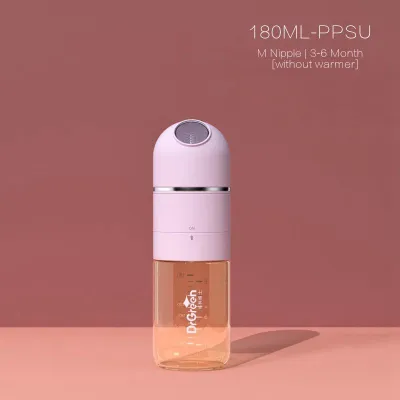
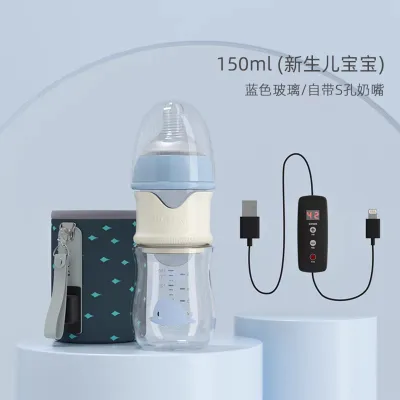
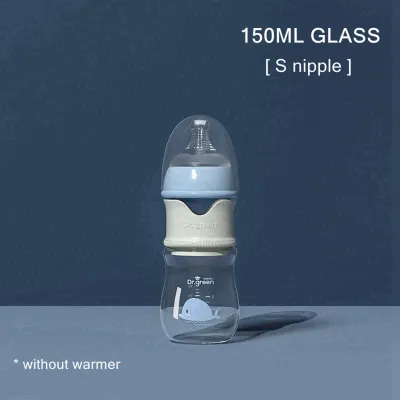
Prices are valid at publication and may change. Please refer to the product page for the latest price.
Durability and Breakage Daily life with an active baby involves inevitable drops, bumps, and spills. Glass bottles are highly durable against scratches and wear but remain fragile; a single drop on hard tile or concrete floors can cause dangerous shattering. Plastic bottles are virtually shatterproof, making them highly resilient against drops, though they are prone to surface scratches over time. Silicone is highly elastic and virtually indestructible when dropped, absorbing impacts effortlessly without cracking or breaking.
Heat Retention and Warming How a bottle material interacts with heat affects how quickly you can prepare a feed. Glass conducts heat efficiently, allowing milk to warm up rapidly in a bowl of warm water, though it also loses heat relatively quickly in air-conditioned rooms. Plastic warms up at a moderate rate and holds temperature reasonably well. Silicone, being a natural insulator, takes longer to transfer heat from an external warmer to the milk inside, but it excels at maintaining a stable temperature once warmed.
Because specific wall thicknesses and design features can alter these general characteristics, always check the packaging of your specific Dr. Green bottle to confirm its exact weight, thermal properties, and handling recommendations.
Glass, Plastic, and Silicone: Pros, Cons, and Best Use Cases
To help you visualize how these materials fit into your daily routine, let us break down the specific advantages, limitations, and ideal scenarios for each option.

Glass Bottles
Glass has long been a traditional favorite for parents prioritizing material purity and long-term hygiene. Dr. Green glass bottles provide a highly scratch-resistant surface that does not degrade, discolor, or retain stubborn milk odors, even after months of sterilization. This makes them exceptionally easy to clean thoroughly, which is a major advantage in warm, humid climates where bacteria can multiply quickly on compromised surfaces.
However, the primary drawbacks of glass are its weight and fragility. Glass bottles require constant caregiver supervision to prevent accidental drops that could result in sharp shards. They are also heavier to pack in a diaper bag for trips to the mall or family visits.
Best Use Case: Glass is best suited for supervised home feeding, especially during the newborn stage when parents do the holding, or for families who prioritize a highly durable, scratch-free feeding vessel that can be sterilized repeatedly without wear.
Plastic Bottles
Plastic bottles are designed with active lifestyles and convenience in mind. Made from lightweight, shatterproof polymers, Dr. Green plastic bottles are incredibly easy to pack, carry, and handle. If a plastic bottle slips from your hands or is tossed from a high chair by an energetic toddler, there is zero risk of shattering or injury.
The main disadvantage of plastic is its susceptibility to wear and tear. Over time, frequent washing and sterilization can cause micro-scratches on the inner walls. These tiny crevices can harbor milk fat residues, stains, and odors, requiring more frequent replacements compared to glass.
Best Use Case: Plastic is the ideal choice for travel, daycare, outdoor strolls, and older babies who are beginning to hold their own bottles independently under adult supervision.
Silicone Bottles
Silicone represents a modern middle ground, combining the safety of a non-shattering material with a unique tactile experience. Dr. Green silicone bottles feature a soft, flexible body that mimics the natural, warm feel of skin. This squeezable design allows parents to gently assist with milk flow if needed, making the bottle feel more familiar to a breastfed infant.
On the downside, the soft exterior of silicone can attract dust, lint, and pet hair more easily than smooth glass or plastic. Additionally, because silicone is porous, it can sometimes retain soapy scents or milk odors if not washed with a mild, fragrance-free dishwashing liquid.
Best Use Case: Silicone is highly recommended for breastfed babies who are transitioning to bottle-feeding or for parents who want a soft, drop-safe bottle that is easy for small hands to squeeze and explore.
Decision Framework: Which Dr. Green Material Fits Your Routine?
Choosing the right bottle does not have to be overwhelming. By matching your daily habits and your baby’s developmental stage to the strengths of each material, you can build a highly practical feeding system.
Choose Glass if:
- You primarily feed your baby at home and have tiled floors where plastic might scratch but glass can be handled carefully over soft play mats.
- You want a bottle that remains crystal clear, odor-free, and scratch-resistant through hundreds of sterilization cycles.
- You prefer a material that heats up quickly in warm water during late-night feeding rushes.
Choose Plastic if:
- You are frequently on the go, travel often, or need to pack multiple bottles for daycare or a relative's house.
- Your baby is reaching the age of independent holding and needs a lightweight, drop-proof bottle.
- You want an affordable, highly accessible option that is easy to pack without adding extra weight to your diaper bag.
Choose Silicone if:
- Your baby is transitioning from direct breastfeeding and responds best to a soft, warm, and squeezable texture.
- You want a shatterproof bottle that is easier to grip than smooth plastic and offers excellent drop protection.
- You are comfortable using specialized cleaning brushes and fragrance-free soaps to maintain the material's texture.
Before making your final purchase, verify if your baby has specific grip preferences or if your home sterilizer has height or material restrictions. Some UV sterilizers or high-heat steam units have specific guidelines regarding silicone or plastic placement, so checking your appliance manual alongside the Dr. Green bottle packaging is a crucial safety step.
Cleaning, Sterilization, and Safety Checks
Maintaining strict hygiene is vital for your baby’s health, particularly in warm, tropical climates where moisture can encourage mold and bacterial growth. No matter which Dr. Green bottle material you choose, establishing a consistent cleaning and inspection routine is essential.
Sterilization Compatibility Before exposing your bottles to high heat, always check the Dr. Green packaging for specific temperature limits. While glass can withstand extreme temperatures, certain plastics and silicone components may have lower thresholds. Verify whether your bottles are compatible with boiling water, electric steam sterilizers, or UV sterilizers. Some plastics can degrade or discolor faster under continuous UV exposure, while silicone may require placement away from direct heating elements.
Inspection Routines Develop a habit of inspecting each bottle before every single feed.
- For glass bottles, run your fingers along the rim and base to check for hairline cracks, chips, or sharp edges.
- For plastic bottles, look closely under bright light for cloudiness, deep scratches, or warping.
- For silicone bottles, gently stretch the material to check for tears, sticky residues, or stubborn discoloration.
Replacement Triggers To ensure feeding safety, you must discard and replace bottle components immediately when certain signs appear. Replace plastic bottles at the first sign of deep scratches, persistent odors, or cloudiness, as these indicate the material is degrading. Discard silicone bottles if they feel sticky, show permanent discoloration, or have tears. Glass bottles must be replaced immediately if you spot even the tiniest chip or crack. Nipples should generally be replaced every few months, or sooner if you notice a change in flow rate, thinning of the material, or tears from teething.
Frequently Asked Questions (FAQ)
Can I mix different Dr. Green bottle materials for the same baby?
Yes, many parents successfully use a mix of materials depending on the situation. For example, you might use glass bottles at home for easy cleaning and plastic or silicone bottles when traveling to avoid the risk of breakage. When mixing materials, the key to preventing feeding confusion is keeping the nipple shape, material, and flow rate consistent. Babies are highly sensitive to the texture and flow of the nipple, so ensuring that the nipple remains identical across your glass, plastic, and silicone bottles will help your baby adapt smoothly to the different weights and textures of the bottle bodies.
Are Dr. Green plastic bottles BPA-free?
Modern baby bottles are generally manufactured to meet strict safety standards, which typically exclude Bisphenol A (BPA) from plastic formulations. However, because manufacturing standards, product lines, and regional distributions can vary over time, you should never assume safety based on brand name alone. Always inspect the physical packaging or product label of your specific Dr. Green plastic bottles to verify the presence of a \”BPA-free\” certification or food-grade plastic label before use. If the packaging lacks clear safety certifications, contact the manufacturer directly or consult a pediatric professional for guidance.

Community discussion
Share your experience or ask a question. Comments are reviewed before publication.