
Choosing the right baby bottle is one of the most frequent decisions new parents face, and the material of the bottle plays a massive role in your daily feeding routine. The choice between Dr. Brown’s glass and plastic bottles depends on your feeding environment, lifestyle, and who is holding the bottle. Glass offers excellent long-term durability against stains and odors, making it ideal for home use, while plastic provides lightweight, shatterproof convenience that is perfect for travel, daycare, and babies learning to feed themselves. Both options feature the brand’s signature internal vent system, ensuring that your baby receives the same anti-colic benefits regardless of the material you choose.
While both materials deliver the same vacuum-free feeding experience to help reduce spit-up, burping, and gas, they differ significantly in weight, durability, maintenance, and cost. Understanding these differences allows you to select the option that fits seamlessly into your lifestyle and matches your baby’s developmental stage.
Quick Verdict: When to Choose Glass or Plastic
For parents who primarily feed their babies at home and prioritize a material that remains crystal clear without absorbing odors or stains over months of use, glass is the ideal choice. It withstands frequent sterilization cycles beautifully and offers excellent longevity, making it a sustainable option for families planning to reuse bottles for future siblings.
Products mentioned in this guide
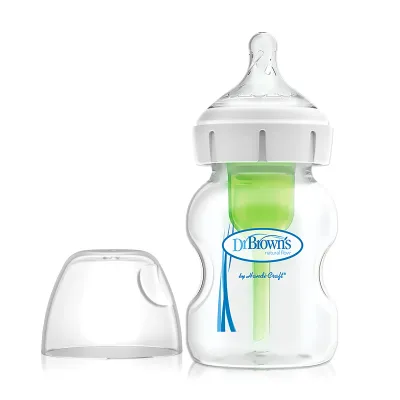
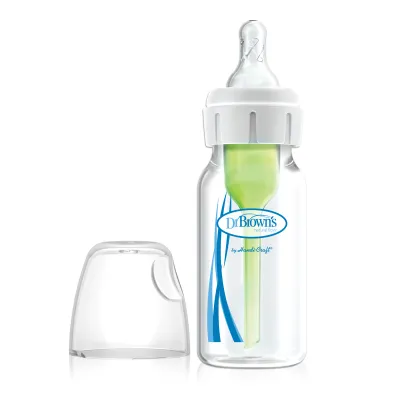
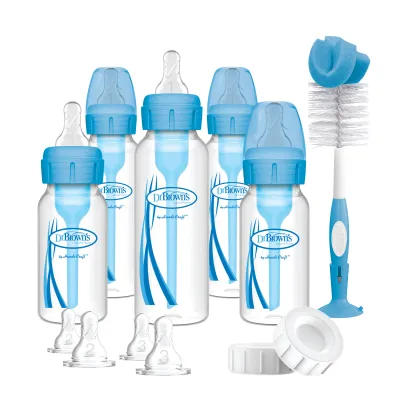
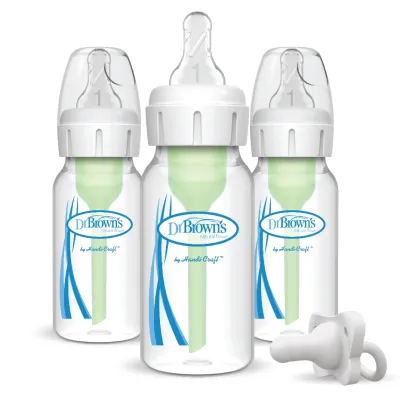
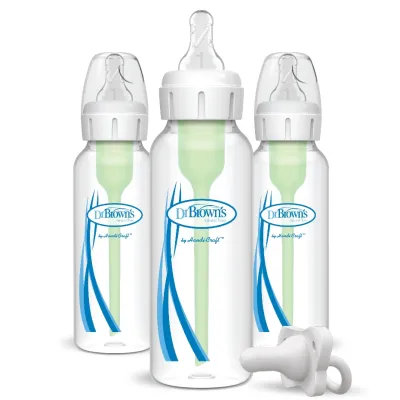
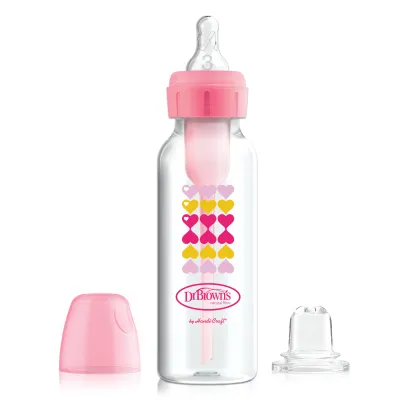
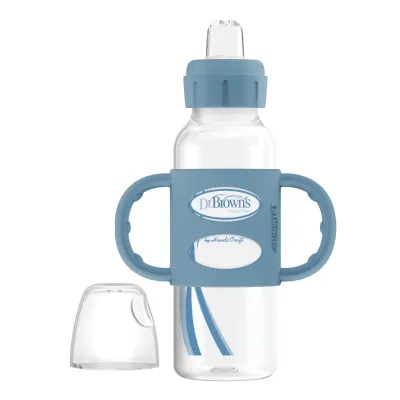
Prices are valid at publication and may change. Please refer to the product page for the latest price.
On the other hand, plastic is the superior choice for active families who are frequently on the go, commute through busy areas, or rely on daycare services. Its lightweight, shatterproof design makes it easy to pack into diaper bags without adding unnecessary weight or risking breakage. It is also the practical choice when your baby begins showing signs of wanting to hold the bottle independently.
Regardless of whether you select glass or plastic, the internal green or blue vent system remains identical in design and function. The anti-colic performance is determined by this specialized venting insert rather than the outer shell, so your baby will enjoy the same comfortable feed with either material.
Weight and Handling: What Feels Best for You and Your Baby?
The physical handling experience of these two materials diverges quickly once the bottles are filled with milk. Glass is naturally much heavier than plastic. While a single empty glass bottle might not feel overly heavy, holding a fully filled 8-ounce glass bottle during a long, slow feed can lead to noticeable hand and wrist fatigue for caregivers, especially during late-night or cluster-feeding sessions.

This weight difference becomes even more critical as your baby grows and develops motor skills. Around the age of six to nine months, many babies begin attempting to hold their own bottles. The heavy weight of a glass bottle can make this developmental milestone frustrating and difficult for tiny hands to manage, often causing the bottle to slip.
Plastic bottles are exceptionally lightweight and easy to maneuver. They allow babies to transition smoothly to self-feeding under close caregiver supervision. If a plastic bottle slips from a baby’s grasp, it poses no risk of injury, whereas a dropped glass bottle can cause discomfort or minor injury if it lands directly on a baby’s chest or face.
Durability and Breakage: Managing Drop Risks in Daily Life
Daily life with a newborn is often chaotic, and dropped items are inevitable. Plastic bottles excel in high-stress, fast-paced environments because they are virtually shatterproof. If a plastic bottle slips from your hands onto a hard surface, it will simply bounce, leaving you with nothing more than a spilled liquid to clean up.
In contrast, glass is inherently fragile. Many homes in tropical climates feature hard ceramic tile, polished concrete, or marble flooring to keep indoor spaces cool. Dropping a glass bottle on these unforgiving surfaces can result in immediate shattering, creating a hazardous environment of tiny glass shards that requires meticulous cleanup to protect crawling babies, pets, and barefoot family members.
To mitigate this risk, many parents utilize custom-fit silicone sleeves. These sleeves slide over the glass body to provide a textured, non-slip grip for sweaty or wet hands, which is especially helpful in warm, humid weather. While these sleeves offer valuable shock absorption against minor bumps and short drops, they do not make the glass completely unbreakable, meaning caregivers must still exercise caution.
Cleaning, Sterilization, and Stain Resistance
Maintaining hygiene is a top priority for infant feeding gear, and the two materials respond differently to washing and sterilization. Plastic is a porous material, meaning it can gradually absorb milk fats, leading to a cloudy appearance, stubborn residue, and lingering odors over time. This is particularly noticeable in warm, humid climates where bacteria and mold can thrive if bottles are not dried quickly and thoroughly in a well-ventilated space.
Glass is non-porous and highly resistant to chemical degradation. It does not absorb odors, colors, or grease, allowing it to maintain its sparkling clarity even after hundreds of uses and washes. Milk fat rinses off glass surfaces much more easily, requiring less vigorous scrubbing with a bottle brush.
When it comes to sterilization, both materials are highly compatible with standard methods, but they require different precautions:
- Electric and Microwave Sterilizers: Always consult your specific sterilizer manual before loading. Glass bottles are significantly heavier than plastic ones and can exceed the weight limits of delicate plastic sterilizer trays, or they may cause the unit to tip if not balanced correctly.
- Dishwasher Safety: Both glass and plastic bottles are generally dishwasher-safe. However, plastic bottles and the small, intricate silicone and plastic vent components must always be placed on the top rack to prevent them from melting or warping due to the dishwasher's heating element.
- Drying Times: Because of the high humidity in tropical regions, ensuring all parts are completely dry before assembly is crucial. Glass tends to dry slightly faster than plastic, reducing the risk of moisture retention in the small crevices of the collar and vent.
Safety, Temperature, and Material Integrity
Modern parents are highly conscious of chemical safety and material composition. When purchasing bottles, always verify the exact material specifications directly on the product packaging or the official brand website. Dr. Brown’s plastic bottles are typically manufactured from BPA-free polypropylene, while their glass bottles are made from high-quality borosilicate glass, which is engineered to handle temperature fluctuations better than standard glass.
Temperature transfer is another area where the two materials behave differently. Glass conducts heat much faster than plastic. When you place a cold glass bottle into a bottle warmer or a container of warm water, the milk inside warms up rapidly, which is incredibly convenient when dealing with a crying, hungry baby. However, this rapid heat transfer also means the exterior of the bottle can become hot to the touch very quickly, requiring you to test the temperature carefully before feeding.
Plastic warms up more slowly, acting as a mild insulator. While this means it takes a bit longer to bring cold milk to the desired temperature, the outer surface remains comfortable to hold. Regardless of the material, always check the manufacturer’s labels for maximum temperature limits and thermal shock warnings. Avoid pouring boiling water directly into a cold glass bottle, as sudden, extreme temperature swings can cause the glass to crack. Additionally, never heat breastmilk or formula in a microwave, as this creates dangerous hot spots that can burn your baby’s mouth.
Cost, Replacement, and Long-Term Value
When planning your baby registry or purchasing feeding supplies, budget and long-term value are important considerations. Glass bottles generally carry a higher upfront retail cost in Philippine Pesos (₱) compared to plastic bottles. For parents buying complete starter sets, this initial investment can be substantial.
However, the long-term cost dynamic often favors glass if the bottles are handled carefully. Plastic bottles have a limited lifespan; they scratch easily during cleaning, and these microscopic scratches can harbor bacteria and milk residue. Over time, plastic bottles become cloudy, stained, or retain a sour milk smell, requiring you to discard and replace them every few months.
Well-maintained glass bottles do not degrade, scratch, or cloud. If you avoid dropping and breaking them, a single set of glass bottles can last through your baby’s entire bottle-feeding journey and be sterilized and stored for future children. In the long run, you may only need to replace the silicone nipples and internal vent inserts, making glass a highly cost-effective and environmentally friendly choice over several years.
Final Decision Guide: Matching the Bottle to Your Lifestyle
To make your final decision, evaluate your daily routine, feeding locations, and personal preferences against the unique characteristics of each material.
Choose Glass if:
- You primarily feed your baby at home where hard drops are less likely or easier to manage.
- You want a material that remains perfectly clear, odor-free, and easy to clean over long-term use.
- You are planning to have more children and want a durable, reusable investment that stands the test of time.
- You prefer rapid warming times and want to minimize your baby's contact with plastic materials.
Choose Plastic if:
- You are frequently on the go, travel often, or need to pack multiple bottles for daycare.
- Your baby is reaching the developmental stage where they want to hold the bottle independently.
- You want a lightweight, shatterproof option that eliminates the worry of broken glass on hard floors.
- You prefer a lower upfront cost and do not mind replacing the bottles periodically as they show signs of wear.
Before making your purchase, take a moment to verify a few external factors. Check if your chosen daycare center has strict safety policies banning glass containers entirely. Review your electric sterilizer’s user manual to ensure it can safely accommodate the weight and size of glass bottles. By matching these practical considerations to your family’s daily life, you can select the bottle material that makes feeding time a comfortable, stress-free experience for both you and your baby.
Frequently Asked Questions (FAQ)
Can I mix glass and plastic Dr. Brown's bottles?
Yes, the internal vent systems, collars, and silicone nipples are generally interchangeable between glass and plastic Dr. Brown’s bottles of the same size and product line. For example, if you use the Options+ wide-neck series, the parts will fit both the glass and plastic wide-neck bottles of that specific line. However, always check the base threading and specific product packaging to ensure a secure, leak-free fit, as older original parts may not align perfectly with newer Options+ designs.
Do glass Dr. Brown's bottles need a silicone sleeve?
While a silicone sleeve is not strictly mandatory for the bottle to function, it is highly recommended for safety and convenience. A silicone sleeve provides a textured, non-slip surface that improves your grip, which is especially helpful in humid tropical weather when condensation can make the glass slippery. It also offers essential shock absorption to help protect the bottle from cracking or shattering during minor bumps and short drops. Check your specific starter kit or product packaging to see if a sleeve is included, or if you need to purchase it separately as an accessory.

Community discussion
Share your experience or ask a question. Comments are reviewed before publication.