
Caring for a newborn’s delicate skin in a tropical climate presents unique challenges. With high humidity and warm temperatures, parents often look for ways to keep their babies dry, comfortable, and free from sweat rashes. While baby powder has been a household staple for generations, modern pediatric guidelines raise important safety questions about its use on newborns.
If you are considering using Dove baby powder, or any other brand, the primary concern is not necessarily the brand itself, but the physical nature of loose powder. Newborns have highly sensitive, developing respiratory systems and fragile skin barriers. Understanding how baby powder interacts with these systems is the first step in making an informed decision for your child’s health.
Before applying any powder to your newborn, it is crucial to understand the physical risks, learn how to read product labels, and explore safer alternatives recommended by pediatricians. This guide outlines what you need to look for on your product packaging and how to protect your baby from accidental inhalation or skin irritation.
Products mentioned in this guide
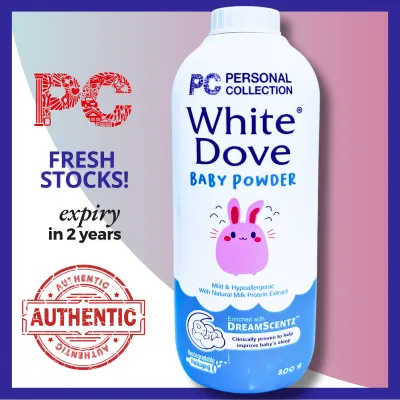
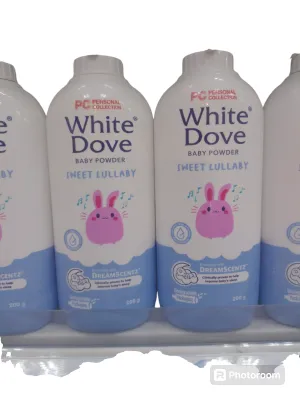


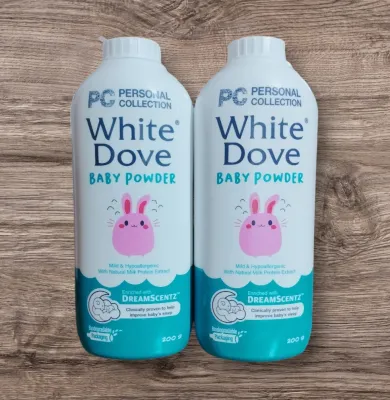
Prices are valid at publication and may change. Please refer to the product page for the latest price.
Understanding the Safety Concerns Around Baby Powder
The primary safety concern associated with baby powder is the risk of inhalation. When loose powder is shaken or poured, it easily disperses into the air, creating an invisible cloud of extremely fine particles. Because newborns breathe rapidly and have very small, developing airways, inhaling these airborne particles can cause immediate respiratory irritation or lead to more serious lung complications over time.
Historically, baby powders were primarily made from talc, a naturally occurring mineral. Talc can be crushed into an incredibly fine powder that is highly effective at absorbing moisture and reducing friction. However, because talc particles are so small, they are easily inhaled deep into the lungs, where they can cause chronic irritation, inflammation, and respiratory distress.
In response to these concerns, many manufacturers have shifted toward cornstarch-based formulations. Cornstarch particles are slightly larger and heavier than talc particles, making them somewhat less likely to remain suspended in the air for long periods. Despite this difference, cornstarch still poses a significant physical inhalation hazard if a cloud of powder is created near a baby’s face.
Major pediatric organizations worldwide advise against the routine use of any loose baby powders. The consensus is that the risk of accidental inhalation outweighs the cosmetic benefits of the product. Even a small amount of inhaled powder can cause a newborn to cough, gag, or experience breathing difficulties.
How to Check Your Dove Baby Powder Ingredients and Labels
Because product formulations can vary by region and change over time, you should always inspect the specific packaging of the Dove baby powder you have. Turn the bottle over and locate the ingredient list, which is usually printed on the back label. The first ingredient listed is the primary base of the powder, which will typically be cornstarch, talc, or another starch-based alternative.

Next, look closely for any manufacturer warnings or safety instructions. Reputable brands include specific guidelines on their packaging, such as keeping the product out of reach of children and keeping the powder away from the baby’s nose and mouth. If the label explicitly warns against use on newborns or advises keeping the product away from certain areas of the body, those instructions must be followed strictly.
You should also check the label for added fragrances, preservatives, or botanical extracts. While a pleasant scent is often associated with clean babies, added fragrances can easily irritate a newborn’s highly sensitive skin. In hot and humid weather, fragranced products applied to sweaty skin folds can trigger contact dermatitis, leading to redness, itching, and discomfort.
If you are unable to find a clear ingredient list or if the safety warnings are missing from the packaging, it is best to err on the side of caution and avoid using the product. You can also contact the manufacturer directly or consult your pediatrician to verify if the specific formulation is appropriate for your baby’s age and skin condition.
Pediatric Guidelines for Using Powder on Newborns
Pediatricians generally recommend a “less is more” approach when it comes to newborn skincare. A newborn’s skin barrier is still developing and is much thinner than adult skin, making it highly susceptible to absorbing chemicals and reacting to physical irritants. During the first few weeks of life, keeping the skin clean and dry with water and soft cloths is usually sufficient.
One common area where parents are tempted to use powder is around the umbilical cord stump. However, medical guidelines emphasize keeping the umbilical cord stump clean and dry naturally without applying any powders, creams, or traditional remedies. Covering the area with powder can trap moisture underneath, creating an environment where bacteria can grow and potentially cause an infection.
For diaper rash prevention and moisture control, pediatricians typically recommend barrier creams or ointments instead of loose powders. Thick creams containing zinc oxide or petroleum jelly create a physical shield on the skin that blocks moisture from urine and stool. Unlike powders, these creams do not pose an inhalation risk and are highly effective at soothing irritated skin.
There are specific situations where a pediatrician will strongly advise against using any baby powder. If your baby was born prematurely, has a history of respiratory issues, or is currently suffering from a cold or cough, loose powders should be kept entirely out of the home. Additionally, powder should never be applied to broken, bleeding, or severely inflamed skin, as the particles can interfere with the natural healing process.
Safe Application Steps If You Choose to Use It
If you decide to use baby powder after consulting your pediatrician, you must take specific precautions to minimize the risk of inhalation and skin irritation. The most important rule is to never shake the powder bottle directly onto your baby’s body. Shaking the container directly creates an immediate cloud of dust right above the baby, making inhalation almost inevitable.
Instead, step away from your baby to dispense the product. Pour a very small, controlled amount of powder directly into your own hand or onto a soft cloth. Gently pat your hands together to settle the powder before bringing your hands back to the baby’s changing area. This simple step ensures that any airborne particles disperse far away from your baby’s face.
When applying the powder, gently pat it onto the targeted skin folds, such as the thighs or underarms, where moisture tends to collect. Avoid applying powder anywhere near the baby’s face, neck, or chest, as these areas are too close to the respiratory tract. You should also strictly avoid applying powder to the genital area, as fine particles can cause localized irritation.
Always wipe away any excess or built-up powder during diaper changes. When powder mixes with sweat or urine, it can form pasty clumps that trap moisture against the skin, leading to chafing and yeast infections. Keeping the skin folds clean and dry through regular washing is much safer than relying on continuous layers of powder.
When to Stop Using Baby Powder and See a Doctor
As a caregiver, you must monitor your baby closely for any adverse reactions whenever you introduce a new skincare product. If you notice any signs of respiratory distress during or after applying baby powder, stop using it immediately. These signs include coughing, wheezing, rapid or shallow breathing, flaring nostrils, or a blue tint around the lips.
You should also discontinue use if you observe any negative skin reactions. If your baby develops a new rash, persistent redness, dry patches, or if an existing diaper rash seems to get worse after using the powder, the product may be irritating their skin. In the tropical heat, sweat rashes can sometimes be mistaken for product reactions, but stopping the powder is the safest first step.
If your baby accidentally inhales a large amount of powder—for example, if a bottle is dropped or spilled near their face—seek emergency medical attention immediately. Do not wait for symptoms to worsen. Always consult your pediatrician if you have any doubts about your baby’s skin health or respiratory comfort, and bring the product packaging with you so the doctor can review the ingredients.
Frequently Asked Questions (FAQ)
Can I use Dove baby powder on my baby's face or neck?
No, you should never use baby powder on your baby’s face or neck. Applying powder to these areas places the loose particles directly next to your baby’s nose and mouth, dramatically increasing the risk of inhalation. Even a tiny puff of powder near the face can cause respiratory irritation, coughing, or choking. To keep your baby’s neck folds dry, gently pat them with a clean, dry cotton cloth instead.
Is cornstarch baby powder completely safe for newborns?
While cornstarch baby powder is often considered a safer alternative to talc-based powders because it does not carry the same mineral purity concerns, it is not completely risk-free. The physical hazard of inhaling fine airborne particles remains exactly the same. If cornstarch powder becomes airborne and is inhaled, it can still irritate a newborn’s sensitive lungs and cause respiratory issues.
How should I store baby powder to keep it safe?
To prevent accidents, store baby powder completely out of reach of children, ideally in a high, locked cabinet. Older siblings may attempt to play with the bottle, which can lead to dangerous spills and heavy inhalation clouds. Always ensure the shaker lid is tightly closed immediately after every use, and store the container in a cool, dry place to prevent the powder from absorbing humidity and clumping.

Community discussion
Share your experience or ask a question. Comments are reviewed before publication.