
When welcoming a newborn, choosing the safest skincare products is a top priority for parents. If you are wondering whether Dove baby powder is talc-free and safe for your newborn, the answer depends heavily on the specific product variant, regional formulation, and proper application methods. Because manufacturers frequently update their ingredients and distribute different formulations globally, you must physically inspect the packaging of the specific bottle you plan to purchase. While many modern baby care brands have transitioned to cornstarch-based alternatives to address health concerns, pediatricians generally advise extreme caution when using any loose powder on a newborn’s delicate skin and respiratory system.
In tropical climates like the Philippines, where high humidity and heat frequently cause sweat rashes and diaper irritation, baby powder has historically been a household staple. However, understanding the difference between talc and cornstarch, along with the physical risks of airborne particles, is crucial for protecting your infant. By learning how to read product labels and recognizing safer, powder-free alternatives, you can keep your baby’s skin dry and healthy without exposing their developing lungs to unnecessary risks.
How to Verify the Ingredients in Dove Baby Powder
To determine exactly what is inside a bottle of Dove baby powder, you must look directly at the ingredient list printed on the back or bottom of the packaging. Formulations can vary significantly depending on the country of manufacture and the specific product line. For instance, a bottle purchased from a local supermarket might have a different ingredient profile than an imported version bought through an online marketplace. Never rely solely on the product name or online descriptions, as these may not reflect the exact batch available to you.
Products mentioned in this guide
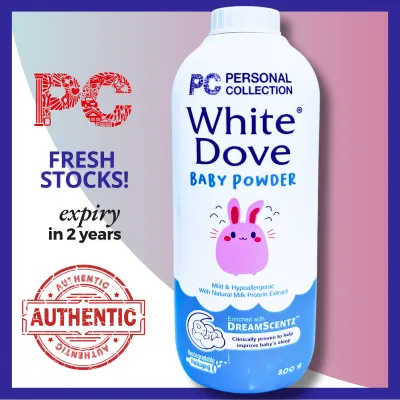
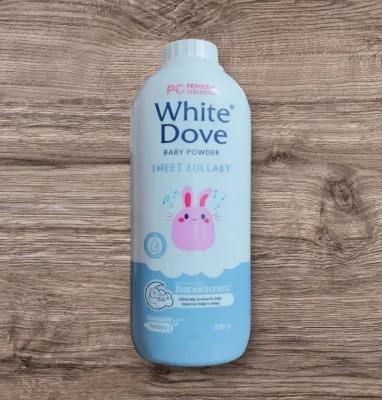
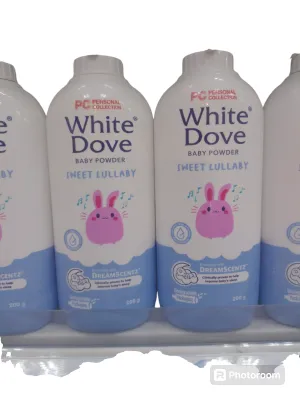
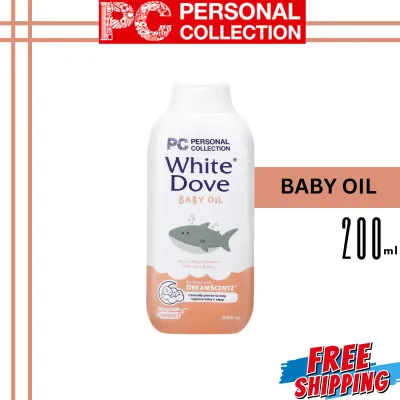
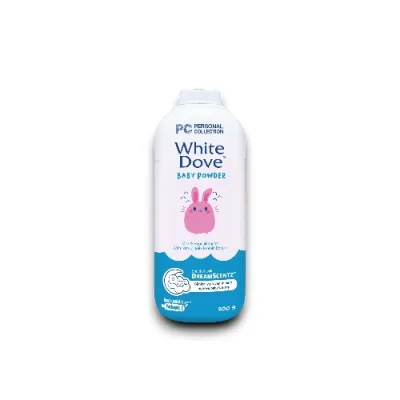
Prices are valid at publication and may change. Please refer to the product page for the latest price.
When reviewing the ingredient list, look for specific key terms that indicate the base material of the powder. If the product contains talc, it will be explicitly listed as “talc” or “talcum powder.” If the formulation is talc-free, you will typically see plant-based alternatives listed, such as “zea mays starch” (which is the scientific name for cornstarch) or “tapioca starch.” Plant-based starches are widely used in modern formulations as a substitute for talc because they do not carry the same mineral-related contamination risks.
In addition to the base ingredients, pay close attention to any manufacturer warnings, age recommendations, or usage instructions printed on the bottle. Many brands include specific guidelines advising caregivers to keep the product away from the child’s nose and mouth. If the label lacks clear ingredient information or if the text is printed in a language you cannot read, it is safest to avoid using that specific product on your newborn until you can verify its contents with the manufacturer.
Understanding Baby Powder Safety for Newborns
Even if you confirm that a baby powder is completely talc-free and cornstarch-based, using loose powder on a newborn presents inherent safety challenges. The primary medical concern with any loose powder is the risk of accidental inhalation. When you shake powder from a bottle, it creates an ultra-fine cloud of airborne particles. A newborn’s lungs, airways, and respiratory systems are incredibly delicate and still developing, making them highly sensitive to these airborne irritants.

Inhaling even small amounts of fine powder can lead to immediate respiratory distress, coughing, wheezing, or long-term airway irritation. Pediatricians and major health organizations globally advise against applying loose powders directly to a baby’s body, particularly near the face, neck, and chest. If you choose to use a cornstarch-based powder, the safest method is to shake a small amount into your own hand far away from the baby, rub your hands together to minimize airborne dust, and then gently pat it onto the baby’s skin folds.
Newborn skin is also significantly thinner and more permeable than adult skin, meaning its natural protective barrier is still maturing. This fragility makes newborns highly susceptible to contact dermatitis and irritation from synthetic fragrances, preservatives, or harsh chemicals often found in scented powders. Before introducing any new skincare product to your newborn’s daily routine, it is highly recommended to consult a pediatrician to ensure it is appropriate for your baby’s specific skin needs.
Monitoring for Skin Reactions and When to Stop
When introducing any new product to your baby’s skin, close observation is essential to prevent discomfort and long-term irritation. Caregivers should regularly inspect the baby’s skin folds, diaper area, and neck for early signs of an adverse reaction. These signs typically manifest as localized redness, dry or flaky patches, tiny red bumps, or unusual fussiness during and after the application of the product.
In warm and humid environments, loose powder can actually contribute to skin irritation rather than preventing it. When baby powder mixes with sweat, urine, or moisture from wet diapers, it tends to clump together in the deep folds of the baby’s skin. These damp, pasty clumps can trap moisture directly against the skin, causing friction and chafing. Over time, this trapped moisture creates an ideal environment for bacterial and fungal infections, such as yeast-based diaper rashes, which can be highly painful for your infant.
You should establish clear conditions for when to stop using the product immediately. If your baby begins to cough, sneeze, or show any signs of breathing difficulty during or after powder application, discontinue use right away and move the baby to fresh air. Similarly, if you notice persistent redness, a worsening diaper rash, or skin peeling, stop applying the powder immediately. If the skin irritation or respiratory symptoms do not improve within a day of stopping the product, seek a professional medical evaluation from your pediatrician.
Powder-Free Alternatives for Newborn Skin Care
Fortunately, you do not need to rely on loose powders to keep your newborn’s skin dry, comfortable, and free from diaper rash. Pediatricians frequently recommend powder-free alternatives that provide superior moisture protection without any of the respiratory risks associated with airborne particles. For diaper rash prevention and treatment, barrier creams and ointments containing zinc oxide or petroleum jelly are highly effective options. These products form a thick, protective layer on the skin that physically blocks moisture from urine and feces.
For general skin hydration and protection after bath time, gentle, fragrance-free baby lotions or creams are excellent choices. Unlike powders, which can dry out the skin excessively, a high-quality baby lotion helps support and strengthen the natural skin barrier of a newborn. When shopping for these alternatives, always check the labels to ensure they are specifically formulated for newborn skin, hypoallergenic, and free from artificial dyes and strong perfumes.
Simple, daily care habits are often the most effective way to maintain healthy newborn skin without relying on any topical products. After bathing or diaper changes, use a soft, clean cotton towel to gently pat the skin completely dry instead of rubbing it, which can cause friction damage. Allowing your baby to have brief periods of “diaper-free air time” on a clean, dry towel lets the skin dry naturally and breathe, which is one of the most effective ways to prevent diaper dermatitis in warm climates.
Frequently Asked Questions (FAQ)
Can I use cornstarch-based baby powder on a newborn's face?
No, you should never use any type of baby powder, including cornstarch-based formulations, on or near a newborn’s face. Even though cornstarch is a natural, plant-based ingredient, the physical particles are still extremely fine and easily inhaled into a baby’s sensitive lungs. Applying powder to the face, neck, or upper chest increases the likelihood of the baby breathing in the airborne dust, which can cause respiratory irritation, coughing, or breathing difficulties. Keep all loose powders strictly confined to the lower body, and apply them with extreme care.
Does Dove offer a specific baby lotion as a powder alternative?
Yes, Dove offers a variety of baby lotions and creams within their baby care lines that serve as excellent, powder-free alternatives for keeping newborn skin hydrated and protected. When searching for these products on local e-commerce platforms or in supermarkets, look for variants labeled as fragrance-free, hypoallergenic, or specifically formulated for sensitive newborn skin. Always inspect the ingredient list on the back of the bottle to verify that the lotion is free from parabens, phthalates, and strong perfumes before applying it to your baby.

Community discussion
Share your experience or ask a question. Comments are reviewed before publication.