
When balancing a busy schedule—whether navigating a daily commute, returning to an office, or managing a household—finding an efficient way to express milk is essential for nursing mothers. A double wearable pump offers the ultimate convenience of hands-free, wireless expression. However, with dozens of models available on the market, it is easy to get overwhelmed by technical jargon and flashy marketing.
To make an informed investment, you must look past the aesthetic designs and focus on the technical specifications that directly impact your comfort, milk supply, and daily routine. Prioritizing the right mechanics over digital gimmicks ensures you select a device that fits seamlessly into your lifestyle.
Quick Answer: The Specs That Actually Matter
When evaluating a double wearable pump, three critical specifications dictate your overall success and comfort: precise flange fit, adjustable suction modes, and practical battery life. Not all numbers on a product package are created equal. High peak suction ratings and complex smart features often take a backseat to basic mechanical reliability and physical comfort.
Products mentioned in this guide
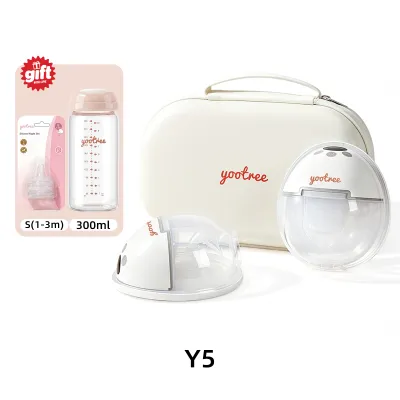
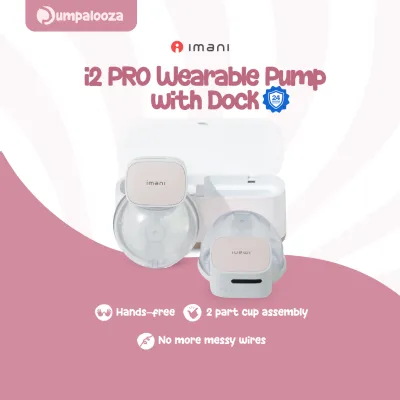
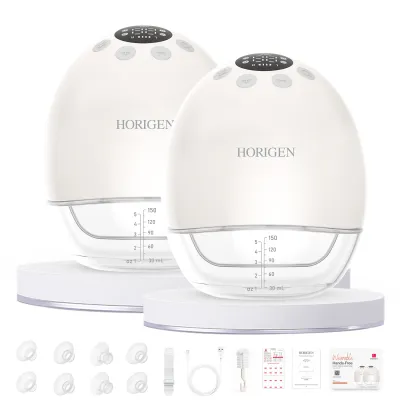
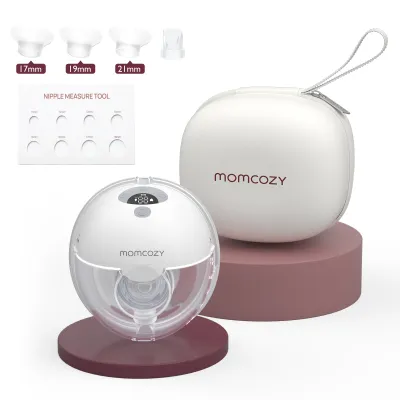
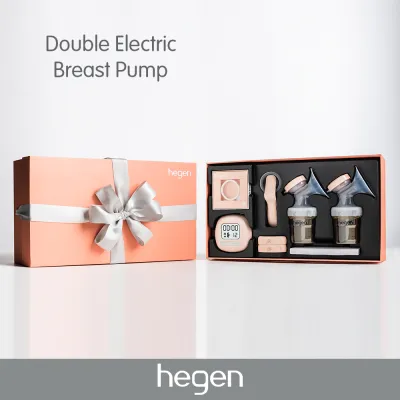
Prices are valid at publication and may change. Please refer to the product page for the latest price.
For daily use, a pump must offer customizable settings to mimic a baby’s natural feeding pattern, a battery that easily lasts through your typical out-of-home schedule, and a flange system that matches your unique anatomy. Focusing on these core pillars will protect both your milk supply and your budget.
Suction Strength and Modes: Comfort Over Raw Power
A common misconception is that a higher maximum suction rating automatically translates to a better milk yield. In reality, excessive suction can cause pain, which triggers a stress response in the body that actively inhibits the let-down reflex. When choosing a double wearable pump, prioritize a wide range of adjustable intensity levels rather than a single high peak vacuum number.

Most modern pumps measure suction strength in millimeters of mercury (mmHg). While hospital-grade tabletop pumps often reach higher limits, quality wearable models typically operate effectively within a comfortable, moderate range. Rather than cranking the machine to its highest setting, look for a pump that offers distinct operating modes:
- Stimulation/Massage Mode: Characterized by fast, light, and shallow cycles designed to mimic a hungry baby's initial nursing pattern, triggering the milk let-down reflex.
- Expression Mode: Characterized by slower, deeper, and stronger vacuum cycles designed to draw out milk efficiently once the flow has started.
Always follow the manufacturer’s safe usage guidelines and start at the lowest setting, gradually increasing the intensity to your comfort level. If you experience pain, pinching, or bruising, stop pumping immediately and consult a lactation professional.
Flange Sizing and Fit: The True Driver of Milk Output
No matter how advanced a pump’s motor is, a double wearable pump is only as effective as its flange fit. The flange is the funnel-shaped cup that fits over your breast and nipple to create a vacuum seal. An improper fit is the leading cause of low milk yield, painful friction, tissue irritation, and leaking.
Most pumps come packaged with standard flange sizes, typically 24mm or 28mm. However, these standard sizes do not fit every body. Before purchasing, measure your nipple diameter at the base using a physical ruler or a printable sizing tool, and check if the brand offers compatible sizing solutions:
- Sizing Inserts: Many brands provide or support soft silicone inserts (ranging from 15mm to 21mm) that slide inside the standard flange to narrow the tunnel.
- Flange Material: Consider whether you prefer rigid polycarbonate plastic or soft, food-grade silicone. In warm, humid climates, silicone flanges often provide a more secure, slip-free seal against the skin and reduce localized chafing.
Ensure the manufacturer offers accessible replacement parts and clear sizing guides so you can adjust your setup as your body changes throughout your breastfeeding journey.
Battery Life and Charging: Real-World Portability
Because wearable pumps are designed for mobility, their internal battery specifications are highly critical. A reliable double wearable pump should feature a lithium-ion battery capable of delivering at least 90 to 120 minutes of active run time on a single full charge. This capacity typically covers four to six 20-minute pumping sessions, allowing you to get through a full workday or a long day of travel without needing a mid-day electrical outlet.
Pay close attention to the charging interface. Standard USB-C ports are highly desirable, as they allow you to recharge your pumps using common phone chargers, car adapters, or portable power banks during power outages or commutes.
Additionally, verify the manufacturer’s guidelines regarding pass-through charging. Many wearable brands strictly disable the pump’s motor while it is plugged into a charger. This safety feature is designed to protect battery health, prevent the lithium cells from degrading prematurely, and eliminate the risk of overheating while the device is in direct contact with your body.
Noise, Weight, and Design: Pumping Discreetly
The physical design and motor placement of a wearable pump dictate how truly discreet the device will be in public or professional settings. If you plan to pump at your office desk, during virtual meetings, or next to a sleeping baby, look for a motor noise specification of 50 decibels (dB) or lower. A quiet, low-frequency hum is easily masked by ambient office noise or light clothing.
Weight distribution is another practical factor. Because wearable pumps sit directly inside your nursing bra, heavy or top-heavy motor units can pull the bra fabric downward. This sagging breaks the airtight seal against your breast, resulting in lost suction and spilled milk. Look for lightweight, ergonomically contoured pump bodies that sit flush against your chest.
Furthermore, consider the physical shape of the milk collection cups. A teardrop or naturally rounded contour fits more seamlessly under standard clothing. Ensure the pour spouts and assembly valves are securely designed to prevent accidental leaks when you bend over slightly or change positions.
Overhyped Specs: Features You Can Safely Ignore
When shopping for a double wearable pump, you will encounter premium price tags associated with high-tech features. While these extras look impressive on paper, they rarely improve core milk expression or physical comfort. You can often save money by looking past these overhyped specifications:
- Complex Mobile App Connectivity: While Bluetooth syncing and automatic session timers are convenient, app connections can be unstable. Manually logging your output in a simple notebook or phone app is often just as easy.
- Excessive Suction Levels: A pump boasting 15 or 20 different micro-levels of suction is rarely more effective than one with 5 to 9 distinct, well-calibrated levels. Too many options can make navigating the settings tedious.
- Advanced LED Touchscreens: Large screens on a wearable pump are difficult to see when the device is tucked inside your bra, and they quickly drain precious battery power.
Focusing your budget on high-quality motors, medical-grade silicone components, and a diverse range of flange sizes will yield far better results than paying a premium for digital novelties.
Frequently Asked Questions (FAQ)
Can I use a double wearable pump while charging?
This depends entirely on the specific manufacturer’s safety design. Most high-quality wearable pumps disable the motor during charging to prevent the battery from overheating and to protect the internal circuitry. Always consult your user manual before attempting to operate the device while it is plugged into an electrical outlet.
Does a higher price guarantee better suction specs?
No, a higher price tag does not guarantee superior suction or better milk expression. Premium pricing often reflects brand marketing, aesthetic design, app development, or included luxury accessories. A moderately priced double wearable pump that is fitted with the correct size flange and operated at a comfortable suction level will consistently outperform an expensive model with a poor fit.

Community discussion
Share your experience or ask a question. Comments are reviewed before publication.