
Many parents in the Philippines wonder if their growing children require daily vitamin supplements to stay healthy, especially when navigating tropical climates, seasonal changes, and busy school schedules. The short answer is that most healthy children who consume a diverse, balanced diet do not strictly need vitamin supplements. However, specific situations—such as highly selective eating habits, food allergies, or rapid developmental phases—can create nutritional gaps where a targeted supplement may be beneficial under professional guidance.
Determining whether your child needs a supplement requires a careful look at their daily meals, physical development, and eating behaviors. Rather than rushing to purchase a bottle from an online marketplace, a systematic self-assessment can help you understand your child’s actual nutritional landscape. This guide will help you evaluate these factors and prepare for a productive discussion with your pediatrician.
Observable Signs of Potential Nutritional Gaps
Recognizing whether your child has potential nutritional gaps starts with observing their daily habits and physical patterns over time. Persistent picky eating is one of the most common reasons parents consider supplements. If your child frequently experiences “food jags”—periods where they insist on eating only one specific food for days—or if they completely exclude entire food groups due to sensory sensitivities or allergies, their daily nutrient intake may be inconsistent.
Products mentioned in this guide
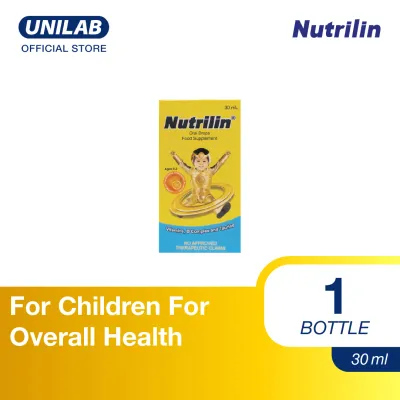
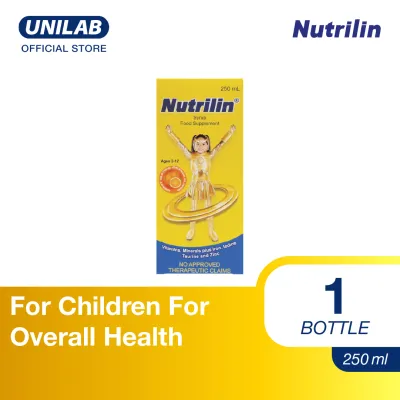
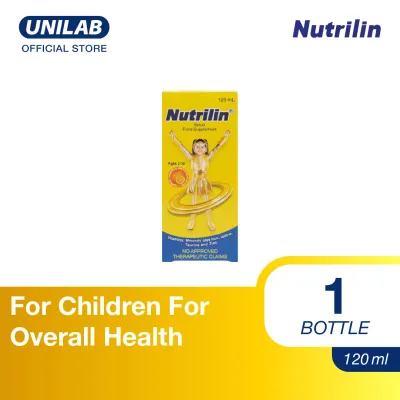
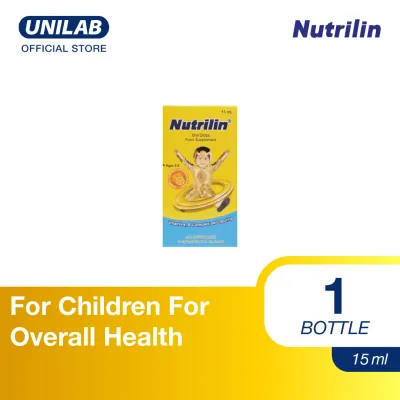
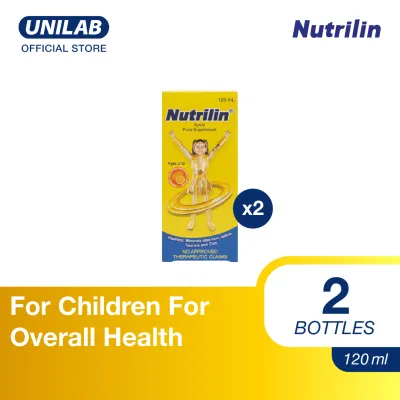
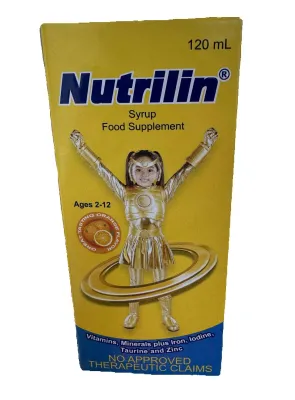
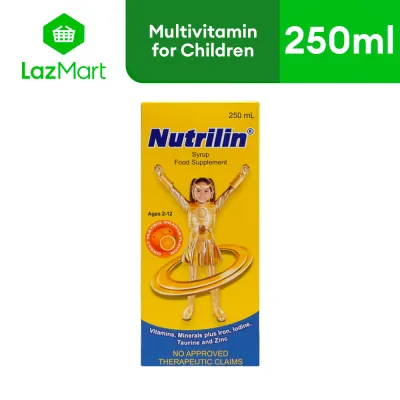
Prices are valid at publication and may change. Please refer to the product page for the latest price.
Physical indicators and general energy levels also offer valuable context, though they are not definitive medical diagnoses. A child who consistently seems fatigued, struggles to keep up with peers during active play, or takes an unusually long time to recover from common childhood illnesses may have underlying nutritional needs. Rapid growth spurts, which are common during early childhood, also temporarily increase the body’s demand for essential vitamins and minerals.
It is crucial to view these observable signs as prompts for further evaluation rather than a cue to self-diagnose. Many factors influence a child’s energy and growth, and only a qualified healthcare professional can determine if a true deficiency exists. Keeping a detailed log of your child’s food intake and physical symptoms for a week can provide excellent data to share during your next clinic visit.
When Everyday Meals Provide Enough Nutrients
For many families, everyday meals are fully capable of providing all the essential nutrients a growing child needs. A balanced, nutrient-dense diet for children typically includes a colorful variety of fruits, vegetables, whole grains, lean proteins, and dairy or fortified alternatives. In a tropical climate, local fruits like mangoes and papayas offer excellent natural sources of vitamins, while local vegetables like malunggay provide essential micronutrients.

Critical nutrients like iron, calcium, and vitamin D are readily available in a well-planned diet. Iron can be found in red meat, poultry, fish, and dark leafy greens, while calcium is abundant in milk, cheese, and yogurt. Vitamin D is naturally synthesized by the skin during safe, brief exposure to sunlight, which is plentiful year-round, though it can also be found in fortified foods. When a child regularly consumes these diverse foods, routine multivitamin use is generally unnecessary.
If you are dealing with a picky eater, it is often highly effective to focus on gently expanding their palate before introducing supplements. You can try offering new foods alongside familiar favorites, involving your child in meal preparation, or presenting vegetables in creative shapes. Gradually building positive associations with a variety of whole foods establishes healthy eating habits that benefit your child far longer than any over-the-counter supplement.
What to Check When Evaluating Kids' Vitamin Supplements
When you decide to explore over-the-counter options, such as Nutrilin vitamins for kids or other popular pediatric formulations, it is essential to approach the selection process with a critical eye. The first and most important step is to verify that the product is formulated specifically for your child’s exact age group. Children have vastly different nutritional requirements than adults, and giving them adult formulations or unverified megadoses can lead to serious health risks.
Reading the ingredient label thoroughly is a vital habit for any caregiver. Look closely at the active ingredients to see which vitamins and minerals are included, and check the inactive ingredients for added sugars, artificial food dyes, and potential allergens like gluten, soy, or dairy. Many pediatric supplements contain sweeteners to make them palatable, so comparing brands to find options with minimal added sugar is a smart way to protect your child’s dental and metabolic health.
Safety and regulatory compliance must never be overlooked when purchasing supplements, whether from a local pharmacy or an online marketplace. Always locate and verify the registration number from the local Food and Drug Administration (FDA) on the product packaging to ensure the supplement has met national safety and quality standards. Additionally, consider the delivery format—such as liquids, chewable tablets, or gummies—based on your child’s developmental stage. For infants and toddlers, liquid drops are generally safest, while older children who can chew reliably may transition to chewables, provided they do not pose a choking hazard.
Action Plan: From Self-Assessment to Pediatrician Consultation
Transitioning from a home self-assessment to professional guidance is the safest path to take when considering supplements for your child. If your self-assessment reveals persistent dietary gaps, unexplained fatigue, or a highly restricted diet that lasts more than a few weeks, it is time to stop assessing and schedule a consultation with your pediatrician. A professional evaluation ensures that any supplementation plan is tailored specifically to your child’s unique biological needs.
To make the most of your pediatrician visit, prepare a comprehensive file beforehand. Write down a detailed three-to-five-day food diary listing everything your child eats and drinks, along with any symptoms or behavioral patterns you have observed. Prepare a list of specific questions, such as whether a targeted single-nutrient supplement is preferable to a broad multivitamin, and bring the physical bottles or clear photos of any products you are considering purchasing.
If the pediatrician recommends or prescribes a supplement, follow their guidance on exact dosages, timing, and duration with absolute precision. Never exceed the recommended dose, even if your child begs for more because of a pleasant taste. Finally, establish strict safe storage practices at home by keeping all vitamins and supplements in their original child-resistant containers, locked securely in a cool, dry cabinet out of your child’s sight and reach to prevent accidental overconsumption.
Frequently Asked Questions (FAQ)
Can my child take adult vitamins in smaller doses?
No, children should never take adult vitamins, even in reduced doses. Adult supplements are formulated for mature metabolic systems and often contain high concentrations of certain nutrients that can be toxic to a child’s developing organs. Attempting to split tablets or guess liquid measurements of adult formulas is highly inaccurate and increases the risk of accidental overdose. Always select products specifically formulated and labeled for your child’s age group.
Are gummy vitamins as effective as liquid or chewable ones?
Gummy vitamins are popular due to their taste, but they are not always the most effective option. Gummies often contain higher amounts of added sugars and food dyes, and they are frequently missing essential minerals like iron because the strong metallic taste of iron is difficult to mask in a gummy format. Additionally, gummies pose a higher risk of dental cavities and can be a choking hazard for younger children. Liquid or chewable formats often provide a more complete nutrient profile with fewer added sugars.
What should I do if my child accidentally takes too many vitamins?
If you suspect or know that your child has accidentally consumed an excessive amount of vitamins, take immediate action. Keep the product bottle in hand so you can tell professionals the exact ingredients and dosage, and contact your pediatrician or the nearest hospital emergency room immediately. Do not attempt to induce vomiting unless a medical professional explicitly instructs you to do so, as this can sometimes cause further harm to the child’s esophagus or airway.

Community discussion
Share your experience or ask a question. Comments are reviewed before publication.