
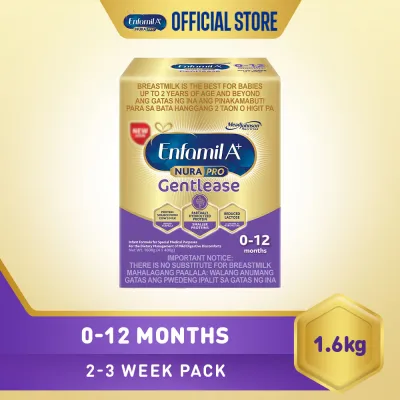
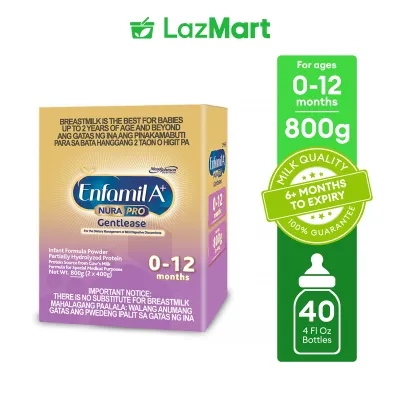
Deciding whether to feed your baby a specialized formula like Enfamil Gentlease or stick with standard options like NAN or Nido comes down to understanding your infant’s unique digestive system. Many parents mistake normal infant development—such as occasional gas or mild spitting up—for a formula intolerance. While Enfamil Gentlease features partially broken-down proteins designed to ease mild fussiness and gas, standard formulas like NAN and Nido utilize intact proteins that are perfectly suited for babies with typical digestive tracts. Making the wrong switch can unnecessarily increase your grocery budget and disrupt your baby’s feeding routine.
Recognizing True Signs of Formula Sensitivity
Babies are born with highly immature digestive systems. In the first few months of life, their gastrointestinal tracts are still learning how to process nutrients, move gas along, and coordinate swallowing with breathing. Because of this, almost every infant will experience some degree of gas, occasional grunting, and mild spitting up after feeding. These are completely normal developmental milestones and rarely indicate a need to change formulas.
True formula sensitivity or protein intolerance presents with more persistent, systemic symptoms. You might notice your baby crying inconsolably for hours after almost every feed, showing signs of abdominal pain like pulling their legs up to their chest. Other indicators include sudden skin reactions, such as eczema or hives, which should not be confused with common heat rashes that frequently occur in warm, humid tropical climates.
Products mentioned in this guide



Prices are valid at publication and may change. Please refer to the product page for the latest price.
Stool consistency is another critical indicator. While formula-fed babies naturally have firmer, darker stools than breastfed babies, sudden and persistent watery diarrhea, severe constipation with hard, pebble-like stools, or stools containing visible mucus are signs of potential sensitivity.
There are several red-flag symptoms where you must immediately stop self-diagnosing and seek professional medical care. If you observe blood in your baby’s stool, projectile or frequent vomiting, a fever, or poor weight gain over consecutive wellness checks, consult your pediatrician right away. These symptoms can point to more serious conditions, such as Cow’s Milk Protein Allergy (CMPA), which require specialized medical management rather than a simple over-the-counter formula switch.
Comparing Enfamil Gentlease with Standard Formulas Like NAN and Nido
To make an informed decision, it is essential to understand how the proteins in these formulas differ. Standard infant formulas, such as standard NAN variants, are made with intact cow’s milk proteins. These proteins are in their natural, whole state. For a baby with a healthy, typically developing digestive system, processing intact proteins is an important step that helps their gut mature naturally.

In contrast, Enfamil Gentlease is a specialized formula designed specifically for infants experiencing mild gas, fussiness, or crying. It utilizes partially hydrolyzed proteins. This means the cow’s milk proteins have been broken down into much smaller fragments using heat or enzymes. Because these proteins are already partially digested, they require less effort for your baby’s immature stomach to break down, which can significantly reduce gas production and digestive discomfort.
A crucial safety consideration when comparing these brands is age appropriateness. While NAN offers infant formulas designed for the first year of life, many popular Nido variants are formulated specifically for toddlers aged one year and older. Toddler milks have different nutrient profiles, higher protein concentrations, and different vitamin levels that are not safe or suitable for infants under twelve months. Feeding a toddler formula to a young infant can lead to severe nutritional deficiencies and strain their developing kidneys.
Before purchasing any formula, always read the manufacturer’s label carefully to verify the target age range and specific product variant. Standard formulas are highly nutritious and fully capable of supporting your baby’s growth if they do not have a specific protein sensitivity. Switching to a partially hydrolyzed formula like Gentlease when it is not medically necessary offers no additional developmental benefits and can be significantly more expensive over time.
Ruling Out Feeding and Preparation Issues Before Switching
Before concluding that your baby’s current formula is the source of their discomfort, it is wise to evaluate your feeding habits and preparation techniques. Many symptoms of “sensitivity,” such as excessive gas and spitting up, are actually caused by swallowing too much air during feeds or incorrect powder-to-water ratios.
Proper bottle preparation is the first line of defense. When mixing formula, avoid shaking the bottle vigorously up and down, as this introduces a massive amount of air bubbles into the liquid. When your baby drinks this frothy mixture, those bubbles become trapped in their digestive tract, causing painful gas. Instead, gently swirl the bottle horizontally or roll it between your palms to dissolve the powder smoothly.
In warm, humid tropical climates, storage and hygiene require extra vigilance. High humidity can cause formula powder to clump and spoil quickly once the tin is opened. Always store the tin in a cool, dry place—never in the refrigerator, which introduces moisture—and ensure the lid is tightly sealed. Always follow the manufacturer’s exact safety guidelines for water temperature and powder-to-water ratios, as over-concentrating or under-concentrating the formula can cause severe constipation or dehydration.
The mechanics of the feed itself also play a major role. Ensure you are using the correct bottle nipple flow rate for your baby’s age. If the flow is too fast, your baby will gulp and swallow air; if it is too slow, they will suck aggressively, also drawing in air. Keep your baby in a semi-upright position during feeds, and pause to burp them halfway through the bottle and again at the end to release trapped air before it moves into their intestines.
Planning a Safe Formula Transition and Observation Period
If you and your pediatrician decide that a formula switch is necessary, transitioning your baby safely requires a structured, patient approach. A sudden, abrupt change in formula can shock your baby’s sensitive digestive system, leading to temporary diarrhea, increased gas, or refusal to feed, which might make you think the new formula is failing when it is simply a reaction to the sudden change.
A gradual transition is often recommended to allow your baby’s taste buds and digestive enzymes to adapt. Under the guidance of your healthcare provider, you can slowly introduce the new formula over several days. This is typically done by replacing one feed a day with the new formula, or by mixing the old and new powders in a single bottle in specific ratios, such as three-quarters old to one-quarter new, gradually shifting the balance over a week until the transition is complete.
During this transition and the subsequent observation period, keep a detailed daily log. Track key metrics such as the frequency and consistency of their stools, the intensity and timing of their fussiness, their sleep quality, and how much formula they consume at each feed. Having this written record is incredibly valuable when you consult your pediatrician to evaluate whether the switch was successful.
Be prepared to stop the transition immediately and seek medical advice if your baby’s symptoms worsen significantly. If you notice new signs of an allergic reaction, such as hives, swelling around the face or mouth, persistent vomiting, or blood in their stool, stop the new formula right away. Never continue a formula that causes acute distress, and always keep your pediatrician informed of any sudden changes in your baby’s physical condition.
Frequently Asked Questions (FAQ)
Is it safe to mix Enfamil Gentlease with standard NAN or Nido?
Generally, manufacturers advise against mixing different formula brands or types in the same bottle unless specifically instructed by a pediatrician. Each formula is scientifically designed with a precise balance of proteins, fats, carbohydrates, and minerals. Mixing them can alter the intended nutrient profile and osmolality of the feed, which can make it harder for your baby to digest and potentially strain their kidneys. For the safest results, stick to a single-formula feeding plan as directed by your healthcare provider.
How long should I wait to see if a new formula works for my baby?
It typically takes about one to two weeks for an infant’s digestive system to fully adjust to a new formula. During this adjustment period, you may see temporary changes in stool color or mild gas as their gut bacteria adapt to the new protein structure. Unless your baby shows severe red-flag symptoms or allergic reactions, avoid switching formulas too frequently. Constantly changing brands can irritate your baby’s gut and make it difficult to identify the true cause of their discomfort.

Community discussion
Share your experience or ask a question. Comments are reviewed before publication.