
Quick Answer: Should You Use a Baby Wedge Pillow?
When your little one is struggling to sleep due to a stuffy nose or frequent spitting up, it is natural to look for immediate solutions. However, standard pediatric guidelines universally recommend that infants sleep on a flat, firm surface completely free of pillows, wedges, or positional devices. Introducing any inclined sleep positioner into a crib carries inherent risks that generally outweigh the perceived benefits of elevation.
A baby wedge pillow should only be used if it has been explicitly prescribed and supervised by your pediatrician for a specific, diagnosed medical condition. For common, everyday challenges like mild infant reflux or temporary nasal congestion, safer management strategies exist. These alternative methods can effectively ease your baby’s discomfort without compromising their sleep safety or altering their sleep environment.
Identifying the Triggers: Why Parents Look for Wedge Pillows
Parents often consider purchasing a baby wedge pillow after observing specific signs of physical discomfort during sleep. Understanding what triggers this search can help you address the root cause of your baby’s restlessness more safely.
Products mentioned in this guide
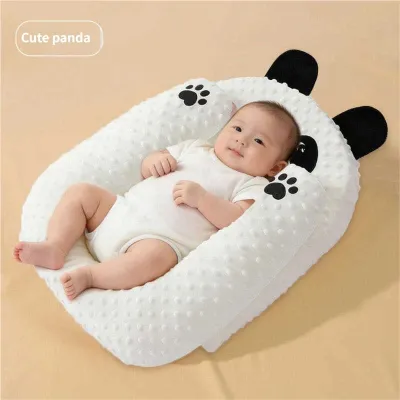


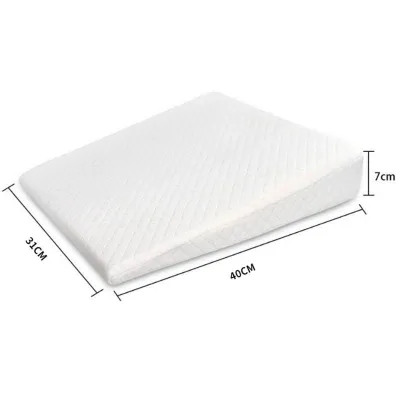



Prices are valid at publication and may change. Please refer to the product page for the latest price.

Frequent Spitting Up and Reflux
Infant reflux is incredibly common as the digestive system matures. You might notice your baby spitting up shortly after laying them down, or coughing and arching their back in discomfort. While mild “happy spitting” is normal and rarely disrupts sleep, more severe reflux can cause painful irritation. This discomfort often leads parents to assume that elevating the baby’s head with a wedge will keep stomach acid down. However, it is crucial to distinguish between normal developmental spitting up and symptoms that require medical evaluation.
Nasal Congestion and Colds
A congested baby often struggles to feed and sleep comfortably. In tropical climates like the Philippines, seasonal weather shifts, rainy periods, and constant transitions between humid outdoor air and dry, air-conditioned bedrooms can trigger nasal congestion. Because infants are obligatory nasal breathers, even minor congestion can make their breathing sound noisy and labored. It is easy to assume that a slight incline will help drain nasal passages, but placing a wedge under a congested infant’s head can actually worsen their airway alignment.
Sleep Discomfort
Observable signs of sleep disruption—such as frequent waking, fussiness when placed flat, or constant squirming—often prompt parents to look for bedding adjustments. You might find yourself searching online marketplaces for sleep positioners late at night, hoping a physical product will soothe your restless baby. Before modifying the sleep surface, it is essential to evaluate whether these sleep disruptions are normal developmental phases or issues that can be resolved through safer, non-pillow adjustments.
The Safety Reality: Evaluating Sleep Surface Guidelines
Before introducing any new product to your baby’s crib, it is vital to understand the established safety standards for infant sleep. Commercial availability does not automatically guarantee that a product is safe for unsupervised sleep.
The Flat and Firm Standard
The gold standard for safe infant sleep is a flat, firm mattress covered only by a tight-fitting sheet. This setup must remain entirely free of loose blankets, bumper pads, stuffed toys, and pillows of any kind, including wedges. A firm surface ensures that your baby’s airway remains open and prevents them from sinking into soft materials, which can pose a suffocation hazard. Keeping the sleep space completely clear is the most effective way to protect your baby during the night.
Risks of Inclined Sleep
Using a wedge pillow to elevate an infant introduces several physical hazards. First, an inclined surface makes it much easier for a baby to roll over or slide down to the foot of the crib. This movement can cause them to become trapped in unsafe positions or wedge their face against the side of the crib. Second, if a baby’s head tilts forward onto their chest due to the incline, it can compress their relatively soft airway—a condition known as positional asphyxia. This silent hazard can occur even if the baby appears to be sleeping peacefully.
Checking Manufacturer and Medical Advice
Many commercial wedge pillows are marketed with claims of relieving reflux or colic. However, safety organizations and pediatric associations warn against using these products for unsupervised sleep. Before purchasing or using any sleep positioner, cross-reference the manufacturer’s safety labels with official pediatric guidelines. If a product claims to be “pediatrician-approved,” verify this by asking your own doctor if they specifically recommend it for your child’s unique developmental stage.
Safe, Pillow-Free Alternatives for Common Symptoms
Fortunately, you do not need to rely on a wedge pillow to help your baby find relief from reflux or congestion. There are several highly effective, pediatrician-approved practices that keep your baby safe and comfortable.
Managing Spit-Up
To minimize reflux and spitting up, keep your baby in an upright, vertical position for 20 to 30 minutes after every feeding. This allows gravity to help keep milk in the stomach while digestion begins. Ensure you burp your baby thoroughly during and after feeds to release trapped air. If you are bottle-feeding, check the nipple flow rate; a flow that is too fast can cause your baby to swallow excess air, leading to increased gas and spit-up. Adjusting the pacing of feeds can make a significant difference in their comfort when they are eventually laid down flat.
Relieving Congestion
If a stuffy nose is keeping your baby awake, focus on clearing their nasal passages before bedtime. Running a cool-mist humidifier in the nursery can help loosen mucus, especially in air-conditioned rooms where the air can become dry. Using a few drops of sterile saline solution in each nostril, followed by gentle suction with a manual nasal aspirator, can clear blockages safely. These steps help your baby breathe easier without the need to elevate their head.
Optimizing the Sleep Environment
Creating a comfortable sleep environment can naturally reduce restlessness. In warm, tropical climates, ensure the nursery is well-ventilated and kept at a comfortable temperature. Dress your baby in lightweight, breathable cotton sleepwear or a wearable blanket (sleep sack) instead of loose sheets. Ensure the crib mattress is completely flat, firm, and free of any makeshift elevation hacks. A comfortable, clear sleep space reduces the likelihood of waking due to overheating or physical discomfort.
When to Seek Professional Medical Guidance
While home remedies can manage mild symptoms, certain signs indicate that your baby’s discomfort requires professional medical attention rather than a change in bedding.
Red Flags for Reflux
If your baby’s spitting up is accompanied by poor weight gain, forceful or projectile vomiting, or extreme irritability during and after feeds, consult your pediatrician. These can be signs of Gastroesophageal Reflux Disease (GERD) or other digestive issues that require medical diagnosis and treatment. A wedge pillow will not resolve these underlying medical conditions and may delay necessary professional care.
Breathing Concerns
Always seek immediate medical attention if you notice signs of respiratory distress. These include rapid breathing, flaring nostrils, chest retractions (where the skin sucks in around the ribs), persistent coughing, or high-pitched wheezing noises. These symptoms indicate a more serious respiratory issue that saline drops and humidifiers cannot resolve.
The Prescription Exception
In rare, specific medical scenarios, a pediatrician or pediatric specialist may prescribe a specific elevation strategy or medical-grade positioning device. If this occurs, follow their precise instructions regarding the angle, duration, and supervision requirements. Do not substitute a prescribed medical plan with a standard, over-the-counter commercial wedge pillow, as retail products may not meet the strict safety specifications required for your baby’s medical needs.
Frequently Asked Questions (FAQ)
Can I put a wedge pillow under the crib mattress instead of inside the crib?
Placing a wedge pillow or rolled towel under the crib mattress to create an incline is a common workaround, but it is still not recommended. Elevating the mattress can create dangerous, uneven gaps between the mattress and the crib rails where a baby’s limbs or head could become trapped. Additionally, the inclined surface can still cause your baby to slide down to the foot of the crib, potentially pressing their face against the mattress or crib sides and compromising their breathing. Always keep the mattress completely flat unless a pediatrician has provided specific, supervised medical instructions to do otherwise.
At what age is it safe to introduce a pillow or wedge to a child's bed?
Standard pediatric safety guidelines advise keeping all pillows, including wedges, out of a child’s sleep environment until they are at least two years old. By this age, toddlers have transitioned to a toddler bed or a regular mattress, and their physical development allows them to move easily and clear their own airways if their face becomes covered. Before introducing a pillow, observe your child’s developmental milestones and consult your healthcare provider to ensure the transition is safe and appropriate for their specific growth and sleep habits.

Community discussion
Share your experience or ask a question. Comments are reviewed before publication.