
A baby bouncing chair is a popular piece of baby gear, but it is not an absolute necessity. For many parents, it serves as a helpful tool that provides a safe, hands-free spot to place their infant during busy moments. Generally, babies can start using a bouncer once they have developed sufficient head and neck control, which typically begins to emerge in the first few months of life. However, determining whether your baby is ready depends heavily on their physical development, your daily routine, and the specific manufacturer guidelines of the gear you choose.
Physical Readiness and Manufacturer Guidelines
Before placing your baby in a bouncing chair, physical readiness must be your primary consideration. A baby’s neck muscles must be strong enough to support their head steadily without slumping forward. If your infant’s head still wobbles or tilts easily when supported upright, they do not yet have the muscle strength required to sit safely in a bouncer. Placing a baby with weak neck control in an inclined seat can restrict their airway, making physical readiness a critical safety milestone.
Every bouncer model comes with specific manufacturer guidelines that dictate minimum age, weight, and developmental milestones. Because designs vary widely, you must check the product label or manual before the first use. Some models are designed with deep reclines for younger infants, while others require the baby to be older. Never assume a bouncer is safe for your baby based solely on its appearance; always verify the exact specifications provided by the manufacturer.
Products mentioned in this guide
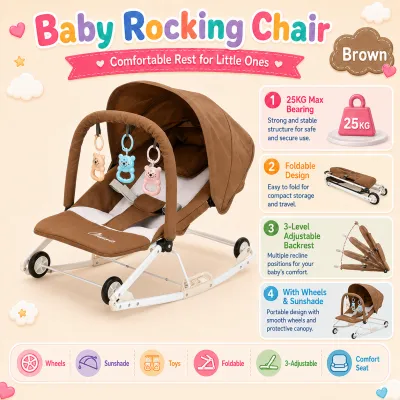
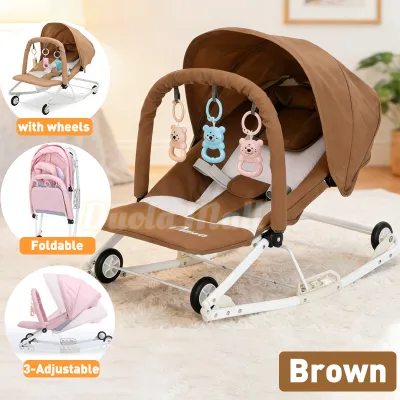
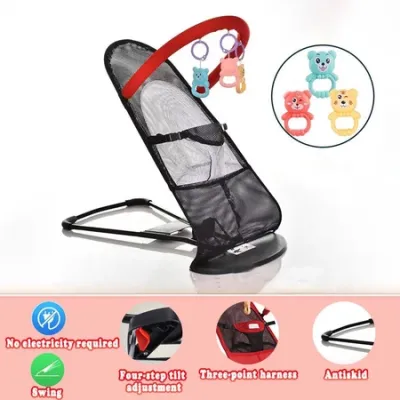
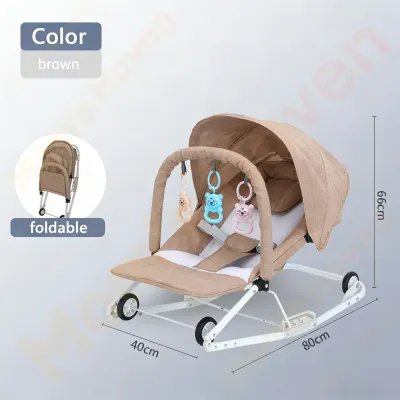
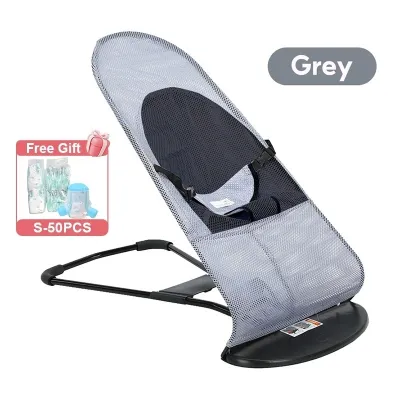
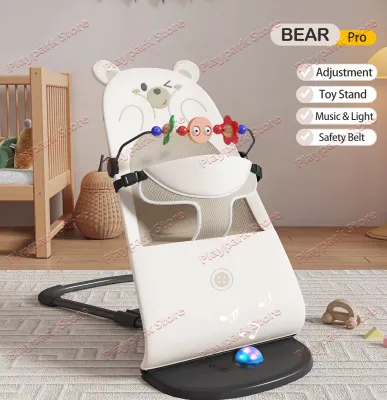
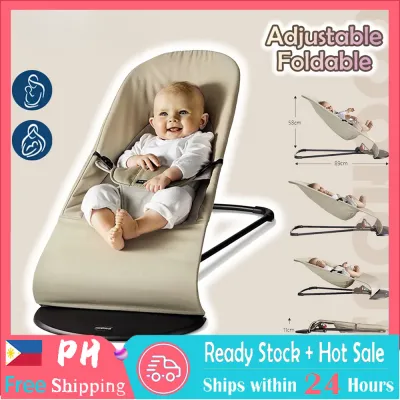
Prices are valid at publication and may change. Please refer to the product page for the latest price.
Supervision is a non-negotiable safety requirement when using any baby activity gear. The bouncing chair should only be used when your baby is fully awake, alert, and positioned where you can see them. An adult must remain in the same room and keep a continuous eye on the baby to respond immediately to any signs of discomfort or shifting positions. A bouncer is a tool to assist you while you are nearby, not a substitute for active caregiving.
Evaluating Your Daily Routine and Parenting Needs
Deciding whether to purchase a baby bouncer often comes down to your daily routine and caregiving setup. A bouncer serves as a safe, temporary docking station when you need your hands free for essential tasks. For example, having a portable seat nearby while you prepare a quick meal or take a shower can make daily household management much easier, especially if you are caregiving alone during the day. While some premium bouncers represent a significant investment, more budget-friendly options are widely available, making it important to evaluate if the expense fits your family’s financial plan.

Your baby’s unique temperament also plays a significant role in whether a bouncer is a worthwhile investment. Some infants love the gentle, self-initiated bouncing motion and enjoy looking around the room from a semi-upright angle. Other babies prefer constant physical contact, dislike being strapped into a seat, or find the restricted movement frustrating. Observing how your baby responds to being held in different positions can help you decide whether they will tolerate or enjoy a bouncer before you make a purchase.
Consider your living space and how the bouncer will fit into your home layout. In warm, tropical climates like the Philippines, keeping living areas open, uncluttered, and well-ventilated is important for maintaining a comfortable indoor environment. Evaluate whether you have enough flat floor space to accommodate the bouncer safely without blocking walkways or placing it near hazards like fans or cords. If you have limited space, look for lightweight, foldable models that are easy to move between rooms or store away when not in use.
Critical Safety Rules and When to Retire the Bouncer
While a bouncer is convenient, it has a limited lifespan and strict safety boundaries. You must regularly verify your baby’s weight and height against the maximum limits specified in the product manual. Once your baby approaches or reaches these limits, you must stop using the gear immediately. Continuing to use a bouncer beyond its weight capacity risks structural failure or tipping, which can lead to serious injuries.
Developmental milestones are even more critical than weight limits when deciding when to retire a bouncer. As soon as your baby shows signs of rolling over, attempting to sit up independently, or pulling themselves up using the sides of the frame, you must stop using the bouncer. These active movements can easily cause the lightweight chair to tip over on its side or forward, leading to dangerous falls.
Under no circumstances should a bouncing chair be used for infant sleep. Bouncers are designed strictly for active, awake time under direct supervision. The inclined angle of a bouncer poses a serious risk of positional asphyxiation if a sleeping baby’s head slumps forward, compressing their windpipe and restricting their breathing. If your baby falls asleep while in the bouncer, you must immediately transfer them to a firm, flat sleeping surface, such as a crib or bassinet.
The bouncer must always be placed on a flat, stable, and hard floor surface. Never place the chair on elevated surfaces such as tables, kitchen countertops, beds, or sofas. A baby’s natural kicking and bouncing movements can cause the bouncer to slide across smooth surfaces or tip off the edge of furniture, resulting in severe falls. Keep the bouncer on the floor, away from stairs, steps, and electrical cords.
Comparing Alternatives for Floor Time and Soothing
If you are unsure whether a bouncer is the right fit, several excellent alternatives can meet your baby’s developmental and soothing needs. Activity gyms and padded play mats are ideal for encouraging unrestricted floor time. This flat-surface play is essential for natural motor skill development, allowing your baby to stretch, roll, reach for toys, and practice tummy time freely, which helps build the core muscles needed for sitting and crawling.
For babies who are easily fussed and require continuous movement to settle, a baby swing might be a more effective option than a bouncer. Swings provide automated, rhythmic swaying motions that can help soothe an infant, whereas a standard bouncer relies on the baby’s own leg movements or a parent’s gentle manual tap to bounce. Swings are often larger and less portable, but they can be highly effective for soothing babies who crave constant motion.
For parents who want to stay mobile while keeping their baby close, a baby carrier or wrap is an invaluable alternative. Wearing your baby allows you to complete household chores or walk around while providing the physical closeness and warmth that infants crave. In warm, humid environments, choosing a carrier made from breathable, lightweight mesh fabric can help keep both you and your baby cool and comfortable while keeping your hands completely free.
Frequently Asked Questions (FAQ)
Can a newborn use a baby bouncing chair?
Most standard baby bouncing chairs are not suitable for newborns because very young infants lack the head and neck control required to sit in a semi-upright position safely. However, some specialized models feature fully reclining seats and supportive infant inserts designed to accommodate newborns safely. Before using any bouncer for a newborn, you must check the manufacturer’s minimum weight and age requirements, verify that the product meets current safety standards, and consult your pediatrician for personalized guidance based on your baby’s birth weight and physical development.
Is it safe for a baby to sleep in a bouncer?
No, it is not safe for a baby to sleep in a bouncer. Bouncers are inclined seats, which pose a serious risk of positional asphyxiation if a sleeping baby’s head slumps forward and restricts their airway. Safe sleep guidelines dictate that infants should always sleep on their backs on a firm, flat surface free of soft bedding, pillows, or toys. If your baby falls asleep in the bouncer, gently move them to their crib, bassinet, or playpen right away to ensure a safe sleeping environment.

Community discussion
Share your experience or ask a question. Comments are reviewed before publication.