
Pregnancy brings profound physical changes, and with them, an overwhelming amount of advice on what to buy. You do not automatically need every specialized product on the market to have a comfortable, healthy pregnancy. Deciding whether to invest in a pregnancy pillow or a maternity support belt depends entirely on your specific daily discomforts, sleep quality, and physical routine. While some expectant mothers find these items life-changing, others manage perfectly well with standard household items and simple adjustments.
By evaluating your physical symptoms, you can separate your actual pregnant essentials needs from clever marketing. This guide will help you self-assess your discomfort levels, explore free alternative remedies, and choose the right support gear if you decide to make a purchase.
Quick Answer: Do You Need Pregnancy Support Gear?
Specialized pregnancy support gear is not mandatory for every pregnancy. Your need depends entirely on how your body adapts to your growing baby bump and whether your daily activities or nighttime sleep are being disrupted. Many expectant mothers navigate all three trimesters comfortably without spending a single peso on specialized pillows or belts.
Products mentioned in this guide
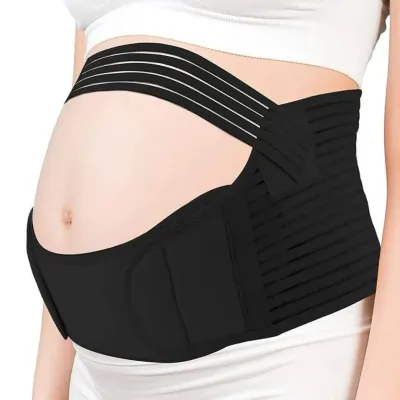
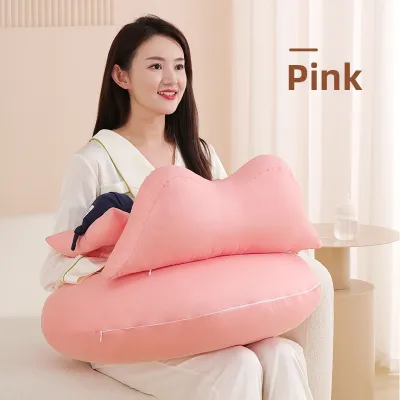
Prices are valid at publication and may change. Please refer to the product page for the latest price.
To understand what might help you, it is useful to distinguish between the two main types of support gear:
- Pregnancy Pillows: Designed primarily for nighttime use, these help you maintain a safe side-sleeping position and relieve pressure on your hips, lower back, and stomach.
- Maternity Support Belts: Designed for daytime use, these provide gentle compression and lift to the lower abdomen, helping to manage pelvic, hip, and round ligament pain while you are moving or standing.
If your discomfort is mild or occasional, simple posture corrections and regular household pillows can often provide sufficient relief. However, if persistent pain is keeping you awake at night or limiting your mobility during the day, investing in targeted support gear can significantly improve your daily comfort and overall well-being.
Self-Assessment: Do You Need a Pregnancy Pillow for Your Pregnant Essentials Needs?
Sleep becomes increasingly elusive as your pregnancy progresses, especially during the second and third trimesters. Standard pillows are designed to support your head and neck, but they often fall short when your body needs comprehensive alignment from your shoulders down to your ankles. Assessing your nighttime discomfort will help you determine if a specialized pregnancy pillow is truly one of your essential needs.

Common Sleep Discomforts in Pregnancy
As your baby grows, your center of gravity shifts forward, pulling your lower spine out of its natural alignment. This biomechanical shift often translates to dull, aching lower back pain and intense pressure on your hips when you lie on your side. Medical professionals generally recommend side-sleeping to optimize blood flow to the placenta, but staying in this position for hours can cause significant hip soreness.
Additionally, the upward pressure of your growing uterus on your stomach can trigger or worsen acid reflux, requiring you to keep your upper body elevated. In the warm and humid climate of the Philippines, these physical challenges are often compounded by night sweats. Waking up hot and uncomfortable makes it even harder to fall back asleep after one of your frequent bathroom trips. Therefore, managing your sleep comfort involves addressing both physical support and temperature regulation.
The "Do I Need It?" Checklist for Pillows
To help you decide if a specialized pregnancy pillow is worth the investment, review the following checklist of common nighttime experiences. Consider whether these situations apply to your current sleep routine:
- You constantly wake up with stiff, aching hips or lower back pain that lingers into the morning.
- You find yourself building a "fort" of three or more standard pillows every night to support your knees, back, and belly.
- You struggle to maintain a side-sleeping position and frequently roll onto your back, waking up with discomfort.
- You experience acid reflux or heartburn that requires you to prop up your head and chest with multiple unstable pillows.
- You find it exhausting to rearrange your entire setup of loose pillows every time you turn over or get up to use the restroom.
If you checked only one or two of these boxes occasionally, you can likely manage your sleep posture using standard pillows you already own. However, if you checked three or more boxes and find that sleep deprivation is affecting your daytime energy and mood, a specialized pregnancy pillow—such as a compact wedge, a C-shape, or a full-body U-shape—is a highly practical investment that can restore your rest.
Self-Assessment: Do You Need a Maternity Support Belt?
While pillows address nighttime rest, daytime mobility presents a different set of physical challenges. As your pregnancy progresses, your body releases a hormone called relaxin, which softens your ligaments to prepare your pelvis for birth. While necessary, this pelvic relaxation can cause instability and pain during daily movements.
Daytime Strain and Pelvic Discomfort
Daytime physical strain often manifests in specific ways, such as round ligament pain, which is a sharp, sudden jolt in the lower belly or groin when you roll over, stand up quickly, or cough. You might also experience pelvic girdle pain (PGP) or symphysis pubis dysfunction (SPD), which feels like a deep ache or clicking sensation in the front or back of your pelvis.
These issues tend to peak during activities that put uneven pressure on your pelvis, such as walking up stairs, getting out of a car, or standing for long periods. For active individuals, working professionals, or mothers chasing toddlers, this persistent strain can make daily life incredibly challenging. A support belt acts as an external set of ligaments, gently holding the pelvis stable and redistributing the weight of the baby bump.
The "Do I Need It?" Checklist for Belts
Evaluate your daytime physical comfort by checking if you regularly experience any of the following symptoms:
- You feel a heavy, dragging sensation in your lower abdomen when walking or standing for more than fifteen minutes.
- You experience sharp, shooting pains in your groin or lower hip when transitioning from sitting to standing.
- Your job or daily routine requires you to stand, walk, or remain active for several hours a day, leading to severe evening backaches.
- You feel unstable or experience a "giving way" sensation in your pelvic joints when walking on uneven surfaces.
- You find yourself physically supporting your belly with your hands while walking to relieve downward pressure.
If these symptoms are mild and only occur after an unusually active day, you likely do not need a support belt. However, if you checked multiple boxes, a maternity support belt can provide immediate, noticeable relief. It is important to remember that a support belt is a temporary management tool, not a cure. To prevent your core muscles from becoming dependent on the belt, you should wear it conditionally—such as during walks, grocery shopping, or long shifts—rather than continuously throughout the day.
Try These Free or Low-Cost Remedies Before Buying
Before spending your hard-earned pesos on new gear, it is wise to try several free or highly affordable home remedies. These simple adjustments can often relieve mild to moderate discomfort without adding clutter to your home.
- Optimize Your Posture and Standard Pillows: You can mimic the support of a pregnancy pillow using items you already own. When sleeping on your side, place a firm standard pillow between your knees and ankles to keep your hips parallel and reduce lower back strain. Tuck a small, rolled-up bath towel under your growing bump to prevent it from pulling your spine forward. When sitting during the day, always sit fully back in your chair and place a small cushion or rolled towel behind your lower back for lumbar support. Avoid crossing your legs, as this misaligns your pelvis and worsens joint pain.
- Practice Safe, Gentle Movement: Gentle exercises can strengthen your supporting muscles and relieve tension. Simple pelvic tilts—performed while standing against a wall or on your hands and knees—can relieve pressure on your lower back. Gentle stretches for your hips and hamstrings can also improve flexibility and ease pelvic discomfort. Always obtain clearance from your healthcare provider before starting any new exercise routine during pregnancy.
- Use Warm Compresses and Stay Hydrated: For localized lower back or hip aches, applying a warm compress or a hot water bottle wrapped in a towel for 15 minutes can relax tight muscles. Never apply direct heat to your pregnant belly or use excessively hot wraps that could raise your core body temperature. Additionally, ensure you are drinking plenty of water throughout the day. Dehydration is a common, overlooked cause of muscle cramping, especially in hot, tropical weather.
- Wear Supportive Footwear Indoors: Walking barefoot on hard tile or wood floors at home puts direct, unpadded stress on your joints and pelvis. Invest in a pair of supportive, cushioned slip-on indoor slippers with arch support. Keeping your feet supported while doing household chores can significantly reduce the strain on your lower back and pelvis by the end of the day.
How to Choose the Right Gear If You Decide to Buy
If your self-assessment and home trials indicate that you do need extra support, choosing the right products will ensure you get the maximum benefit from your investment. Look for practical features that suit your lifestyle, home space, and local climate.
Choosing a Pregnancy Pillow
When shopping for a pregnancy pillow, consider your bed size first. Full-body U-shaped or C-shaped pillows offer comprehensive support but take up significant space, which can crowd a standard double or queen-sized bed. If you share a bed or have limited space, a compact wedge pillow or a flexible, straight body pillow may be a more practical choice.
Given the humid, tropical environment in the Philippines, material choice is critical. Avoid synthetic fabrics that trap body heat. Instead, look for pillows with breathable, 100% cotton, bamboo, or linen covers. Ensure the cover is fully removable and machine-washable, as regular washing is essential to manage sweat and keep your sleeping environment hygienic.
Choosing a Support Belt
For maternity support belts, adjustability is the most important feature. Your body will change rapidly, so choose a belt with high-quality Velcro fasteners and adjustable side panels that can expand with your bump. A belt that is too rigid or difficult to adjust will quickly become uncomfortable to wear.
Consider the width and design of the belt. A wider back panel provides better lumbar support, while a contoured front band cradles the lower abdomen without placing direct pressure on your bladder. Look for lightweight, breathable mesh fabrics that can be worn comfortably under or over your clothes without causing skin irritation in hot weather. Always consult the manufacturer’s sizing guide, measure your current hip circumference rather than relying on your pre-pregnancy clothing size, and follow all wear instructions carefully.
Red Flags: When to Consult Your OB-GYN or Physical Therapist
While pregnancy pillows and support belts are excellent tools for managing common discomforts, they are not substitutes for professional medical care. It is vital to recognize when physical pain is a sign of a more serious issue that requires clinical evaluation.
The self-assessment checklists and guidelines in this article are intended for general observation and comfort management, not for medical diagnosis. You should immediately contact your OB-GYN or visit a healthcare facility if you experience any of the following warning signs:
- Severe, sharp, or sudden abdominal pain that does not subside with rest.
- Any vaginal bleeding, spotting, or unusual fluid discharge.
- Regular, painful uterine contractions or a persistent tightening sensation in your abdomen.
- Pain or a burning sensation when urinating, or an increased frequency of urination accompanied by fever or chills.
- Severe, localized pain in your calves or legs, which could indicate a circulatory issue.
If you experience persistent pelvic or lower back pain that does not improve after using supportive gear and trying gentle remedies, do not attempt to mask the pain by tightening your support belt further. Instead, consult your OB-GYN or ask for a referral to a licensed physical therapist in the Philippines who specializes in prenatal care. They can provide targeted exercises and ensure your pain is not linked to an underlying musculoskeletal condition.
Frequently Asked Questions (FAQ)
Can I use regular pillows instead of a pregnancy pillow?
Yes, you can absolutely use regular pillows. Placing one standard pillow between your knees and another under your belly can provide excellent support. However, regular pillows tend to shift and slide around when you turn over. If you find yourself constantly waking up to readjust your pillows, a specialized pregnancy pillow is a worthwhile upgrade to help you sleep through the night uninterrupted.
Is it safe to wear a maternity belt all day?
No, it is generally not recommended to wear a maternity support belt all day. Belts should be worn conditionally, such as during periods of standing, walking, or physical activity, and limited to about two to three hours at a time. Wearing a belt continuously can cause your core and back muscles to become lazy or dependent on the external support, which can weaken them over time.
Will using a support belt weaken my core muscles?
Using a support belt will not weaken your core muscles if you use it correctly and conditionally. To maintain your strength, wear the belt only when you need active support and remove it when resting. For the best results, pair the temporary relief of a support belt with safe, doctor-approved prenatal core and pelvic floor exercises to naturally strengthen your body.

Community discussion
Share your experience or ask a question. Comments are reviewed before publication.