
Choosing the right baby bag size is a balancing act between being prepared for emergencies and avoiding the physical strain of hauling a heavy pack. While a large baby bag offers peace of mind, it is not a universal necessity. The ideal capacity depends on your daily routine, the number of children in your care, and how long you spend away from home. Before investing in a high-capacity model, evaluating your specific packing needs will help you avoid carrying unnecessary bulk through crowded spaces or humid outdoor parks.
A bag that is too small leads to unpacking everything just to find a single pacifier, while an oversized bag can quickly become a heavy, disorganized clutter magnet. Finding the sweet spot requires looking closely at what you actually carry on a typical day. By matching your bag’s capacity to your lifestyle, you can ensure you are always prepared without putting unnecessary strain on your shoulders.
Do You Really Need a Large Baby Bag? Assessing Your Daily Routine
Determining whether you need a large baby bag starts with a realistic audit of your daily outings and the age of your children. If you are caring for multiples, a newborn alongside an active toddler, or have exclusive pumping needs, your baseline gear volume automatically increases. A single outing with multiple children requires carrying different diaper sizes, multiple changes of clothes, separate snack containers, and double the toys. Similarly, parents who pump need dedicated space for a breast pump, clean bottles, storage bags, and ice packs to keep milk cool in warm tropical temperatures.
Products mentioned in this guide
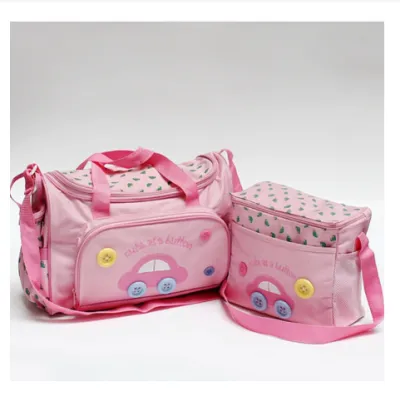
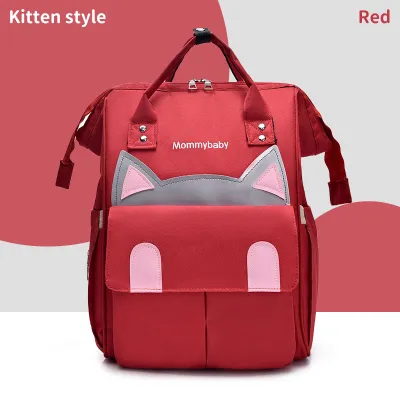
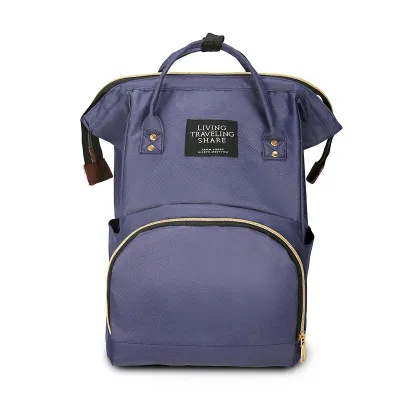
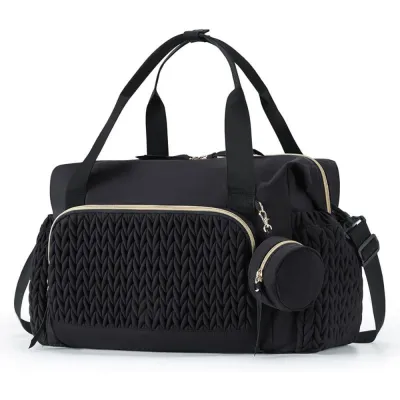
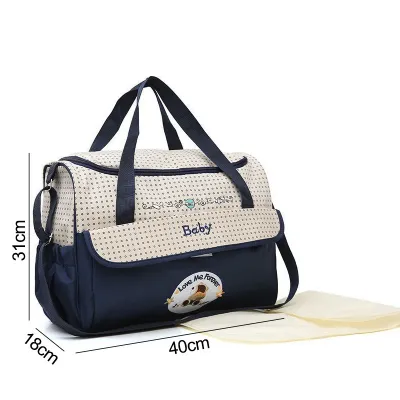
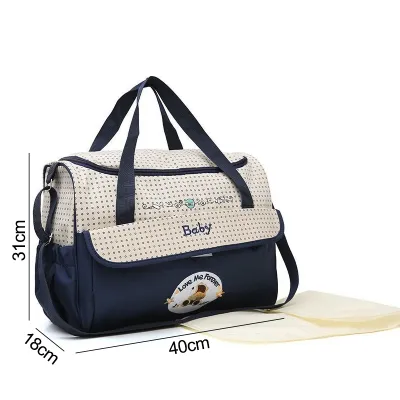
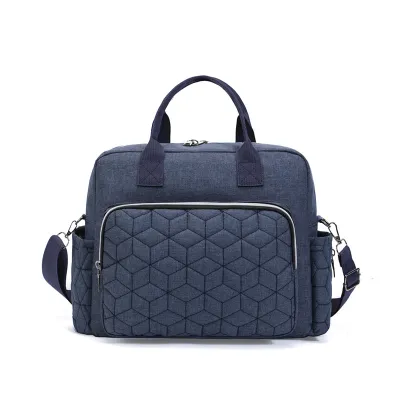
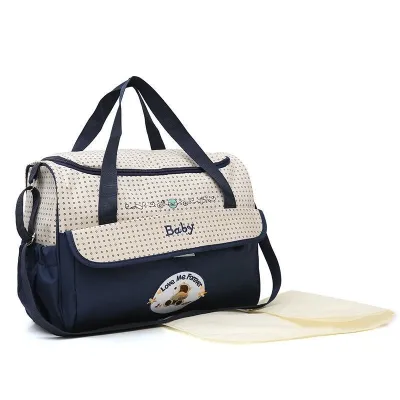
Prices are valid at publication and may change. Please refer to the product page for the latest price.
The duration of your typical outings also dictates your capacity needs. If your daily routine consists of quick trips to a nearby neighborhood park, a compact bag is usually more than enough. However, if you frequently spend half the day or longer away from home—such as weekend family gatherings or long mall visits—a larger bag becomes essential. In tropical climates, high humidity and heat mean babies sweat more frequently, which increases the number of clean clothing changes you must pack for a single afternoon.
Another factor to consider is your access to public changing facilities and your primary mode of transportation. If you rely on public transit or walk long distances, you must carry all your supplies on your body, making a well-organized, high-capacity bag highly valuable. Conversely, if you travel primarily by private vehicle, you can easily leave backup supplies in the car and carry a much smaller bag for quick errands. You should also consider whether the bag must serve a dual purpose, such as holding your personal items, a work laptop, or a water bottle alongside your baby’s essentials. Combining your personal handbag and diaper bag into one large backpack or tote often simplifies your transit and keeps your hands free.
Maximizing Usable Space: Capacity Features That Actually Matter
When shopping for a large baby bag, overall volume is only half the equation; how that volume is structured determines its daily functionality. A massive, single-compartment bag without internal organization often turns into a deep cavern where small items get lost. To maximize usable space, look for bags with dedicated, structured compartments. Insulated bottle pockets are crucial for keeping milk or water at a safe temperature during hot afternoons, while quick-access wipe slots allow you to pull out a wet wipe instantly with one hand during a diaper change.

The physical style of the bag also plays a major role in how comfortable it is to carry when fully loaded. Backpack-style diaper bags are highly popular because they distribute weight evenly across both shoulders, reducing the risk of muscle strain during long walks. They also keep both of your hands completely free to push a stroller or carry your child. Tote bags offer a classic look and wide openings for easy visibility, but carrying a heavy tote on one shoulder for extended periods can cause back pain. Messenger bags provide a middle ground with crossbody straps, but they can still shift and cause uneven strain if overloaded.
Before purchasing a high-capacity bag, always check its empty weight and the quality of its straps. A large bag made of heavy canvas or thick faux leather might look stylish, but it can weigh over a kilogram before you even place a single diaper inside. Opt for lightweight, durable materials like high-density nylon or polyester that can withstand daily wear and tear without adding unnecessary bulk. Ensure the shoulder straps are wide, contoured, and heavily padded to cushion your shoulders against the weight of water bottles, spare clothes, and baby gear. In warm climates, look for breathable mesh backing on backpack styles to improve airflow and prevent sweat buildup on your back.
When to Skip the Large Bag: Practical Alternatives for Lighter Days
You do not always have to carry a massive bag to be fully prepared for the day’s adventures. For many parents, a giant diaper bag is overkill for short trips, and carrying it everywhere can quickly become exhausting. One practical alternative is to use a standard-sized diaper bag or a small backpack paired with a stroller organizer or caddy. A stroller caddy attaches directly to your stroller’s handlebar, keeping essentials like your phone, keys, a baby bottle, and a small pack of wipes within arm’s reach while leaving the main bag under the seat.
Another highly effective strategy is using modular packing pouches to scale your capacity up or down depending on your itinerary. Instead of packing everything into one giant bag, organize your gear into color-coded, zippered pouches: one for diapering essentials, one for feeding supplies, and one for spare clothes. If you are only stepping out for a quick thirty-minute errand, you can grab just the diapering pouch and slip it into a standard tote or purse. When you are heading out for all-day trips, you can pack all the pouches into your larger bag, keeping everything organized and easy to transfer between different bags.
For parents who travel primarily by car, a well-stocked vehicle trunk can serve as your mobile base station. Instead of carrying a heavy load on your shoulder, keep a secondary “emergency kit” in your car trunk containing extra diapers, a full change of clothes for both baby and parents, a wet bag, and extra bottles of water. This allows you to carry a lightweight, minimalist diaper clutch or small bag into shops and restaurants, knowing that you have a complete set of backup supplies parked just a short walk away.
The Pre-Purchase Fit Check: Verifying Dimensions and Compatibility
Before committing to a specific large baby bag model, it is essential to perform a few physical checks to ensure it integrates smoothly with your existing baby gear. A bag that looks perfect online might turn out to be too wide to fit into your stroller’s under-seat storage basket or too bulky to carry comfortably. Start by measuring the bag’s external dimensions—height, width, and depth—and comparing them to the physical space available in your stroller’s basket. If the bag is too large, you may find yourself struggling to force it into the basket, which can damage the bag’s fabric or tear the stroller’s mesh.
Next, verify your stroller manufacturer’s specific guidelines regarding hanging bags from the handlebar. Many stroller brands explicitly warn against hanging heavy bags on the handlebar because it shifts the stroller’s center of gravity, creating a serious tipping hazard if you let go of the handle. If you plan to hang your bag using stroller hooks, ensure the bag’s loaded weight does not exceed the stroller’s recommended limit. Choosing a bag with dedicated, integrated stroller straps can make attachment easier, but safety should always come first.
Finally, test the bag’s zipper clearance and opening mechanism if you are shopping in person, or look closely at product photos and reviews if buying online. A good large baby bag should have a wide, structured opening—often reinforced with a metal frame—that stays open on its own. This allows you to see all the contents clearly and retrieve bulky items, like a changing mat or a thick blanket, from the very bottom without having to empty the entire bag. Smooth, durable zippers that can be opened easily with one hand are also a vital feature when you are holding a squirming baby with your other hand.
Frequently Asked Questions (FAQ)
Will a fully loaded large bag tip my stroller?
Yes, hanging a fully loaded large baby bag on your stroller’s handlebar can easily cause the stroller to tip backward, especially when your child is not sitting in the seat to balance the weight. Stroller manufacturers design their products with specific weight limits for the handlebars, and exceeding these limits shifts the center of gravity dangerously. To prevent tipping hazards, always store heavy items and large bags in the under-seat storage basket or secure them closer to the stroller’s rear axle. If you must hang a bag, verify the manufacturer’s weight limits and never leave the stroller unattended.
What is the safest way to clean a large diaper bag?
The safest way to clean a large diaper bag depends on its material, so always check the manufacturer’s care label first. For most nylon, polyester, or canvas bags, you can safely wipe down the interior and exterior linings using a damp cloth, warm water, and a mild, baby-safe soap. Avoid using harsh chemical bleach or abrasive scrubbers that can strip away waterproof coatings or damage insulated bottle pockets. If the bag has removable fabric inserts or changing pads, check if they are machine washable on a gentle cycle. Always air-dry the bag completely in a well-ventilated area with all pockets and zippers wide open to prevent mold and mildew growth, which can develop quickly in humid environments.

Community discussion
Share your experience or ask a question. Comments are reviewed before publication.