
Quick Answer: Is a Baby Walker Necessary?
A baby walker is not a developmental necessity for your child. Babies do not require wheeled mobility devices to learn how to walk; in fact, they naturally acquire the strength, balance, and coordination needed for independent movement through unstructured floor play.
Many pediatricians and child development experts worldwide advise against using traditional sit-in baby walkers. This caution stems from significant safety risks, such as tipping over or falling down steps, alongside evidence that these devices can actually delay natural motor skill development.
Deciding whether to use a baby walker depends on your specific household setup, your ability to provide constant supervision, and your access to safer play equipment. If you are unsure about your child’s physical progress, consult your pediatrician to receive personalized guidance tailored to your baby’s unique growth milestones.
Products mentioned in this guide
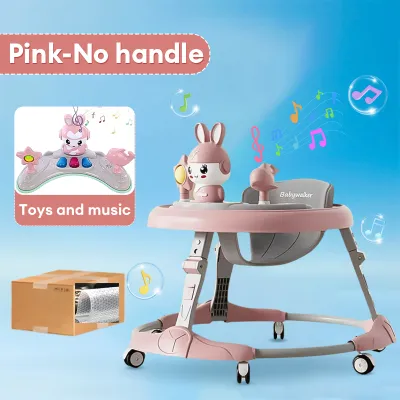
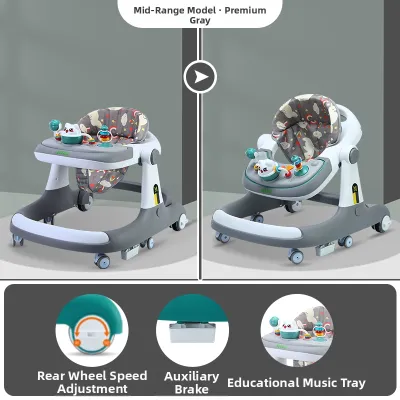
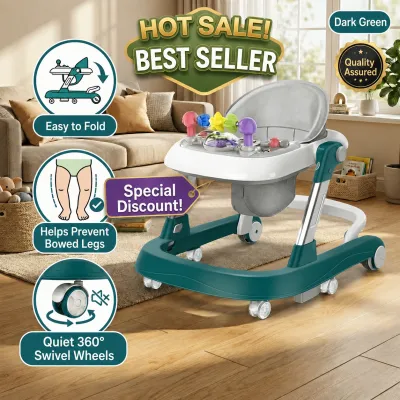
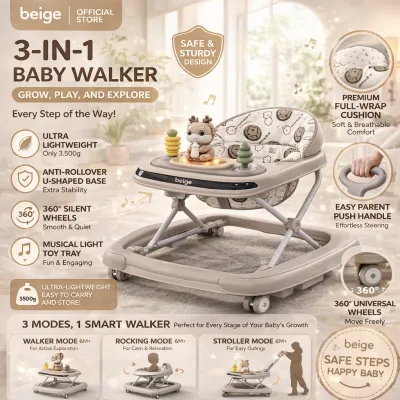
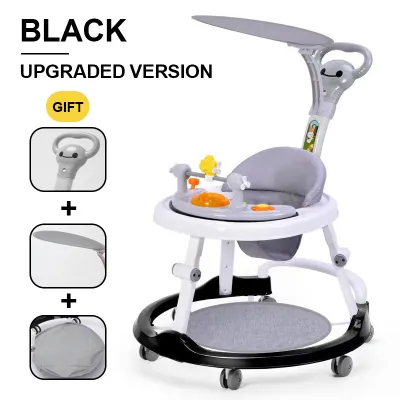
![[Easy To Walke] Bobbi Baby Walker walker for baby boy baby walker for girl SuitableFor 6-18 Months Infant Foldable walker for baby with Wheel Toddler Walk Learning Anti Rollove walker baby girl walker for baby With Music and Handle](https://img.lazcdn.com/g/p/fccee499d29a7bf50ee21c4b22facbed.jpg_400x400q80.jpg_.webp)
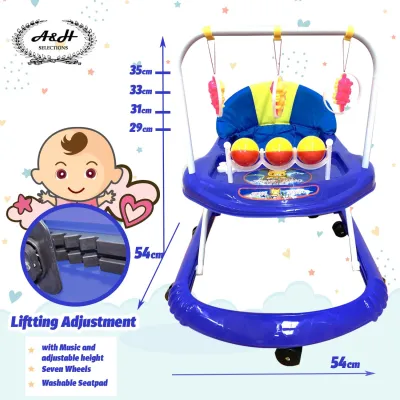
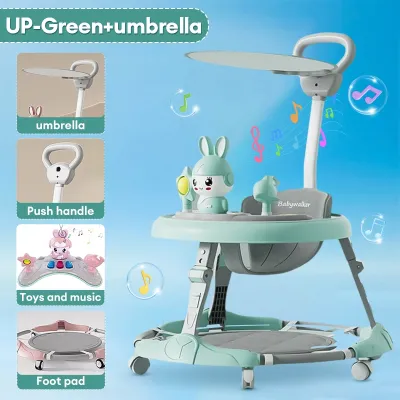
Prices are valid at publication and may change. Please refer to the product page for the latest price.
Developmental Signs Your Baby Is Ready for Mobility Gear
Before introducing any type of mobility or activity gear, you must assess your baby’s physical and cognitive milestones. Age ranges printed on packaging are general guidelines, but your baby’s actual physical readiness is the most critical factor for their safety and comfort.

Physical Milestones
Your baby must be able to sit up independently without any support and maintain steady head control before using upright gear. They should also show early signs of wanting to move, such as rolling, crawling, or pulling themselves up against furniture. If a baby cannot support their own torso, placing them in an upright seat puts undue strain on their developing body.
Cognitive Curiosity
Cognitive readiness often presents as a strong desire to explore. You will notice your baby actively reaching for toys, tracking family members across the room, and attempting to move toward objects of interest. This mental curiosity indicates that they are ready to engage with interactive toys and stationary play centers.
Posture and Weight Bearing
When you hold your baby upright, they should be able to bear some weight on their legs. If their legs immediately buckle, or if they show signs of physical discomfort, their joints and muscles are not yet ready for upright gear. You should never force a baby into a standing position if they cannot naturally support their weight.
Safety Boundary
Every child develops at their own pace, and rushing them into mobility gear can be counterproductive. Placing a baby in a walker or activity center before they have sufficient core and neck strength can strain their developing spine and hip joints. Always verify the manufacturer’s official weight and height limits on the product manual before placement.
Weighing the Pros and Cons of Traditional Baby Walkers
Traditional sit-in baby walkers remain popular because they offer clear conveniences, but they also carry notable developmental and safety drawbacks. Understanding both sides of the equation helps you make a safer choice for your home.
Potential Benefits for Caregivers
For many parents, a baby walker serves as a temporary entertainment station. It can provide brief moments of hands-free time to complete household tasks nearby, provided the baby is under close supervision. Many models also feature colorful, built-in sensory toys, buttons, and music that keep babies engaged and entertained.
Developmental Concerns
Despite their name, traditional baby walkers do not teach babies how to walk correctly. In a sit-in walker, a baby typically scoots along using their toes and calves, bypassing the heel-to-toe motion required for natural walking. This position also prevents them from balancing their own weight or strengthening their core and upper thigh muscles, which can lead to temporary walking delays or atypical walking patterns.
Safety and Injury Risks
Traditional wheeled walkers allow babies to move at surprisingly high speeds, making it difficult for caregivers to react in time. Common hazards include tipping over on uneven surfaces, rolling off raised thresholds, and falling down stairs. Additionally, the elevated height allows babies to reach dangerous items that would otherwise be out of reach, such as hot liquids, electrical cords, household chemicals, or heavy objects on countertops.
Decision Pathway
If you decide to use a traditional walker, treat it strictly as an entertainment device rather than a teaching tool. Limit its use to flat, enclosed areas away from stairs, and ensure you remain within arm’s reach at all times. Never leave your baby unattended in a wheeled device, even for a few seconds.
Developmentally Supportive Alternatives to Consider
Fortunately, you do not have to rely on traditional wheeled walkers to keep your baby entertained and active. Several expert-approved alternatives support natural motor development while keeping your child safe.
Stationary Activity Centers
Stationary activity centers feature a suspended seat surrounded by interactive toys, but they do not have wheels. This design allows your baby to spin, bounce, and play without the risk of rolling into dangerous areas or falling down steps. These centers are excellent for sensory play and building upper-body strength, though they should still be used in moderation to ensure your baby gets plenty of floor time. Quality stationary centers in the Philippines typically range from ₱1,500 to ₱5,000 depending on the integrated features.
Push Walkers
Push walkers, or push toys, are designed for babies who are already beginning to stand and take steps. Unlike sit-in models, a push walker requires your baby to stand independently and push the device forward. This action engages the correct leg, back, and core muscles needed for real walking. Before introducing a push walker, ensure your baby can already pull themselves up to a standing position and maintain their balance. Look for models with a heavy, stable base and adjustable wheel resistance to prevent the toy from rolling away too quickly on smooth tiled or wooden floors.
Unstructured Floor Play
Unstructured floor play is the most effective and natural way to help your baby develop gross motor skills. Placing your baby on a clean, padded play mat on the floor encourages them to roll, crawl, sit up, and eventually pull themselves up on sturdy furniture. To motivate movement and problem-solving, place favorite toys just out of their reach, prompting them to stretch, wiggle, and scoot naturally. Floor play builds overall body strength and spatial awareness without any of the safety risks associated with mechanical gear.
Safety Checklist If You Choose to Use a Baby Walker
If you choose to use a traditional baby walker, you must take rigorous safety precautions to protect your child from injury. Use this checklist to inspect your gear and prepare your home environment.
- Verify Product Features: Check the manufacturer's label to ensure the walker has a wide, stable base that resists tipping. Look for models equipped with automatic braking strips or friction pads designed to stop the wheels if the device reaches an edge or an uneven surface.
- Adjust the Height and Fit: Adjust the seat height so that your baby’s feet rest flat on the floor. If only their toes touch the ground, they may develop a habit of toe-walking, which can tighten their calf muscles and affect their posture.
- Prepare the Environment: Thoroughly baby-proof the play area. Block all stairways, steps, and raised thresholds with secure, hardware-mounted gates. Remove throw rugs that could catch the wheels, and secure electrical cords, table runners, hot beverages, and household cleaning supplies out of your baby's elevated reach.
- Enforce Strict Time Limits: Limit your baby's time in the walker to no more than 15 to 20 minutes per session. This prevents physical overexertion and ensures they spend the majority of their active hours practicing natural movements on the floor.
- Know When to Stop: Stop using the walker immediately once your baby can walk independently, when they exceed the manufacturer's height or weight limits, or if they show signs of frustration or physical discomfort while inside.
Frequently Asked Questions (FAQ)
At what age can a baby start using a walker?
While some manufacturers market walkers for infants as young as 4 to 6 months, physical milestones are the true indicator of readiness. Your baby must be able to sit upright completely unsupported, hold their head up steadily, and bear weight on their legs. Always consult the specific product manual for exact age, weight, and height limits.
Do baby walkers help babies learn to walk faster?
No. Pediatric research indicates that traditional sit-in walkers do not accelerate the walking process and can actually delay independent walking. Because these devices support the baby’s weight and encourage toe-pushing, they do not help build the core balance and thigh strength necessary for natural, unassisted walking.
How long should a baby stay in a walker per day?
If you choose to use a walker, limit sessions to 15 to 20 minutes once or twice a day. Restricting their time in the device ensures they have ample opportunity to engage in floor play, which is essential for developing coordination, spatial awareness, and muscle strength.

Community discussion
Share your experience or ask a question. Comments are reviewed before publication.