
As your pregnancy progresses, your body undergoes remarkable changes to accommodate your growing baby. While these changes are natural, they often bring physical sensations that can transition from mild discomfort to persistent aches. Deciding whether to invest in belly support for pregnant individuals depends on your daily activity levels, the physical signs your body is sending, and how much your growing bump impacts your mobility.
Belly support garments, such as stretchy bands and structured belts, are designed to distribute weight more evenly across your torso. They are not a mandatory purchase for every expectant mother, but they can serve as a highly effective tool if you struggle with specific types of physical strain. In a warm and humid climate, choosing the right support requires balancing physical relief with comfort and skin health.
Physical Signs That Suggest You Might Need Belly Support
One of the most common indicators that you might benefit from extra support is a persistent, dull ache in your lower back or pelvic region. As your baby grows, your center of gravity shifts forward, pulling your lower spine out of its natural alignment. If you notice that this backache or a heavy pelvic pressure intensifies after standing in line, walking, or doing light household chores, your muscles may be struggling to keep up with the rapid structural changes.
Products mentioned in this guide
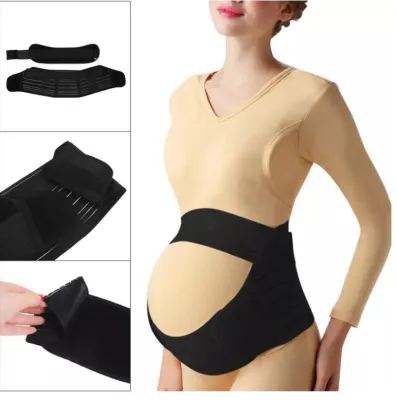
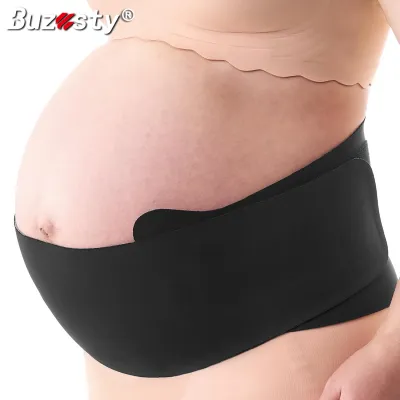
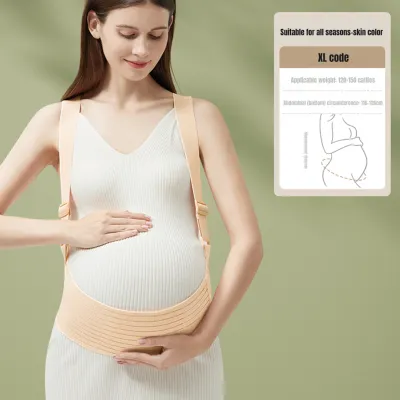
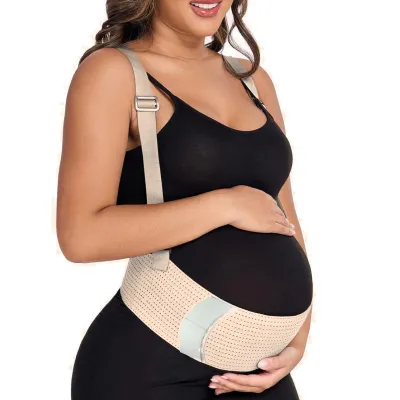
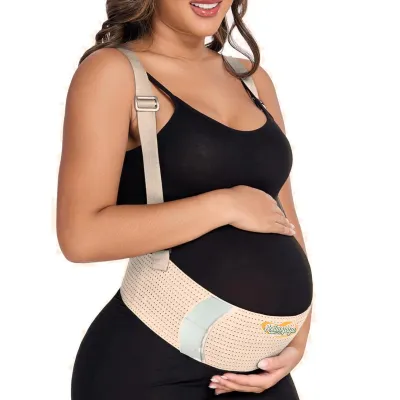
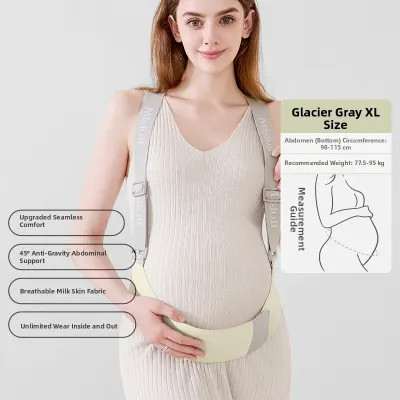
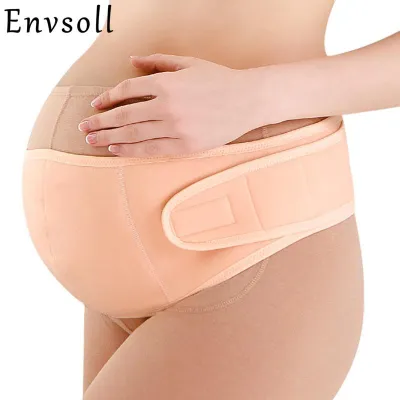
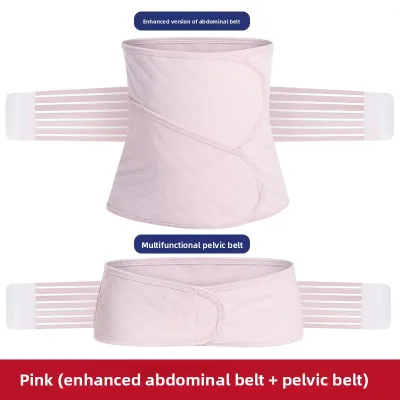
Prices are valid at publication and may change. Please refer to the product page for the latest price.
Another clear signal is a sharp, sudden, or pulling sensation in your lower abdomen or groin area, often referred to as round ligament pain. This typically happens when you change positions quickly, such as getting out of bed, standing up from a low chair, or turning around. While this stretching sensation is a normal part of pregnancy, a supportive garment can help stabilize the area and minimize the sudden jolts that trigger this sharp discomfort.
You might also experience a distinct dragging or heavy sensation in your lower belly, particularly during the late second and third trimesters. This feeling can make it seem as though you constantly need to cradle your bump with your hands to find relief while walking. If you find yourself naturally holding your lower abdomen for support during your daily routines, an external band can take over that lifting action for you.
It is important to differentiate between typical, manageable pregnancy fatigue and discomfort that actively restricts your daily life. If mild aches begin to limit your ability to walk short distances, complete your work, or enjoy your daily activities, it is a strong sign that your body could use some external assistance. Belly support is meant to help you maintain your independence and comfort, rather than just masking minor, temporary fatigue.
When Belly Support May Not Be Necessary
While belly support garments offer excellent relief for many, they are not always necessary or beneficial for every stage of pregnancy. During the first trimester and the early weeks of the second trimester, your baby bump is generally not large enough to cause a significant shift in your center of gravity. Using a support belt during these early stages is usually unnecessary unless specifically recommended by a healthcare professional for pre-existing joint issues.

If you experience only mild, occasional discomfort, you might find that simple lifestyle adjustments provide all the relief you need. Improving your standing posture, taking frequent sitting breaks, and using a supportive maternity pillow between your knees while resting can often resolve minor aches. If these basic habits keep you comfortable throughout the day, you can likely bypass purchasing specialized support garments.
It is also helpful to clarify what support garments cannot do. Some expectant mothers purchase these items hoping they will prevent stretch marks or guarantee a faster return to their pre-pregnancy shape. However, support bands do not alter skin elasticity or replace the natural recovery process of your abdominal muscles. Relying solely on a belt without maintaining gentle, approved physical activity will not preserve your core strength.
Additionally, there are times when a support garment can do more harm than good. If a band feels overly restrictive, squeezes your stomach, or causes skin irritation and itching, it is best to avoid wearing it. In warm, tropical environments, trapping heat and sweat against your skin can quickly lead to uncomfortable rashes, making the garment more of a hindrance than a help.
Matching Your Symptoms to the Right Type of Support
If you decide that some extra help is warranted, matching your specific symptoms to the correct product type is key to finding relief. Stretchy belly bands are seamless, tube-like garments that slip over your abdomen. They offer light lifting and gentle compression, making them ideal for smoothing out clothing, holding up loose maternity pants, and easing mild, generalized abdominal heaviness during light daily activities.
For more intense or localized pain, a structured, adjustable maternity support belt is generally more appropriate. These belts typically feature a non-stretchy strap that sits low under your belly, combined with adjustable side straps that allow you to customize the level of tension. This design is highly effective for targeting severe lower back pain, pelvic girdle pain, or sacroiliac joint instability by firmly stabilizing your pelvic ring.
When shopping for a support garment, prioritize adjustable closures, such as high-quality hook-and-loop fasteners, and expandable panels. Your body will continue to change rapidly, and a product that cannot adapt to your growing bump will quickly become unusable. Look for designs that allow you to loosen or tighten the fit easily as you transition from standing to sitting throughout the day.
Given the warm and humid conditions in the Philippines, fabric selection is a critical factor. Seek out materials that are lightweight, highly breathable, and moisture-wicking to prevent sweat buildup and skin chafing. Furthermore, verify that the overall design is not too bulky; you want a garment that allows you to sit comfortably, bend when necessary, and manage frequent bathroom breaks without requiring a complicated removal process.
Safe Usage Guidelines and When to Consult a Professional
Using a pregnancy support garment safely requires adhering to a few basic principles to protect both your health and your baby’s comfort. Always follow the manufacturer’s specific instructions for positioning the band or belt. The primary support strap should sit low on your hips, cradling the underside of your belly rather than pressing directly across the middle of your abdomen, which can cause unnecessary pressure.
Avoid tightening the garment excessively in an attempt to get more support. A belt that is too tight can restrict your blood circulation, interfere with digestion, and cause localized bruising or skin irritation. It is also wise to limit your continuous wear time; wearing a support garment for no more than two to three hours at a time helps prevent your core and back muscles from becoming overly dependent on external assistance.
Pay close attention to how your body responds while wearing the support. If you experience warning signs such as numbness or tingling in your legs, restricted breathing, increased acid reflux, or a noticeable decrease in fetal movement, remove the garment immediately. These signals indicate that the belt is either positioned incorrectly, adjusted too tightly, or simply not suited for your body shape.
Finally, remember that a support belt is a temporary comfort aid, not a medical cure. If you experience persistent, sharp, or worsening pain that does not improve with rest, or if you struggle to walk even with the support on, stop using the product and consult your obstetrician or a physical therapist. They can help identify the underlying cause of your discomfort and recommend safe, targeted prenatal exercises to strengthen your body naturally.
Frequently Asked Questions (FAQ)
Can I wear a belly support belt while sleeping?
Most structured maternity support belts are not recommended for use while sleeping. When you lie down, your body’s alignment changes, and a tight, structured belt can restrict your circulation, compress your abdomen, and cause overheating during the night. Instead of a rigid belt, consider using specialized maternity pillows, such as a wedge pillow under your bump or a full-body pillow between your knees, to maintain comfortable spinal alignment and relieve pressure while you rest.
Will wearing a belly band weaken my core muscles?
Wearing a belly support band continuously for long periods can potentially lead to muscle dependency, as your core and back muscles may begin to rely on the garment rather than engaging naturally. To prevent this, use the support selectively during activities that cause the most strain, such as long walks or household chores. Combining the use of a support band with gentle, doctor-approved prenatal exercises, pelvic tilts, and pelvic floor routines will help keep your natural core muscles active and strong.
How do I clean and maintain my maternity support belt?
To preserve the elasticity and structural integrity of your maternity support belt, it is generally best to hand-wash it in cool water using a mild, hypoallergenic detergent. If you prefer using a washing machine, place the belt inside a mesh laundry bag, secure all hook-and-loop fasteners to prevent snagging, and select a gentle cycle. Always air-dry the garment flat in a shaded, well-ventilated area; avoid using a clothes dryer or direct, intense sunlight, as high heat can degrade the elastic fibers and warp the supportive panels.

Community discussion
Share your experience or ask a question. Comments are reviewed before publication.