
Breastfeeding is a deeply rewarding experience, but it is rarely without its hurdles. Many new mothers face unexpected physical challenges in the early weeks postpartum, ranging from painful, cracked nipples to difficulty getting their newborn to latch. In these moments of frustration and discomfort, a silicone nipple shield is often suggested as a helpful tool to keep the breastfeeding journey on track. This thin, flexible device can offer immediate relief and help establish a successful feeding routine, but it is important to understand when it is truly necessary and how to use it safely.
A silicone nipple shield is not a universal cure-all for every nursing difficulty, and using it incorrectly can sometimes create new challenges. To make an informed decision for you and your baby, you need to understand how the shield works, the specific situations where it can help, and the signs that indicate it might not be the right solution. By learning to recognize these factors, you can protect your milk supply, ensure your baby is getting enough nourishment, and decide whether to incorporate this tool into your daily routine.
Understanding What a Silicone Nipple Shield Does
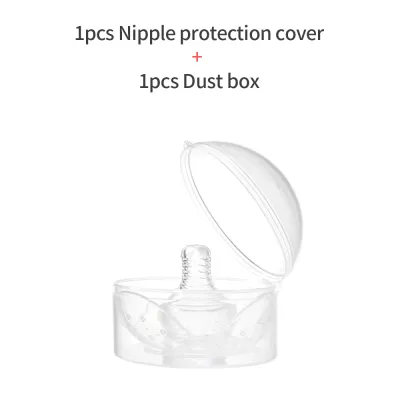
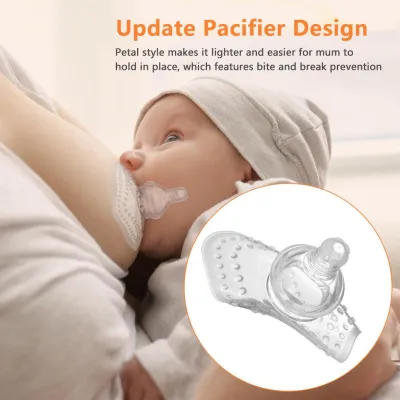
A silicone nipple shield is a thin, flexible barrier made of medical-grade silicone that fits snugly over your nipple and areola during breastfeeding. It features a raised, nipple-shaped cone with small holes at the tip, allowing breast milk to flow through to your baby when they suck. The primary mechanical role of the shield is to provide a firm, consistent shape and texture in the baby’s mouth, which can stimulate the sucking reflex and make latching easier.
Products mentioned in this guide
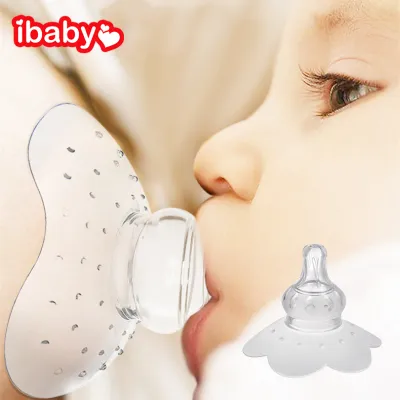
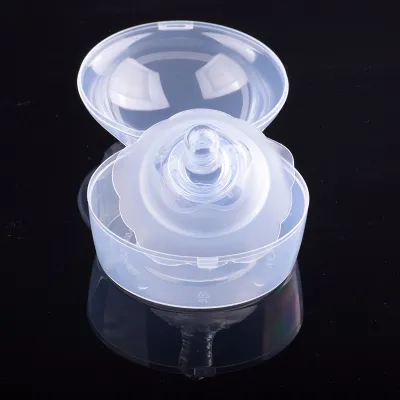
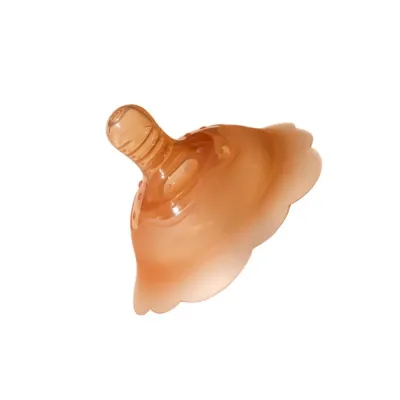
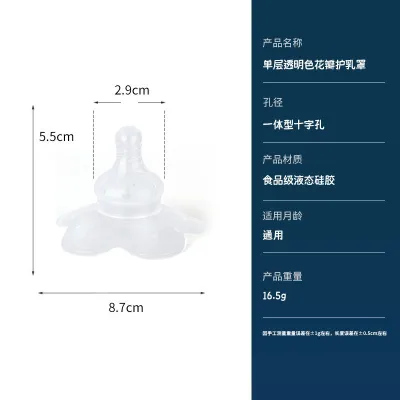
Prices are valid at publication and may change. Please refer to the product page for the latest price.
Rather than a permanent fixture in your nursing routine, the shield is designed to be a temporary, transitional tool. It acts as a bridge, helping you and your baby navigate specific physical challenges until you can transition back to direct skin-to-skin breastfeeding. Understanding this temporary nature helps prevent long-term reliance and ensures you focus on addressing the root cause of any feeding difficulties.
Because it is a physical barrier, a nipple shield alters the natural dynamics of breastfeeding. It reduces the direct skin-to-skin contact that plays a crucial role in hormonal signaling, which is why it should be used with clear intention and careful monitoring. When used correctly and for a limited time, it can be a valuable asset that prevents early weaning and supports your feeding goals.
Breastfeeding Challenges That May Warrant a Nipple Shield
Certain physical and developmental challenges can make a silicone nipple shield a highly effective intervention. For mothers experiencing severe nipple soreness, cracking, or blistering, the shield acts as a protective barrier. By reducing direct friction from the baby’s tongue and palate, it allows sensitive skin to heal while you continue to nurse.

Flat or inverted nipples can also make it difficult for a newborn to achieve a deep, secure latch. The raised cone of the shield provides a prominent target that is easier for the baby to grasp, helping them draw the breast tissue into their mouth. This is particularly useful in the early days postpartum when engorgement can temporarily flatten the nipple area.
For premature infants or babies with weak suction, a nipple shield can offer crucial structural support. The firm silicone tip keeps the nipple extended inside the baby’s mouth, reducing the effort required to maintain a latch. This helps babies with limited stamina feed more efficiently and stay at the breast longer.
Additionally, some infants develop sensory aversions or struggle to transition from bottle nipples to the breast. The familiar, firm texture of the silicone shield can ease this transition, providing a comforting middle ground that encourages a baby to accept the breast.
Signs a Nipple Shield Might Not Be the Right Solution
While a nipple shield can be incredibly helpful, it is not the right choice for every breastfeeding challenge. If your baby consistently slips off the shield, struggles to stay latched, or seems frustrated during feeds, the device may not be addressing the underlying issue. Ineffective milk transfer can lead to long, exhausting feeding sessions without satisfying your baby.
Persistent or worsening pain is another clear sign that a shield may not be the correct solution. While a shield can reduce surface friction, it cannot correct a fundamentally poor latch. If you feel deep, pinching pain during or after feeds, the baby may still be compressing the nipple incorrectly beneath the silicone barrier, which can lead to deeper tissue damage.
Using a shield can also mask underlying problems that lead to a drop in milk supply or inadequate infant weight gain. Because the silicone barrier can sometimes reduce the direct stimulation your breast receives, your body may not get the signal to produce enough milk. Monitoring your baby’s weight and diaper output is essential to ensure they are receiving enough nourishment.
Finally, a nipple shield should never be used as a first resort or a quick fix without trying other adjustments first. Relying on a shield immediately after birth without attempting latch corrections or consulting a professional can create unnecessary habits that are difficult to break later on.
Safe Usage Guidelines and When to Seek Professional Help
To ensure safety and comfort, proper sizing is absolutely critical when using a silicone nipple shield. You must verify the correct size by checking the manufacturer’s guidelines, as a shield that is too small can compress your breast tissue, cause friction injuries, and restrict milk flow. A properly fitted shield should leave a small space between the tip of your nipple and the end of the silicone cone, allowing your nipple to expand freely during feeding.
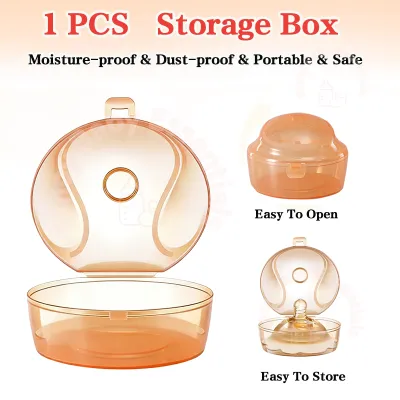
Hygiene is another vital consideration, especially in warm, humid tropical climates where bacteria can multiply quickly. Always sterilize the shield before its first use according to the product label, and wash it thoroughly with warm, soapy water after every single feed. Store the dry shield in a clean, covered container to protect it from dust and moisture.
There are several immediate stop conditions you must watch for. If your baby shows signs of dehydration—such as fewer wet diapers, lethargy, or dark urine—or if their weight gain stalls, stop using the shield and seek medical advice immediately. Persistent maternal pain or signs of a breast infection, such as fever or red, warm patches on the breast, also require immediate attention.
Because of these risks, it is highly recommended to consult an International Board Certified Lactation Consultant (IBCLC) or a pediatrician before you start using a shield. A professional can help you address the root cause of your latch issues, ensure the shield is fitted correctly, and create a structured plan to safely wean your baby off the shield when the time is right.
Alternative Solutions to Explore First or Concurrently
Before introducing a silicone nipple shield, or alongside its temporary use, there are several alternative techniques you can explore. Adjusting your breastfeeding position can make a significant difference in achieving a deep, comfortable latch. Positions like the laid-back hold or the football hold allow gravity to help your baby take in a larger mouthful of the breast, reducing pressure on your nipples.
Implementing a dedicated nipple care routine can also promote healing without the need for a physical barrier. Applying a few drops of expressed breast milk or a thin layer of purified lanolin to your nipples after feeds can soothe irritated skin. Allowing your breasts to air dry completely after feeding is especially helpful in humid environments to prevent moisture-related skin breakdown.
If your baby has weak suction, practicing breast compression during feeds can assist with milk flow. By gently squeezing your breast when the baby is actively sucking but not swallowing, you can help deliver more milk with less effort on their part. This keeps the baby engaged and ensures more efficient milk transfer.
For flat or inverted nipples, a brief pumping session of just one to two minutes immediately before feeding can help draw the nipple out. This temporary physical stimulation makes it much easier for your baby to locate and latch onto the nipple directly, often eliminating the need for a shield altogether.
Frequently Asked Questions (FAQ)
Will using a nipple shield decrease my milk supply?
A silicone nipple shield can potentially impact your milk supply if it prevents your baby from transferring milk efficiently. Because the silicone barrier reduces direct skin contact, your body may receive fewer hormonal signals to produce milk. To protect your supply, closely monitor your baby’s wet and dirty diapers, and track their weight gain regularly. If you suspect your baby is not emptying your breasts completely, you may need to use a breast pump after feeds to maintain your milk production, under the guidance of a lactation specialist.
How do I know which size nipple shield to buy?
Nipple shield sizing is based on the diameter of your nipple, not your overall breast or bra size. To find the correct fit, measure the width of your nipple at the base using a ruler, and compare this measurement to the specific manufacturer’s sizing guide. Keep in mind that your nipple size can change during the postpartum period as your milk supply stabilizes, meaning you may need to reassess the fit and adjust sizes over time to ensure continued comfort and safety.

Community discussion
Share your experience or ask a question. Comments are reviewed before publication.