
Yes, adults can benefit significantly from using a nursing pillow, but standard infant-sized models often fall short of providing the necessary ergonomic support, size, and firmness required for adult bodies. While originally designed to position a baby during feeding, these specialized cushions are increasingly used by adults seeking targeted relief from physical strain during postpartum recovery, extended bottle-feeding, or pumping sessions. To determine if you need one, you must evaluate how well your current setup supports your posture and whether a dedicated adult-sized nursing pillow is worth the investment.
In the tropical climate of the Philippines, where high humidity can make prolonged physical contact uncomfortable, choosing a pillow with the right breathability and structural integrity is essential. Standard household pillows often trap heat and flatten quickly under adult weight, leading to poor posture and increased muscle fatigue. Understanding the specific physical signals that indicate a need for specialized support can help you decide if upgrading to an adult-suitable nursing pillow is the right choice for your daily comfort.
Signs You Might Need Specialized Adult Support
Prolonged periods of holding, feeding, or pumping can place immense physical stress on an adult’s body, often manifesting as localized discomfort. If you find yourself constantly shrugging your shoulders, tilting your neck downward, or experiencing a dull ache in your lower back during feeding sessions, your body is signaling a lack of proper ergonomic support. Arm fatigue is another common indicator, especially when you are forced to tense your biceps and forearms to keep your baby at the correct height. Over time, these repetitive strains can lead to chronic muscle tension and poor posture that persists long after the feeding session ends.
Products mentioned in this guide

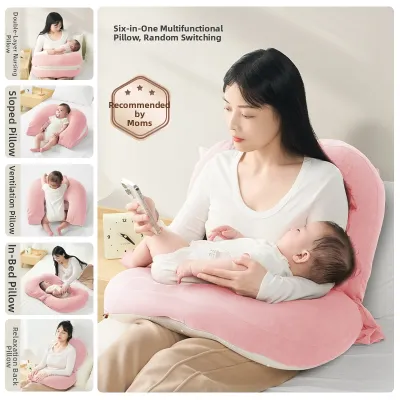
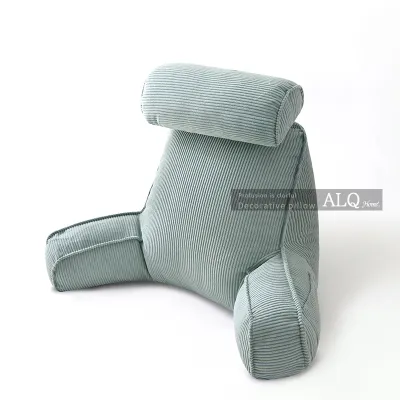
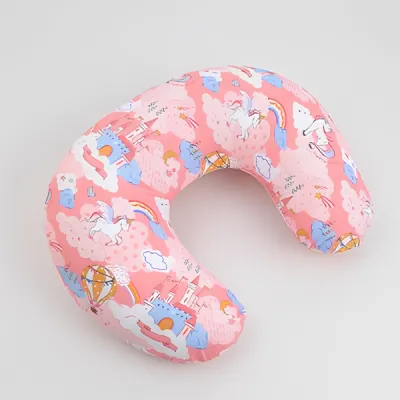
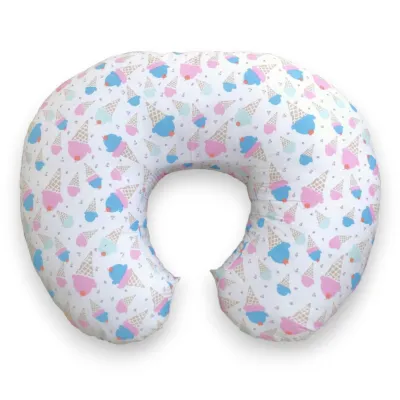
Prices are valid at publication and may change. Please refer to the product page for the latest price.
Specific recovery scenarios demand even more precise positioning to prevent pain and protect healing tissues. For individuals recovering from a Cesarean section (C-section), any direct pressure on the lower abdomen can be incredibly painful and may disrupt the healing process. A supportive pillow acts as a protective shield, distributing weight away from the incision site while keeping the baby close. Similarly, those managing tandem feeding or navigating extended bottle-feeding sessions require a stable, wide platform that can support multiple positions without shifting or collapsing under continuous use.
Standard household pillows are designed for sleeping, meaning they lack the structural density required to support active adult posture. When stacked on your lap, they tend to slide apart, compress under the weight of your arms, or create uneven surfaces that force your spine out of alignment. This constant shifting requires frequent readjustments, interrupting the feeding process and increasing physical strain. If your current setup requires constant manual adjustment to keep your arms elevated, it is a clear sign that standard bedding is failing to meet your ergonomic needs. If you experience persistent physical pain, numbness, or severe joint strain, stop use immediately and consult a qualified healthcare professional.
Standard Infant vs. Adult-Suitable Nursing Pillows
Understanding the structural differences between standard infant nursing pillows and those suitable for adult ergonomics is crucial. Traditional infant nursing pillows are typically compact, designed primarily to cradle a small baby close to a caregiver’s body. These models often feature a tight, semi-circular “C” shape scaled to fit a narrow waist or sit directly on a small lap. For many adults, these compact dimensions feel restrictive, failing to wrap comfortably around the torso or slide back far enough to support the lower back.

An adult-suitable nursing pillow, by contrast, is engineered with a wider opening and a more flexible or expansive shape. These designs are built to accommodate various adult body types, wrapping securely around the waist or extending along the sides of the torso to provide a stable armrest. The increased surface area ensures that the weight of your arms and the baby is distributed evenly across your lap and thighs, reducing pressure points and preventing the pillow from slipping forward during use.
Filling density is another critical differentiator that directly impacts the level of support you receive. Infant-focused pillows often utilize soft, plush polyester fiberfill that is comfortable for a lightweight baby but compresses easily under adult arm weight. An adult-suitable model typically features high-density foam, firm microbeans, or tightly packed organic fibers designed to resist compression. This firmer core ensures that your arms remain elevated at the correct height throughout the entire feeding or pumping session, preventing you from hunching forward as the pillow sinks.
How to Choose the Right Size and Firmness for Your Body
Selecting the ideal nursing pillow requires a careful evaluation of its physical dimensions relative to your unique body proportions. To determine the correct thickness, sit in your preferred feeding chair and measure the distance from your lap to just below your breast line. The pillow should fill this gap completely, allowing your elbows to rest naturally at a ninety-degree angle without forcing your shoulders upward or requiring you to lean forward. A pillow that is too thin will still cause you to hunch, while one that is too thick can strain your neck and upper back.
When selecting a pillow, always verify the recommended age range, weight limits, and specific method of use from the manufacturer’s documentation to ensure it aligns with your baby’s developmental stage. Additionally, remember that active caregiver supervision is always required during use, and you should never leave a baby unattended on any nursing pillow. Because safety standards, material certifications, and product recalls can change over time, it is important to verify these details directly on the manufacturer’s official website or product label before purchasing.
In warm and humid tropical environments, the choice of cover material is just as important as the pillow’s internal structure. Extended skin contact with synthetic fabrics can trap heat and sweat, leading to skin irritation and discomfort during long sessions. Look for removable covers made from breathable, natural fibers like cotton or bamboo, which facilitate airflow and help keep your skin cool. Ensure the cover is fully machine-washable with a durable zipper, as frequent washing is necessary to maintain hygiene and remove sweat, oils, or spills.
Modular or adjustable designs offer significant advantages for adults who need their support system to adapt over time. Some pillows feature adjustable waist straps that secure the cushion tightly against your body, preventing gaps where your arm might lose support. Others incorporate removable inserts or multi-layered designs, allowing you to customize the height and firmness as your body heals. When evaluating these features, always check the manufacturer’s instructions to ensure any straps or buckles are secured safely and do not pose a hazard during use.
When a Regular Pillow is Enough (and When to Upgrade)
Investing in a specialized adult nursing pillow is not always an immediate necessity, especially during the first few days postpartum or if feeding sessions are brief. If you have access to firm, high-quality household pillows—such as dense memory foam bed pillows or structured couch cushions—you can stack them to achieve the necessary elevation. This temporary setup works well if you are feeding in a spacious bed or a wide armchair where the surrounding furniture helps hold the pillows in place.
However, the limitations of standard bedding quickly become apparent during daily, repetitive use. Regular bed pillows are designed to cradle the head and neck, meaning they lack the lateral stability needed to support your arms and a baby simultaneously. As you move, these pillows tend to slide outward, flatten under continuous pressure, or bunch up unevenly, forcing your spine into awkward angles to compensate. This lack of consistent support can quietly contribute to muscle strain, making it difficult to maintain a relaxed posture.
The decision to upgrade to a dedicated adult-suitable nursing pillow typically hinges on specific transition points in your daily routine. If you find that physical discomfort, such as lower back pain or shoulder tension, is worsening as the weeks progress, a specialized cushion is highly justified. Furthermore, if you are pumping multiple times a day, the time saved from constantly rearranging loose pillows can significantly reduce your daily stress and physical fatigue.
Frequently Asked Questions (FAQ)
Can I use a standard nursing pillow for my own back support while working?
Standard infant nursing pillows are generally unsuitable for adult lumbar support during desk work. Because they are shaped to wrap around the front or side of the body, they lack the specific contouring and depth required to support the natural curve of the adult lower spine. Using them in an office chair can push your hips too far forward, leading to poor posture and increased lower back strain. For ergonomic seating, it is highly recommended to use a dedicated lumbar roll or an ergonomically designed backrest that attaches directly to your chair.
How do I clean a nursing pillow used for extended adult contact?
To maintain hygiene during extended adult use, always check the manufacturer’s care label before cleaning. Most high-quality nursing pillows feature a removable outer cover that can be machine-washed on a gentle cycle with mild, hypoallergenic detergent. For the inner core, spot cleaning with a damp cloth and mild soap is typically recommended, as submerging the entire inner pillow can trap moisture inside and lead to mold growth. Ensure both the cover and the inner core are completely dry before reassembling the pillow, especially in humid climates.
Are there weight limits for adults using these pillows?
Most nursing pillows do not specify strict weight limits for adults, as they are designed to support the weight of the arms and a baby rather than the adult’s full body weight. Instead of looking for a weight rating, you should assess the resilience and density of the filling material. If you notice that the pillow compresses by more than half its original thickness when you rest your arms on it, or if it fails to spring back after use, the filling has lost its supportive function. In such cases, replacing the inner core or upgrading to a higher-density foam model is necessary to maintain proper ergonomic alignment.

Community discussion
Share your experience or ask a question. Comments are reviewed before publication.