
As your pregnancy progresses, your body undergoes remarkable transformations to accommodate your growing baby. While these physical shifts are a natural part of the journey, they often introduce new mechanical challenges, from a dull ache in your lower back to a heavy, dragging sensation in your pelvis. If you have started noticing these daily discomforts, you might find yourself wondering whether a maternity binder is a necessary addition to your maternity routine.
The short answer is that while a maternity binder is not a strict medical requirement for every expectant mother, it can be an exceptionally helpful comfort tool if you are experiencing moderate physical strain, postural fatigue, or ligament pain. It acts as an external support system, temporarily relieving the physical burden on your muscles and joints so you can go about your day with greater ease and comfort.
What Is a Maternity Binder and How Does It Work?
A maternity binder is a supportive, highly elastic garment designed to wrap around your midsection during pregnancy. Unlike postpartum wraps or shapewear that aim to compress or contour the body, a prenatal binder is engineered specifically to cradle your growing abdomen and distribute its weight more evenly across your lower back and hips.
Products mentioned in this guide
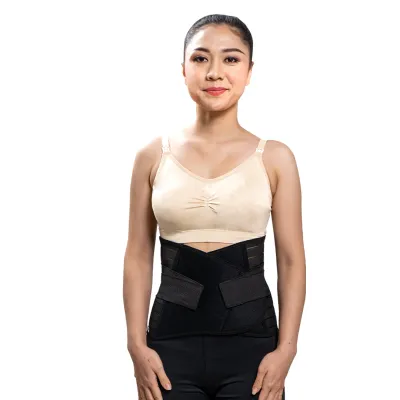
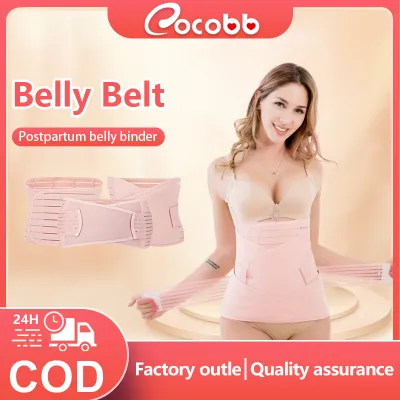
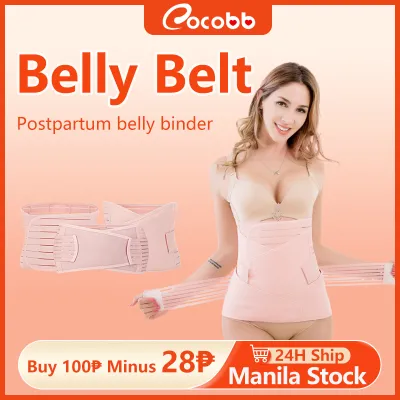
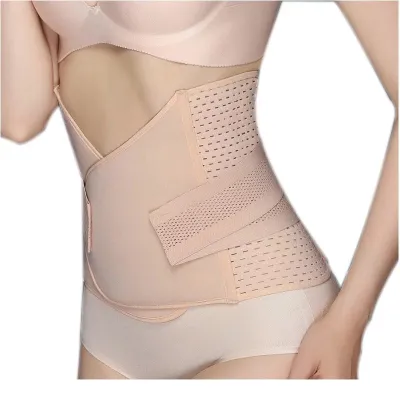
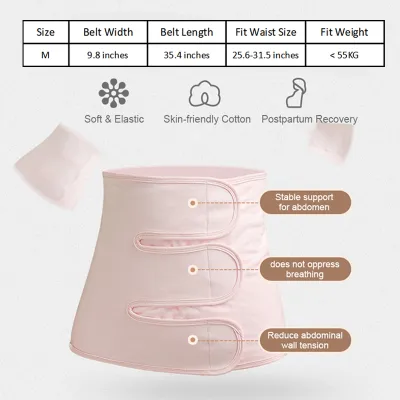
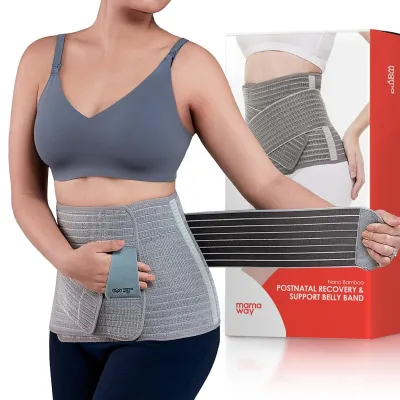
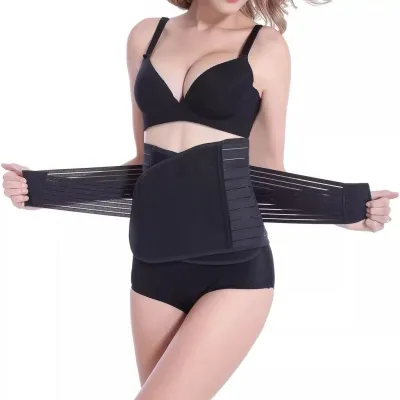
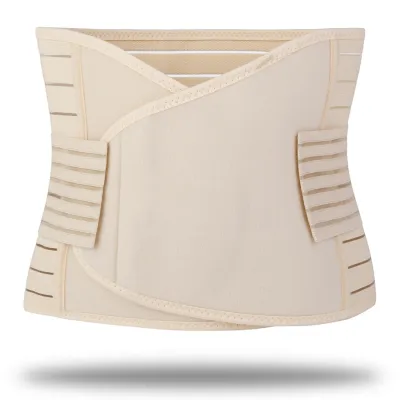
Prices are valid at publication and may change. Please refer to the product page for the latest price.
The primary function of a maternity binder is mechanical support. By providing a gentle upward lift to the lower belly, it helps stabilize the abdominal area and offers a reassuring, supportive hug to the lumbar spine. This simple mechanical assistance can significantly reduce the workload on your core and back muscles, which are forced to work overtime as your bump grows.
It is important to clarify that a maternity binder is fundamentally a comfort aid rather than a medical device designed to treat or cure pregnancy complications. It does not replace the natural core strength your body relies on, nor should it be used to manage severe medical conditions without professional guidance. Instead, think of it as a temporary partner to help ease physical fatigue during active hours.
Key Signs You Might Benefit from Belly Support
Recognizing when your body is asking for external support is key to managing pregnancy discomfort effectively. Because every pregnancy is unique, you do not need to wear support garments simply because your bump has reached a certain size. Instead, pay close attention to the specific physical cues your body sends during daily activities like walking, standing, or transitioning from sitting to standing.

Lower Back Pain and Posture Strain
As your baby grows, your center of gravity naturally shifts forward. To keep from falling, your body compensates by pulling your shoulders back and arching your lower spine—a posture shift known as lordosis. This adjustment places immense, continuous strain on your lower back muscles, leading to a dull, persistent ache by the end of the day.
A maternity binder helps counter this strain by gently reminding your muscles to maintain a more neutral alignment. By redistributing a portion of the frontal weight toward your hips and upper back, the binder reduces the excessive arching in your spine and mitigates muscle fatigue.
However, while mild postural fatigue is common, severe, sharp, or localized back pain is not something to ignore. If you experience persistent, worsening pain, or if the discomfort is accompanied by fever or cramping, you should immediately consult your OB-GYN or midwife to rule out other complications.
Pelvic Pressure and Heaviness
During the second and third trimesters, the sheer downward force of the growing uterus can create a distinct sensation of heaviness or pressure deep within your pelvis. Some mothers describe this as a constant dragging feeling, while others experience sudden, sharp, shooting sensations in the pubic area—often colloquially referred to as “lightning crotch”—as the baby’s head presses against sensitive nerve pathways.
A well-fitted maternity binder can offer significant relief by providing an upward lift to the lower abdomen. This lift helps transfer some of the direct, downward load off your pelvic floor muscles and pubic symphysis joint, making walking and standing much more comfortable.
While this pressure is a normal part of late-stage pregnancy, it is vital to monitor your symptoms closely. If the pelvic pressure is accompanied by vaginal bleeding, fluid leakage, regular contractions, or a sudden change in vaginal discharge, seek immediate medical attention, as these can be signs of preterm labor.
Round Ligament Pain and Sharp Twinges
The round ligaments are two thick bands of tissue that connect the uterus to the groin, acting as anchors that stretch and expand as the uterus grows. When you make sudden movements—such as getting out of bed, coughing, or rolling over—these ligaments can stretch too quickly, triggering sharp, brief twinges or spasms on one or both sides of your lower abdomen.
Wearing a maternity binder provides a stabilizing compression around the lower belly, which helps minimize the sudden shifting of the uterus during physical activity. By keeping the abdomen relatively stable, the binder dampens the sudden pulling force exerted on the round ligaments.
Keep in mind, however, that a binder is a supportive aid, not a cure-all; you should still practice slow, mindful movements, such as turning your entire body as one unit when getting out of bed or bracing your lower belly with your hands when you cough or sneeze.
When a Maternity Binder Might Not Be the Right Solution
While maternity binders offer excellent temporary relief, they are not suitable for every situation, and there are times when wearing one could do more harm than good. For instance, if you suffer from certain skin conditions, such as eczema, contact dermatitis, or active skin infections, the friction and trapped moisture beneath an elastic binder can severely exacerbate irritation.
Additionally, if you experience severe systemic swelling (edema) or have been diagnosed with circulatory issues, the compression of a binder can restrict blood flow and worsen fluid retention.
The most critical rule of thumb when using any pregnancy support garment is the “stop and consult” protocol. If at any point during use you experience sharp pain, restricted breathing, localized skin numbness, or an increase in acid reflux and heartburn, you must remove the binder immediately. Furthermore, if you notice any decrease in your baby’s movement patterns while wearing the garment, take it off right away and contact your healthcare provider.
It is also essential to recognize that a binder is not a substitute for active physical care. It cannot repair severe diastasis recti (abdominal separation), nor is it safe to use as a self-treatment if you are at risk for preterm labor or have been placed on pelvic rest. Always prioritize your doctor’s or midwife’s direct medical advice over any retail product.
Alternative Ways to Manage Pregnancy Discomfort
If you decide that a full maternity binder is not the right fit for your daily routine, or if you simply want to combine physical support with other comfort strategies, there are several highly effective alternatives to consider.
Maternity Pillows: Many mothers find that the greatest physical strain occurs at night when trying to rest. A full-body maternity pillow or a compact foam wedge pillow can be placed under your bump and between your knees to align your spine, support your belly, and take the pressure off your hips while sleeping on your side.
Posture and Movement: Incorporating mindful posture checks throughout your day can dramatically reduce muscle fatigue. Avoid standing in one position for prolonged periods, and practice gentle, pregnancy-safe stretches, such as cat-cow poses or pelvic tilts, to keep your lower back flexible and strong. When sitting, use a small rolled towel or a lumbar roll behind your lower back to support your natural spinal curve, and keep your feet flat on the floor. Always consult your healthcare provider before starting any new exercise or stretching regimen to ensure it is safe for your specific stage of pregnancy.
Supportive Footwear: The impact of walking on hard surfaces travels up your legs to your knees, hips, and lower back. Swapping flat, unsupportive sandals or high heels for supportive, low-heeled shoes with cushioned insoles can significantly reduce the overall mechanical stress on your joints and spine.
Maternity Belts vs. Binders: If you only need targeted support rather than full abdominal coverage, a narrower maternity belt might be a better option. Unlike a wide binder that covers the entire stomach, a maternity belt sits low on the hips and runs underneath the belly, focusing its support specifically on the pelvis and lower back while leaving the upper abdomen free.
How to Choose and Wear a Maternity Binder Safely
Selecting the right maternity binder requires careful consideration of both your physical dimensions and your daily environment, especially if you live in a tropical climate.
Fabric and Climate: In hot and humid environments like the Philippines, heat rash, sweat buildup, and skin chafing are significant concerns for expectant mothers. Wearing an extra layer of tight elastic fabric in tropical weather can quickly become uncomfortable if the material is not chosen carefully. When shopping for a binder, prioritize highly breathable, lightweight, and moisture-wicking fabrics. Look for materials with mesh panels or perforated elastic that allow air to circulate freely, reducing the risk of trapping sweat against your sensitive skin. Natural cotton blends or advanced synthetic performance fabrics designed for athletic wear are often excellent choices, as they help pull moisture away from the body and dry rapidly.
Fit and Adjustability: A maternity binder should feel like a supportive, reassuring hug, never a restrictive corset. It is crucial to choose a model with highly adjustable closures, such as wide hook-and-loop (Velcro) straps, which allow you to customize the tightness as your belly grows day by day. When trying on a binder, ensure it fits snugly enough to lift the belly but does not dig into your hips, restrict your breathing, or compress your stomach to the point of triggering indigestion. You should be able to slide two fingers comfortably between the binder and your skin at any point.
Usage Limits: To prevent your core muscles from becoming overly reliant on external support, avoid wearing a maternity binder continuously throughout the day. Limit your wear time to two to three hours at a time, focusing on periods of high physical activity, such as when you are doing household chores, running errands, or standing for long intervals. Never wear a binder to sleep unless you have received explicit instructions and clearance from your obstetrician or midwife.
Hygiene: Because the binder sits close to your skin and will inevitably absorb sweat, regular washing is essential to prevent bacterial buildup and skin irritation. Always refer to the manufacturer’s care label for specific washing instructions. Most binders should be hand-washed in cool water with a mild, hypoallergenic detergent and air-dried to preserve the elasticity and strength of the supportive fibers.
Frequently Asked Questions (FAQ)
Can wearing a maternity binder hurt the baby?
When worn correctly and sized properly, a commercially designed maternity binder will not hurt or compress your baby. Your body’s natural anatomy, including the thick muscular walls of the uterus and the cushioning effect of the amniotic fluid, provides robust protection for your developing infant. However, it is vital to avoid over-tightening the garment. If the binder feels restrictive, causes shortness of breath, or if you notice any decrease in your baby’s movements, remove it immediately and consult your doctor.
When is the best time to start wearing a maternity binder?
There is no single, universally correct week to begin wearing a maternity binder, as every pregnancy progresses differently. Most expectant mothers find they begin to benefit from belly support during the second trimester, typically between weeks 16 and 24, as the bump starts to grow rapidly and shift their center of gravity. You can start using one whenever you begin to experience persistent lower back fatigue, pelvic pressure, or round ligament discomfort during your daily activities.
What is the difference between a maternity belt and a full belly binder?
The primary difference lies in their width and coverage. A maternity belt is a relatively narrow strap designed to sit low on your hips, passing directly underneath your baby bump to lift the belly and stabilize the pelvic joints and lower back. A full belly binder, on the other hand, is a much wider band of elastic fabric that wraps around your entire midsection, covering the abdomen from just below the bust down to the hips to provide comprehensive, gentle compression over the entire stomach.

Community discussion
Share your experience or ask a question. Comments are reviewed before publication.