
Quick Answer: Do You Really Need a Maternity Belt?
A maternity belt is not a mandatory purchase for every pregnancy, but it is a highly effective, non-invasive tool if you are experiencing specific physical strains. You do not need to buy one simply because you are pregnant; instead, your decision should be guided by how your body feels as your baby grows. If you are struggling with persistent lower back aches, sharp pelvic pain, or a heavy dragging sensation in your abdomen, a maternity belt support system can provide immediate relief.
While these supportive garments offer structural assistance, they are temporary aids rather than permanent cures. It is always best to consult your obstetrician-gynecologist (OB-GYN) or a physical therapist before purchasing or using one. They can help you determine if your discomfort is a normal part of pregnancy or a symptom that requires targeted physical therapy, ensuring you use the belt safely without masking underlying issues.
4 Physical Signs Your Body Needs Belly Support
As your pregnancy progresses, your body undergoes rapid anatomical changes to accommodate your growing baby. The hormone relaxin loosens your ligaments, which prepares your pelvis for birth but can also lead to joint instability and muscle strain. Recognizing the specific ways your body reacts to these changes will help you decide if external belly support is necessary.
Products mentioned in this guide
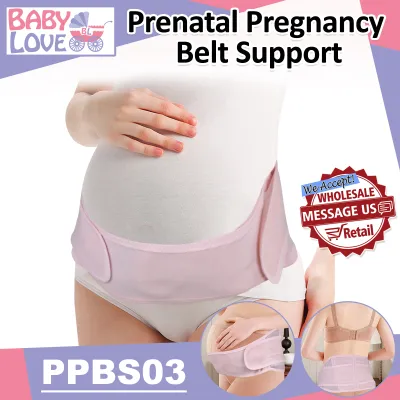
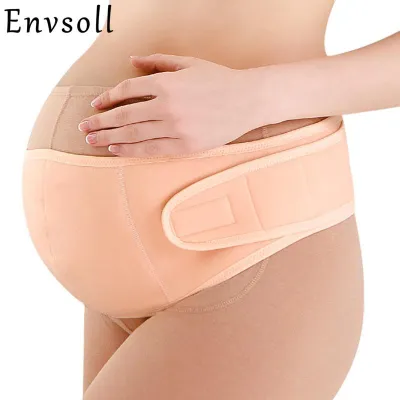
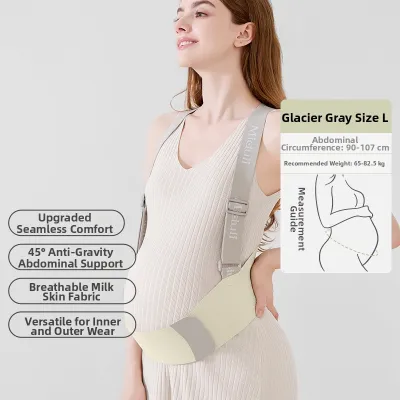
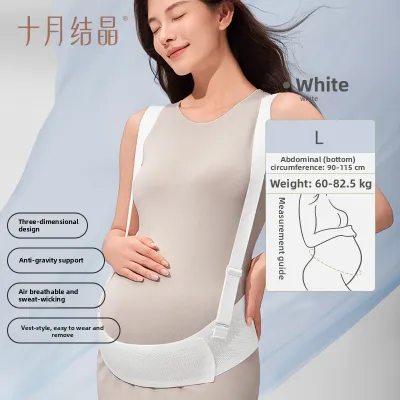
Prices are valid at publication and may change. Please refer to the product page for the latest price.

Lower Back Pain and Posture Strain
During the second and third trimesters, your expanding uterus shifts your center of gravity forward. To prevent yourself from toppling over, you naturally lean backward, arching your lower spine in a posture known as lordosis. This continuous postural adjustment puts an immense strain on your lower back muscles and spinal column, leading to a dull, aching pain that intensifies as the day goes on.
A maternity support belt helps counteract this shift by gently lifting your abdomen and redistributing the weight more evenly across your hips and torso. This extra support encourages a more neutral spinal alignment and reduces the workload on your lower back muscles. If you notice that your back pain worsens significantly after standing in queues, walking around the grocery store, or doing light household chores, your posture is likely struggling to cope with the forward pull of your bump.
Pelvic Girdle Pain and Pressure
Pelvic Girdle Pain (PGP) and Symphysis Pubis Dysfunction (SPD) are common conditions characterized by joint instability in the pelvic ring. When the ligaments that normally keep your pelvic joints aligned become too relaxed, the joints move unevenly, causing sharp, shooting pains in your pubic bone, hips, or groin. You might also experience a heavy, dragging sensation in your lower abdomen, as if your pelvis is carrying an unbearable downward weight.
A cradle-style maternity belt acts like an external pelvic binder, compressing and stabilizing the pelvic joints to prevent painful micro-movements. By gently lifting the lower uterus, the belt relieves the direct downward pressure on your pelvic floor and pubic bone. Pay close attention to whether you feel a sharp pinch or a deep ache when you take a step, roll over in bed, or get out of a car, as these are classic indicators that your pelvic ring needs stabilization.
Round Ligament Pain
Your round ligaments run from the sides of your uterus down into your groin, acting as anchors that keep the uterus in place. As your baby grows, these ligaments stretch and become thin and tight, much like overextended rubber bands. Sudden movements—such as coughing, sneezing, laughing, or standing up too quickly—can cause these ligaments to contract rapidly, resulting in a sharp, stabbing jolt of pain in your lower belly.
Using a flexible belly band or a light support belt provides gentle, consistent compression over the lower abdomen. This compression stabilizes the uterus and dampens the sudden jarring motions that trigger round ligament spasms. If you find yourself holding your belly in anticipation of pain every time you laugh or change positions, a light support garment can offer the gentle containment your abdomen needs.
General Heaviness and Fatigue During Daily Activities
Even without localized pain, the sheer energy required to carry a growing baby bump can leave you physically exhausted by midday. Active mothers who work on their feet, care for older children, or commute daily via public transportation often experience generalized abdominal fatigue. This fatigue manifests as a tired, heavy sensation in the stomach muscles, making everyday movements feel like a chore.
In these scenarios, a maternity belt serves as an energy-saving accessory rather than a medical treatment. By taking some of the physical load off your abdominal wall and core muscles, the belt helps you maintain your stamina throughout the day. It allows you to remain active and complete your daily routines without feeling completely drained by the afternoon.
When a Maternity Belt Is Unnecessary or Not Recommended
While belly support garments offer clear benefits, they are not suitable for every expectant mother or every stage of pregnancy. During the first trimester, a support belt is generally unnecessary because the uterus is still relatively small and nestled deep within the pelvis, meaning it does not yet exert significant physical strain on your back or joints. If you are blessed with strong core muscles and are experiencing a comfortable, pain-free pregnancy, skipping the belt is completely fine, as your body is already managing the physical changes naturally.
There are also specific medical situations where wearing a maternity belt is contraindicated or requires extreme caution. If you have high blood pressure or preeclampsia, the external compression of a tight band could potentially restrict blood circulation or elevate your readings. Mothers experiencing skin conditions, open rashes, or severe itching on the abdomen should avoid belts, as the friction and trapped sweat will worsen skin irritation. Additionally, if your doctor has diagnosed you with restricted fetal growth (IUGR) or certain placental complications, you must avoid any external abdominal pressure.
It is vital to remember that mild, occasional muscular aches are a normal part of the gestational journey and do not automatically require a mechanical support device. Overusing a belt when it is not needed can lead to muscle laziness, where your core muscles stop working because they are relying on the garment. Always consult your OB-GYN to rule out any underlying complications before introducing a support belt to your daily routine.
How to Choose the Right Support Belt for Your Symptoms
If you and your healthcare provider have decided that a support belt is right for you, the next step is selecting a product that matches your unique physical needs and environment. The market offers a wide variety of designs, and choosing the wrong style can lead to discomfort or inadequate support.
Belt Styles and Support Levels
Support garments generally fall into three categories, each designed for different levels of discomfort:
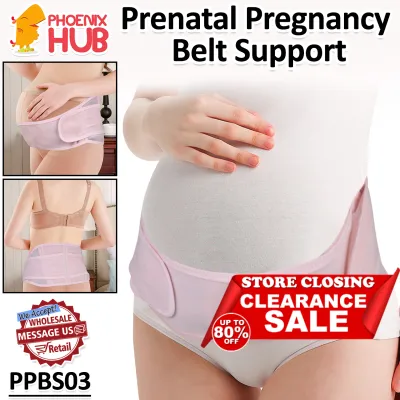
- Belly Bands: These are simple, tube-like sleeves made of stretchy fabric. They offer very mild compression and are excellent for the early second trimester, helping to smooth out your silhouette, hold up unbuttoned pre-pregnancy pants, and provide a light layer of warmth.
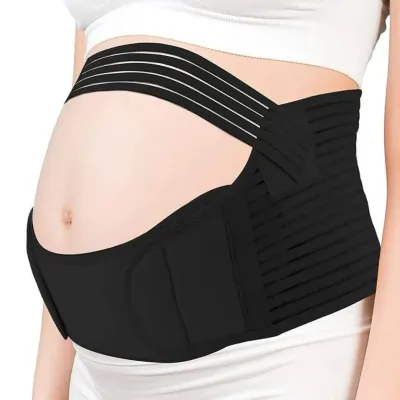
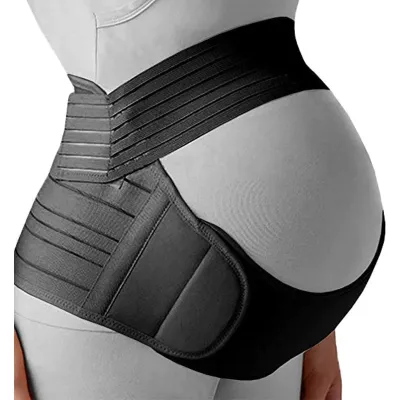
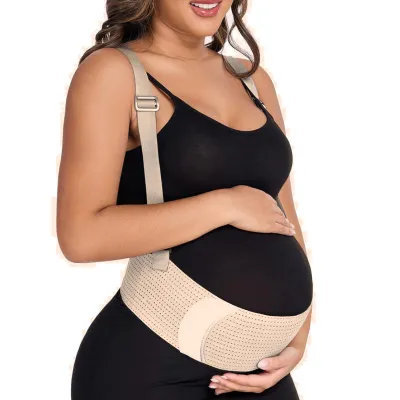
- Cradle-Style Belts: These feature a supportive strap that sits low under your bump, arches up over your hips, and fastens at your lower back. Many also include an optional upper strap that secures over the top of your belly to keep the band in place. These are ideal for relieving pelvic girdle pain, lifting a heavy uterus, and reducing pressure on the bladder.
- Full-Back Support Braces: These are heavy-duty systems with a wide lumbar pad at the back, adjustable side tension straps, and a sturdy under-belly support band. They are engineered specifically for severe lower back pain, sciatica, or spinal misalignment, offering maximum structural stabilization.
Sizing, Adjustability, and Fit
Your body will continue to change rapidly week by week, so your support belt must be highly adjustable to remain useful. Look for products that utilize strong, high-quality hook-and-loop (Velcro) fasteners, which allow you to customize the tightness and lift as your bump grows. Avoid belts with rigid buckles or complex hook closures that do not allow for gradual adjustments.
To find your correct size, use a flexible tape measure to measure the circumference of your lower back and under your belly—essentially where the lower strap of the belt will rest. Do not measure around the widest part of your waist or rely solely on your pre-pregnancy clothing size. Never buy a size too small in hopes of getting extra support; a belt that is too tight can restrict blood flow, compress your organs, and cause unnecessary discomfort.
Breathable Materials for Tropical Climates
For mothers living in the warm and humid climate of the Philippines, fabric choice is a critical comfort factor. Heavy, non-porous synthetic materials or thick neoprene will trap body heat and sweat against your skin. In tropical conditions, this quickly leads to painful friction rubs, chafing, and heat rashes (locally known as bungang-araw).
Prioritize lightweight, hypoallergenic, and moisture-wicking fabrics when shopping. Check the product specifications for breathable mesh panels, perforated elastic bands, or cotton-blend linings that allow air to circulate freely. Investing in a breathable, high-quality belt will ensure you can wear it comfortably during warm afternoon commutes or household chores without overheating.
Safe Usage Rules and When to Consult Your Doctor
To get the most benefit from your maternity belt without compromising your health, you must follow strict safety guidelines. Always read the manufacturer’s instruction manual for your specific model before wearing it for the first time.
When putting the belt on, position the main strap low on your hips, cradling the underside of your belly to lift it upward. The belt should never sit directly across the middle of your bump, as this presses the uterus inward rather than lifting it. The tension should feel like a firm, supportive hug—snug enough to relieve weight but never so tight that it restricts your breathing, digs into your skin, or leaves deep red marks.
To prevent your abdominal and back muscles from becoming dependent on the external support, limit your wearing time. Do not wear the belt continuously throughout the day; instead, wear it for 2 to 3 hours at a time during periods of physical activity, such as walking, standing, or doing chores. Take the belt off when you sit down for extended periods, as the fabric can bunch up and compress your pelvic blood vessels.
Stop using the maternity belt immediately and contact your healthcare provider if you experience any of the following warning signs:
- Numbness, tingling, or sharp pain radiating down your legs
- Difficulty breathing or a feeling of chest restriction
- A noticeable decrease in your baby's movements
- Dizziness, lightheadedness, or sudden nausea
- Uterine contractions or pelvic cramping
- Persistent skin irritation, redness, or itching under the band
Remember that a maternity belt is a supportive accessory designed to assist your body, not a replacement for proper prenatal care, regular stretching, or physical therapy. If your pain persists despite using a belt, seek professional medical advice to explore targeted treatment options.
Frequently Asked Questions (FAQ)
Can wearing a maternity belt hurt the baby?
No, when worn correctly, a maternity belt will not hurt your baby. Your body’s amniotic fluid and uterine walls provide a highly effective natural cushion that protects the fetus from external pressure. However, you must position the belt low under your bump to lift it, rather than wrapping it tightly across the center of your abdomen. If the belt is too tight, it can restrict your maternal blood flow, which indirectly affects your baby; always ensure the fit is supportive but comfortable.
When is the best time to start wearing a pregnancy support belt?
There is no specific gestational week that dictates when you should start wearing a support belt. Instead, you should let your physical symptoms guide you. Many mothers find they do not need any support during the first trimester, but begin to feel the need around the second or third trimester (typically between weeks 20 and 30) when the baby bump grows rapidly. Start using a belt whenever back pain, pelvic pressure, or daily physical fatigue begins to interfere with your comfort and mobility, after consulting with your doctor.
Can I sleep or sit while wearing a maternity belt?
It is highly recommended that you remove your maternity belt when sleeping, lying down, or sitting for long periods. When you are lying down, gravity is no longer pulling your bump downward, so the belt serves no structural purpose and can restrict your circulation. When sitting, the band tends to bunch up, dig into your groin, and put unnecessary pressure on your bladder and major blood vessels. Keep the belt reserved for standing, walking, and active daily tasks.

Community discussion
Share your experience or ask a question. Comments are reviewed before publication.