
As your pregnancy progresses, your body undergoes remarkable changes to accommodate your growing baby. Along with these changes, you might begin to experience new physical sensations, from a dull ache in your lower back to a heavy, dragging feeling in your lower pelvis. If you find yourself instinctively cradling your belly during daily walks or struggling to stand comfortably, you might wonder if a maternity belt is a helpful addition to your pregnancy routine.
A maternity belt is not a mandatory purchase, but it can serve as an effective, temporary support tool for those experiencing specific musculoskeletal discomforts. Deciding whether to use one depends on your daily activity levels, physical symptoms, and how your body adapts to its shifting center of gravity. Understanding your body’s signals is the first step in determining whether this supportive garment will offer the relief you need.
Physical Signs You Might Benefit from a Maternity Belt
One of the most common indicators that you might benefit from a maternity belt is the onset of lower back pain or pelvic girdle pain during routine activities. As your baby grows, your center of gravity shifts forward, placing additional strain on your lumbar spine and the muscles supporting your lower back. If you notice a persistent, dull ache that intensifies after standing, walking, or performing light household chores, a support belt can help redistribute the weight of your abdomen and alleviate some of this mechanical stress.
Products mentioned in this guide
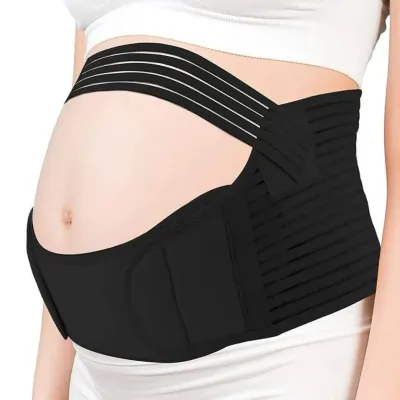
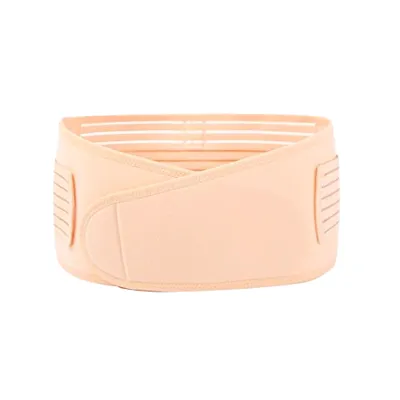
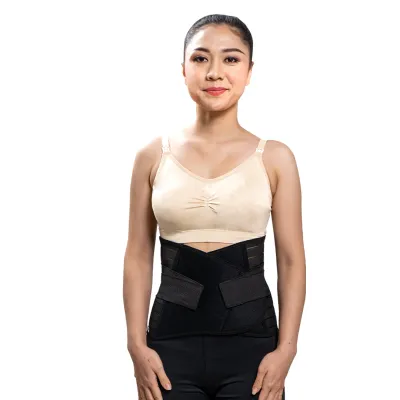
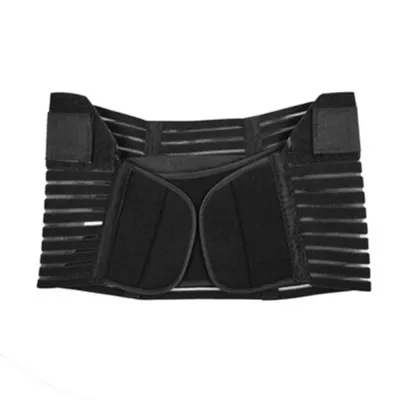
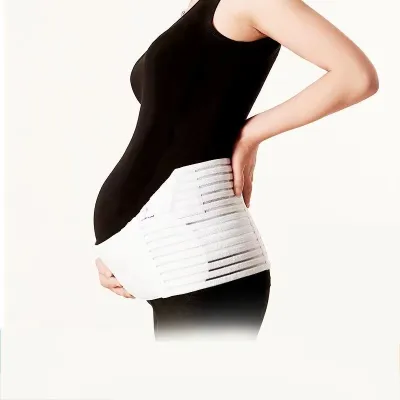
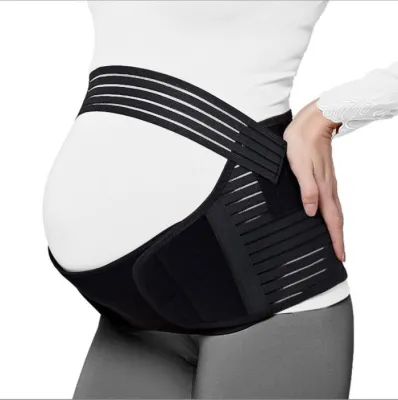
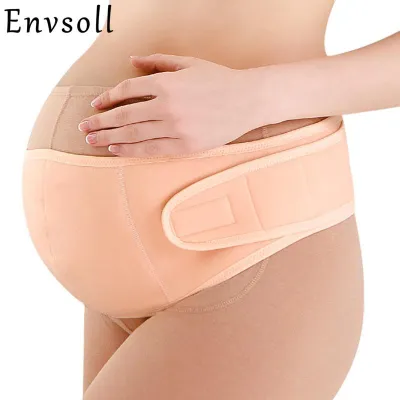
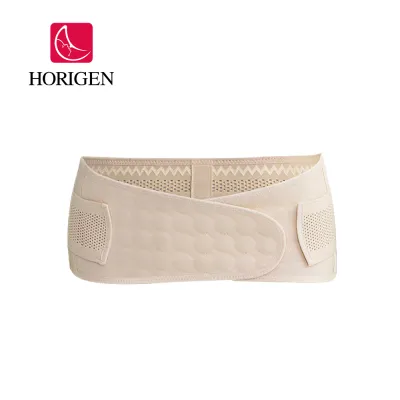
Prices are valid at publication and may change. Please refer to the product page for the latest price.
Another clear sign is a distinct dragging, heavy, or downward sensation in your lower abdomen. This feeling of pressure often becomes more pronounced during the second and third trimesters as gravity pulls the uterus downward. A maternity belt acts as an external sling, gently lifting the abdomen to relieve that constant downward pull on your pelvic floor and lower abdominal wall.
You might also experience sharp, sudden, or fleeting pains in your groin or along the sides of your lower belly, particularly when you change positions, stand up quickly, or roll over in bed. This discomfort is often related to the stretching of the round ligaments, which support the uterus. While these sharp twinges are a common part of pregnancy, a supportive band can help stabilize the pelvis and minimize the sudden movements that trigger this sharp discomfort.
Pay attention to your instinctive physical habits throughout the day. If you frequently find yourself placing your hands underneath your bump to lift or support its weight while walking, standing, or climbing stairs, your body is actively signaling a need for extra structural support. A maternity belt can take over this physical lifting action, freeing up your hands and reducing the fatigue in your arms and back muscles.
When to Skip the Belt and Consult Your Doctor
While a maternity belt can offer significant relief for everyday muscle strain, it is not a universal solution, and there are critical situations where you must skip the belt entirely. Sudden, severe, or constant abdominal or pelvic pain is not typical muscle fatigue and should never be managed with a support garment. If you experience sharp, unrelenting pain that does not subside with rest or position changes, contact your healthcare provider immediately.

It is vital to recognize the warning signs of complications that require urgent medical attention rather than physical support. Any symptoms of preterm labor, such as regular uterine contractions, pelvic pressure that feels rhythmic, vaginal bleeding, or an unusual change in vaginal discharge, demand immediate evaluation by an obstetrician. Attempting to use a maternity belt to soothe these symptoms can delay essential medical care and mask serious underlying issues.
You should also avoid using a support belt if you notice any adverse physical reactions to the garment itself. Skin rashes, intense itching, chafing, or red marks that do not fade quickly after removing the belt indicate that the material or the fit is causing skin irritation. Furthermore, if the belt feels so tight that it restricts your breathing, causes shortness of breath, or triggers indigestion, it is compressing your torso too tightly and must be removed.
Before purchasing or wearing any support garment, a professional medical evaluation is highly recommended. Your obstetrician or a physical therapist can help rule out underlying conditions, such as symphysis pubis dysfunction, that might require specialized treatment rather than a standard retail belt. Consulting your doctor ensures that your pain management strategy is safe, personalized, and appropriate for your specific pregnancy profile.
What to Look for If You Decide to Try a Maternity Belt
If you and your healthcare provider agree that a maternity belt is a suitable option, selecting the right garment requires careful attention to specific design features. First, prioritize adjustability. Your body will continue to change rapidly, so a belt with adjustable hook-and-loop fasteners or multi-paneled straps allows you to customize the level of support and expand the garment as your bump grows. Avoid rigid, non-adjustable bands that can easily become too tight, restricting blood flow, digestion, or your baby’s natural movements.
In warm and highly humid climates, such as the tropical environment of the Philippines, fabric choice is a critical factor for comfort and skin health. Look for lightweight, breathable, and moisture-wicking materials like cotton blends or perforated elastic mesh. Heavy, synthetic fabrics can trap heat and sweat against your skin, quickly leading to uncomfortable heat rashes, friction chafing, and general discomfort that might force you to stop using the belt altogether.
When trying on a maternity belt, focus on achieving a snug, supportive fit rather than tight compression. The belt should feel like a gentle, lifting cradle underneath your bump, distributing the weight evenly across your hips and lower back. It should never squeeze your abdomen, leave deep indentations on your skin, or feel restrictive when you sit down. If you feel any pinching, numbness in your legs, or a sensation of restricted circulation, the belt is either too small or adjusted too tightly.
Always read and follow the manufacturer’s specific instructions regarding sizing, positioning, and care. Because sizing standards can vary significantly between brands, measure your current hip and under-bump circumference rather than relying solely on your pre-pregnancy clothing size. Additionally, consult your healthcare provider to establish personalized guidelines for how long you should wear the belt each day, ensuring you do not rely on it so heavily that your core muscles begin to weaken from underuse.
Everyday Alternatives and Habits for Pregnancy Support
Whether you choose to use a maternity belt or manage your discomfort without one, incorporating supportive daily habits can make a profound difference. Practicing proper posture and safe body mechanics is essential for minimizing strain on your back and pelvis. When lifting objects, bend at your knees rather than your waist, and keep the object close to your body. When transitioning from sitting to standing, slide to the edge of your seat, keep your feet flat on the floor, and use your leg muscles to push upward rather than straining your lower back.
Your sleeping and resting positions also play a major role in how your body recovers. Utilizing maternity support pillows can help maintain proper spinal and pelvic alignment while you rest. Placing a contoured pillow between your knees and ankles while sleeping on your side helps keep your hips level, reducing the twisting force on your lower back and pelvic joints. You can also tuck a small, wedge-shaped pillow under your bump to prevent it from pulling forward.
Additionally, the footwear you choose has a direct impact on your pelvic stability. Opt for supportive, low-heeled shoes with good arch support and cushioned soles to help absorb the impact of walking on hard surfaces. Avoid completely flat shoes with no support, as well as high heels, which tilt your pelvis forward and exacerbate the natural swayback posture of pregnancy.
Finally, gentle, pregnancy-safe movements and stretches can help maintain flexibility. Gentle pelvic tilts, cat-cow stretches, and prenatal yoga poses can help release tension in your lower back and hips. Always ensure that any exercise routine or specific stretch is approved by your obstetrician or a qualified physical therapist to guarantee it is safe for your stage of pregnancy.
Frequently Asked Questions (FAQ)
Can wearing a maternity belt hurt the baby?
When worn correctly, a maternity belt is designed to support the external structures of your abdomen and pelvis without putting direct pressure on your uterus or your baby. However, safety depends entirely on proper fit and usage. You must avoid pulling the belt too tight or positioning it directly over the center of your bump. If you ever feel excessive pressure, experience a noticeable decrease in your baby’s movements, or feel uncomfortable, remove the belt immediately and consult your healthcare provider to verify its safety and fit.
At what month of pregnancy should I start wearing a support belt?
There is no specific month or trimester when you must start wearing a maternity belt, as every pregnancy develops differently. Instead of following a strict calendar timeline, base your decision on your physical symptoms, the size of your bump, and your daily comfort levels. Some expectant mothers find they need extra support as early as the late second trimester, while others may only feel the need during the final weeks of pregnancy or not at all. Always check with your obstetrician to determine if and when a belt is appropriate for your body.
How many hours a day is it safe to wear a maternity belt?
A maternity belt is generally intended to be worn during active periods when you need extra support, such as during prolonged standing, walking, or working, rather than continuously throughout the day. To prevent your core and back muscles from becoming overly reliant on the external support, it is usually recommended to limit wear to a few hours at a time. Always consult your healthcare provider for personalized advice and carefully review the manufacturer’s instructions, as guidelines can vary based on the specific design of the belt. Never wear a support belt while sleeping or resting in bed.

Community discussion
Share your experience or ask a question. Comments are reviewed before publication.