
Quick Answer: Do You Need a Belly Support Band?
If you are experiencing lower back strain, pelvic pressure, or sharp abdominal twinges as your baby grows, finding the right belly support pregnant mothers need can make a significant difference in daily comfort. These garments are designed to gently lift the weight of your growing abdomen, distributing it more evenly across your lower back and hips. They are highly beneficial during the second and third trimesters when physical changes accelerate and your center of gravity shifts forward.
It is important to remember that a belly support band is a supportive comfort tool, not a medical treatment. While it can temporarily ease the physical strain of carrying a baby, it does not cure underlying musculoskeletal issues. Furthermore, if you experience severe, sharp, or sudden pain, you should always seek a professional medical evaluation rather than relying on a support garment to manage your symptoms.
Physical Signs Your Body Needs Belly Support Pregnant Solutions
As your pregnancy progresses, your body undergoes rapid biomechanical changes to accommodate your growing baby. Recognizing the specific signals your body sends can help you decide whether a support band is a necessary addition to your daily routine.
Products mentioned in this guide

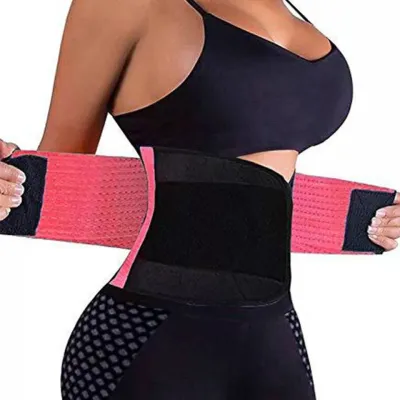
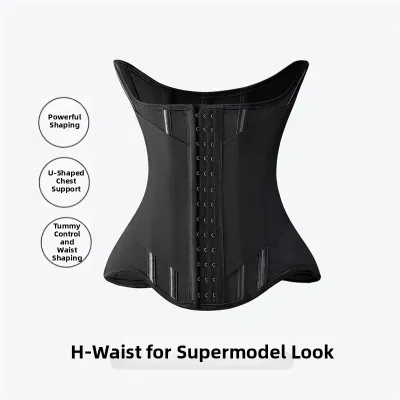
Prices are valid at publication and may change. Please refer to the product page for the latest price.

Lower Back Pain and Strain During pregnancy, your center of gravity shifts forward, pulling your pelvis out of its natural alignment. To compensate and keep you upright, your lower back muscles must work overtime, leading to constant fatigue, muscle tightness, and dull aches. Additionally, the hormone relaxin softens your ligaments, reducing joint stability in your spine and pelvis. A support band helps by gently lifting the abdomen, which redistributes the baby’s weight and eases the mechanical strain on your lumbar spine.
Pelvic Girdle Pain or Heaviness You might feel a deep, aching pressure in your pelvic area, especially around the pubic bone or sacroiliac joints. This sensation of pelvic heaviness often worsens after standing, walking, or climbing stairs. A support band provides upward lift, taking the direct downward pressure off your pelvic floor and pelvic joints. This gentle compression stabilizes the pelvis, allowing you to move with greater ease and less friction in the joints.
Round Ligament Pain This is characterized by sharp, sudden, brief pains in your lower abdomen or groin area. It often flares up when you change positions in bed, cough, laugh, or stand up quickly. The round ligaments stretch to support your growing uterus, and sudden movements can cause them to spasm. A support band stabilizes the abdomen, limiting the sudden stretching and shifting that triggers these sharp, uncomfortable twinges.
Abdominal Heaviness During Activity If you find yourself naturally holding your belly with your hands while walking, standing, or doing light household chores, your body is telling you it needs external support. This dragging sensation can make simple physical tasks feel exhausting, especially during long commutes or grocery trips.
To determine if a band is the right intervention, track when these symptoms occur. Note whether the discomfort is tied to physical activity—such as standing for more than twenty minutes—and if it subsides when you rest or lie down. If the strain is primarily activity-induced, a support band can offer the targeted relief you need during your active hours.
Red Flags: When to Skip the Band and Consult Your Doctor
While mild aches are a normal part of the pregnancy journey, some symptoms indicate issues that a support band cannot—and should not—address. Masking serious pain with a support garment can delay necessary medical attention and put you and your baby at risk.
You should never use a support band to cope with severe, constant, or worsening abdominal pain. Sharp or persistent pain in the stomach or pelvic region requires immediate medical assessment, as it could indicate conditions such as placental abruption or other pregnancy complications.
Be highly vigilant about accompanying symptoms. If you experience any vaginal bleeding, spotting, leaking of amniotic fluid, or rhythmic cramping and contractions, do not put on a support band. Rhythmic cramping can be a sign of preterm labor, and compressing the abdomen in these situations is unsafe.
Neurological symptoms also demand professional care. If you experience numbness, persistent tingling, or sharp, shooting pains traveling down your thighs or legs, you may have nerve compression, such as sciatica. While pelvic misalignment contributes to this, a support band might worsen the pressure if placed incorrectly. Stop using any support garments immediately and contact your healthcare provider if any of these warning signs appear.
Effective Alternatives to Belly Support Bands
If you decide a structured belly band is not the right fit for your lifestyle, or if you want to combine it with other comfort strategies, several effective alternatives exist.
Maternity Support Panties and Briefs These garments feature built-in, reinforced elastic panels that sit under the belly. They offer a milder, more discreet level of support compared to adjustable bands, making them ideal for daily wear under thin clothing. Because they fit like regular underwear, they do not slide, bunch up, or show visible lines, which is perfect for a seamless look.
Pregnancy Pillows Proper support during rest is just as important as support during active hours. Full-body or wedge-shaped pregnancy pillows help align your hips, back, and belly while you sleep on your side. Placing a small wedge pillow under your belly relieves the downward pull on your spine, preventing you from waking up with lower back stiffness.
Posture and Movement Adjustments Simple, mindful adjustments can significantly reduce physical strain. Practicing pregnancy-safe stretches, such as gentle pelvic tilts on hands and knees, can help strengthen your core and relieve lower back pressure. To perform a pelvic tilt, keep your spine neutral, then gently round your back upward while tucking your pelvis, holding for a few seconds before returning to neutral. Avoid standing for long periods without shifting your weight, and practice keeping your shoulders back and pelvis tucked.
Rest and Elevation Your body needs time to recover from the physical demands of carrying extra weight. Incorporate frequent, short rest breaks throughout your day, especially if your routine involves standing. Elevating your feet on a stool or cushion when sitting helps improve circulation, reducing the lower body swelling and fatigue that make abdominal heaviness feel worse.
Supportive Footwear The shoes you wear directly affect your spinal alignment. Avoid completely flat, unsupportive sandals or high heels, which can worsen lower back strain. Instead, opt for supportive, low-heeled shoes with good arch support and shock absorption to help maintain a stable posture and absorb the impact of walking on hard surfaces.
How to Choose and Wear a Maternity Support Band Safely
If you decide to purchase a belly support band, selecting the right design and using it correctly is essential for both comfort and safety.
Fabric and Climate Considerations In warm and humid tropical climates, choosing the right material is crucial. Look for bands made from breathable, lightweight, and moisture-wicking fabrics with mesh panels. This prevents heat rashes, skin irritation, and excessive sweating during daily commutes or outdoor activities. In the Philippines, prices for these supportive garments typically range from affordable basic bands starting around ₱300 to premium, multi-strap ergonomic support belts up to ₱1,800.
Proper Fit and Placement A support band should never squeeze or compress your abdomen. Instead, position it low on your hips, cradling and lifting your belly from underneath. It should feel snug and secure, like a gentle upward hug, without restricting your breathing or pressing directly onto your stomach. If you feel any restriction or discomfort, loosen the band immediately.
Usage Limits To maintain your core muscle strength, avoid wearing a support band all day. Limit your wear time to two to three hours at a time, or wear it only during periods of prolonged standing, walking, or physical activity. Overusing a band can cause your abdominal and back muscles to rely too heavily on the external support, potentially weakening them over time and making recovery more difficult postpartum.
Manufacturer Guidelines Always consult the manufacturer’s specific sizing guide, as pregnancy sizing can vary widely between brands. Measure your current hip and belly circumference rather than guessing based on your pre-pregnancy size. Additionally, check the care label for washing instructions to maintain the elastic integrity of the band, and read all safety warnings before your first use.
Frequently Asked Questions (FAQ)
Can wearing a belly support band hurt the baby?
When worn correctly, a belly support band will not hurt your baby. The band should sit low on your hips to lift the belly from underneath, rather than compressing the uterus directly. Avoid pulling the band too tight, and always follow the manufacturer’s guidelines to ensure safe, comfortable placement. If you feel any pressure on your upper abdomen, adjust the band lower.
When is the best time to start wearing a maternity support band?
Most women find a maternity support band most helpful during the second trimester, typically around week 20, as the belly begins to grow rapidly and ligaments soften. However, there is no fixed timeline; you can start wearing one whenever you begin to experience physical signs of back strain, pelvic pressure, or abdominal fatigue.

Community discussion
Share your experience or ask a question. Comments are reviewed before publication.