
Deciding whether to use a postpartum belly binder is one of the first choices you will face as you transition into life with your newborn. The direct answer is that a belly binder is not a strict medical necessity for every mother, but it serves as a highly effective comfort aid for many. Your need for one depends on your delivery experience, your physical comfort, and how much assistance your abdominal muscles require to feel stable during early movements.
Rather than viewing a binder as an essential cure-all, it is best understood as a temporary support system. It helps bridge the gap between giving birth and regaining your natural core strength. By assessing your daily comfort, your mobility, and your specific recovery path, you can make an informed decision that supports your body safely.
What a Postpartum Belly Binder Can and Cannot Do
A postpartum belly binder is designed to provide external compression to your abdominal wall and lower back. During pregnancy, your abdominal muscles stretch significantly, and your core loses much of its stabilizing power. Wearing a binder offers gentle, mechanical support that helps hold these tissues in place, making it easier to stand, walk, and care for your baby without feeling like your midsection is completely unsupported.
Products mentioned in this guide
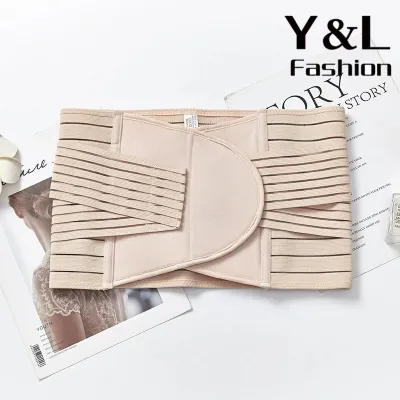
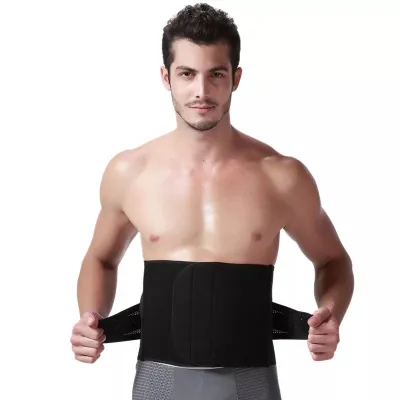
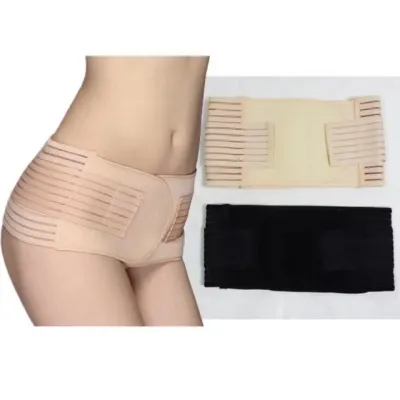
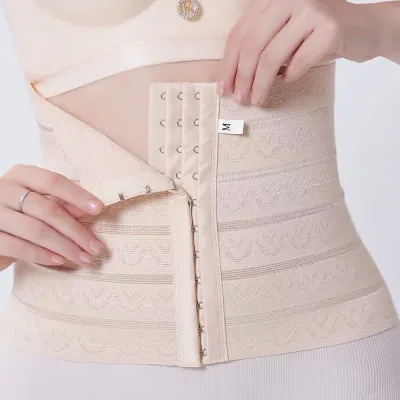
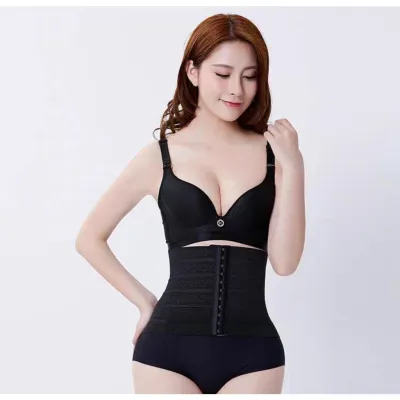
Prices are valid at publication and may change. Please refer to the product page for the latest price.
This compression can also help reduce swelling and provide a physical barrier of protection over your abdomen. For many mothers, this extra layer of stability reduces the sensation of internal movement or emptiness that often occurs immediately after delivery. It acts as a physical reminder to maintain better posture as you navigate your daily routine.
However, it is crucial to separate these physical benefits from common marketing myths. A belly binder does not actively burn fat, shrink your uterus faster, or permanently alter your waist size. The reduction in waist measurements seen while wearing a binder is temporary and due to compression, not actual weight loss. Your uterus naturally contracts on its own over several weeks, a process driven by hormones rather than external pressure.
Relying too heavily on a binder can also have drawbacks if you expect it to do all the work. It is an aid to assist your recovery, not a replacement for rebuilding your core strength through gradual, safe movement. Understanding these limitations ensures you use the binder as a supportive tool rather than a quick fix for body shaping.
Self-Assessment Checklist: Signs You Might Benefit from Support
To determine if a belly binder is right for your recovery, start by observing how your body feels during basic daily activities. If you experience persistent lower back fatigue or a dull ache after standing for just a few minutes, your core muscles may be struggling to support your posture. A feeling of abdominal heaviness or a sensation that your internal organs are shifting when you stand up is another common sign that external support could offer relief.

Your delivery method plays a major role in this assessment. If you had a cesarean section, a binder can be particularly beneficial. It provides a protective shield over your healing incision, reducing the painful friction caused by your clothing. The gentle pressure can also make coughing, sneezing, or laughing much more tolerable by stabilizing the abdominal wall around the surgical site.
For those who had a vaginal delivery, the need for a binder often depends on the degree of abdominal separation, known as diastasis recti. If you feel a noticeable gap or a lack of tension in your midline when you try to sit up, a binder can help keep the muscles aligned. This alignment makes it easier to engage your core gently without straining the healing tissues.
Pay close attention to how your body responds to light movement around your home. If you find yourself holding your stomach for support when walking from room to room, or if getting out of bed feels physically exhausting, a binder may give you the temporary stability needed to move more freely. If you can move comfortably without these sensations, you may not need a binder at all.
When to Skip the Binder and Seek Professional Care
While belly binders offer excellent support for many, they are not suitable for everyone and can sometimes worsen certain postpartum complications. Your pelvic floor undergoes immense strain during pregnancy and delivery, and improper use of a binder can negatively impact this delicate area. If you experience signs of pelvic floor weakness, such as a feeling of heaviness or bulging in your pelvis, urinary incontinence, or pain during movement, you should avoid using a binder.
The mechanical danger of a binder lies in how it distributes pressure. When you wrap your abdomen tightly, that compression has to go somewhere. If the binder is too tight or wrapped from the top down, it forces abdominal pressure downward onto your healing pelvic floor. This increased downward pressure can delay the recovery of your pelvic muscles and potentially contribute to or worsen pelvic organ prolapse.
You should also skip using a binder if you have any signs of localized infection, especially around a cesarean incision. Symptoms such as redness, warmth, oozing, or increased pain around your stitches require immediate medical attention rather than compression. Placing a tight, non-breathable band over an active infection can trap moisture and worsen the condition.
If you are unsure whether a binder is safe for your body, or if you experience any discomfort, pain, or pelvic pressure while wearing one, stop using it immediately. Consult a qualified healthcare professional, such as your obstetrician or a pelvic floor physical therapist. They can evaluate your physical recovery and provide personalized guidance on whether abdominal support is appropriate for your specific healing process.
How to Choose and Wear a Binder Safely
If your self-assessment suggests that a belly binder would be helpful, selecting the right product is essential for your comfort and safety. In warm and humid tropical climates, breathability is a primary consideration. Look for binders made from lightweight, porous fabrics that allow air circulation to prevent heat rashes, skin irritation, and excessive sweating around your healing skin or incision.
Adjustability is another critical feature to verify on product labels and manufacturer instructions. Avoid rigid, corset-style garments that rely on stiff boning or non-yielding fabrics. Instead, choose a binder with adjustable closures, such as wide hook-and-loop fasteners, which allow you to customize the level of compression as your body changes shape and your swelling subsides.
When putting on the binder, always wrap it from the bottom up. Start at your hips and secure it upward toward your waist to help support your pelvic floor rather than pushing pressure downward. The fit should feel like a firm, supportive hug—never tight enough to restrict your breathing, dig into your skin, or cause pain. You should be able to take deep, comfortable breaths and sit down easily while wearing it.
Monitor your body closely for any adverse reactions while using the binder. If you experience numbness in your legs, skin redness that does not fade, or an increased sensation of pelvic heaviness, remove the binder immediately. Limit your wear time to a few hours a day during active periods, and avoid relying on it continuously so your core muscles still have the opportunity to engage and rebuild their natural strength.
Frequently Asked Questions (FAQ)
How soon after giving birth can I start wearing a belly binder?
You should always obtain explicit medical clearance from your healthcare provider before you start wearing a belly binder. For a vaginal delivery, some mothers may be cleared to wear a gentle support band within the first few days postpartum if they feel they need the stability. Following a cesarean section, your doctor may advise waiting until your incision has closed and any initial surgical swelling has subsided, which often takes a few weeks, to prevent irritation or infection at the wound site.
Can I wear a belly binder while sleeping or exercising?
It is generally not recommended to wear a belly binder while sleeping or during structured exercise. When you sleep, your body needs to breathe naturally and circulate blood freely without any external restriction, and wearing a binder overnight can lead to skin irritation or excessive pelvic pressure. During exercise, your core and pelvic floor muscles must learn to contract and support your body naturally; relying on a binder during workouts can prevent these muscles from strengthening properly and may mask poor movement form.

Community discussion
Share your experience or ask a question. Comments are reviewed before publication.