
Choosing between disposable and reusable nursing pads depends on your daily milk leakage volume, lifestyle, budget, and skin sensitivity. For many mothers in the Philippines, managing milk leakage requires balancing the intense humidity of a tropical climate with the practical demands of daily life, whether you are staying at home or returning to an office. Disposable pads offer unmatched convenience and high absorbency, making them excellent for busy days and heavy initial postpartum flow. Reusable pads, on the other hand, provide a softer, highly breathable alternative that saves money over time and reduces environmental waste.
Assessing Your Milk Leakage and Daily Routine
Before purchasing any nursing pads, it is essential to understand your body’s unique lactation patterns. During the first few weeks postpartum, your milk supply is still regulating, which often results in sudden let-downs and heavy, unpredictable leakage. As your breastfeeding journey progresses, your supply typically stabilizes, and you may experience only light to moderate leaking, or none at all.
Your daily environment also plays a critical role in your choice. If you spend most of your day at home, managing a washing routine is relatively straightforward. However, if you are returning to a professional workplace, traveling, or running errands in hot, humid weather, you need a solution that remains discreet, comfortable, and easy to manage on the go.
Products mentioned in this guide
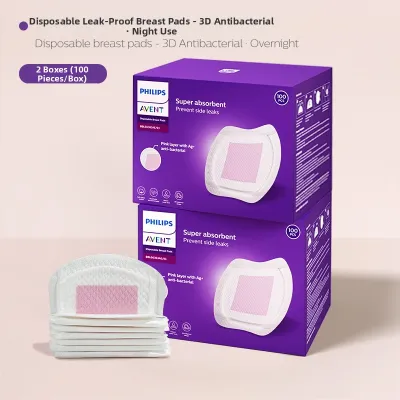
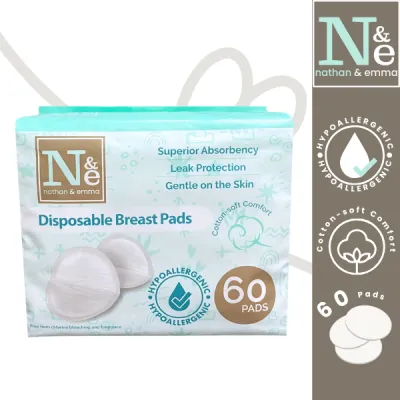
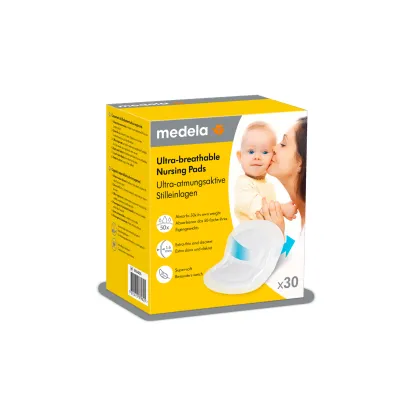
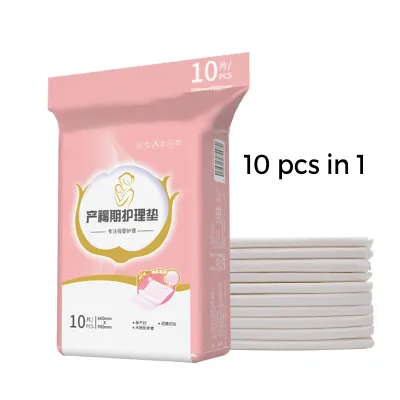
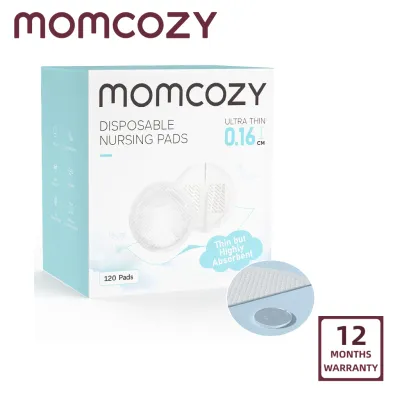
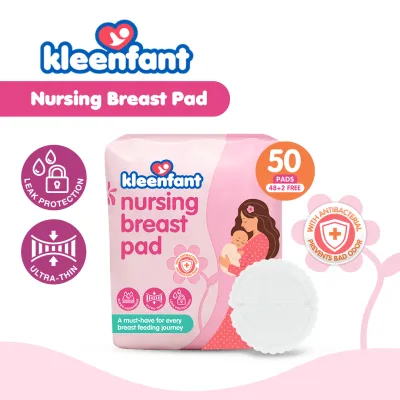
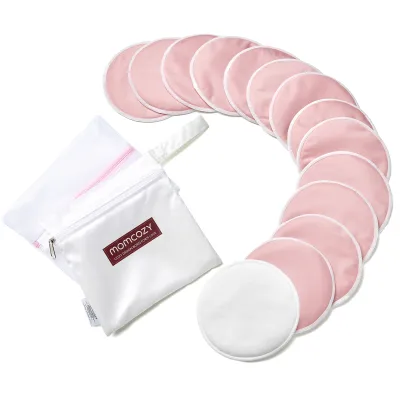
Prices are valid at publication and may change. Please refer to the product page for the latest price.
Skin sensitivity is another vital factor to consider. The friction of damp fabric against sensitive nipple skin can cause irritation, especially in tropical climates where sweat and moisture accumulate quickly. If you have a history of contact dermatitis or highly sensitive skin, the material composition of your nursing pads will be just as important as their absorbency.
Disposable Nursing Pads: Convenience and Upfront Costs
Disposable nursing pads are designed for single-use convenience, making them a popular choice for the chaotic early weeks of motherhood. Because they require zero maintenance, you can simply peel off the adhesive backing, secure them to your nursing bra, and discard them once they are wet. This plug-and-play nature is incredibly helpful when traveling, commuting, or navigating a busy workday where washing laundry is not an option.

However, this convenience comes with an ongoing financial commitment. While a single box of disposable pads might seem affordable, the cumulative recurring costs in ₱ can add up significantly over several months of breastfeeding. If you are changing your pads five to six times a day to maintain hygiene, you may find yourself spending thousands of pesos over the course of your breastfeeding journey.
Environmental impact and breathability are additional drawbacks to consider. Disposable pads are typically made with synthetic materials and plastic waterproof backings to lock in moisture. In a warm, humid climate, these synthetic layers can trap heat and sweat against your skin, leading to discomfort and potential irritation. Furthermore, because they are single-use, they contribute directly to household waste and landfill accumulation.
Reusable Nursing Pads: Long-Term Value and Care Requirements
Reusable nursing pads offer an eco-friendly and cost-effective alternative for mothers looking to minimize both waste and long-term expenses. By investing in a sufficient rotation set—typically six to eight pairs—you pay a one-time upfront cost and eliminate the need for recurring purchases. Over several months, this choice can save you a substantial amount of ₱, freeing up your budget for other essential baby supplies.
The primary trade-off with washable pads is the required care routine. To maintain proper hygiene and prevent the growth of bacteria or mold, reusable pads must be cared for diligently. This involves prompt rinsing after use, washing them with a gentle, fragrance-free detergent, and ensuring they are completely dry before wearing them again. In highly humid tropical environments, thorough drying is especially critical, as damp fabrics left in poorly ventilated spaces can easily develop musty odors or harbor microbes.
Despite the extra laundry, many mothers prefer the physical feel of reusable pads. They are typically crafted from natural, breathable fibers such as organic cotton, bamboo, or hemp. These fabrics feel much softer against tender skin and allow for better air circulation. However, because natural fibers do not contain superabsorbent polymer gels, they may require more frequent changing during periods of heavy leakage to prevent wetness from transferring to your clothing.
Side-by-Side Comparison of Key Features
To make an informed decision, it helps to compare how these two options perform across key functional areas. Absorbency is the most critical factor for many. Disposable pads often feature advanced polymer cores that turn liquid into gel, allowing them to hold a significant volume of milk while keeping the surface dry. Reusable pads rely on multi-layer fabric construction; while highly absorbent, they can feel damp once saturated and must be changed promptly to protect the skin.
Discretion under clothing is another important consideration. Disposable pads are usually very thin and contoured, often featuring adhesive strips to keep them securely in place inside your bra. Some synthetic disposables, however, can make a slight rustling noise when you move. Reusable pads are generally thicker, which can make them slightly more visible under tight or thin garments, though they are completely silent and mold naturally to your body shape over time.
Skin comfort and breathability differ significantly between the two. The natural fibers of reusable pads are exceptionally gentle on sensitive skin and allow heat to escape, which is a major advantage in warm weather. Disposables, while highly effective at locking away moisture, can sometimes cause friction or trap heat due to their synthetic outer layers.
| Feature | Disposable Nursing Pads | Reusable Nursing Pads |
|---|---|---|
| Absorbency Mechanism | Superabsorbent polymer gel core | Multi-layer natural fabric (cotton/bamboo) |
| Discretion & Fit | Very thin, contoured, adhesive strips | Thicker, seamless, molds to body shape |
| Skin Comfort | Can feel dry but may trap heat/cause friction | Extremely soft, highly breathable, gentle |
| Maintenance | None (single-use and discard) | Requires prompt washing and thorough drying |
| Long-Term Cost | High recurring expenses in ₱ | Low one-time upfront investment |
| Best Suited For | Travel, work, heavy initial leakage | Daily home use, sensitive skin, eco-conscious |
Making Your Final Decision: Which Nursing Pad to Buy
Choosing the right nursing pad is not necessarily an all-or-nothing decision. You should choose disposable nursing pads if your primary priority is maximum convenience, if you are experiencing very heavy leakage that requires advanced polymer absorption, or if you are frequently in situations—such as traveling or working long shifts—where washing and drying fabric pads is impractical.
Conversely, you should choose reusable nursing pads if you want to maximize your long-term budget savings, prefer an eco-friendly lifestyle that minimizes household waste, and have a reliable daily washing and drying routine. They are also the ideal choice if you have highly sensitive skin that reacts poorly to synthetic materials.
Many mothers find that a hybrid approach offers the best of both worlds. You can use soft, breathable reusable pads while relaxing at home or during periods of light leakage, and keep a stash of highly absorbent disposable pads in your diaper bag for outings, travel, or heavy overnight let-downs. This flexible strategy allows you to enjoy the comfort of natural fabrics without sacrificing the convenience of single-use options when you need them most.
Before finalizing your purchase, always check the manufacturer’s product labels for material safety, specific washing instructions, and sizing guidelines. Ensuring a proper fit and following the recommended care guidelines will help protect your skin health and keep you comfortable throughout your breastfeeding journey. If you experience persistent skin irritation, redness, or pain, stop using the pads and consult a healthcare professional or a lactation consultant for personalized guidance.
Frequently Asked Questions (FAQ)
How often should I change my nursing pad?
As a general rule, you should change your nursing pad every few hours, or immediately whenever it feels damp or wet. Leaving a wet pad against your skin for extended periods can lead to skin breakdown, nipple soreness, and bacterial growth. The exact frequency will depend on your individual milk leakage volume and the absorbency capacity of the pad you are using. During the early weeks of breastfeeding when leakage is typically heavier, you may need to change your pads more frequently than you will later in your journey.
Can I use nursing pads while sleeping?
Yes, you can safely wear nursing pads while sleeping to protect your clothing and bedding from unexpected overnight let-downs. Because you will be wearing them for a longer, uninterrupted period, it is best to choose highly absorbent options or pads specifically designed for overnight use. To maintain optimal skin health and hygiene, make sure to put on a fresh, dry pair of pads right before you go to sleep, and change them immediately upon waking up.
Do nursing pads cause mastitis or thrush?
Nursing pads themselves do not directly cause mastitis or thrush, but improper use can create conditions that increase your risk. Wearing damp or saturated pads for prolonged periods creates a warm, dark, and moist environment, which is ideal for fungal or bacterial growth. To help prevent these issues, change your pads frequently, practice good breast hygiene, and allow your skin to air dry completely whenever possible. If you develop symptoms like intense nipple pain, burning, or localized breast warmth and redness, consult a qualified healthcare professional promptly.

Community discussion
Share your experience or ask a question. Comments are reviewed before publication.