
Breast milk leakage is a natural, common part of the breastfeeding journey, often catching new mothers by surprise during the first few weeks postpartum. Managing this leakage comfortably requires choosing the right breast pads to protect your clothing and keep your skin dry. There is no single “best” breast pad that works for everyone; the ideal choice depends entirely on whether you prioritize long-term financial savings and eco-friendliness (reusable pads) or maximum convenience and zero laundry (disposable pads).
In a tropical climate where heat and humidity are daily factors, your choice also impacts skin comfort and hygiene. High humidity can make certain materials feel warmer against the skin, while also affecting how quickly washable options dry after laundering. By evaluating your daily routine, budget, and comfort preferences, you can find a solution—or a combination of both types—that seamlessly fits your lifestyle.
The Core Differences Between Reusable and Disposable Breast Pads
Understanding the structural and material differences between reusable and disposable breast pads is the first step in making an informed decision. Reusable breast pads, also known as washable pads, are fabric-based discs designed to be washed and worn repeatedly. They are typically constructed from multiple layers of natural or synthetic fibers, such as bamboo, organic cotton, or microfiber, often finished with a laminated polyester outer layer to help prevent leaks from reaching your clothes. These materials are chosen for their softness and ability to absorb moisture while remaining breathable inside a standard nursing bra.
Products mentioned in this guide
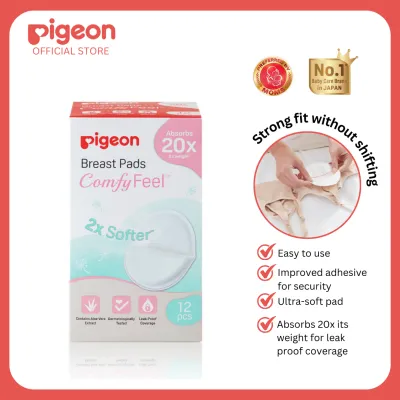
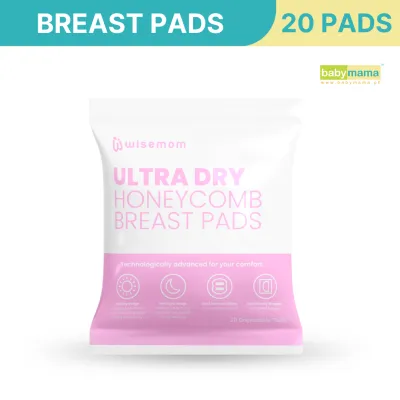
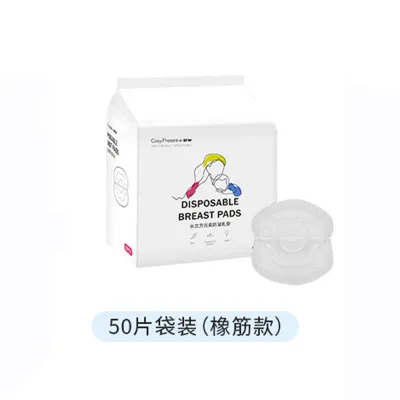
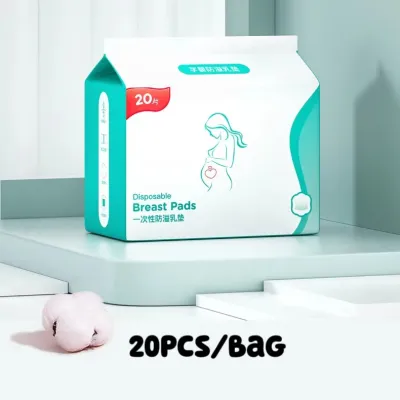
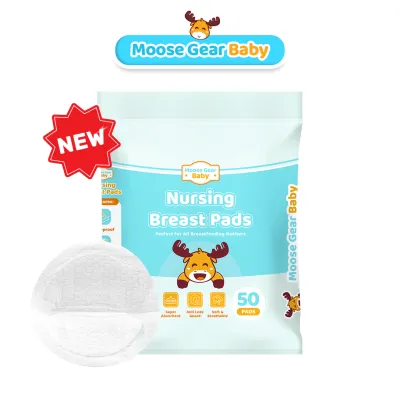
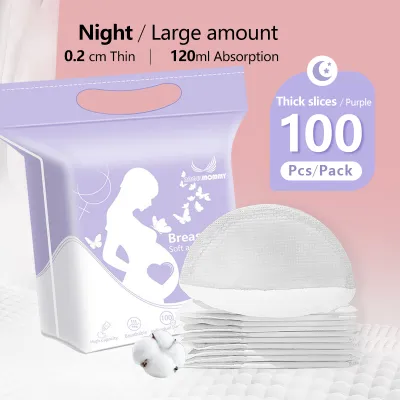
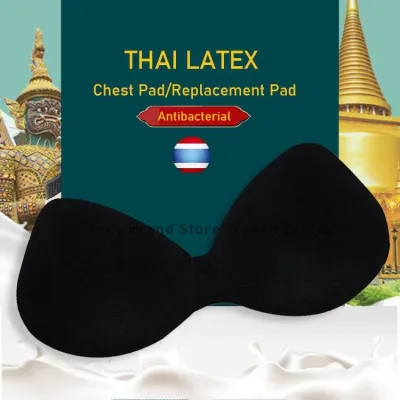
Prices are valid at publication and may change. Please refer to the product page for the latest price.
Disposable breast pads, on the other hand, are single-use products designed to be discarded after each wear. They utilize an absorbent polymer core—similar to the technology found in disposable diapers—sandwiched between a soft non-woven top sheet and a waterproof backing. Most disposable options feature adhesive strips on the back to secure the pad directly to the inside of your bra, preventing shifting during movement. While reusables rely on the natural density of fabric layers to hold liquid, disposables turn liquid into a gel, allowing for an ultra-thin profile.
Evaluating Reusable Breast Pads: Comfort, Care, and Long-Term Value
Reusable breast pads are highly valued by mothers who prefer natural materials against their skin. The soft, breathable texture of brushed cotton or bamboo rayon offers exceptional comfort, particularly for sensitive or sore nipples during the early days of breastfeeding. In warm, tropical environments, the breathability of natural fabrics can significantly reduce the feeling of sweat and heat buildup inside your bra, making them a highly comfortable option for daily wear at home.

However, choosing reusable pads means committing to a consistent laundry routine. To maintain proper hygiene and prevent the growth of mold or mildew—a common challenge in humid climates—washable pads must be rinsed, washed, and dried completely before their next use. During the rainy season, when outdoor line-drying is slow, you may need to rely on an indoor dryer or purchase a larger supply of pads to ensure you always have a dry pair ready.
From a financial perspective, reusable pads offer substantial long-term savings. Although the upfront cost for a set of high-quality washable pads is higher than a single box of disposables, they can be washed and reused hundreds of times. This one-time investment of several hundred pesos (₱) eliminates the need to add recurring breast pad purchases to your monthly baby budget.
One trade-off to consider is their physical profile. Because they rely on layered fabric for absorbency, reusable pads tend to be slightly thicker and more structured than their disposable counterparts. Under thin, tight, or unpadded clothing, the circular outline of a reusable pad may be visible, which some mothers find less discreet when going out or returning to professional work environments.
Evaluating Disposable Breast Pads: Convenience, Hygiene, and Upfront Cost
Disposable breast pads excel in convenience, making them a popular choice for busy lifestyles, travel, and the transition back to the workplace. Because they are individually wrapped, they are easy to slip into a diaper bag, purse, or office drawer, allowing you to change them quickly on the go without needing to carry wet, used pads back home. For mothers experiencing a heavy milk let-down or an abundant supply in the early weeks, the high-absorbency polymer core of disposables efficiently locks away moisture, keeping the skin dry for extended periods.
The design of disposable pads is typically ultra-thin and contoured, allowing them to conform closely to the breast. This low-profile shape, combined with adhesive strips that keep the pad firmly anchored inside your bra, makes them virtually invisible under most clothing styles. This discreetness provides peace of mind when wearing professional attire or lighter fabrics in warm weather.
Despite these benefits, the recurring cost of disposable pads can accumulate significantly over several months or years of breastfeeding. A single box may seem affordable upfront, but continuously purchasing replacements represents an ongoing expense that can easily surpass the cost of a reusable set over time.
Additionally, the environmental impact of single-use products is a major consideration for many modern families. Disposable pads contribute directly to household waste and landfill accumulation, as the plastic backings and polymer cores do not biodegrade easily. For eco-conscious parents, this daily waste can be a significant drawback to an otherwise highly convenient product.
Side-by-Side Comparison: Which Pad Wins on Key Metrics?
To help you weigh these factors, the table below compares reusable and disposable breast pads across the most critical decision-making dimensions.
| Metric | Reusable Breast Pads | Disposable Breast Pads |
|---|---|---|
| Upfront Cost | Higher initial investment (₱) | Lower initial cost per pack |
| Long-Term Cost | Highly economical; one-time purchase | Expensive over months of continuous use |
| Absorbency Capacity | Moderate to high (depends on fabric layers) | Very high (polymer core locks liquid into gel) |
| Discreetness | Can be bulky or visible under thin clothing | Ultra-thin, contoured, and virtually invisible |
| Eco-Friendliness | High; washable and generates minimal waste | Low; single-use plastic and polymer waste |
| Maintenance Effort | High; requires regular washing and thorough drying | Zero; simply discard after use |
When interpreting these metrics, consider your daily environment and personal priorities. If minimizing laundry and maintaining a seamless, invisible look under professional clothing are your primary goals, disposable pads offer a clear advantage. Conversely, if you are focused on reducing household waste and maximizing your long-term savings, the initial effort of washing reusable pads is highly rewarded.
Decision Framework: How to Choose Based on Your Lifestyle
Choosing the right breast pad does not have to be an all-or-nothing decision. Many mothers find that a structured framework helps them select the option—or combination—that best aligns with their daily activities.
Choose Reusable Breast Pads If:
- You spend most of your time at home: Having easy access to a washing machine makes managing the laundry routine simple and stress-free.
- You want to maximize long-term savings: You prefer to pay a one-time upfront cost in pesos (₱) rather than adding a recurring line item to your monthly shopping list.
- You have highly sensitive skin: Natural fibers like organic cotton or bamboo are gentler on easily irritated skin than synthetic disposable liners.
- You prioritize eco-friendly living: You want to minimize your family's environmental footprint by reducing single-use plastic waste.
Choose Disposable Breast Pads If:
- You are returning to the office or travel frequently: The ability to change and discard pads on the go without carrying damp laundry is highly practical.
- You wear thin or form-fitting clothing: You require a completely flat, contoured profile that remains hidden under professional or lightweight attire.
- You experience very heavy leaking or let-down: The advanced polymer core provides reliable protection against sudden, heavy flows that might saturate fabric pads quickly.
- Your daily schedule is highly demanding: You prefer to eliminate extra laundry tasks to focus your energy on your baby and self-care.
The "Mix and Match" Strategy
You do not have to limit yourself to just one type. A highly practical approach is to use reusable pads while relaxing at home, where comfort is your top priority and changing them frequently is easy. When heading out for errands, social events, or work, you can switch to disposable pads for their discreet profile and grab-and-go convenience. This hybrid method allows you to enjoy the cost savings of washables while retaining the convenience of disposables when you need it most.
Hygiene, Skin Sensitivity, and Maintenance Best Practices
Regardless of which breast pad type you choose, maintaining strict hygiene is essential for protecting your skin and supporting a healthy breastfeeding experience. Warm, moist environments inside a nursing bra can encourage the growth of bacteria and yeast, which may lead to painful conditions such as nipple thrush or mastitis. To minimize these risks, always change your breast pads as soon as they feel damp or saturated, rather than waiting for them to reach full capacity.
When caring for reusable breast pads, always refer to the manufacturer’s specific care instructions. Generally, it is best to wash them in warm water with a gentle, fragrance-free detergent to prevent skin irritation. Avoid using fabric softeners, as these can leave a residue on the fibers that significantly reduces the pad’s absorbency over time. Ensure the pads are completely dry before storing or wearing them; in humid tropical climates, utilizing an indoor dryer or placing them in a well-ventilated, sunny area is crucial to prevent musty odors and mold growth.
For disposable breast pads, ensure they are stored in a clean, dry place before use to maintain their hygiene. When discarding used pads, wrap them securely and place them in a waste bin; never attempt to flush them down the toilet, as the plastic backing and absorbent polymers will cause plumbing blockages. If you experience persistent skin redness, itching, or burning sensations while using either type of pad, discontinue use of that specific material and consult a healthcare professional for guidance.
Frequently Asked Questions (FAQ)
Can I use regular cotton rounds or panty liners as breast pads?
While it may be tempting to use cosmetic cotton rounds or cut-up panty liners as a quick fix, they are not recommended for managing breast milk leakage. Specialized breast pads are specifically contoured to fit the natural shape of the breast, ensuring they stay in place and provide even coverage. Cosmetic rounds lack the necessary absorbency and can quickly become soggy, while panty liners often feature strong adhesives that can damage delicate nursing bras or irritate the sensitive skin of the breast. Additionally, non-specialized products may contain fragrances or synthetic materials not intended for contact with areas where your baby feeds.
How many breast pads do I actually need to buy before the baby arrives?
Because your milk supply and leakage volume are highly unpredictable before birth, it is best to start with a modest inventory. Purchasing a small starter pack of disposable pads and two to three pairs of reusable pads is generally sufficient for the first week postpartum. This allows you to test both materials and assess your actual leakage levels without overspending. Once your milk supply establishes and you understand your daily routine, you can confidently purchase a larger quantity of the specific type that best fits your lifestyle and comfort preferences.
Community discussion
Share your experience or ask a question. Comments are reviewed before publication.