
Choosing between disposable and reusable nursing breast pads is one of the practical decisions you will make during your breastfeeding journey. The right choice depends on your postpartum stage, daily routine, and how your body adapts to milk production. There is no single option that works perfectly for every mother at all times. Instead, the most effective approach is one that matches your lifestyle, budget, and comfort requirements.
Disposable pads offer unmatched convenience, making them excellent for busy days, travel, or the unpredictable early weeks of breastfeeding. Reusable pads, on the other hand, provide a softer, more breathable texture that is gentle on sensitive skin while offering long-term financial savings. Many mothers find that a hybrid strategy—using both types depending on the situation—provides the best balance of convenience, comfort, and cost-effectiveness.
Assessing Your Leakage Volume and Daily Routine
During the first few weeks postpartum, your body is still adjusting to your baby’s feeding demands. This period often brings heavy, sudden, and unpredictable milk leakage, sometimes triggered simply by hearing your baby cry or during a let-down on the opposite side while nursing. As your milk supply regulates over the subsequent months, leakage typically becomes lighter and more predictable, often occurring only during specific times of the day or during direct feeding sessions.
Products mentioned in this guide
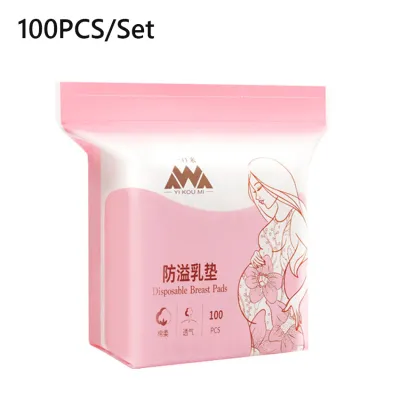
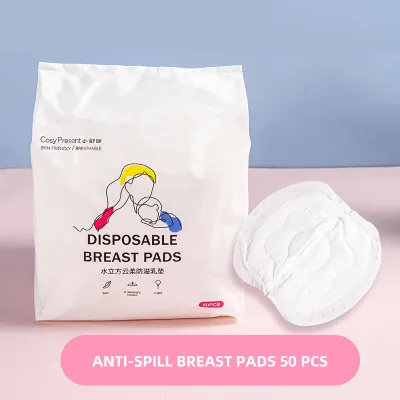
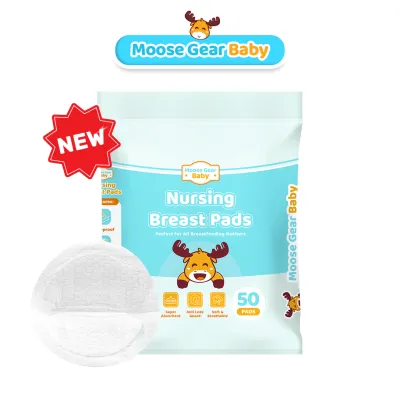
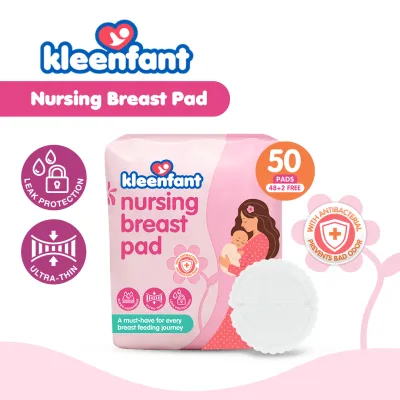
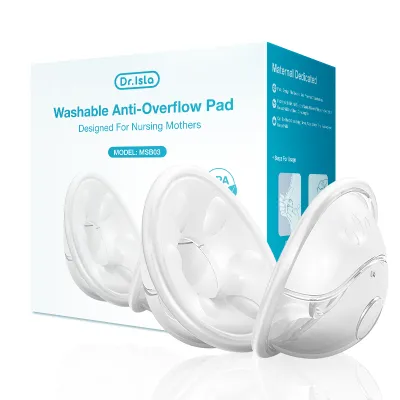
Prices are valid at publication and may change. Please refer to the product page for the latest price.
Your daily environment plays a significant role in determining which pad type is most suitable. If you commute to work, run errands, or spend long hours outside the home, managing wet pads becomes a logistical challenge. In warm, humid tropical climates, trapped moisture can quickly lead to skin irritation, chafing, or even localized fungal infections like thrush. Breathability is not just a comfort feature; it is a necessity for maintaining healthy skin barrier function.
Skin sensitivity is another critical factor to evaluate. The friction of damp fabric against tender, healing nipples can cause significant discomfort. If you are prone to eczema, contact dermatitis, or general skin sensitivity, the materials resting directly against your skin must be selected with care. Evaluating how often you can realistically change your pads throughout the day will help you decide whether a quick-toss disposable or a washable fabric pad fits better into your daily rhythm.
Disposable Nursing Pads: Ideal for Convenience and Travel
Disposable nursing pads are designed for single-use convenience, making them highly practical for the chaotic early weeks of motherhood. Because they require zero washing, they save valuable time and energy when you are already managing a demanding newborn schedule. They are particularly useful for packing in your hospital bag, taking to work, or keeping in your diaper bag for quick changes while on the go. Once a pad becomes damp, you simply peel it off, discard it, and replace it with a fresh one.

When shopping for disposable options, it is important to look beyond basic packaging claims and verify specific structural features. Check the product label for a breathable outer backing layer that allows air circulation while preventing moisture from seeping onto your clothing. Look for contoured or contoured-cup designs rather than completely flat discs, as contoured shapes conform better to the natural curve of your breast and prevent bunching under your bra. Additionally, prioritize fragrance-free and hypoallergenic labels to minimize the risk of skin reactions on sensitive breast tissue.
Despite their convenience, disposable pads come with notable trade-offs. They represent an ongoing, recurring expense that accumulates over your breastfeeding journey, especially during the high-leakage phases when you may go through multiple pairs a day. There is also the environmental consideration of generating daily non-biodegradable waste. For some mothers, the synthetic top sheets of certain disposable brands can feel scratchy or cause a sweaty sensation in hot weather, making careful product selection essential.
Reusable Nursing Pads: Ideal for Home Use and Long-Term Savings
Reusable nursing pads are washable, fabric-based discs designed to be worn, laundered, and used repeatedly. Their primary appeal lies in their exceptional softness and comfort. Made from gentle fabrics, they feel much more like regular clothing against sensitive skin, reducing the friction and irritation that can occur with synthetic disposable liners. For mothers spending most of their time at home, reusable pads offer a cozy, reliable barrier against leaks.
When choosing reusable pads, the material composition is the most critical factor to inspect. Look for pads that feature natural fibers for the skin-contact layer, such as organic cotton or bamboo viscose. Bamboo is highly regarded for its soft texture and natural moisture-wicking properties, which help keep the skin dry. Beneath this soft top layer, the pad should contain a highly absorbent core—often made of microfiber or cotton—and a waterproof outer layer, typically made of polyurethane laminate (PUL), to prevent wetness from leaking through to your clothes.
While reusable pads require a higher upfront investment in ₱, they deliver substantial long-term savings over months of continuous use. However, they do require a consistent care routine to maintain hygiene and longevity. You must rinse wet pads promptly to prevent milk proteins from setting, wash them according to the manufacturer’s instructions using a gentle, fragrance-free detergent, and ensure they dry completely. In humid climates, thorough drying is crucial; line-drying in direct sunlight or using a dryer on a low setting helps prevent the growth of mildew and bacteria within the inner layers.
Feature Comparison: What to Check on the Product Label
To make an informed decision, it is helpful to compare the physical characteristics and practical realities of both pad types side by side. Rather than relying on vague marketing terms like “maximum protection” or “all-day dry,” look at the actual construction, materials, and care requirements of the products you are considering.
| Feature | Disposable Pads | Reusable Pads |
|---|---|---|
| Upfront Cost | Low initial cost per pack | Higher initial purchase price in ₱ |
| Long-Term Value | High ongoing cost over time | Excellent long-term savings |
| Convenience | High; discard after use, no washing | Moderate; requires regular laundering |
| Washing Requirement | None; single-use | Must be washed and dried thoroughly |
| Ideal Use Scenario | Travel, work, and heavy early leakage | Home wear, sensitive skin, and light leaks |
When evaluating disposable pads, check for the presence of double adhesive strips on the back, which keep the pad securely anchored inside your nursing bra and prevent it from shifting as you move. For reusable pads, inspect the edge stitching; high-quality overlocked or sealed edges prevent fraying during repeated wash cycles. Additionally, pay attention to the thickness of the pad. Some reusable options can be bulky under fitted clothing, so you may want to select thinner, contoured fabric pads for daytime outings and thicker, more absorbent ones for overnight use.
Building a Practical Breast Pad Stash for Your Postpartum Kit
A hybrid approach is often the most realistic and stress-free strategy for managing postpartum leakage. By combining both disposable and reusable pads, you can leverage the unique benefits of each type at different stages of your day and breastfeeding journey. For example, keeping a box of disposables on hand for outings, medical checkups, and travel ensures you are never caught unprepared, while relying on reusables at home keeps your skin comfortable and your long-term expenses low.
To build a practical stash, start by calculating your initial needs based on your expected laundry routine. If you plan to wash laundry every two to three days, a stash of 8 to 12 pairs (16 to 24 individual pads) of reusable pads is generally sufficient to ensure you always have a clean, dry pair available while others are in the wash. Combine this with a single medium-sized box of disposable pads (around 40 to 60 count) to cover your hospital stay and the first two weeks of unpredictable, heavy leakage.
Before committing to bulk purchases of any specific brand or material, it is highly recommended to buy a small trial pack first. This allows you to test how the pad fits your unique breast shape, how well the adhesive or fabric grips your favorite nursing bras, and whether the material causes any skin sensitivity. Every mother’s body and lifestyle are different, and a small initial test will prevent you from spending money on a large quantity of pads that may not suit your personal comfort preferences.
Frequently Asked Questions (FAQ)
How often should I change my nursing breast pad?
You should change your nursing breast pad as soon as it begins to feel damp, heavy, or saturated. Leaving a wet pad against your skin for extended periods creates a warm, moist environment that encourages bacterial growth and skin breakdown, which can lead to sore nipples or infections. It is a good habit to check your pad after every feeding or pumping session and replace it if necessary. As your milk supply regulates and your body adapts over the postpartum months, you will naturally find that you need to change your pads less frequently.
Can I use regular sanitary pads or cotton rounds instead of nursing pads?
It is highly recommended to use products specifically designed and labeled for nursing rather than sanitary pads or standard cosmetic cotton rounds. Sanitary pads are engineered to absorb fluids of a completely different viscosity and often contain adhesive backings or synthetic top sheets that are too harsh for sensitive breast tissue, potentially causing friction, chafing, or skin irritation. Cosmetic cotton rounds lack the contoured shape needed to fit smoothly inside a bra and do not have a waterproof outer barrier, meaning milk will quickly soak through to your clothing. Using dedicated nursing pads ensures proper fit, safe materials, and reliable leak protection.

Community discussion
Share your experience or ask a question. Comments are reviewed before publication.