
Choosing between disposable and reusable breast pads is a highly personal decision that directly impacts your daily comfort, budget, and breastfeeding experience. There is no single option that works perfectly for every mother, as your body’s milk production naturally fluctuates throughout your postpartum journey. By evaluating how each type manages moisture, fits into your schedule, and feels against your skin, you can build a practical setup that keeps you dry and confident.
Breast pads, also known as nursing pads, serve a vital role in preventing milk leaks from soaking through your clothing. This leakage is a normal physiological response, often triggered by the letdown reflex when you hear your baby cry, when you go slightly longer between feeds, or even during nursing on the opposite breast. Managing this moisture effectively is not just about protecting your wardrobe; it is also essential for maintaining healthy skin and preventing irritation.
Identifying Your Leakage Volume and Lifestyle Needs
To choose the right breast pads, you must first assess your typical leakage volume, which generally changes over time. During the early postpartum weeks, your body is still adjusting its milk supply, often resulting in heavy, unpredictable leaking and engorgement. As your supply regulates—usually around six to twelve weeks postpartum—you may find that leaking tapers off to a moderate or light volume, occurring only during active letdowns or overnight.
Products mentioned in this guide
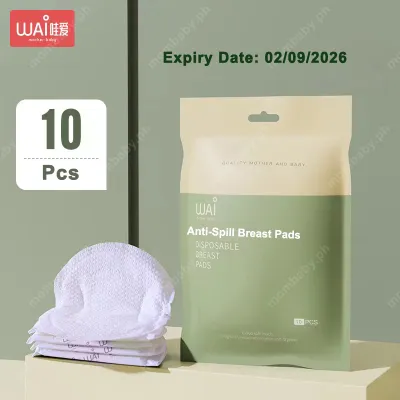
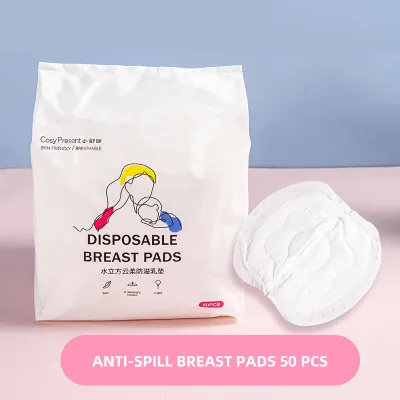
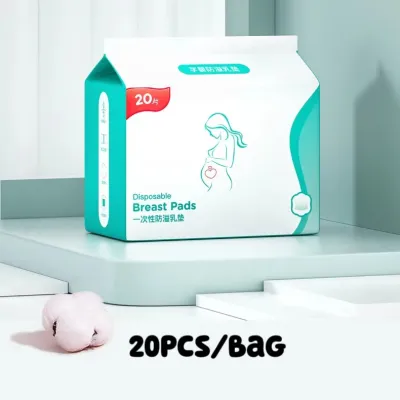
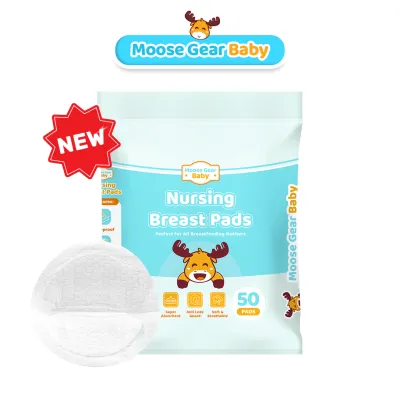
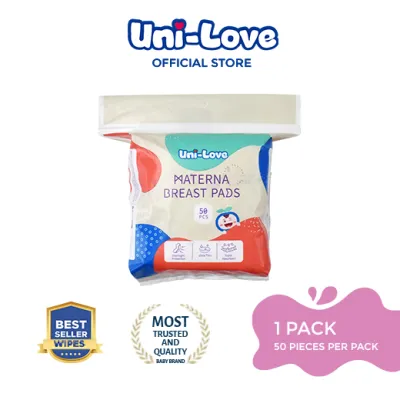
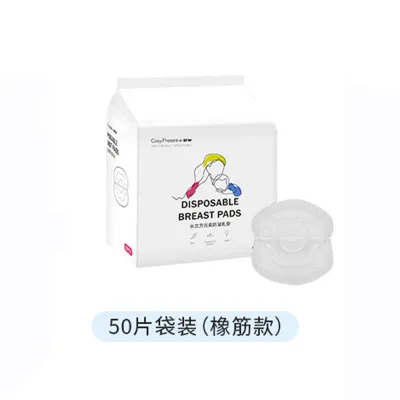
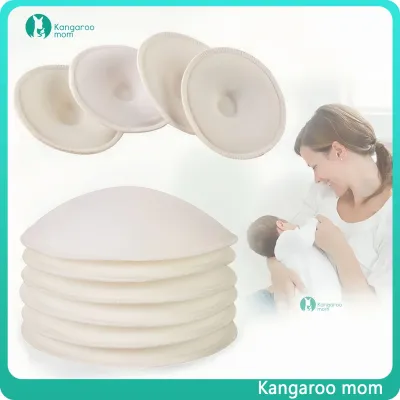
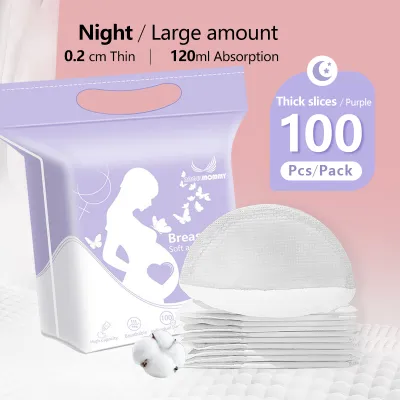
Prices are valid at publication and may change. Please refer to the product page for the latest price.
Your daily schedule and lifestyle also play a major role in this decision. If you spend a significant amount of time away from home, return to an office, or travel frequently, you need a solution that is easy to pack and change on the go. Conversely, if you spend most of your time at home with easy access to laundry facilities, your options expand considerably.
In a warm, humid tropical climate, managing moisture becomes even more critical. High humidity levels mean that trapped sweat and breast milk can quickly cause skin chafing, heat rashes, or yeast overgrowth. Your personal priorities—whether you are focused on minimizing upfront costs, reducing your environmental footprint, or protecting highly sensitive skin—will ultimately guide you toward the material that best supports your daily routine.
Evaluating Disposable Breast Pads
Disposable breast pads offer unmatched convenience, making them a popular choice for busy mothers. Because they are designed for single-use, you simply wear them until they are damp and then discard them. This makes them incredibly practical for travel, running errands, or navigating the chaotic early postpartum weeks when laundry is the last thing you want to manage. Many mothers also prefer disposables for nighttime use, as they often feature advanced absorbent cores that lock away heavy moisture for hours.

However, this convenience comes with ongoing financial and environmental costs. Purchasing box after box of single-use pads over several months of breastfeeding can accumulate into a significant recurring expense. From an environmental perspective, hundreds of these plastic-backed pads end up in landfills, which may not align with a household focused on reducing waste.
Skin health is another factor to consider when using disposables. Many single-use pads rely on synthetic linings and plastic backings to prevent leaks, which can trap heat and moisture against your skin. In hot weather, this lack of breathability can lead to itchiness, clogged pores, or nipple soreness if the pads are not changed frequently.
When selecting disposable breast pads, always check the product packaging for specific features. Look for options that explicitly mention breathable outer layers to allow airflow. Verify that they have reliable adhesive strips to keep the pad securely positioned inside your bra, and opt for individually wrapped pads to ensure they remain clean and hygienic when tossed into your diaper bag.
Evaluating Reusable Breast Pads
Reusable breast pads are washable cloth discs designed to be worn, laundered, and used repeatedly. The most significant advantage of reusables is their long-term cost savings. While they require a higher upfront investment to build a sufficient stash, they eliminate the need for recurring purchases, saving you a substantial amount of money over your breastfeeding journey. They also represent a highly eco-friendly choice, drastically reducing the amount of single-use waste your household generates.
For mothers with sensitive skin, reusable pads made from natural fibers like organic cotton, bamboo, or hemp offer superior comfort. These materials are exceptionally soft against tender nipple skin and provide excellent breathability. This airflow is particularly beneficial in humid conditions, helping to keep your skin cool and reducing the risk of friction-induced irritation.
The primary trade-off with reusable breast pads is the time and effort required to maintain them. They must be washed, thoroughly dried, and stored hygienically after every single use. In humid climates, line-drying can take longer, meaning you will need to purchase a larger initial quantity to ensure you always have a clean, dry pair ready to use.
When shopping for reusable pads, verify that they feature a built-in waterproof or leak-resistant outer backing layer, often made of laminated fabric, to prevent milk from soaking through to your clothes. Look for contoured shapes that cup the breast naturally, as flat circular pads can bunch up and create visible lumps under your clothing. Finally, check the manufacturer’s washing instructions to ensure they fit easily into your existing laundry routine.
Comparing Key Decision Factors
To help you weigh your options, the table below outlines how disposable and reusable breast pads compare across core practical dimensions.
| Feature | Disposable Breast Pads | Reusable Breast Pads |
|---|---|---|
| Upfront Cost | Low (typically ₱150 to ₱500 per box) | Moderate to High (typically ₱400 to ₱1,200 for a multi-pack) |
| Long-Term Cost | High (continuous recurring purchases) | Low (one-time purchase, minimal laundry cost) |
| Laundry Requirement | None (discard after single use) | High (must be washed and fully dried after every use) |
| Travel Convenience | High (easy to pack, swap, and discard) | Moderate (requires carrying a wet bag for used pads) |
| Skin Feel & Breathability | Variable (synthetic layers can trap heat) | High (natural fibers offer superior airflow) |
When applying this decision framework, choose disposable breast pads if you prioritize maximum convenience, travel frequently, or are managing heavy initial leakage without the capacity for extra laundry. Choose reusable breast pads if you have regular laundry access, suffer from sensitive skin or eczema, want to minimize environmental waste, and prefer long-term financial savings.
Verify first if you have a history of thrush (a fungal infection) or highly sensitive skin conditions before selecting your breast pad material. Fungal spores can easily survive on fabrics if they are not washed at high temperatures, which can lead to reinfection. If you are managing an active skin condition or infection, check with a lactation consultant or doctor to determine the safest material and hygiene protocol for your specific situation.
Building a Practical Breast Pad Strategy
You do not have to choose just one type of breast pad; many mothers find that a hybrid approach offers the best of both worlds. For example, you can wear soft, breathable reusable pads while resting at home to keep your skin comfortable and dry. When you go out, travel, or sleep through the night, you can switch to high-absorbency disposable pads for reliable leak protection and convenience.
As your milk supply regulates and your baby grows, your leakage patterns will change. You can adjust your stash over time, transitioning from heavy-duty disposables during the early weeks to slim, lightweight reusables as your leaking decreases. This dynamic approach keeps your routine highly efficient and cost-effective.
When purchasing either type of pad, always check the product labels for specific absorbency ratings or layer counts rather than relying on generic marketing claims. Some brands offer light, medium, and heavy-duty options, allowing you to tailor your purchase to your actual daily needs.
Hygiene, Care, and Safety Checks
Regardless of the type of breast pad you choose, practicing strict hygiene is essential to protect your skin and your baby’s health. Always change your breast pads promptly as soon as they feel damp. Leaving wet pads against your skin creates a warm, moist environment that encourages bacterial and fungal growth, which can lead to skin breakdown, painful chafing, or infections.
For reusable pads, follow the manufacturer’s washing temperature guidelines carefully to ensure thorough cleaning. It is critical to ensure that the pads are completely dry before storing or wearing them. In humid tropical climates, damp fabric can easily develop mold or mildew, which poses a direct health risk to both you and your nursing infant.
Monitor your breasts regularly for observable warning signs of irritation or infection. If you experience persistent redness, cracked or bleeding nipples, unusual discharge, or sharp, shooting pain during or after feeding, stop using the pads immediately and consult a doctor or a certified lactation specialist.
It is important to remember that breast pads are designed solely to manage milk leakage and protect your clothing. They do not treat underlying medical issues such as mastitis, clogged ducts, or thrush. If you suspect you are developing any of these conditions, seek professional medical advice promptly rather than relying on a change of breast pads to resolve the issue.
Frequently Asked Questions (FAQ)
How many breast pads should I pack in my hospital bag?
Packing a small mix of both types is a practical approach for your hospital stay. For the first few days postpartum, your colostrum supply is small, but your milk may begin to come in before you are discharged. Packing around 6 to 10 disposable pads or 3 to 4 pairs of reusable pads should easily cover your immediate needs. Always check your hospital’s provided maternity kit list beforehand to avoid overpacking items they already supply.
Is it safe to use folded tissues or toilet paper instead of breast pads?
Using folded tissues, paper towels, or toilet paper as makeshift breast pads is generally not recommended. These paper products lack moisture-wicking properties and can quickly disintegrate when wet, leaving small paper fibers and residue stuck to your sensitive nipple skin. This residue can cause irritation, block milk ducts, or increase the risk of infection. It is best to stick to purpose-made breast pads designed to maintain skin integrity and manage moisture safely.

Community discussion
Share your experience or ask a question. Comments are reviewed before publication.