
Deciding between disposable and reusable bed pads for your baby’s changing table comes down to a balance between immediate convenience and long-term sustainability. There is no single correct choice for every household, as the ideal option depends heavily on your daily routine, laundry capacity, and budget. Both types of pads serve the same fundamental purpose: protecting your changing table cover or furniture from unexpected leaks and messes during diaper changes.
At their core, both disposable and reusable bed pads share a similar basic structure designed to manage moisture. They typically feature a soft, absorbent top layer that sits directly beneath your baby, paired with a secure, waterproof backing underneath to prevent liquids from soaking through to the surface below. While they perform the same protective function, the way they fit into your daily workflow, your household budget, and your environmental footprint differs significantly.
For parents prioritizing rapid cleanups and seamless travel, disposable pads offer a high level of convenience. On the other hand, families looking to minimize waste and reduce recurring expenses often find that reusable pads provide a more sustainable, cost-effective solution over the course of their baby’s diaper-wearing years. By evaluating how each option aligns with your lifestyle, you can establish a changing table setup that keeps your baby comfortable and your daily routine manageable.
Products mentioned in this guide
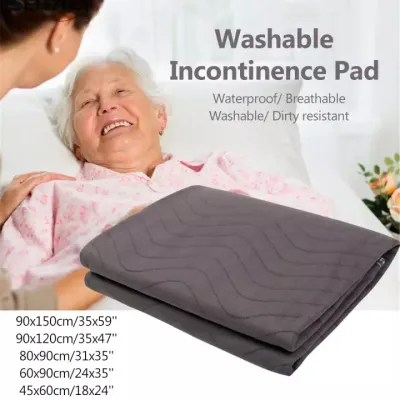
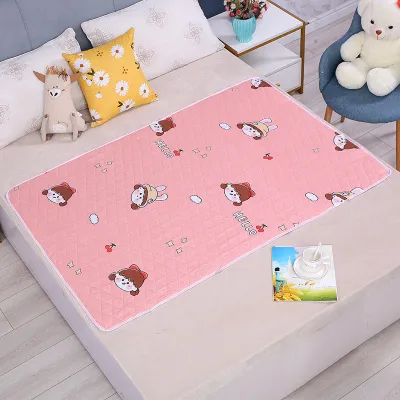
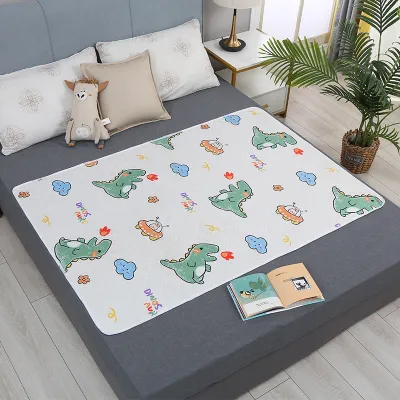
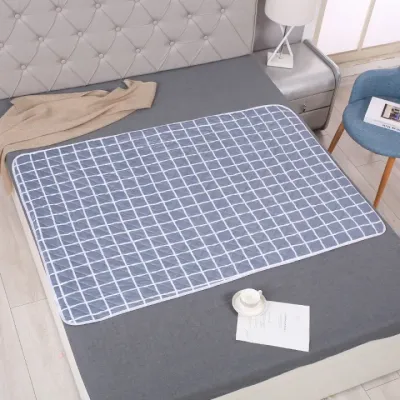
Prices are valid at publication and may change. Please refer to the product page for the latest price.
Evaluating Convenience and Daily Workflow
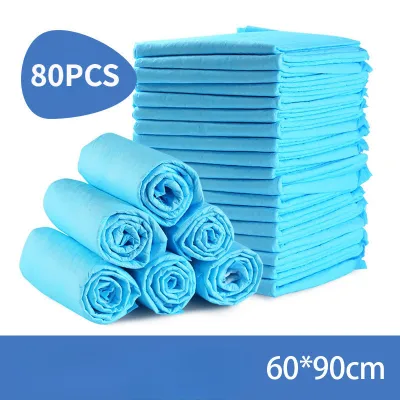
The speed and ease of managing diaper changes can dramatically shape your daily experience as a caregiver. Disposable bed pads excel in saving time because they require virtually no post-change maintenance. When a mess occurs, you simply roll up the soiled pad and discard it in the trash, immediately restoring a clean, dry surface to your changing table. This rapid turnaround is particularly valuable during late-night changes or when handling multiple consecutive diaper duties.
Conversely, reusable bed pads introduce a multi-step cleaning routine into your household workflow. When a reusable pad becomes soiled, you must strip it from the changing table, store it in a wet bag or laundry hamper, and eventually run it through a wash cycle. This process requires dedicated time for laundering, drying, and folding. In highly humid tropical environments, such as during the rainy season in the Philippines, line-drying thick, absorbent fabrics can take a considerable amount of time, which may delay your ability to put the pad back into service.
Portability is another critical factor when comparing daily usability. Disposable pads are lightweight, highly compressible, and slide easily into any diaper bag without adding noticeable bulk or weight. They are convenient for on-the-go changes in public restrooms, in the car, or while visiting family, where access to laundry facilities is non-existent. Carrying a soiled reusable pad in your bag until you return home is entirely doable, but it requires carrying a dedicated waterproof wet bag and dealing with the lingering odor and moisture in transit.
However, relying solely on one type of pad carries distinct operational risks. With disposables, you face the constant risk of running out of stock if you forget to reorder or restock your changing station, leaving you unprotected during a sudden mess. With reusables, the risk shifts to laundry bottlenecks; if you do not have a clean, dry pad ready because of a delayed wash cycle or slow drying times, you are left without a protective barrier for your changing table.
Hygiene, Skin Comfort, and Cleaning Realities
Your baby’s skin is delicate, making the material composition of any changing surface a primary consideration. When shopping for bed pads, it is essential to check the manufacturer’s labels to understand exactly what materials will come into contact with your baby’s skin. Reusable pads are frequently made from natural fibers like cotton or bamboo, or soft synthetic blends like polyester fleece, which many parents find exceptionally gentle and cozy. Disposables, by contrast, generally utilize synthetic non-woven polymers and wood pulp to achieve rapid absorption, which may feel less soft but are engineered to draw moisture away quickly.

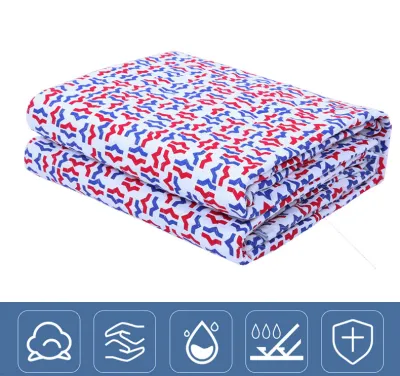
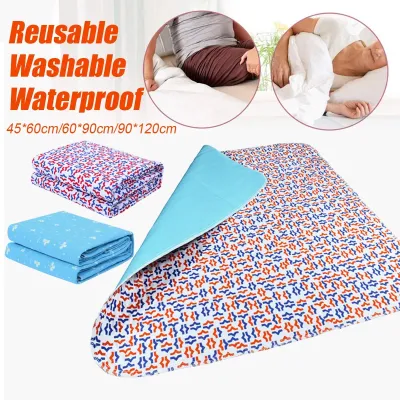
Maintaining a reusable pad requires strict adherence to care instructions to preserve its waterproof integrity and hygiene. Caregivers must carefully check product labels for recommended washing temperatures, as excessively hot water can degrade the waterproof polyurethane laminate backing over time. Additionally, certain detergents, fabric softeners, or bleach can clog the absorbent fibers or irritate sensitive skin, meaning you may need to wash these pads separately with baby-safe, fragrance-free detergents. Ensuring the pads are completely dry before storing them is vital, especially in warm, humid climates where trapped moisture can quickly lead to mildew or musty odors.
Disposable pads offer a distinct hygienic advantage by providing a completely fresh surface for every single diaper change. This single-use nature is highly beneficial when your baby is dealing with a contagious illness or diaper rash, as it helps minimize the spread of lingering bacteria that can sometimes survive a gentle wash cycle. However, because disposables rely on plastic backings to prevent leaks, they can sometimes trap heat and feel less breathable. Parents should look for packaging that explicitly mentions breathable outer layers to ensure comfort during warm afternoons.
Calculating Cost and Long-Term Value
Understanding the financial commitment of each option requires looking beyond the initial purchase price. To calculate the true cost of using disposable bed pads, you must consider them as a recurring utility. A simple way to estimate this is to multiply the price per individual pad by your estimated daily changes, and then multiply that by the number of months your baby will use the changing table. For example, if a pack of disposables breaks down to ₱10 per pad, and you use three pads a day to handle minor leaks and major messes, you are spending ₱30 daily, which accumulates to roughly ₱900 per month or ₱10,800 over a single year.
Reusable bed pads require a higher upfront investment but offer substantial long-term savings. Instead of buying hundreds of single-use sheets, you only need to purchase a small inventory of high-quality washable pads that can be used repeatedly for years. While a single reusable pad might cost significantly more than a pack of disposables initially, that single pad can withstand hundreds of wash cycles, eventually reducing your per-use cost to a fraction of a cent.
To make an accurate financial comparison, you must also factor in the hidden costs associated with maintaining reusable pads. Washing and drying reusable items consumes water, electricity, and laundry detergent over time. In regions where utility rates are high, these incremental costs do add up, though they rarely surpass the cumulative expense of buying continuous boxes of disposable pads. For most families, the upfront cost of a reusable rotation pays for itself within the first few months of use, making it a highly cost-effective choice for long-term budgeting.
How to Choose the Right Bed Pad for Your Needs
Selecting the right bed pad does not have to be an all-or-nothing decision, as your choice should align with your specific household setup and lifestyle priorities.
Choose Disposable Pads if:
- You prioritize maximum convenience and want to eliminate extra laundry from your daily routine.
- You travel frequently, spend a lot of time away from home, or need a reliable solution for diaper bags.
- Your living space has limited laundry facilities, or you lack outdoor drying space to handle thick, slow-drying fabrics.
- You want a quick, hygienic backup option for periods when your baby is sick or experiencing diaper rash.
Choose Reusable Pads if:
- You want to minimize your household's environmental impact and reduce the amount of single-use plastic sent to landfills.
- You are looking to optimize your long-term baby budget and prefer a one-time upfront expense over recurring monthly purchases.
- You have a reliable laundry routine, access to efficient washing and drying systems, and do not mind adding a few extra items to your weekly wash loads.
- You prefer natural, soft fabrics like cotton or bamboo touching your baby's skin during changes.
Consider a Hybrid Approach if:
- You want the benefits of both options. Many families find that using reusable pads at home on the primary changing table provides excellent comfort and cost savings, while keeping a small stash of disposable pads in the diaper bag or nursery drawer ensures they are always prepared for travel, late-night emergencies, or times when the laundry pile gets overwhelming.
Frequently Asked Questions (FAQ)
Do I need a bed pad if my changing table already has a wipeable cover?
While a wipeable changing table cover is designed to resist liquids, using an additional bed pad adds a valuable layer of comfort and protection. Wipeable surfaces, often made of cold vinyl or plastic, can feel chilly and uncomfortable against a baby’s bare skin, sometimes causing them to fuss during changes. A bed pad provides a softer, warmer surface while instantly absorbing unexpected leaks, preventing liquids from pooling around your baby or running off the sides of the table onto your floor or nursery furniture.
How many reusable bed pads should I buy for a changing table?
A practical baseline for a reusable bed pad rotation is three to five pads, though your ideal number depends on your laundry frequency and local weather. If you wash laundry every two days, having four pads ensures you have one on the table, one in the hamper, one in the wash, and one clean spare ready in the drawer. If you live in a highly humid area where line-drying takes longer, or if you prefer to do laundry only once a week, increasing your inventory to six or seven pads will prevent you from running out of dry covers.
Can I use a regular bed pad instead of one specifically made for changing tables?
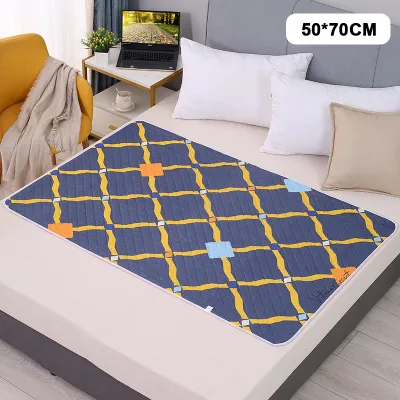
You can use a standard, multi-purpose waterproof bed pad on a changing table, provided you verify its dimensions and safety features first. Standard bed pads designed for cribs or twin beds are often much larger than a typical changing table surface, which can lead to dangerous overhangs or bunching that makes the changing surface unstable. If you choose a multi-purpose pad, ensure it can be folded securely or fits flat within the boundaries of your changing table, and check that it features a reliable non-slip backing to keep it from sliding around while you are changing your baby.

Community discussion
Share your experience or ask a question. Comments are reviewed before publication.